
The Bacwezi: Indigenous Settlers, Warriors, and Wealth Creators of Africa – Abridged
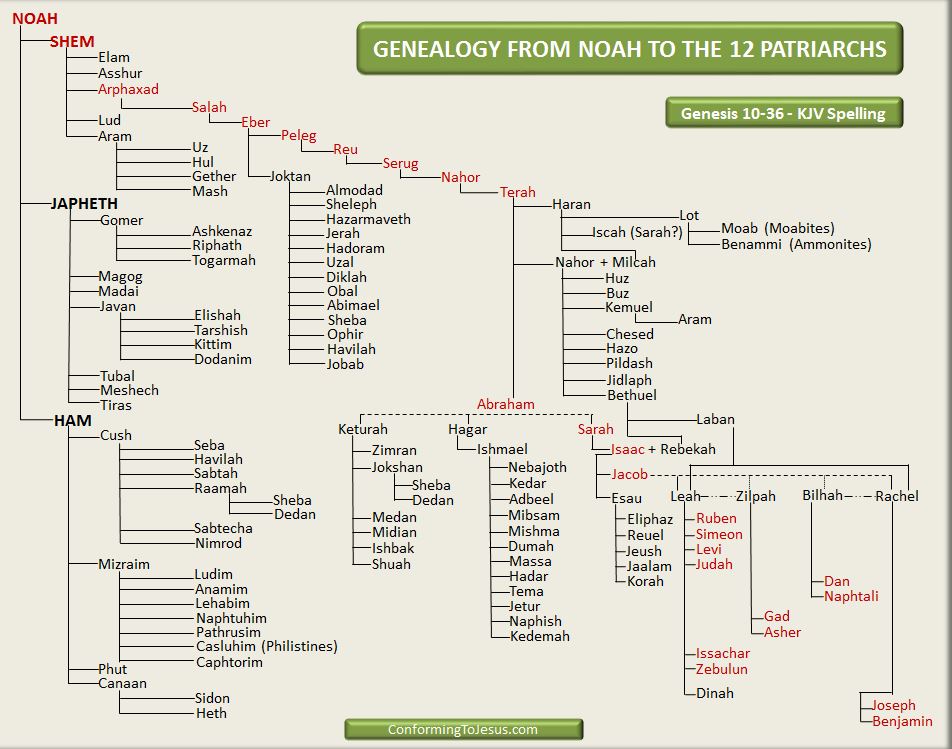
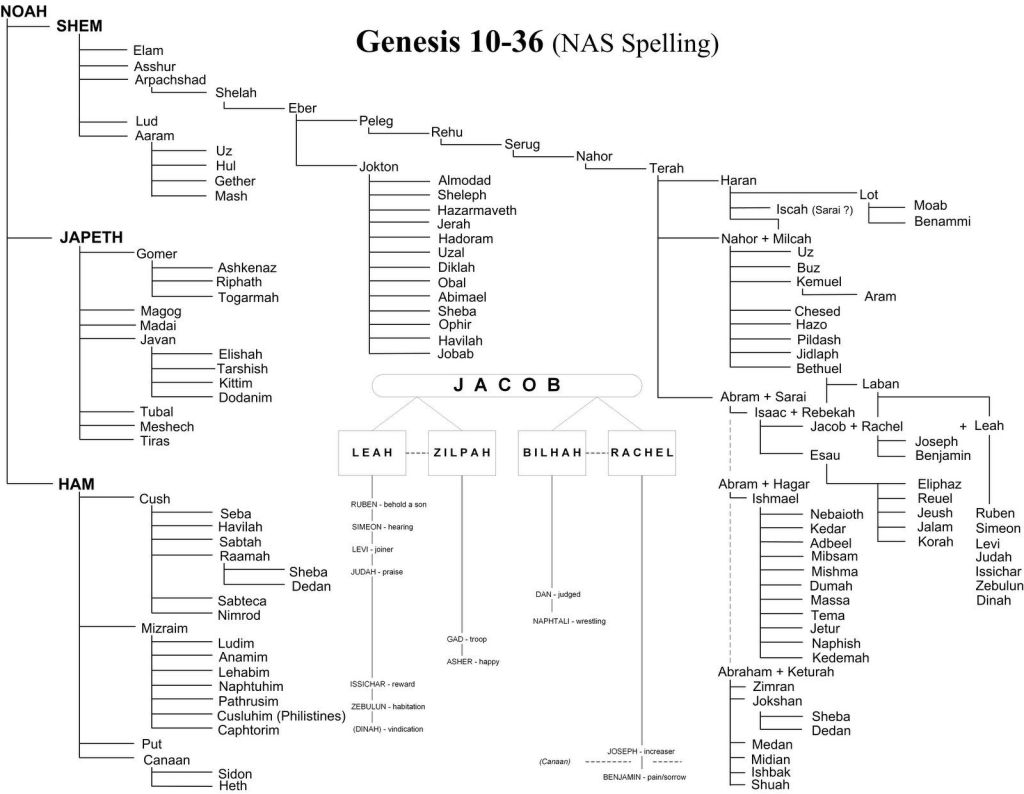
The Bahima/Bacwezi and Biiru are presented as the primary ancient inhabitants of Kitara and other parts of Africa, tracing their lineage back to Noah’s sons Ham and Shem respectively.
1. The Bahima/Bacwezi (Banyakitara Pastoralists):
Identified as part of the Hamitic people of Kitara, their ancestry is linked to the Luo and ultimately to Cush, son of Ham, grandson of Noah. Originating from present-day northeastern Sudan after migrating from Egypt, where they had a significant kingdom, Ham’s descendants are historically associated with populating Africa and parts of Asia. Egypt is referred to as “the land of Ham” in the Bible.
Ham’s lineage includes four sons: Cush (Ethiopia), Mizraim (Egypt), Put (Libya), and Canaan (ancestors of the Canaanites in Israel). The Bible suggests Ham and his descendants were the forefathers of the African continent and the Middle East.
Cushites and Mizraims migrated across Africa, with southern Cushite groups from Ethiopia being traceable throughout East Africa and surrounding regions. Historically, the descendants of Ham are noted for kingship, wealth creation, prowess as warriors and herdsmen, and their skills in blacksmithing. Cush, Noah’s grandson, was the father of Nimrod, described as the “first heroic warrior on earth.”
The Cushites, also called Hamites, are believed to have originated north of the Red Sea in Ethiopia, in a region called “Kush.” They are credited with introducing iron working to East Africa, particularly in Uganda by the Bachwezi from Meroe in Ethiopia. Pastoralism was and remains a major occupation of Cushitic groups, who were among the first to enter East Africa, entering Uganda from the southwest. East African groups identified as Cushites include:
- Uganda: Bahima, Basiita
- Tanzania: Mbugu, Iragu
- Rwanda: Tutsi
- Kenya: Kinje, Galla
- Somalia: Boran-Rendille
- Burundi: Tutsi

2. The Biiru (Habiris): The True Hebrews:
The terms “Abiru,” “habiru,” and “hapiru” are equated with “Hebrew.” Encyclopedia references note that in Egypt, “Habiru” meant “Outsiders” and was applied to fugitives and low-status workers, with an etymological link to “Hebrew.” Some scholars believe the Hapiru included the original Hebrews, of whom the later Israelites were one branch.
The Biiru (Abiiru) are described as descendants of the ancient Hebrews, who lived in present-day Israel and Palestine and, according to biblical tradition, descended from Jacob (Israel). After the Exodus (circa 1300 BC), they established the kingdoms of Israel and Judah, and their scriptures form the basis of Judaism. Abraham is first called “the Hebrew” in Genesis 14:13.
The “Abiiru” in Kitara are linked to these Hebrews, and their success is attributed to honoring God according to biblical commandments. The term “Abiiru” was surprisingly used to refer to the indigenous people of Kitara following colonization, potentially originating from the time when Hebrews were slaves under a Cushitic (Luo) Egyptian monarchy. Egyptian archaeological findings suggest the Hebrews were Semitic tribes who migrated from Mesopotamia to Palestine in the 2nd millennium BC, although some trace their origins to the Sinai.
Biblical accounts detail Abraham’s Mesopotamian origin and the Exodus, where some Hebrews may have branched off in the Sinai desert, eventually settling in Africa (biblical Ethiopia). The term “Hebrew” was applied to Abraham, and “Abiru”/”habiru”/”hapiru” are considered synonymous. Egyptian tablets from Tall al ‘Amârinah (circa 1400 BC) refer to the Habiru, coinciding with the biblical understanding of foreigners knowing early Israelites as Hebrews.
The Bahima’s knowledge of the Abiru as former slaves in Egypt is highlighted, though the text argues this past bondage was broken by God’s commandments. The Abiiru of Ankole’s success is linked to recognizing their relationship with God, similar to their Jewish brethren. Unlike the Hamites who allegedly deified themselves as “Bamariika” or “Bacweezi,” the Abiiru were instructed to serve no other God (Exodus 20).
The “twelve tribes” of the Hebrews are seen as the spiritual family of God, making the Abiru of Ankole part of the true Israelites and lineage of Jesus Christ. The text suggests that earlier understanding of these connections could have positively impacted Uganda’s fortunes, emphasizing the potential of the industrious Abiru people.
Conclusion:
Both Bahima (Hamites) and Biiru (Hebrews) are presented as descendants of Noah who migrated and developed into distinct nations, meeting in the Kitara area with shared DNA.
Bacwezi as Indigenous Rulers, Great Warriors, and Wealth Creators:
The text references a statement by Uganda’s “first son” (Muhoozi Kainerugaba) asserting indigenous ownership of the land for over 1.4 million years and their role as leaders and wealth creators, warning against destabilization. This is linked to the Bacwezi ancestry.
Ndahura’s reign, the first of the Cwezi dynasty, is noted for centralizing political institutions and adapting to a pastoral, aristocratic society. Ndahura’s titles (“the uprooter,” “son of a porter,” etc.) and lineage (Isimbwa of the underworld and Nyinamwiru of the Batembuzi) are mentioned. He was raised by a Mwiru family (Babopi clan), hence the name Ndahura Kyarubumbi.
The Bacwezi are credited with introducing barkcloth manufacture, coffee cultivation, iron working, earthworks, and specific pottery styles found at key cultural sites.
Ndahura’s reign began with campaigns against rebellious areas, expanding the kingdom through military strength and alliances. His campaigns extended north to Buruli and south to Karagwe, Nkore, Bukuma, and Rwanda. His son Kiro Muhimba’s campaign against the Madi is mentioned, with the capture of black cattle and an eight-legged stool. Campaigns also reached Buganda (ousting Ntege, installing Kyomya), Busoga, and the Sukuma country in Kenya. The Wanga community in central Nyanza (Kenya) links its kingship to a ‘Muhima’ from western Uganda (associated with Bacwezi) who brought copper bracelets and sacred spears, symbols of Bacwezi rule, used to legitimize Wanga rulers. Ndahura’s campaigns established Bacwezi dominance in the interlacustrine region.
Ndahura’s expedition to Kyaihangiro (Tanganyika) led to his capture, but he was rescued by Kyomya. Ndahura declined the throne, and his son Wamara became king.
The text asserts that the Bacwezi’s military history predates Museveni, tracing back to Cushite figures like Nimrod. The Bacwezi are claimed to still exist and rule.
The Bacwezi’s origins are reiterated as mysterious, possibly linked to Caucasoid peoples (Egyptians) or the pastoral Bahima from northeastern Uganda (akin to Sudanic groups). Bunyoro tradition links them to the Batembuzi, suggesting shared superhuman qualities. Ndahura’s rise from a humble background and his building upon Isaza’s institutions (like the Saza system) are noted. Bigo bya Mugenyi is identified as the last Cwezi capital.
The decline of the Bacwezi rule is attributed to either the Luo migration (15th-16th centuries) forcing their flight or internal factors like Ndahura’s overextended campaigns and his capture. Rebellions by chiefs during Ndahura’s absence and Wamara’s reign, including Buyaga and Kitagwenda breaking away, are mentioned. The conflict between Mulindwa and Mugenyi, and the Basingo’s refusal to pay tribute, further weakened the Bacwezi. Omens like blood in cow’s milk also contributed to their departure.
Divination practices attempting to explain these omens are described, leading to the interpretation that the Bacwezi’s rule would end but their influence would continue through spirit mediums. The arrival of Kyomya’s sons (the Ababiito) to take over the kingdom is recounted, linked to a prophecy. The Ababiito’s origins with Nyatwor under a ‘bito’ tree and their bushbuck totem are explained.
The Bacwezi’s departure involved leaving regalia with certain clans and two queens to instruct the incoming Babiito. Their “disappearance” is interpreted not as literal vanishing but likely migration south into Ankole, Rwanda, and Burundi.
The text concludes by asserting the continued existence and ruling influence of the Bacwezi descendants, including the clans that formed the Cwezi dynasty.
Muhoozi Keinerugaba as a Descendant:
Muhoozi Kainerugaba’s claims of his family’s connection to the Bacwezi dynasty are presented as supported by historical and biblical evidence. His tweets referencing the Bacwezi and warning against those fighting their descendants (including his father, Museveni, and uncle, Salim Saleh) are mentioned.
Muhoozi stated his grandfather’s account of the first Banyankore coming from Egypt, aligning with the Hamitic/Cushitic ancestry linked to the Bacwezi. His sympathy for the Tigrayans in Ethiopia and his assertion of their shared ancestry are also noted.
Criticism of Muhoozi’s focus on “fighting” is contrasted with the historical precedent of Cushite and Bacwezi military campaigns, tracing back to Nimrod.
The text concludes by affirming Uganda’s rule by descendants of the “mythical” Bacwezi, historically linked to the Cushitic Hamites, suggesting inherited “magical powers” that make the nation difficult to defeat, referencing Museveni’s bush war anecdotes.


 COMMUNITY BASED TOURISM DEVELOPMENT AT KITARA FOUNDATION FOR SUSTAINABLE TOURISM: Transforming Communities through Travel Partnerships. Email: kitararcc@gmail.com;