
At Kitara Foundation for Regional Tourism we are passionate about tourism at two regional levels; the Kitara region and the East African Community as a region.
Tourism plays a significant part in East Africa’s economy, contributing to both GDP and employment. This is particularly true for East Africa regional economies, where tourism often accounts for a greater share of GDP and employment than in the region’s capital cities, underlying the importance of tourism to regional divisions of East Africa.
In regional tourism we refer to regional and rural tourism. Regional tourism is tourism concentrated in a region. A region is an area that can be distinguished from other areas by its own cultures and structure.
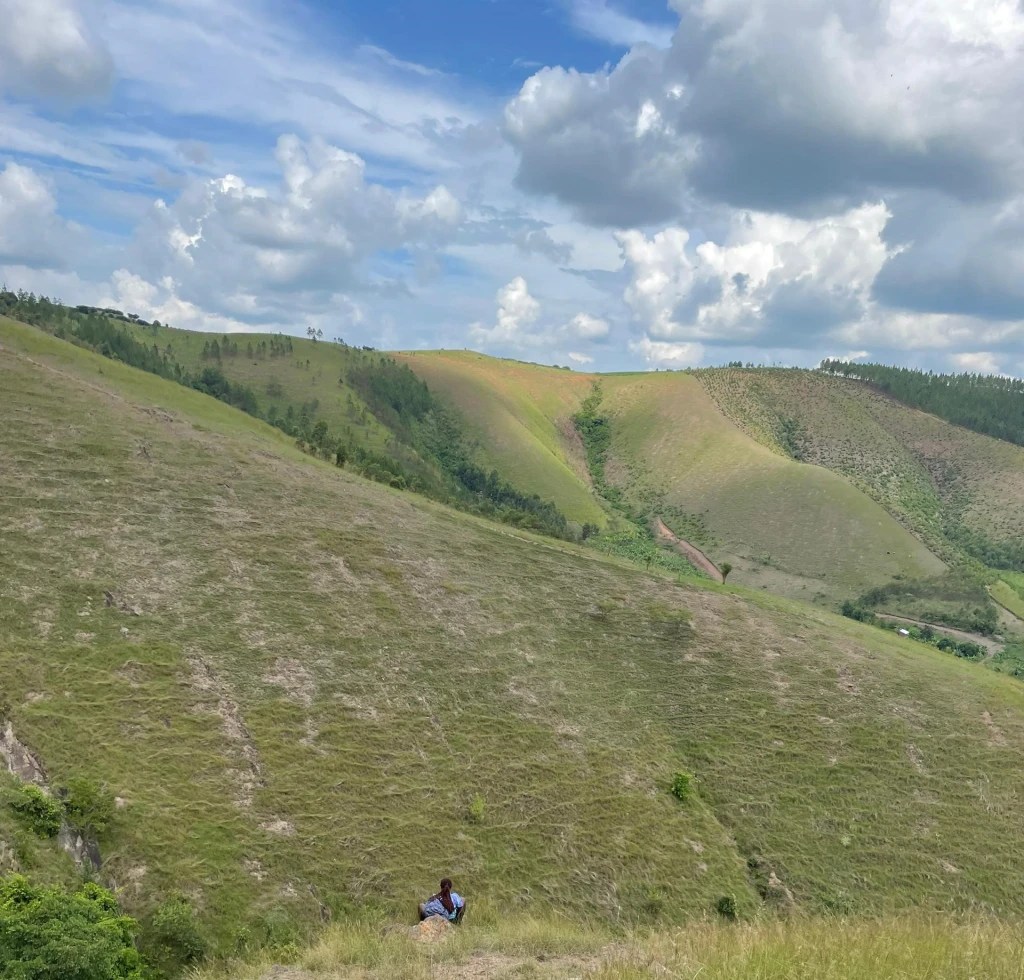
Regional tourism is not only movement, it is also imagination and expectation: what shall I see on the route, which challenges are there, what can I do, whom shall I meet. What is nature like and what about the villages I am walking, riding or driving through, the castles on the top, the regional meals to eat, etc.
Collectively promoting and marketing the Community as a Single Tourist Destination while conserving and ensuring sustainable utilization of wildlife and other tourist sites.
Tourism is one of the most significant sectors in all the economies of the EAC region. The sector contributes an average of about 17% to export earnings and its contribution to GDP is quite substantial averaging at around 10%. It generates about 7% of employment in the region.
Moreover, tourism has important linkages with other sectors of the economy including agriculture, transport, manufacturing, insurance, and finance among others. The sector grew steadily in all the EAC Partner States with total international tourism arrivals increasing from 3.47 million to 6.95 million between 2006 and 2019.

However, this steady growth was disrupted by the onset of the COVID-19 pandemic in March 2020 that brought about a sharp drop in international arrivals in all EAC Partner States. Despite the drop, there are signs of strong recovery in the region and it is anticipated the pre-pandemic levels of performance could be achieved by 2024.
Owing to its socio-economic significance in the region, tourism is one of the key productive sectors that have been identified for cooperation in EAC. Cooperation in the sector is provided for under Article 115 of the EAC Treaty where Partner States undertake to develop a collective and coordinated approach to the promotion and marketing of quality tourism into and within the Community.
In particular, Partner States undertake to:
- Co-ordinate policies in the tourism industry and establish a framework of cooperation in the sector that will ensure equitable distribution of benefits;
- Establish a common code of conduct for private and public tour and travel operators, standardize hotel classifications and harmonize the professional standards of agents; and
- Develop a regional strategy for tourism promotion whereby individual efforts are reinforced by regional action

Related to tourism, EAC Partner States cooperate in wildlife conservation as stipulated by Article 116 of the EAC Treaty where the Partner States undertake to develop a collective and coordinated policy for conservation and sustainable utilization of wildlife and other tourist sites in the Community: In particular, the Partner States undertake to:
- Harmonize policies on wildlife conservation;
- Exchange information;
- co-ordinate efforts in controlling and monitoring encroachment and poaching activities; and
- Encourage the joint use of training and research facilities and common management plans for trans-border protected areas.
In line with the above provisions of the Treaty, notable progress has been made in various aspects such as the development of common classification for tourism accommodation establishments and restaurants; joint tourism promotion and having a coordinated approach in combating poaching and illegal wildlife trade.
In addition, a Draft Protocol on Tourism and Wildlife Management has been developed and was adopted by the 41st Meeting of the Council of Ministers in November 2021. The adopted protocol was left to be finalized through the Sectoral Council on Legal and Judicial Affairs.

Sector Opportunities
Tourism in the East African region has many opportunities. While affording travelers an impressive range of options for exploration and relaxation, the region presents incredible potential for investors across the tourism value chain.
This includes investment opportunities in the tourism accommodation sub-sector, attraction sites, tour operations, and travel agents among others. Partner States offer diverse investment incentives such as custom duty exemptions for certain items used in the sector.
Sector Challenges
Some of the challenges facing the tourism and wildlife sector in East Africa include:
- Inadequate and inefficient infrastructure;
- Negative travel advisories from source markets;
- Stiff competition from relatively cheaper destinations;
- Inadequate financial and human resource;
- Absence of harmonized policies;
- Limited participation in joint international and regional tourism promotion fairs and exhibitions;
- Lack of common approach to implementation of international and regional treaties or agreements;
- Poaching and wildlife habitat loss;
- Inadequate Research and Development; and
- High susceptibility to disasters and pandemics.
In respect to the tourism sector, these sub-themes will revolve around aspects such as tourism resilience and crisis management, digital tourism marketing, development of multi-destination tourism packages and tourism investment opportunities and incentives. On the other hand, wildlife-related sub-themes will include Combating Poaching and Illegal Wildlife Trade and economic valu

East Africa: A Vibrant Tourism Region;
East Africa, comprising Kenya, Tanzania, Uganda, Rwanda, Burundi, and South Sudan, is a captivating tourism region that offers a diverse array of attractions and experiences. From the majestic mountain ranges to the vast savannas, and from the pristine beaches to the vibrant cities, East Africa is a treasure trove of natural beauty, rich culture, and exciting adventure.

Natural Wonders
1. The Serengeti and Maasai Mara: Witness the Great Migration of wildebeests, zebras, and gazelles in these iconic national parks.
2. Mount Kilimanjaro: Africa’s highest peak, located in Tanzania, offers breathtaking hiking and climbing opportunities.
3. The Nile River: Flowing through Uganda and South Sudan, the Nile offers exciting rafting, kayaking, and fishing experiences.
4. The Indian Ocean Coastline: Enjoy the pristine beaches, coral reefs, and vibrant coastal towns of Kenya and Tanzania.

Cultural Heritage
1. Maasai and Samburu Cultures: Experience the rich traditions and customs of East Africa’s indigenous communities.
2. Historic Towns: Visit the ancient ports of Zanzibar, Lamu, and Mombasa, with their unique blend of African, Arab, and European influences.
3. National Museums: Discover the region’s history, art, and culture at museums in Nairobi, Dar es Salaam, and Kampala.
Adventure and Activities
1. Safari Experiences: Go on guided game drives, walking safaris, or birdwatching tours in East Africa’s renowned national parks.
2. Hiking and Climbing: Explore the region’s majestic mountains, including Mount Kenya, the Rwenzori Range, and Mount Meru.
3. Water Sports: Enjoy snorkeling, diving, kayaking, or sailing in the Indian Ocean or on Lake Victoria.

Regional Tourism Initiatives
1. East African Tourism Platform: A regional initiative promoting tourism cooperation and development among East African countries.
2. Single East African Tourist Visa: A joint visa initiative allowing visitors to explore multiple East African countries with ease.

East Africa’s rich diversity, stunning natural beauty, and warm hospitality make it an unforgettable tourism destination. Whether you’re an adventure-seeker, a culture enthusiast, or simply looking to relax on the beach, East Africa has something for everyone.

 COMMUNITY BASED TOURISM DEVELOPMENT AT KITARA FOUNDATION FOR SUSTAINABLE TOURISM: Transforming Communities through Travel Partnerships. Email: kitararcc@gmail.com;