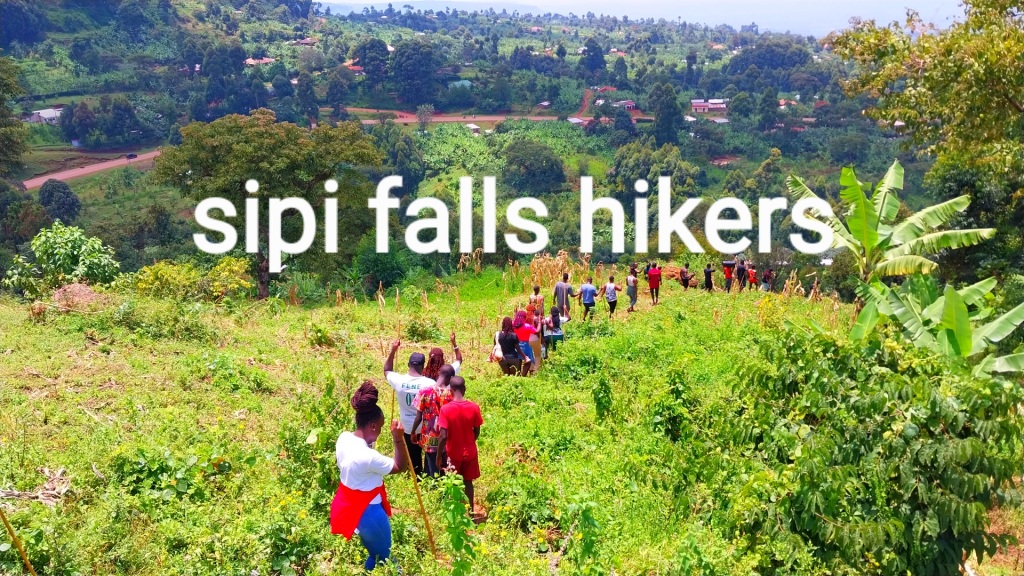
Uplifting Communities Through Tourism; People, Nature and Economy
Community tourism in Uganda is a transformative approach that intertwines the well-being of its people, the preservation of its natural and cultural heritage, and the generation of sustainable economic growth. It’s about empowering local communities to become active participants and primary beneficiaries in the tourism sector, ensuring that visitors gain authentic experiences while their contributions directly uplift livelihoods and conserve invaluable assets.
The Essence of Community Tourism
At its core, community tourism, often referred to as community-based tourism (CBT), recognizes that local communities are the most valuable assets in the tourism experience. Unlike traditional tourism, which often sees visitors as mere consumers and locals as service providers, CBT fosters genuine interaction and mutual benefit. It’s built on the understanding that communities, by definition, embody collective responsibility and decision-making.
In Uganda, a significant portion of visitors seeks an immersive cultural experience, desiring to connect with local people, learn from their daily lives, and contribute meaningfully through participation and service. This desire has led to the growth of community tourism and volunteerism, where visitors, whether tourists or volunteers, forge bonds and contribute to social and economic development. Local NGOs and CBOs often facilitate these interactions, working to improve livelihoods in rural areas.
The Ugandan government is actively developing a framework to equip local people with the skills to engage in community tourism. The goal is to empower communities to leverage their unique local resources—be it their rich culture, traditional housing, indigenous foods, or pristine environment—to attract tourists. This approach ensures that the benefits of tourism flow directly back into the communities, fostering self-reliance and sustainable development.
Community Tourists vs. Community Volunteers: A Symbiotic Relationship
While both community tourists and volunteers offer vital support and immerse themselves in the local culture, there are subtle differences:
- Community Tourists are driven by a desire to learn and support communities, requiring no specific qualifications. They can participate in non-professional projects like painting a school, assisting with agricultural tasks, or engaging in environmental conservation.
- Community Volunteers typically possess specific qualifications that align with community programs, such as teaching, healthcare support, or specialized community empowerment initiatives. They are generally aged 18 or above, unless part of an adult group.
Regardless of their specific role, both types of visitors have the opportunity for complete immersion in the African culture and local environment, offering support to communities while gaining invaluable life lessons. This symbiotic relationship ensures that both guests and hosts benefit significantly.
Kitara Foundation’s Approach to Community Tourism
Kitara Foundation champions community tourism projects focused on sustainable development through small-scale tourism and local enterprises. Their approach emphasizes:
- Utilizing local resources: Harnessing indigenous knowledge and traditional skills passed down through generations to create authentic products and experiences.
- Empowering locals: Providing training that enables communities to recognize the value of their culture, way of life, and rural environment as tourism assets.
- Community involvement: Ensuring local people are actively involved in the planning, decision-making, and implementation of tourism products, maximizing the retention of benefits within the community.
This model not only promotes cross-cultural understanding but also prioritizes environmental protection, cultural conservation, social responsibility, economic health, and livelihood enhancement. By empowering communities as owners of these tourism enterprises, it incentivizes the establishment of high standards and investment in quality tourism products.
Key Principles and Benefits of Community-Based Tourism
Community-based tourism operates on a foundation of principles that ensure mutual benefit and sustainability:
- Community-led and consensual: Tourism activities are developed with the involvement and consent of local communities, ensuring their participation in planning and management.
- Equitable profit sharing: A fair share of profits is directed back to the local community, ideally supporting community projects such as healthcare, education, and women’s groups.
- Collective benefit: The focus is on benefiting communities as a whole rather than individuals, which helps maintain social structures.
- Environmental sustainability: Local people are actively involved in conservation projects, promoting responsible environmental practices.
- Cultural respect: Traditional culture and social structures are respected, with guests briefed on appropriate behavior to avoid inappropriate ceremonies or events.
- Community autonomy: Communities retain the right to accept or reject tourism activities within their locale.
The benefits of CBT are two-fold:
Benefits to the Community
- Recognition and economic value: Brings attention and adds value to the community’s economy, diversifying income streams.
- Sustainable livelihoods: Provides an alternative to unsustainable practices like poaching or logging, safeguarding livelihoods.
- Conservation and pride: Fosters natural and cultural resource conservation by highlighting their commercial and social value, encouraging community pride.
- Inclusivity: Actively involves women, youth, and persons with disabilities in tourism associations and initiatives.
Benefits to the Guests
- Authentic experiences: Offers firsthand learning about the community from local guides and a deeper connection to the culture.
- Meaningful contribution: Guests know their money directly benefits the community and can feel good about their positive impact.
- Unique perspectives: Provides a personal, individualized tour and a unique look at the chosen destination, often beyond mainstream tourism.
- Lasting impact: Opportunities to make a long-lasting difference in the host community, with many volunteers continuing support from their home countries.
Developing Community Tourism in Uganda
Uganda is mobilizing communities to broaden its tourism offerings, focusing on socio-economic empowerment and enriched experiences for both local and international visitors. This strategy opens new niches, particularly for nature, culture, and adventure travelers. Local entrepreneurs are encouraged to capitalize on the tourism industry, offering visitors a “home away from home” experience with Ugandan families, fostering cross-cultural bonds and providing authentic insights into Ugandan life.
The formalization of tourism-based development as a tool for regional growth emphasizes industry standards for health, safety, and environmental protection. It empowers communities to recognize the value of their cultural assets—heritage, cuisine, and lifestyle—and transform them into income-generating projects, providing diverse and worthwhile experiences to visitors. This “people-centered” tourism fosters a sense of ownership, crucial for the industry’s long-term sustainability.
Popular community tourism destinations in Uganda are diverse, ranging from:
- Educational institutions: Schools, universities, and tertiary institutions.
- Social and health centers: Religious institutions, children’s daycare centers, hospitals, and clinics.
- Vulnerable communities: Refugee settlements and displaced persons’ camps.
- Economic hubs: Business centers, markets, agricultural, and agro-processing centers.
- Natural and cultural sites: Environment and nature conservation projects, herbal medicinal centers, cultural and entertainment centers, and natural attractions.
- Local life: Home-based activities and sports centers.
Volunteer Programs Abroad: A Catalyst for Change
The global rise of volunteerism signifies a growing desire to give back to communities and support the less fortunate. African countries like Uganda enthusiastically welcome international volunteers who bring their skills, resources, and time to create lasting change in impoverished communities.
Volunteer programs are designed to be comprehensive, ensuring a safe, enjoyable, and productive experience that benefits both communities and volunteers. They prioritize flexibility, learning, and responsiveness to the changing realities of poverty. Hosted by community-based organizations, these programs immerse volunteers in local life, offering invaluable lessons while they contribute to various projects.
In rural Western Uganda, for instance, volunteers engage in daily activities like visiting elderly villagers, collecting water, teaching children, assisting in brick-making, feeding animals, and participating in health outreach programs. These initiatives directly benefit vulnerable community members, supporting schools, constructing essential infrastructure, and providing vital health and sanitation services.
Volunteers also play a crucial role in empowering women and youth by providing training in valuable and marketable skills such as handicrafts, computer literacy, carpentry, cooking, tailoring, and agricultural techniques. This directly addresses the need for self-reliance and sustainable livelihoods.
Mutual Growth and Lasting Impact
Community tourism and volunteer programs are designed to be mutually beneficial. While visitors gain unique cultural insights and contribute to meaningful projects, host institutions and communities receive vital services, skills, and a new source of income. The relationships often extend beyond the visit, with volunteers continuing to support their host communities with projects and recommending their experiences to others.
This approach not only transforms communities by improving living standards and instilling confidence but also provides visitors with an unparalleled adventure—a challenge, an investment in their future, and a chance to experience Uganda’s rich culture firsthand. It’s a testament to the power of connection and shared purpose, ensuring that the upliftment of communities through tourism is a journey for everyone involved.
What aspects of community tourism in Uganda are you most interested in exploring further?


 KITARA FOUNDATION FOR SUSTAINABLE TOURISM: Transforming Communities through Travel Partnerships. Email: kitararcc@gmail.com;