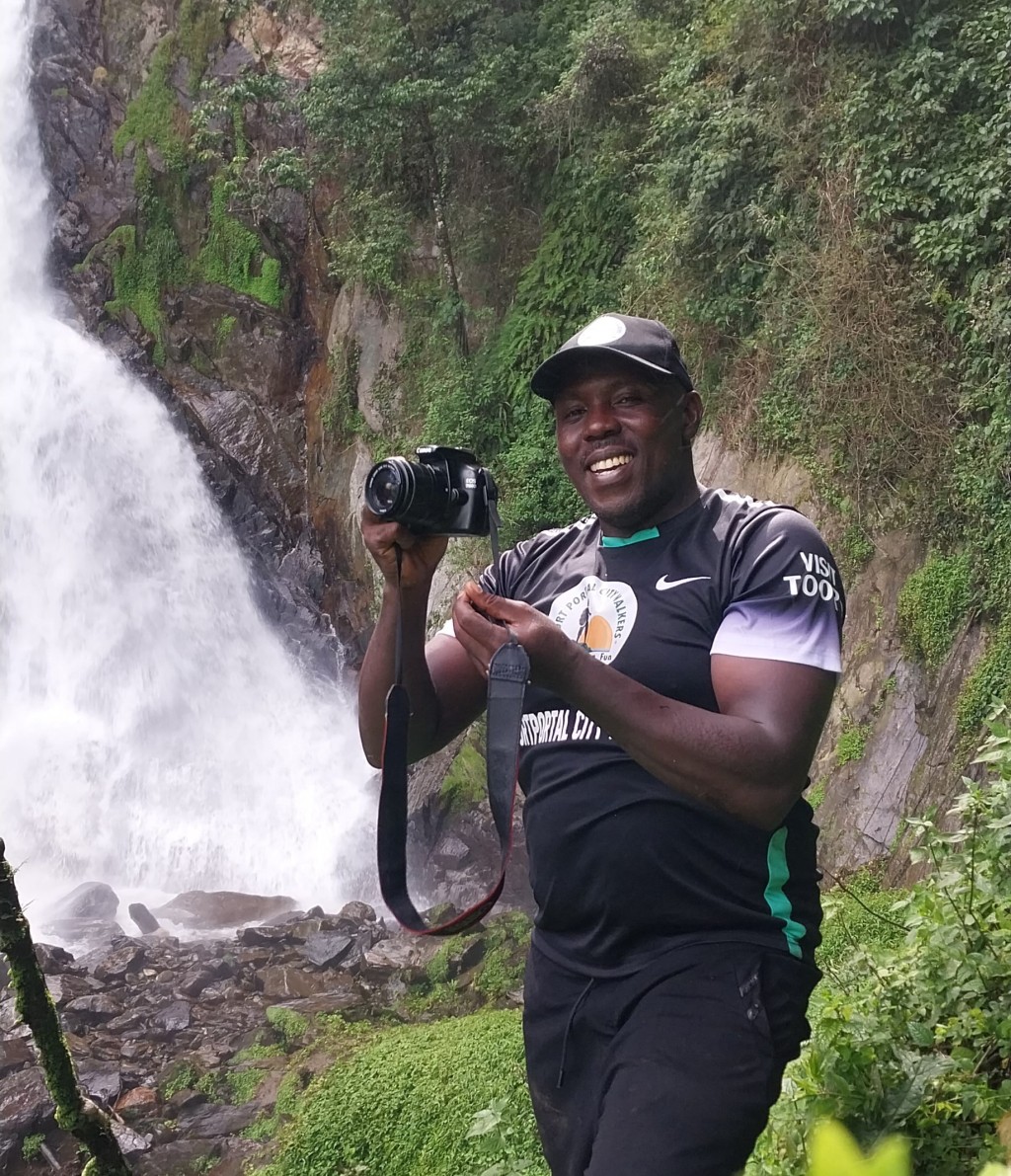
Also read “How Hiking Changed my Life” https://kitararcc.com/2024/08/06/how-hiking-changed-my-life/
My journey into tourism, specifically walking and hiking, began during the 2021 COVID-19 lockdown. I joined a domestic tourism group called the Fort Portal City Walkers in Western Uganda. While I had occasionally walked with colleagues before, this was different. The group’s intensive activities transformed my casual interest into a passion. Being in Fort Portal—a city nestled at the foothills of the Rwenzori Mountains and surrounded by major national parks like Queen Elizabeth, Kibale, and Semuliki—made it the perfect place for me to discover this new world.

When I first joined the Fort Portal City Walkers, the group’s mission was clear: tourism, fitness, and fun. My primary motivation was fitness—I was committed to the group’s six-hour-long Saturday walks and hikes. Over time, however, the tourism aspect became far more prominent for me. With the group, I’ve hiked to waterfalls, explored hot springs, climbed hills, walked around crater lakes, and even trekked in the Rwenzori Mountains. Some of these journeys are tough and dirty, but that’s the real essence of adventure—you leave home clean and full of energy, only to return tired and covered in the evidence of a day well-spent.

My hiking experiences ignited a deep appreciation for local tourism. While I’m not interested in traveling to Europe, I’m eager to explore Uganda and the rest of Africa. This passion led me and fellow hikers from the Fort Portal City Walkers to found the Kitara Foundation for Regional Tourism in January 2023. Our mission is to document our adventures, share them with a wider audience, and connect with other local tourism groups in Uganda and across Africa. We also host international visitors who want to experience our unique brand of local tourism. We partner with national tourism bodies to contribute to Uganda’s development goals through tourism, with a current focus on strengthening the skills of local tourism and hospitality workers through our Kitara School of Tourism and Hospitality– https://kitararcc.com/school-of-tourism-and-hospitality/
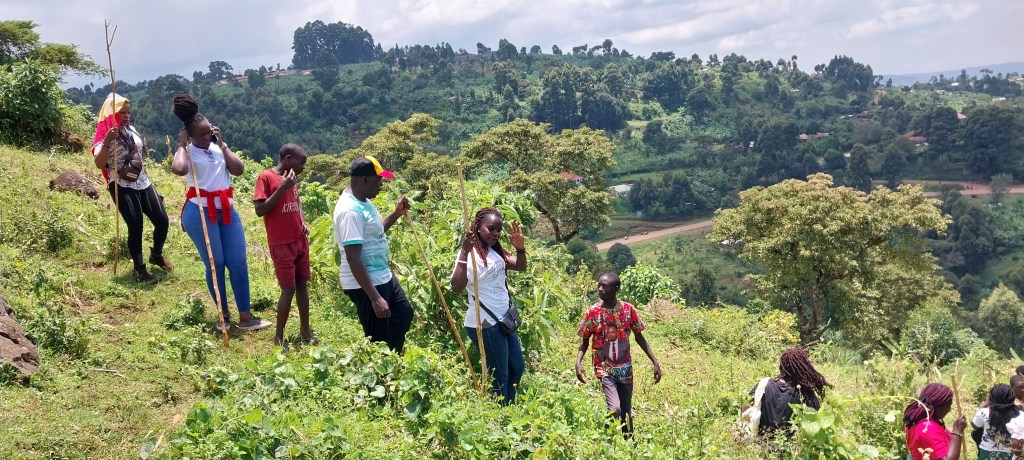
My time with the Fort Portal City Walkers opened up a new world of connections, allowing me to network with numerous hiking groups across the country and beyond. I’ve been in touch with groups like the Trekkers Club of Ibanda, Kasese Hikers Club, Mbarara City Hikers, Sipi Falls Hikers, Uganda Hiking Club, etc. This network has expanded beyond Uganda, connecting me with groups like the Uyo City Hikers in Nigeria, and others in South Africa, Tanzania, Rwanda, Kenya, and Ghana. All of these groups are part of Hike Africa, an organization that aims to unite hikers across the continent. Our goal is to promote walking and hiking, while also documenting and celebrating Africa’s incredible natural landscapes.

At the start of every year, I look forward to something that will challenge me in walking and hiking. I stock my energies to that particular thing or event and I just can’t wait for it to happen. I lay my strategies in order to ensure that I achieve in that event and make a memorable experience for my life and people around me. That is how I get the innermost satisfaction of my life when that Walk and Hike event is accomplished. In every work I do I find an opportunity for hiking most especially to a new place; at my workplace I have motivated colleagues and we walk 3 hours three times a week.

In all organizations where I work they have known my hobby as hiking and trekking and every time a chance comes to be away I chose to go to a district with mountains or other natural attractions, and once I get there first thing is to identify a place for hiking and I ensure I fix hiking on my schedule before I leave the district. This is how I got to Sebei Highlands of Teryet athletics training fields and Sipi Falls for the first time before I planned to take there a purposeful adventure trip.
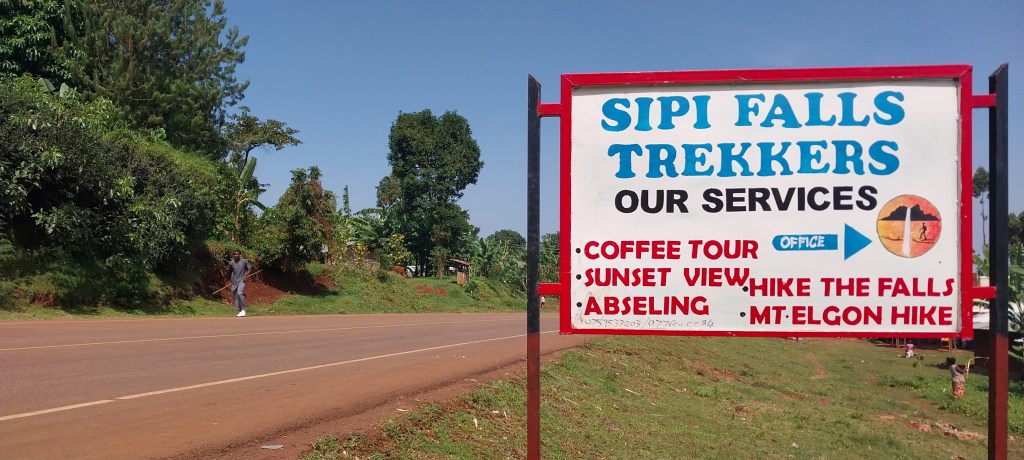

Ever since I was introduced to Walking and Hiking by Fort Portal City Walkers in 2021, there have been life changing moments in my life with the groups I have participated with for years.
How I joined Fort Portal City Walkers?
One Saturday I was walking to my workplace in the morning, I met them in a group walking on the Fort Portal-Kasese High Way, some of them holding walking sticks and they were involved in cheerful conversation. I asked one of them where they were going, he told me they were Fort Portal City Walkers and had chosen every Saturday to be their walking day. On reaching home I searched Fort Portal City Walkers on net and found their Facebook page where I got phone contacts. I called and the number was picked by the founder Mr Bashir Mwanguhya (Amooti wa Tooro), we made an appointment to walk with them the next Saturday. Since then, I am a proud member of Fort Portal City Walkers. With the group I have been to Rwenzori mountains about four times, I have been to the rock hills and caves of Ibanda, I have visited Kigezi Highlands, I have hiked in Sebei in Eastern Uganda, to the cycads village in Mpanga Gorge, not counting the walk and hike activities within and around Fort Portal. It has been an exciting and rewarding experience.
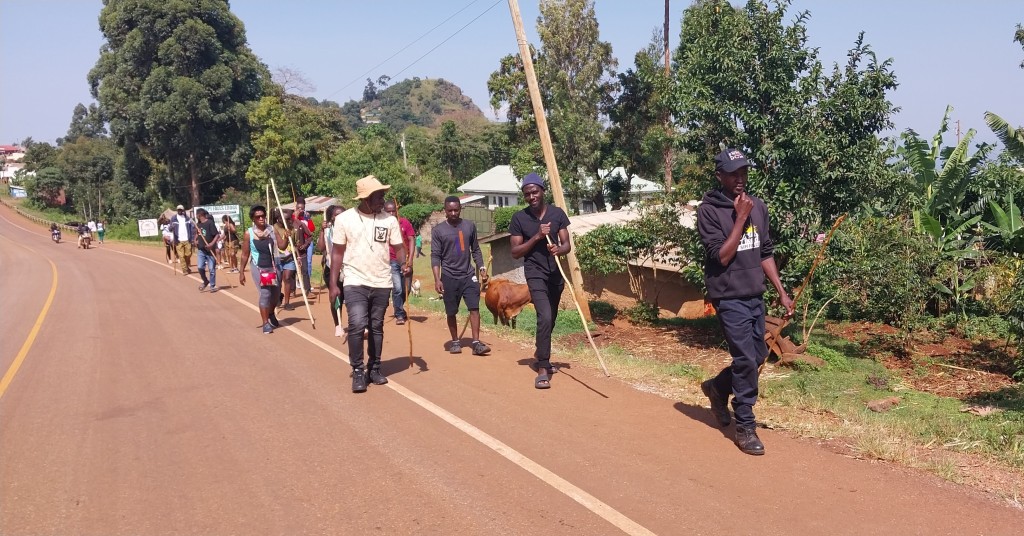
Walking and Hiking is challenging, sometimes you go in rain and some places are slippery and you will fall many times or you will be involved in supporting your colleagues who fall down. Sometimes there are colleagues who fail along the way and you have to help them out. Some days are very hot and the sun is hitting on your face, sometimes there are conflicts on the trail or in the group and you get involved; but, most of the time there is much to enjoy. It’s a lot of fun hiking in a group, you learn a lot from different people about culture and livelihoods, you get in touch with different professions and services around you, you get to know places you will have never known. Always, the sound of the wind rushing through the trees overhead, and the soft earthy feel of the trail under your boots, the whispers of the wild are amazing. Not only are these experiences enjoyable to have, but they’re good for you.

Health Benefits of Hiking;
Nature heals; Hiking sounds like a fun activity; When you go outdoors and spend time amid nature, the feeling is unparalleled. Not only do your stress levels reduce, but you also experience a sense of calm and joy.
City life is not ideal for our bodies, especially with the pollution and lack of open spaces. Hiking in nature is a great way to combat both the physical and mental stresses of living in a city.
The good news is, this is not just a figment of your imagination – hiking does offer a slew of physical and mental health benefits. Hiking is proven to have many health benefits, ranging from physical exercise you get when out on the trail, to emotional or mental relief that comes from being in nature.

Physical Exercise
Walking or Hiking is one of the best ways to get exercise. No matter what type of trail you find yourself on, hiking is a great whole-body workout—from head to toe and everything in between. Check out all of these physical benefits of hiking:
- Building stronger muscles and bones
- Improving your sense of balance
- Improving your heart health
- Decreasing the risk of certain respiratory problems
Whether you find yourself scrambling up a steep incline or walking on a winding dirt path, hiking in our natural environment is the perfect opportunity to get a work out!

Mental Health
Being in nature boosts your mood and improves mental health. Spending quality time in the great outdoors reduces stress, calms anxiety, and can lead to a lower risk of depression, according to a study done by researchers at Stanford University. In addition to having mental health benefits, being outdoors opens up your senses to your surroundings and improves your sensory perception. Taking in the sights, smells, and feelings of nature has so many health benefits it can even be prescribed by a doctor.

Relational Health
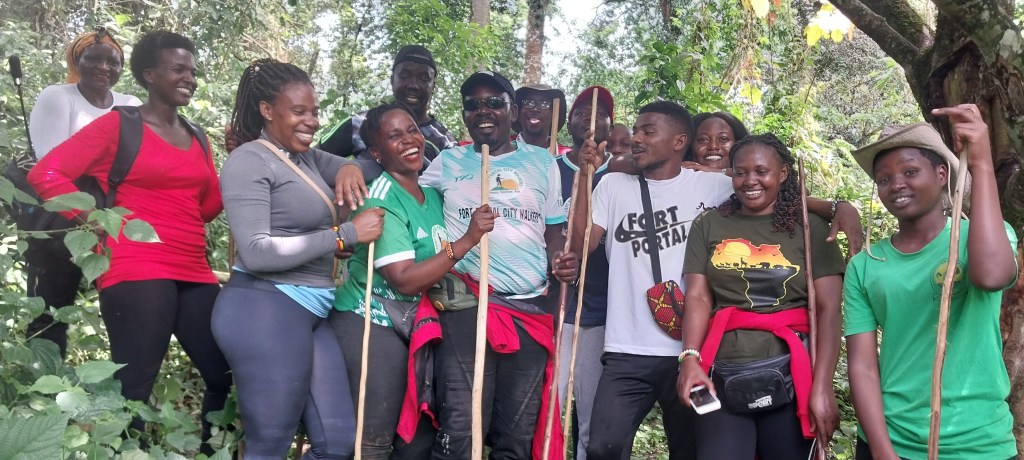
You don’t have to go it alone when you lace up your hiking boots. Grab a friend, neighbor, or family member for more fun on the trail. Join a group such as Fort Portal City Walkers. Hiking with a friend, or even in a group, can improve the strength and health of your relationships. Because hiking ranges in difficulty from an extremely challenging climb to a casual way of spending time outside, it’s a great way to strengthen the friendships or bonds you have with your companions. Whether it’s with a younger sibling, neighborhood friend, workmate or even a grandparent, hiking a trail together can bring you closer and help build a healthy relationship.

You can Take a Hike too
Natural environments and their many health benefits are open to anyone, no matter who you are and where you come from. There are more than a million Natural environments for you to explore across the country, and each one presents its own unique opportunities for experiencing nature. Don’t be afraid to lace up your boots and grab a walking stick. The opportunities and benefits of hiking are waiting for you; all you have to do is go. Hitting the trails can boost your mood, improve your sleep and reduce your risk of heart disease
What counts as Hiking?
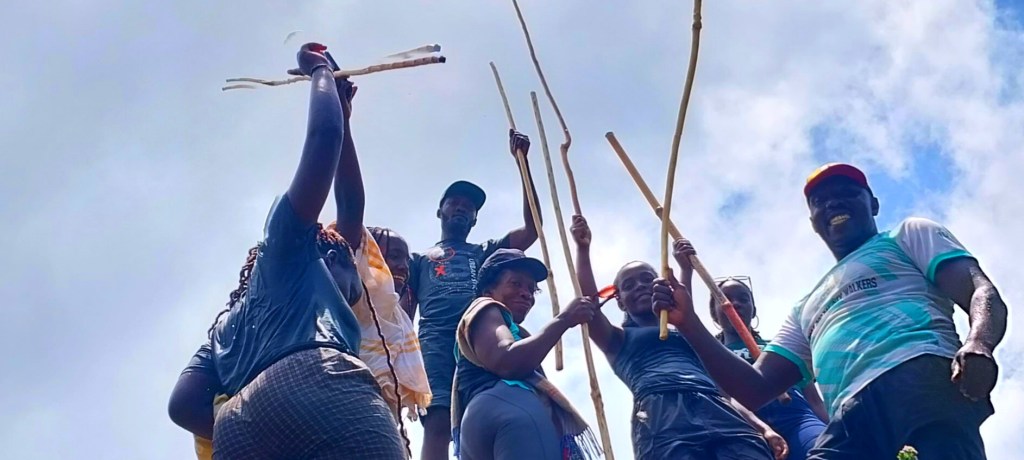
Think of hiking as a spectrum, “There’s no reason to really limit what you identify as hiking, I think anytime somebody gets out in nature and they’re moving from point A to point B and they’re getting their heart rate up, you can consider that a hike.”
If you’re just walking, you’ll get more of a lower-body workout. But if you have a backpack on, you’ll get more of a full-body workout.

And when it comes to how quickly you may see some of the benefits, it’s all unique to each individual. So, how long you need to be among nature depends on how active you’ve become.
“If you’re sedentary, just the smallest amount of effort will result in a lot of benefits, but as you adapt and become more fit, you’re going to have to increase the stress on the body by either increasing the duration, the intensity or the frequency.”

Hiking tips
Whether you’re a hiking Rwenzori or a nature community, it’s important that you prepare before any hike.
Protect Your feet: Not only do you want to wear shoes that are comfortable and fit well, but you also want to keep your feet dry. “The appropriate sock is going to wick away any moisture. A wool sock will still hold heat when they’re wet versus a cotton sock.” Some hikers will also coat their feet in an aerosol deodorant and antiperspirant to protect them from sweating

Dress in Layers: You can quickly become overheated once your heart rate goes up. So, it’s vital that you dress in layers that you can easily remove. Also, think about bringing extra clothing items like gloves and a hat. “If you’re in a hot environment, you’ll sweat and you’ll lose body fluid that way. Even when it’s cold, you lose a lot of body moisture.”
Stay Hydrated: Speaking of sweating, that can lead to dehydration, even in cold weather. “You lose a lot of body moisture from trying to warm the air while you breathe.” Bring a bottle of water to hydrate while hiking.

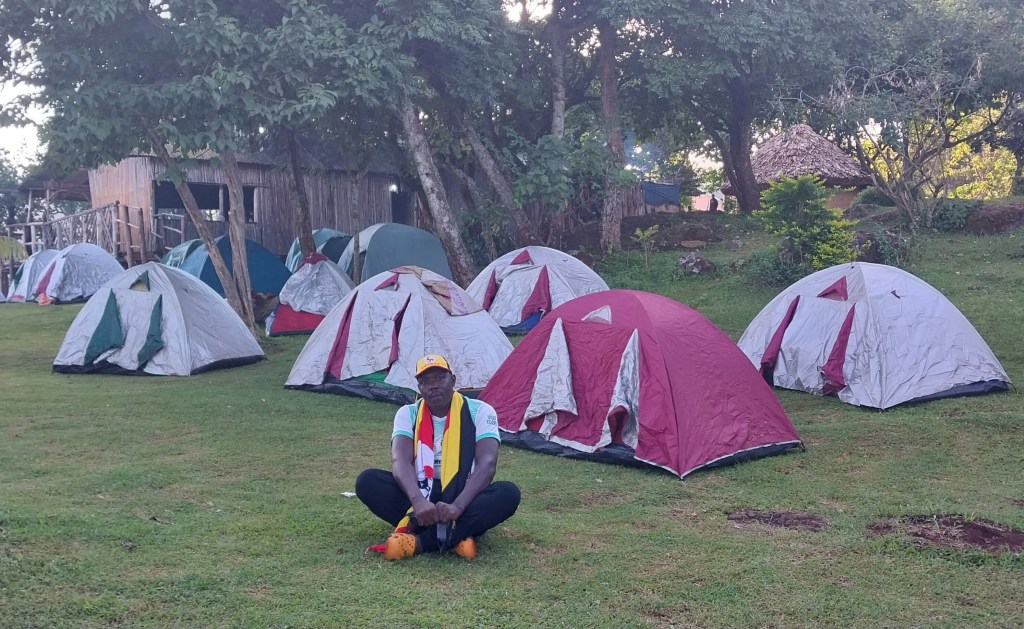
Know your Surroundings: Make sure to charge your cell phone and consider downloading a compass app. And let someone know where you’re going and when. “Always pin your locations in case your phone dies”.

Overall, hiking is a great way to get some exercise in and comes with the added benefits of boosting your mood, improving your sleep and helping with a host of potential medical conditions.

And remember to go at your own pace — you don’t need to become an expert hiker overnight. Just start small and go slow until you feel comfortable in your surroundings. And don’t forget to look up, down and all around to take in the bright blue sky, the breeze on your skin and the warmth of the sun. “Every hike provides a unique opportunity to experience the sky above you, the ground beneath you and the peace within you”.
Fitness for Hiking
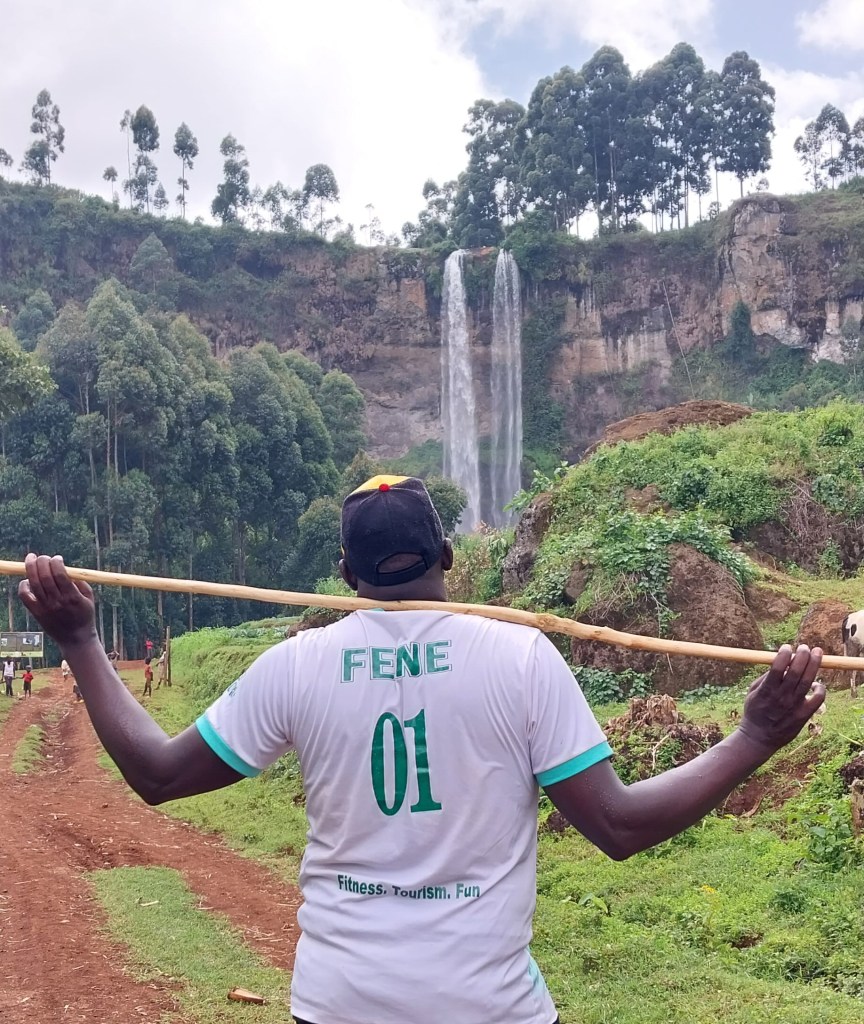
Hiking is an enjoyable hobby because it’s a sport that you can experience at your own pace. Getting in shape for hiking is necessary before hitting the trails. You don’t have to be an elite athlete to enjoy but you do need a moderate fitness level for hiking.

Obviously, the terrain dictates the required fitness level. Hiking on flat ground is different from hiking in the Rwenzori Ranges. Different postures and muscles are going to be used; different cardio and breathing are needed to keep a strong stamina.
If you know the type of terrain you’re going to explore , spend a month prior to heading out to condition your legs, back and cardio performance. It’ll make your journeys more enjoyable and memorable.

LEGS
To get the most pleasure from the adventure, you need to condition your legs for these extended journeys.

The key to training legs for hiking is to progress slowly and steady. You don’t have to go to the gym nor do any squats or lunges. These are large muscle groups that only respond to hard work and lots repetition.
Start every workout by stretching and warming up. Walk a short distance before each workout.
Begin walking around your neighborhood to get used to travelling longer distances. Start on short walks and gradually increase the distance.

A few days or weeks later, attempt a small hill to get the quads & hamstrings used to providing more uphill power. Stop when you need to catch your breath; take a break when your legs start to burn. Just as you would on a hiking trail, take breaks when needed.
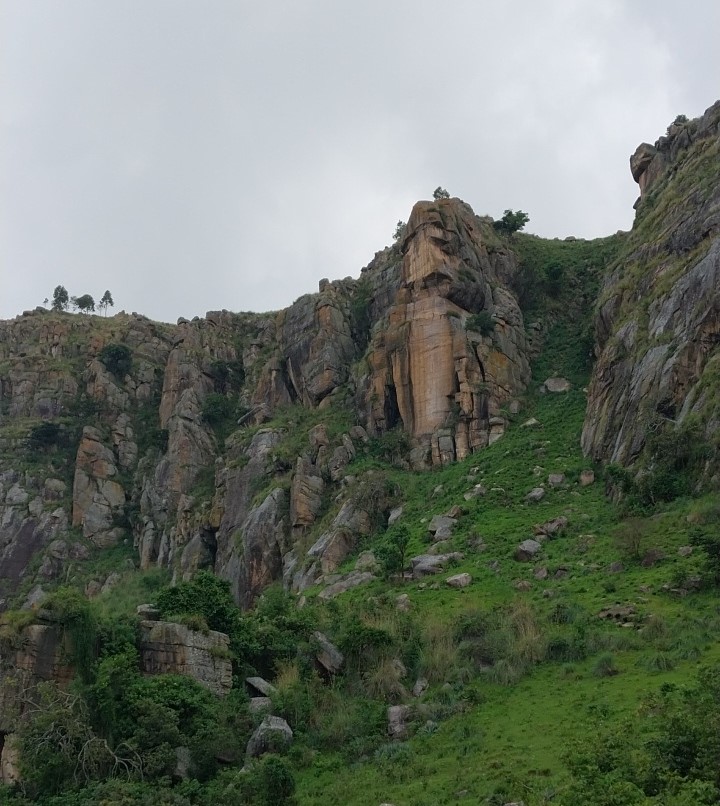
For more intensity, increase the length of your uphill climbs or challenge a steeper slope. This will not only strengthen your legs but also increase your cardiovascular performance as well. Take as many breaks as needed yet continue to challenge your physical limits.
By the way, you won’t be building leg muscles with these exercise but rather you’ll be increasing their strength & endurance. Walking backwards is not necessary to work the hamstrings.
CARDIO
You don’t need the cardio performance of a runner to enjoy a full hiking season. If the terrain you’re going to explore has a lot of elevation changes, you’ll have to increase your aerobic workout to be able to handle the uphill intensity.
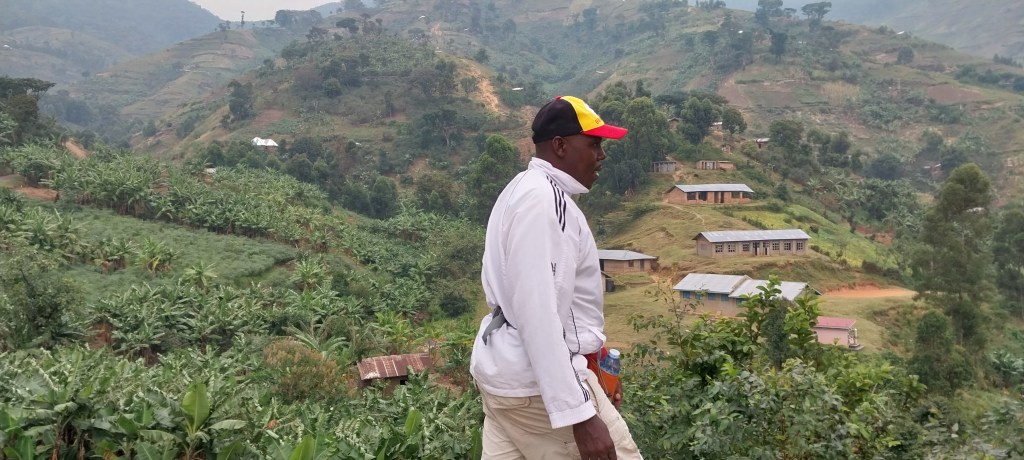
Jogging & running will quickly build up your cardio as will hill training. Normal walking on flat ground doesn’t lead to much improvement since your breathing rate doesn’t increase as much.
Stay hydrated! Drinking plenty of water keeps muscles strong and improves endurance.
You don’t need to run the equivalent distance of your hike. On your trek, you won’t be running the entire length but taking frequent breaks to recharge.

Interval training is an excellent way to improve breathing and performance . Sprint for 25 or 50 meters and then walk an equivalent distance.
A change in altitude will affect your performance. If you live a sea-level, you need even better cardio to perform at a higher altitude. For those living in high-altitudes, you’re going to benefit when you hike at sea-level (the effect only lasts about a few days until you’re acclimated, so challenge your buddy as soon as you get there).

At the start of the season, don’t go hiking to improve your cardio, otherwise you may get exhausted and stranded far from the trail head.
Practice makes perfect.
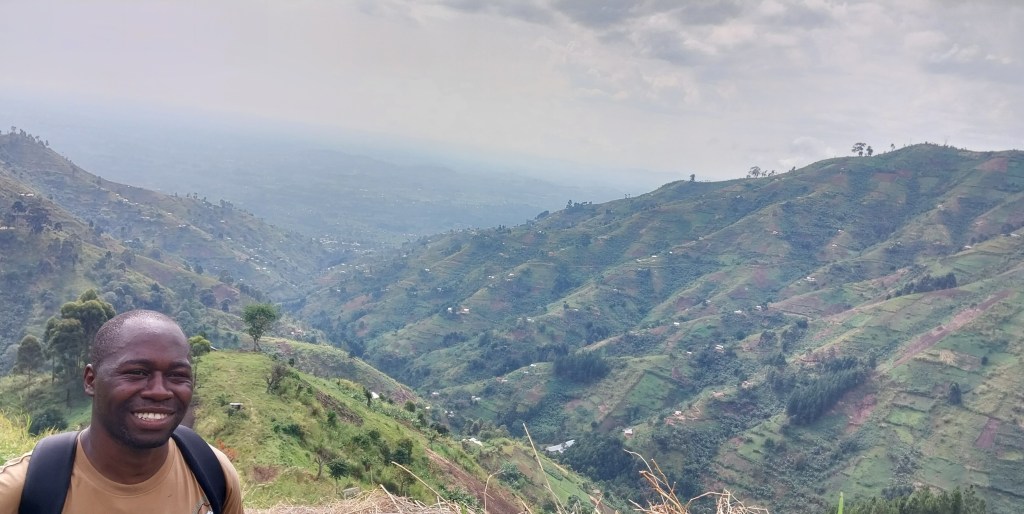
One of the best ways to improve at anything is to practice, and hiking is no different! The more you hike on rough terrain, the easier it will feel. This is for a few different reasons. First, you’ll improve your overall fitness level. Second, you’ll know what to look for when you’re hiking. Slippery rocks, tree roots, muddy areas… you’ll begin to navigate these problem areas much more easily the more you hike. This overall confidence boost will make hiking rough terrain feel much more manageable and help you feel lighter on your feet.
Poop before you go.
As we all know, everybody poops. As we also already know, hiking affects everyone’s body differently. For some people, the extra exercise gets their bowels moving in overdrive. Meanwhile, fellow hikers may feel like their intestines are turning into little cement factories. You may even experience both situations during multi-day hikes. The rule of thumb is to go to the bathroom before you start hiking. This will likely make you feel more nimble on your feet. It will also allow you to focus on the trail ahead of you rather than what’s happening in your gut.If you do find yourself in a crappy situation while on the trail, make sure to follow trail etiquette, and leave no trace behind. Move far away from any water sources, bury your creation, and pack out any tissues or toilet paper you may have used, or better use dry leaves.

Maintain a steady pace.
Unless you’re in a hiking competition, hiking should be done at a pace that is comfortable for you. Since everyone’s fitness level and body types are different, the best person to pace yourself with is you. This means that you finish the hike at the same speed that you started with and that you maintain this same speed throughout the entire hike. This will help fight the fatigue that can lead to accidents. Knowing what your pace is and sticking to it will also keep you from speeding up, which can increase your chances of tripping or slipping.
Eat throughout the hike.
When you’re hiking over rough terrain, there’s a high chance you’ll be concentrating heavily on the trail. If it’s a particularly long and grueling section, you may suddenly realize you’ve been hiking for hours without taking a break or having a snack. This could lead to a calorie deficit that causes your blood sugar to drop. When this happens, you may begin to feel a bit lightheaded, which can be very dangerous on uneven ground. Make sure to take the time to eat throughout the day. It doesn’t have to be big meals. In fact, it’s probably better if you’re just eating small portions throughout the hike and then eating a bigger dinner when you arrive at camp.

Tips When Going Down
It’s all downhill from here! These words bring dread into the minds of beginner hikers and experienced hikers alike. For many people, hiking downhill is much harder than going uphill. Your toes get squished in the front of your boots, your legs undergo tremendous strain, and you can end up with blackened toenails, painful blisters, and swollen joints. Needless to say, this shouldn’t be taken lightly.
Step heel first.
When you’re walking downhill on uneven terrain, make sure to step heel first. This will help keep your body weight centered and help prevent you from slipping, especially when you’re walking on loose gravel or soil.
Keep your knees bent.
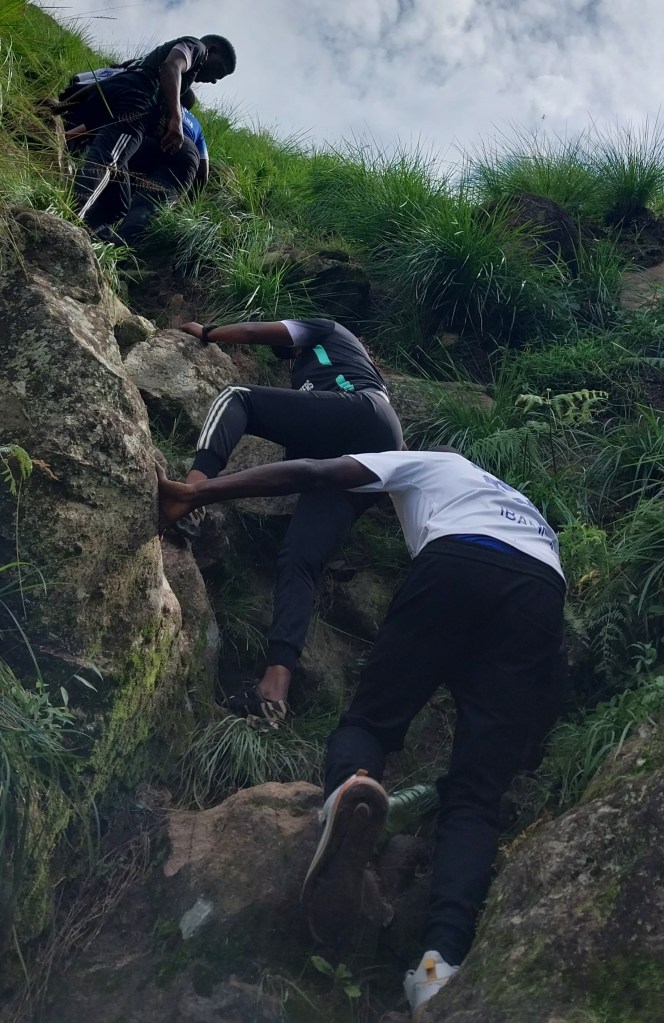
Keeping your knees slightly bent when you step down will help cushion each step. If you’re still struggling with knee pain, you may want to consider wearing a knee brace during the downhill sections of the trail. If in doubt, scramble or slide.If at any point you feel unsafe or unsteady going up or down a hiking trail, you simply need to scramble or slide. Scrambling entails using your hands to help pull yourself up a steep slope. This is great for moving your center of gravity closer to the Earth. You may find it much, much easier to cover larger distances with the same amount of energy. As you can imagine, sliding just means sitting down and figuring out how to get down. You can slide, crab walk, scooch, etc. The most important thing is that you can get through that section of trail safely. Yes, it may be embarrassing if you’re the only one doing it. But if it makes you feel more comfortable on the trail, it is definitely worth it!
Choosing the Right Hiking Gear
Choosing the right hiking gear can make an enormous impact on how well you can hike over rough terrain. If this is your first time hiking on a challenging trail, it’s a good idea to buy or borrow mid-range equipment to use. You can then upgrade to better-quality items later if this is something you really love doing.
Wear high-quality hiking shoes. When you go on any long trek over rough terrain, it is really important that you have high-quality, lightweight hiking boots. This doesn’t mean that you have to buy top-of-the-line shoes. Instead, it means that you choose the lightest shoes possible with a durable sole and enough support to protect your ankles and feet during the hike.
Wear hiking socks. The type of socks you wear matters just as much as the type of shoes you have. You may be able to get away with normal workout socks when you’re doing day hikes. However, every mile you put in makes your choice of socks more and more important. Your socks keep your feet dry and comfortable and should reduce the number of blisters that develop.
There are a few different types of high-quality hiking socks to choose from. You can either wear Merino wool socks or dual-layer socks. Merino wool socks are generally regarded as the creme de la creme of socks. They are very warm while still being relatively lightweight. Some of the most popular brands of Merino wool socks include Smartwool, Darn Tough, and REI. Depending on how often you hike, they can last decades.
Bring sandals. After a long day on the trails, your tootsies may be in major need of a break. Always have a pair of sandals to change into when you’re relaxing at the campsite. They can take pressure off of blisters or hotspots that developed while you were hiking, and they are much easier to change in and out of than your hiking boots. A pair of basic rubber flip-flops usually works well since they are lightweight. If you’re tight on space, you can shove them in the side compartments of your bag. Plus, they dry quickly, so they’re perfect shower shoes.
I hope you enjoyed reading, I am not yet a good writer about adventure but I hope I will be. I will be glad to meet you on one of the next hiking adventure activities.
Fort Portal is a tourism city and is the tourism capital of the region. It has unique options for hiking and trekking to the hidden destinations we have found and you can’t miss on these, check it out here; https://kitararcc.com/2024/02/09/fort-portal-trekking-and-hiking-options-with-the-planned-tourist/
Sabiiti Fenekansi Mwine Mbiire – The Planned Tourist.

 COMMUNITY BASED TOURISM DEVELOPMENT AT KITARA FOUNDATION FOR SUSTAINABLE TOURISM: Transforming Communities through Travel Partnerships. Email: kitararcc@gmail.com;