
Follow this link to become a member of Uganda Hiking Club and enjoy affordable and exciting travels and adventures. Whether you are a Ugandan or from any other country on the globe; https://ugandahikingclub.com/apply-for-membership/
Hiking Clubs is a new trend in promotion of local or domestic tourism that has saturated over Western Uganda as well as in other regions of the country.
Hiking clubs work closely with other Tourism Networks and Associations in Western Uganda to maximize the impact of Community Tourism on the region’s development. The aim is to Contributing to the National Strategic Goal of a sustainable tourism sector that helps to create jobs, increase income, improve livelihoods and preserve natural and cultural resources in the Region.
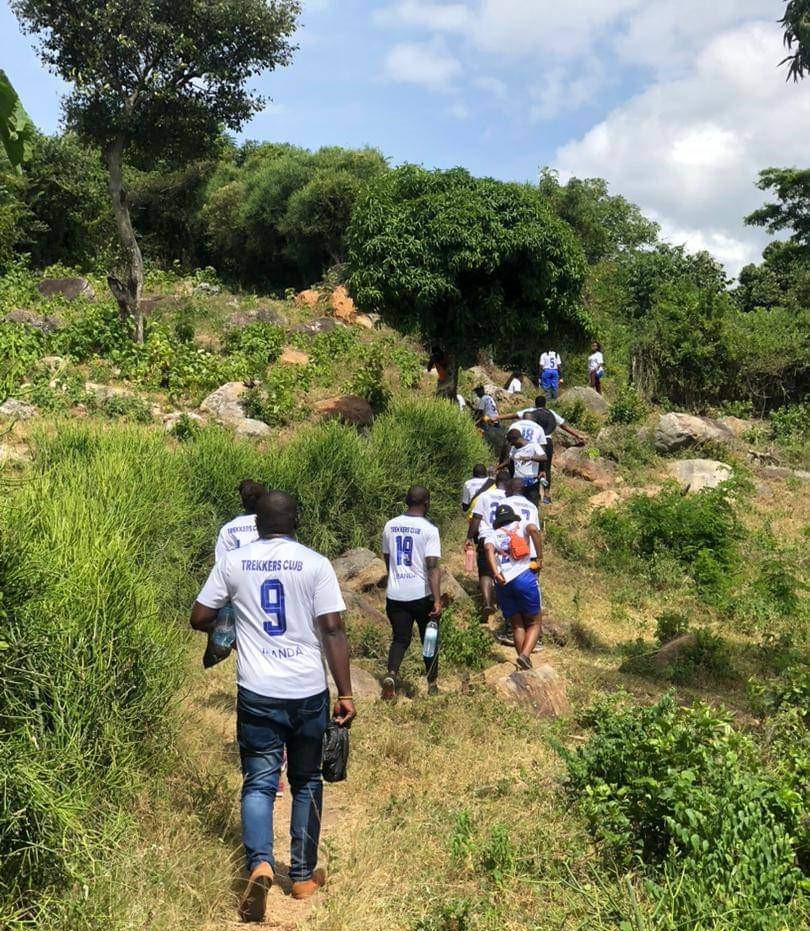
Hikers Clubs sometimes referred to as Trekkers Clubs and somewhere Walkers Clubs are changing the tourism trends in Western Uganda. Famous clubs in the region include; Trekkers Club of Ibanda, Fort Port City Walkers, Kasese Hikers Club, Rubirizi Hikers Club, Mbarara City Hikers and many upcoming clubs across districts of the region.

Hikers Clubs organize periodic hikes such as weekly or monthly, and their hike activities are cantered around Natural and cultural resources in the area which are normally excluded from the mainstream tourism such as waterfalls, crater lakes, forested areas, hills and mountains and major agricultural and farm initiatives.
Hiking Clubs take initiative to discover and bring such attractions to the forefront of tourism through regular visits and online marketing. As a result they increase visitations to these hidden treasures both by local and international travelers.
Places such as;
Nyakahondogoro caves in Ibanda https://kitararcc.com/2024/06/01/the-nyakahondogoro-house-of-prayer-of-all-nations-up-mabanga-hill/ ,
Mukazi Anyaara Waterfalls in Ibanda https://kitararcc.com/2024/04/17/ibanda-trekkers-club-in-partnership-with-national-water-and-sewerage-corporation-nwsc-launch-conservation-project-at-mukazi-anyaara-village-in-mabonwa-ibanda/,
Mahoma waterfalls in Fort Portal https://kitararcc.com/2023/06/23/a-trip-to-the-african-hydrotherapy-massage-of-mahoma-water-falls-in-uganda/ , Amabereganyinamwiru caves,
Cycads village in Mpanga gorge Kitagwenda https://kitararcc.com/2024/02/06/captivating-adventures-to-the-africas-cycad-villages-of-kyotamusana-and-karubuguma/ ,
Sebwe Waterfalls in Kasese https://kitararcc.com/2024/02/09/hike-to-the-stunning-natural-sebwe-waterfalls-in-the-rwenzori/ ,
Kima falls at Mapatha Village in Kasese https://kitararcc.com/2024/02/05/the-challenge-to-kiima-waterfalls-in-mapatha-village-in-the-mountains-of-the-moon/ ,
Kololo waterfalls in Kasese https://kitararcc.com/2023/09/27/trip-to-the-stunning-natural-beautiful-waterfalls-of-kororo-in-western-uganda/ ,
Ngite waterfalls in Bundibugyo https://kitararcc.com/2024/07/03/a-cultural-adventure-trip-to-the-magical-hot-springs-and-waterfalls-of-uganda/ , Kyegegwa waterfalls,
Rwagimba hotsprings https://kitararcc.com/2023/06/23/the-mystical-challenge-to-rwagimba-rwajimba-hot-springs-in-uganda/ ,
And crater lakes excursions in Fort Portal and Kabarole among others have gained prominence and visitation in the recent years by influence of Hikers Clubs.

Hiking Clubs have made a huge contribution in mobilizing for domestic tourism through organizing travel events by their members across the region. Some Clubs haver over 200 registered members something that makes it possible for a club to have monthly tourism travels.
Hiking Clubs develop ownership of these natural resources, they work hard towards conservation of the resources and adding value to the resources. They mobilize local communities around these resource as the owners and beneficiaries. As a result local communities have started to gain from tourism industry and are continuing to develop love for them, hence most communities are now taking part in conservation activities around these resources.
Hiking clubs have started locating each other and coming together in networks and exchange visits across districts, something that has increased visibility of the clubs in the region. In doing such, the multiplier effect is eminent as most communities across the region are adopting this trend.
“It’s time to unite our passion for hiking! Let’s bring together multiple organized hiking clubs under one umbrella, creating a stronger, more vibrant hiking community across the region”. Said by Mr Eriya Divasi the president of Trekkers Club of Ibanda.
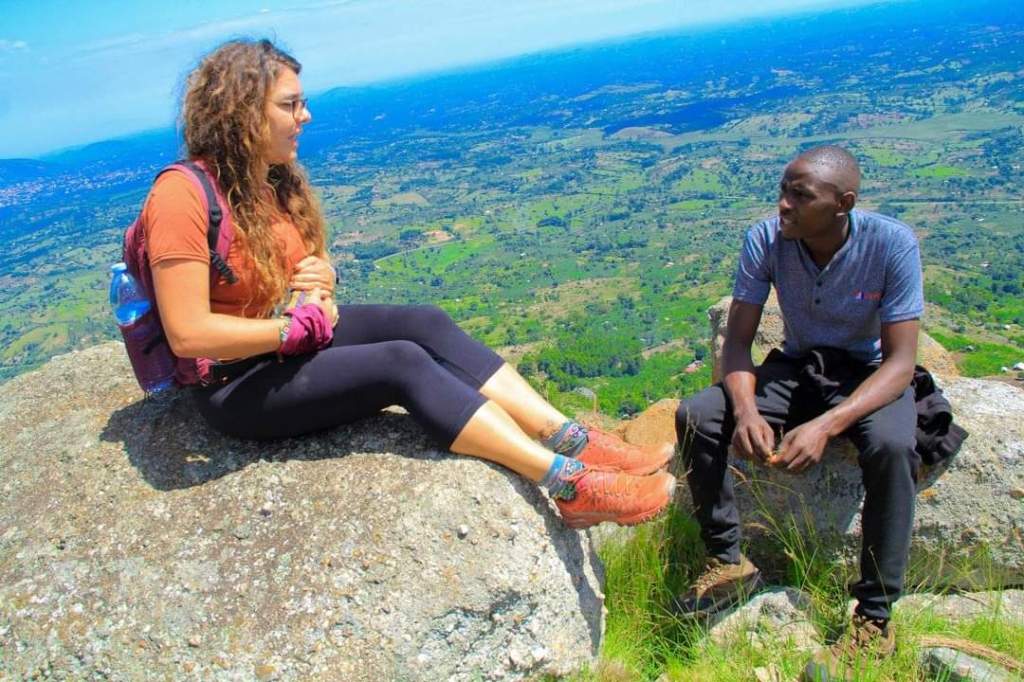
The initiative of Hikers clubs coming together is enabling participants to:
- Coordinate trips and events more efficiently
- Share resources and expertise
- Explore new trails and destinations together
- Support and motivate each other
- Promote hiking and outdoor enthusiast activities in in the region.
- Discover and document natural and cultural tourism destinations

“Let us continue to push for our goal of A Hikers Club in every district of Western Uganda”. Sabiiti Mwine Mbiire the founder of Kitara Foundation for Regional Tourism commented. Kitara Foundation for Regional Tourism is a local organization aimed at championing local and community tourism across the region and through Hikers Clubs the goals of Kitara Foundation are easily achieved through Networking and Collaboration across districts. “Through adventure activities we are able to express love and passion for our country, let’s continue to travel our country, explore more about it, protect it and its natural resources from any harm”. Mwine Mbiire stressed. “Our country is beautiful, the more you travel it the more you discover much about its beauty and the more the love for the country grows. If you want to teach Ugandans to love their country, do not close them in class to learn this, take them out there in the country side and show them how beautify the country is. They will develop natural love for what they see, in the end they stand boldly to defend and to care for their country”. Sabiiti added.

A strong Hiking Community can cause a great impact on the National Tourism Industry, increase foreign income to communities and maximise tourism benefits to the local communities. “Uniting our passion for hiking under one umbrella will undoubtedly create a powerhouse of adventure enthusiasts in Western Uganda. I’m thrilled to see Ibanda Trekkers, Fort Portal City Walkers, Kasese Hikers, Rubirizi Hikers, and Mbarara City Hikers and others coming together to achieve this vision. The goal of having a Hikers Club in every district of Western Uganda is ambitious and exciting! Through our collective efforts, we can promote tourism, support local communities, and protect our country’s natural beauty”. Said Mr Divas the president of the Trekkers Club of Ibanda while organizing the launch of Mbarara City Hikers Club, the event that would pull together all Hikers clubs in the region. The main hiking point for the launch of Mbarara City Hikers Club would be Biharwe Hill in the outskirts of Mbarara City. The launch planned to include a visit to Igongo Cultural Centre, Great lakes Museum and the Ankole Cultural King’s Palace would be a signature event for the Hikers clubs in the region.
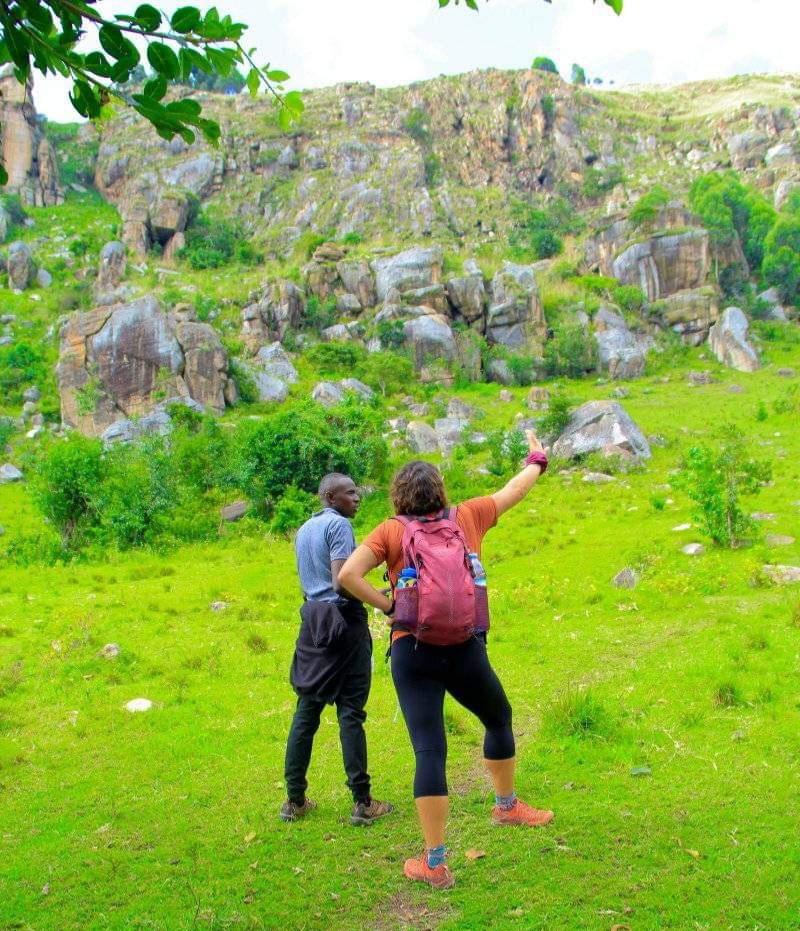
“Biharwe Peak is an iconic meeting point, and I’m looking forward to joining forces with fellow hikers and adventure seekers. Let’s continue to explore, protect, and showcase the best of Western Uganda. Together, we can make a significant impact on the National Tourism Industry”. Mr Divas Concluded.
Kitara Foundation for Regional Tourism in its efforts for promoting responsible travel in the region https://kitararcc.com/community-based-tourism/ is Committed to spearheading the movement of the Hikers Clubs across the region and will work closely with the clubs to attract several development partners in the country to build partnership and synergy around this cause for great impact on the target communities.
“Through Hiking Clubs we have made travel possible for everyone who wants to travel and we have made tourism come alive in the minds of every Ugandan. Through Hikers Clubs travel is no longer a thing of the Muzungu, Ugandans are enjoying traveling their country because it is now affordable to all. When travel is offered at low cost everyone wants to travel than before, and as Hikers clubs in the region this is our promise”. Says Mr Derick the President of the Kasese Hikers Club.

The need for a united front of Hikers Clubs in Western Uganda comes a few days to the Commemorations of World Tourism Day for which the National event would be in Kasese district in the same region. For World Tourism Day Commemoration, Kitara Foundation for Regional Tourism planned a week long activities taking participants both domestic and international travelers to eight (8) best local destinations in the region https://kitararcc.com/2024/06/12/world-tourism-day-2024-travels-to-the-hidden-uganda/
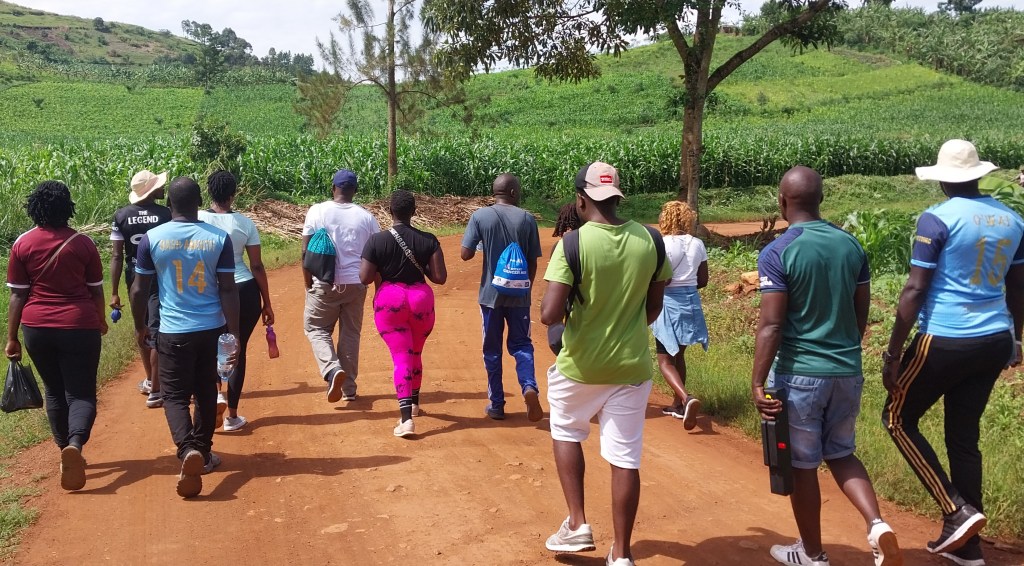
Our Mission of Contribute to the transformation of the Tourism and hospitality industry in Western Uganda through Product development, Networking, Marketing, building linkages and community participation in the regional Tourism development and Conservation industry will be fulfilled with full participation of the hikers clubs in the region. We aim at investing in local growth, the well-being of local people and the health of the local economy. The end result is the tourism industry that benefits the local people, the visitors and the national economy.
There is a huge potential of tourism in the local communities with local people developing, documenting and showcasing their natural resources, their daily life, their cultural heritage, customs and traditions. This type of tourism based in rural communities has proven to attract huge numbers of tourists because it gives them an opportunity to make bonds with communities they visit through participation in daily life and service provision.
Community Based Tourism development is therefore at the core of our operations. We focus on rural areas affected most by decline in the capacity of agriculture. Degeneration of the countryside is prevented and cultural heritage preserved by raising supplementary family income through tourism.
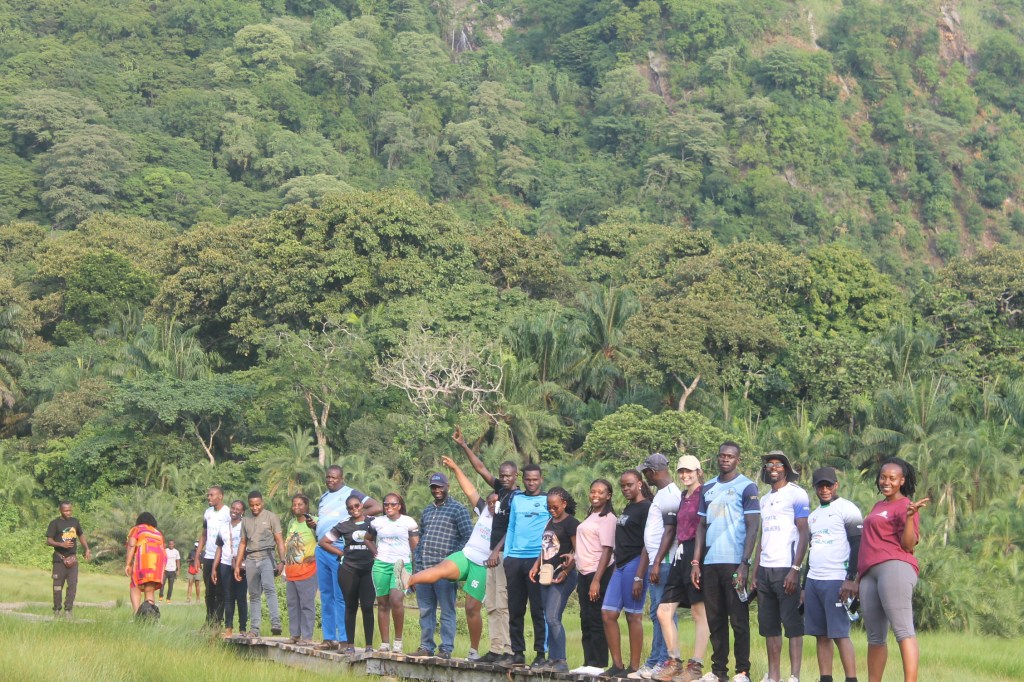
We focus on identifying potential tourism sites and activities, building community capacity through education and creating demand through marketing and packaging.
Our emphasis is on the tourism sector’s huge potentiality of steering the economic development to bridge the gap between the people who come from small communities and big cities / towns in this region. How can we help rural communities to grow into large Tourism destinations in this region?
Key Principles in the work of the Hikers Clubs:
The keys to a successful Community Based Tourism program for the hikers clubs are in five principles
1) Collaborate; Work with local communities around identified tourism products and destinations to develop, protect and manage the tourism sites
2) Find the fit between a community and tourism; Every community in Uganda is a potential tourism destination, every work is a potential tourism product, and everyone is a potential tourism entrepreneur.
3) Make tourism sites and programs come alive; Communities in Western Uganda are gifted with Natural Resources, varied cultural experiences, all which are potential tourism destination.
4) Focus on quality and authenticity; We work with communities to add value to the the natural tourism attractions, initiate additional attractions and products, and empower communities to take responsibility.
5) Preserve and protect resources; We work with communities to take responsible use of natural resources and to guard them against degradation and misuse.

We believe in a sense that every community is a potential tourism destination and every citizen is a potential business partner to be trained in small business management, environmental awareness, product development and marketing. This type of ‘people-centered’ tourism is promoting a sense of ‘ownership’ which augurs well for the industry’s sustainability.
Through training, local people will come to appreciate their culture, way of life and rural environment as valuable assets in tourism development. Community Based tourism involves local people in planning, decision-making and implementation of tourism products. This form of tourism assures that the benefits stay as much as possible in the local community.
Community Based Tourism is a form of sustainable tourism that allows visitors to connect closely with the communities they visit. This emerging form of travel gives guests authentic experiences, while allowing revenue generated to remain in the often rural, poor, or economically marginalized community. The communities run these tourism enterprises that provide services such as village tours, nature walks, cultural performances, and foods on their own initiatives.
Community ecotourism is a particular facet of community based tourism, where at least some of the experiences are natural resource-based. Community ecotourism benefits both environmental conservation and local communities, the former generating financing for the management of the natural resource area.

To support the cause of the Hikers Club movement send us your feedback through the comment section bellow;

 COMMUNITY BASED TOURISM DEVELOPMENT AT KITARA FOUNDATION FOR SUSTAINABLE TOURISM: Transforming Communities through Travel Partnerships. Email: kitararcc@gmail.com;