
Western Uganda is home to a rich cultural heritage and a plethora of historical sites that showcase the region’s fascinating past. Here are some of the historical and cultural wonders of Western Uganda that are significant tourism assets:
1. Historical Wonders of Western Uganda
Historical wonders refer to sites, monuments, buildings, or artifacts that are significant to the past and have been preserved or restored for their historical importance. These wonders often provide a tangible connection to the past, allowing people to learn about and appreciate the events, people, and cultures that shaped history. Examples of historical wonders include:
- Historical buildings, such as the Kingdom palaces
- Monuments, such as the Statue of colonial leaders
- Archaeological sites, such as Stone age sites
The Earliest Man (the stone age man) lived in Western Uganda
The earliest man lived in Western Uganda around 60,000-50,000 B.C. This was the early Stone Age man known as Homo erectus. Traces of Homo erectus in Western Uganda were found at a place called Nsongezi in Ankole. He had the knowledge of making and using stone tools, especially the hand axe. Between 50,000 and 15,000 B.C, there emerged the middle Stone – Age man. During this period, man invented fire and more stone tools and began to become widely distributed. In Uganda, sites of the Middle Stone – Age man can be traced only at Nsongezi and Sango Bay.
The development of the present man is said to have taken place during the period 10,000 to 1,500 B.C. This falls within the Late Stone – Age period which is said to have lasted between some five hundred to six hundred years but traces of which still exist in most African societies. Between A.D. 500 and 1,500, other people began to migrate to Uganda from different parts of Africa. The first and largest group of such people was the Bantu. The earliest surviving inhabitants the Bantu found in Uganda are the pygmaean, Batwa and the Bambuti mostly found in this region.
2. Cultural Wonders
Cultural wonders refer to sites, events, or practices that are significant to a particular culture or community, and are often preserved or celebrated for their cultural importance. These wonders can include traditional music, dance, art, festivals, or other cultural expressions that are unique to a particular region or community. Examples of cultural wonders include:
- Traditional festivals, such as the Empaako festival of Tooro
- Cultural ceremonies, such as the Theluji Festival of Bakonzo
- Traditional music and dance, such as the African drumming
- Cultural landmarks, such as the Royal palaces
In the context of Western Uganda, historical wonders might include sites like the King’s Trail or the Karambi Royal Tombs, while cultural wonders might include traditional festivals like the Empango Festival or cultural practices like the Batwa Cultural Trail.
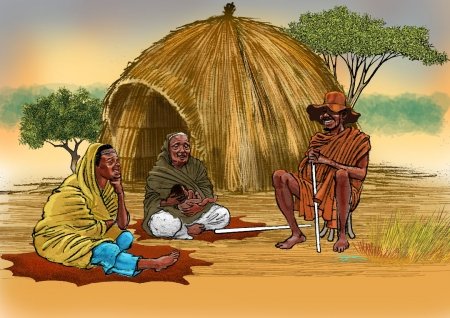
The three dynasties as cultural wonders and tourism assets in Western Uganda:
1. Batembuzi Dynasty
The Batembuzi dynasty is a legendary dynasty that ruled over the region of Western Uganda, particularly in the areas now known as Toro, Bunyoro, and Ankole. According to legend, the Batembuzi were a group of demigods who descended from the heavens and established their rule over the region.
As a cultural wonder, the Batembuzi dynasty is significant because it represents the rich cultural heritage of the region. The dynasty is associated with many myths and legends that have been passed down through generations, providing a unique insight into the traditional beliefs and practices of the local people.
As a tourism asset, the Batembuzi dynasty offers many exciting opportunities for visitors. Tourists can visit the sacred sites associated with the dynasty, such as the Batembuzi shrine in Fort Portal, and learn about the myths and legends surrounding the dynasty. Visitors can also experience the traditional music, dance, and crafts of the local people, which are deeply rooted in the cultural heritage of the Batembuzi dynasty. Some interesting stories that tourists would be happy to hear about the Batembuzi dynasty include:
- The legend of the Batembuzi’s descent from the heavens and their establishment of rule over the region.
- The story of the Batembuzi’s magical powers and their ability to communicate with the gods.
- The tale of the Batembuzi’s role in the creation of the lakes and rivers of the region.
2. Bacwezi Dynasty
The Bacwezi dynasty is another legendary dynasty that ruled over the region of Western Uganda. According to legend, the Bacwezi were a group of powerful kings who ruled over the region with wisdom and justice.
As a cultural wonder, the Bacwezi dynasty is significant because it represents the rich cultural heritage of the region. The dynasty is associated with many myths and legends that have been passed down through generations, providing a unique insight into the traditional beliefs and practices of the local people.
As a tourism asset, the Bacwezi dynasty offers many exciting opportunities for visitors. Tourists can visit the sacred sites associated with the dynasty, such as the Bacwezi shrine in Mbarara, and learn about the myths and legends surrounding the dynasty. Visitors can also experience the traditional music, dance, and crafts of the local people, which are deeply rooted in the cultural heritage of the Bacwezi dynasty. Some interesting stories that tourists would be happy to hear about the Bacwezi dynasty include:
- The legend of the Bacwezi’s magical powers and their ability to control the forces of nature.
- The story of the Bacwezi’s role in the creation of the hills and mountains of the region.
- The tale of the Bacwezi’s wise and just rule over the region.
3. Babiito Dynasty
The Babiito dynasty is a royal dynasty that ruled over the Kingdom of Toro in Western Uganda. The dynasty was founded in the 19th century and has produced many notable kings, including King Kaboyo, who played a key role in the development of the kingdom.
As a cultural wonder, the Babiito dynasty is significant because it represents the rich cultural heritage of the Kingdom of Toro. The dynasty is associated with many myths and legends that have been passed down through generations, providing a unique insight into the traditional beliefs and practices of the local people.
As a tourism asset, the Babiito dynasty offers many exciting opportunities for visitors. Tourists can visit the royal palace in Fort Portal and learn about the history and culture of the dynasty. Visitors can also experience the traditional music, dance, and crafts of the local people, which are deeply rooted in the cultural heritage of the Babiito dynasty. Some interesting stories that tourists would be happy to hear about the Babiito dynasty include:
- The legend of the Babiito’s origins and their rise to power in the Kingdom of Toro.
- The story of King Kaboyo’s wise and just rule over the kingdom.
- The tale of the Babiito’s role in the development of the Kingdom of Toro and their contributions to the region’s rich cultural heritage.
The cultural wonders of the four kingdoms in Western Uganda:
1. Bunyoro Kitara Kingdom
The Bunyoro Kitara Kingdom is one of the oldest and most revered kingdoms in Western Uganda. The kingdom has a rich cultural heritage, with a strong emphasis on tradition and customs. Some of the cultural wonders of the Bunyoro Kitara Kingdom include:
- The Omukama’s Palace: The palace of the king is a magnificent structure that showcases the kingdom’s rich cultural heritage.
- The Bunyoro Kitara Museum: The museum is home to a vast collection of artifacts and relics that tell the story of the kingdom’s history and culture.
- The Empaako Ceremony: The Empaako ceremony is an important cultural ritual that is performed to honor the kingdom’s ancestors.
Tourists to the region of Western Uganda will be interested to know:
- The legend of the Batembuzi, the mythical founders of the kingdom.
- The story of the Omukama’s role in the kingdom’s history and culture.
- The significance of the Empaako ceremony and its importance in the kingdom’s cultural heritage.
2. Tooro Kingdom
The Tooro Kingdom is another ancient kingdom in Western Uganda, known for its rich cultural heritage and stunning natural beauty. Some of the cultural wonders of the Tooro Kingdom include:
- The Royal Palace: The palace of the king is a beautiful structure that showcases the kingdom’s rich cultural heritage.
- The Karambi Royal Tombs: The tombs are the final resting place of the kingdom’s former kings and are an important cultural site.
- The Batembuzi Shrine: The shrine is a sacred site that is believed to be the dwelling place of the kingdom’s ancestors.
Tourists to the region will be interested to know:
- The legend of the Batembuzi, the mythical founders of the kingdom.
- The story of the kingdom’s history and culture, including its role in the region’s colonial past.
- The significance of the Karambi Royal Tombs and the Batembuzi Shrine in the kingdom’s cultural heritage.
3. Ankole Kingdom
The Ankole Kingdom is a traditional kingdom in Western Uganda, known for its rich cultural heritage and stunning natural beauty. Some of the cultural wonders of the Ankole Kingdom include:
- The Royal Palace: The palace of the king is a beautiful structure that showcases the kingdom’s rich cultural heritage.
- The Muhwezi Shrine: The shrine is a sacred site that is believed to be the dwelling place of the kingdom’s ancestors.
- The Ekitagururo Dance: The dance is a traditional cultural performance that is performed during important ceremonies and celebrations.
Tourists to the region will be interested to know:
- The legend of the Bachwezi, the mythical founders of the kingdom.
- The story of the kingdom’s history and culture, including its role in the region’s colonial past.
- The significance of the Muhwezi Shrine and the Ekitagururo Dance in the kingdom’s cultural heritage.
4. Kigezi Cultural Facts
Kigezi is a region in southwestern Uganda, known for its stunning natural beauty and rich cultural heritage. Some of the cultural wonders of Kigezi include:
- The Batwa Cultural Trail: The trail is a cultural tour that allows visitors to learn about the traditional way of life of the Batwa people.
- The Bakiga Cultural Museum: The museum is home to a vast collection of artifacts and relics that tell the story of the Bakiga people’s history and culture.
- The Queen Muhumuza and Nyabingi religious facts: Nyabingi is a traditional cultural belief in gods was expected to be good of wealth
Tourists to the region will be interested to know:
- The legend of the Batwa people, who are believed to be the original inhabitants of the region.
- The story of the Bakiga people’s history and culture, including their traditional way of life.
- The significance of Queen Muhumuza of Nyabingi legendary on region’s cultural heritage.
The traditional wonders of the People of Western Uganda:
1. Bakiga People of Kigezi
Cultural wonders: Religious practices such as “okubandwa”, Bakiga traditional dance, traditional foods, and traditional crafts like basketry and pottery.
Traditional wonders: The Bakiga people’s expertise in farming and irrigation, their traditional homes made of grass and mud, and their vibrant markets.
Tourism asset: Visitors can experience the traditional Mukiga homestead, learn traditional Bakiga dances, and explore the region’s beautiful scenery.
2. Bafumbira People of Kigezi
Cultural wonders: Traditional Fumbira dance, storytelling, and traditional crafts like woodcarving.
Traditional wonders: The Bafumbira people’s expertise in hunting and gathering, their traditional homes made of grass and mud, and their vibrant markets.
Tourism asset: Visitors can experience the traditional Fumbira dance, learn about the region’s history and culture through storytelling, and explore the region’s beautiful scenery.
3. Banyankore People of Ankole
Cultural wonders: Traditional Ankole dance, Ekitagururo dance, and traditional crafts like basketry and pottery.
Traditional wonders: The Banyankore people’s expertise in cattle herding, their traditional homes made of grass and mud, and their vibrant markets.
Tourism asset: Visitors can experience the traditional Ankole dance, learn about the region’s history and culture, and explore the region’s beautiful scenery.
4. Bahima Pastoralists
Cultural wonders: Traditional Bahima dance, storytelling, and traditional crafts like jewelry-making.
Traditional wonders: The Bahima people’s expertise in cattle herding, their traditional homes made of grass and mud, and their vibrant markets.
Tourism asset: Visitors can experience the traditional Bahima dance, learn about the region’s history and culture through storytelling, and explore the region’s beautiful scenery.
5. Abeiru Agriculturalists of Ankole
Cultural wonders: Traditional Abeiru dance, storytelling, and traditional crafts like basketry and pottery.
Traditional wonders: The Abeiru people’s expertise in farming, their traditional homes made of grass and mud, and their vibrant markets.
Tourism asset: Visitors can experience the traditional Abeiru dance, learn about the region’s history and culture through storytelling, and explore the region’s beautiful scenery.
6. Bakonzo People of Rwenzori
Cultural wonders: Traditional Bakonzo dance, storytelling, and traditional crafts like woodcarving.
Traditional wonders: The Bakonzo people’s expertise in hunting and gathering, their traditional homes made of grass and mud, and their vibrant markets.
Tourism asset: Visitors can experience the traditional Bakonzo dance, learn about the region’s history and culture through storytelling, and explore the region’s beautiful scenery, including the Rwenzori Mountains.
7. Basongora People
Cultural wonders: Traditional Basongora dance, storytelling, and traditional crafts like jewelry-making.
Traditional wonders: The Basongora people’s expertise in cattle herding, their traditional homes made of grass and mud, and their vibrant markets.
Tourism asset: Visitors can experience the traditional Basongora dance, learn about the region’s history and culture through storytelling, and explore the region’s beautiful scenery.
8. Batwa People and Other Pygmies
Cultural wonders: Traditional Batwa dance, storytelling, and traditional crafts like basketry and pottery.
Traditional wonders: The Batwa people’s expertise in hunting and gathering, their traditional homes made of grass and mud, and their vibrant markets.
Tourism asset: Visitors can experience the traditional Batwa dance, learn about the region’s history and culture through storytelling, and explore the region’s beautiful scenery.
9. Batagwenda and Banyaruguru
Cultural wonders: Traditional Batagwenda and Banyaruguru dance, storytelling, and traditional crafts like woodcarving.
Traditional wonders: The Batagwenda and Banyaruguru people’s expertise in farming and hunting, their traditional homes made of grass and mud, and their vibrant markets.
Tourism asset: Visitors can experience the traditional Batagwenda and Banyaruguru dance, learn about the region’s history and culture through storytelling, and explore the region’s beautiful scenery.
10. Batooro People
Cultural wonders: Traditional Batooro dance, storytelling, and traditional crafts like basketry and pottery.
Traditional wonders: The Batooro people’s expertise in farming and irrigation, their traditional homes made of grass and mud, their vibrant markets, and their rich tradition of drumming and music.
Tourism asset: Visitors can experience the traditional Batooro dance, learn about the region’s history and culture through storytelling, explore the region’s beautiful scenery, and attend a traditional drumming and music performance.
11. Banyoro People
The Banyoro people, located in western Uganda, are a treasure trove of cultural wonders and traditional practices. Their rich heritage is a significant tourism asset, offering visitors a unique glimpse into their customs, rituals, and daily life.
Cultural Wonders
Naming Ceremonies: The Banyoro have a fascinating naming tradition. Children are given a personal name and a traditional “empako” name, usually after three months for boys and four months for girls. This ceremony is an essential part of their cultural identity
Greeting Customs: The Banyoro have a unique way of greeting each other, using pet names called “empako.” When relatives meet, the younger person sits on the elder’s lap and touches their chin and forehead with their right hand
Royal Protocol: The Banyoro have a rich history of monarchs, and their royal protocol is still observed today. Visitors can experience the traditional way of greeting the king, known as “okurata”
Traditional Wonders
Traditional Clothing: The Banyoro are known for their vibrant traditional clothing, which is an essential part of their cultural heritage. Visitors can see the intricate designs and patterns that adorn their clothing
Music and Dance: The Banyoro have a rich tradition of music and dance, which is an integral part of their cultural celebrations. Visitors can experience the energetic and lively performances that showcase their cultural heritage
Cuisine: The Banyoro have a unique cuisine that reflects their cultural heritage. Visitors can sample traditional dishes such as millet bread, potatoes, and beans, which are staples of their diet
Tourism Assets
Cultural Tours: Visitors can take guided cultural tours to experience the Banyoro’s rich cultural heritage. These tours offer a unique glimps
Traditional Performances: Visitors can attend traditional performances, such as music and dance shows, which showcase the Banyoro’s vibrant cultural heritage.
Homestays: Visitors can stay with local families and experience the Banyoro’s warm hospitality. This offers a unique opportunity to learn about their customs and traditions firsthand.
Overall, the Banyoro people’s cultural wonders and traditional practices are a significant tourism asset, offering visitors a unique and enriching experience.
e into their customs, rituals, and daily life.
Other cultural and traditional wonders of Western Uganda:
1. Long Horned Ankore Cows
The Long Horned Ankore cows are an iconic symbol of Western Uganda’s rich cultural heritage. These magnificent creatures are known for their distinctive long horns, which can grow up to 2 meters (6.6 feet) in length.
As a tourism wonder, the Long Horned Ankore cows offer a unique opportunity for visitors to experience the traditional livestock practices of the region. Visitors can take a guided tour to learn about the history and significance of these iconic cows, and even get a chance to see them up close.
2. Cultural Sites of Western Uganda
Western Uganda is home to numerous cultural sites that showcase the region’s rich cultural heritage. Some of the notable cultural sites include:
- The Karambi Royal Tombs, which are the final resting place of the kings of Toro.
- The Batembuzi Shrine, which is a sacred site believed to be the dwelling place of the gods.
- The Muhwezi Shrine, which is a sacred site believed to be the dwelling place of the ancestors.
- The caves of Ankole such as Nyakahondogoro caves and Mugore rocks
- The Kigdom palaces of Bunyoro, Tooro, Ankole and Rwenzururu
As tourism wonders, these cultural sites offer a unique opportunity for visitors to learn about the history and culture of the region. Visitors can take a guided tour to explore these sites and gain a deeper understanding of the region’s rich cultural heritage.
3. Traditional and Cultural Foods of Western Uganda
Western Uganda is known for its delicious traditional and cultural foods, which are often made from locally-sourced ingredients. Some of the notable traditional foods include:
- Matooke, which is a staple dish made from steamed or boiled green bananas.
- Muhogo, which is a dish made from steamed or boiled cassava.
- Muchomo, which is a dish made from roasted meat, often served with vegetables.
- Eshabwe commonly used by Banyankole
- Ferinda a type of sauce made from beans commonly among Batooro and Banyoro
- Omukaro which meat roasted before cooking
- Akaro which millet bread
- Sombe a type of sauce made out of cassava leaves common among Bakonzo
- A host of beverages such as tonto, omuramba, obushera
As tourism wonders, these traditional and cultural foods offer a unique opportunity for visitors to experience the local cuisine. Visitors can take a cooking class to learn how to prepare these dishes, or visit local markets to sample the local cuisine.
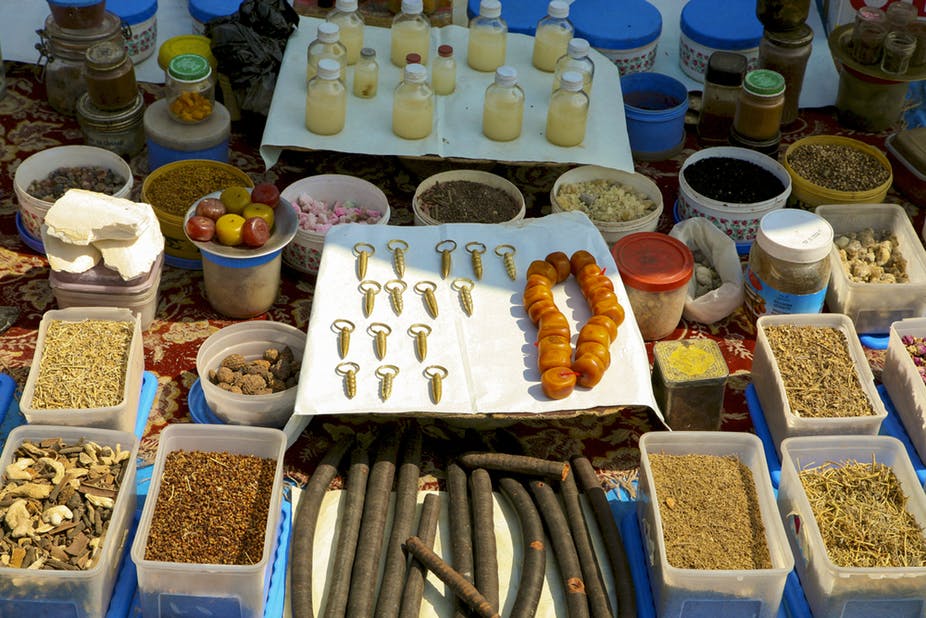
4. Use of Traditional Medicine and Witchcraft in Western Uganda
Traditional medicine and witchcraft are still practiced in Western Uganda, and offer a unique opportunity for visitors to learn about the region’s traditional healing practices. Some of the notable traditional healing practices include:
- The use of herbal remedies to treat various ailments.
- The use of spiritual healing practices, such as prayer and divination.
As tourism wonders, these traditional healing practices offer a unique opportunity for visitors to learn about the region’s traditional healing practices. Visitors can take a guided tour to learn about these practices, and even get a chance to see them in action.
5. Other Cultural Practices of Western Uganda
Western Uganda is home to numerous cultural practices that are unique to the region. Some of the notable cultural practices include:
- Traditional marriage ceremonies, which often involve the exchange of gifts and the performance of traditional dances.
- Traditional religious practices, such as the worship of ancestral spirits.
- Traditional social practices, such as the importance of community and respect for elders.
As tourism wonders, these cultural practices offer a unique opportunity for visitors to experience the local culture. Visitors can attend a traditional marriage ceremony, visit a local church or shrine, or participate in a community-based tourism project to learn about these cultural practices.
Experience the Vibrant Cultural Heritage of Western Uganda!
Are you ready to immerse yourself in the rich cultural heritage of Western Uganda? Look no further! This incredible region is home to a diverse array of cultures, each with its own unique traditions, customs, and practices.
From the majestic kingdoms of Toro and Ankole, to the vibrant cultures of the Bakiga, Banyankore, and Basongora, Western Uganda is indeed a treasure trove of cultural wonders.
Experience the warm hospitality of the local people, and learn about their traditional ways of life. Visit the historic sites, such as the Karambi Royal Tombs and the Batembuzi Shrine, and discover the rich history and cultural significance of the region.
Attend a traditional ceremony or festival, such as the Empango ceremony or the Rwenzori Theliji Festival, and witness the vibrant cultural heritage of Western Uganda firsthand.
But Western Uganda’s cultural wonders are not just for tourists! We also invite the people of Uganda to come and experience the rich cultural heritage of this incredible region.
As Ugandans, it’s essential that we preserve and promote our cultural heritage for future generations. By visiting Western Uganda and experiencing its cultural wonders, you’ll not only be learning about cultural heritage, but also supporting the local communities and contributing to the preservation of these precious cultural traditions.
So why not come and experience the cultural wonders of Western Uganda for yourself? Whether you’re a local or an international traveler, this incredible region has something for everyone.
Plan Your Trip Today!
Contact us to book your trip, or visit our website for more information on the cultural wonders of Western Uganda. Let’s work together to preserve and promote the cultural heritage of Western Uganda!
Join the Movement!
Share your experiences and photos of Western Uganda’s cultural wonders on social media using the hashtag #WesternUgandaCulturalWonders.
Let’s celebrate and promote the rich cultural heritage of Western Uganda! We look forward to welcoming you to the region!

 COMMUNITY BASED TOURISM DEVELOPMENT AT KITARA FOUNDATION FOR SUSTAINABLE TOURISM: Transforming Communities through Travel Partnerships. Email: kitararcc@gmail.com;