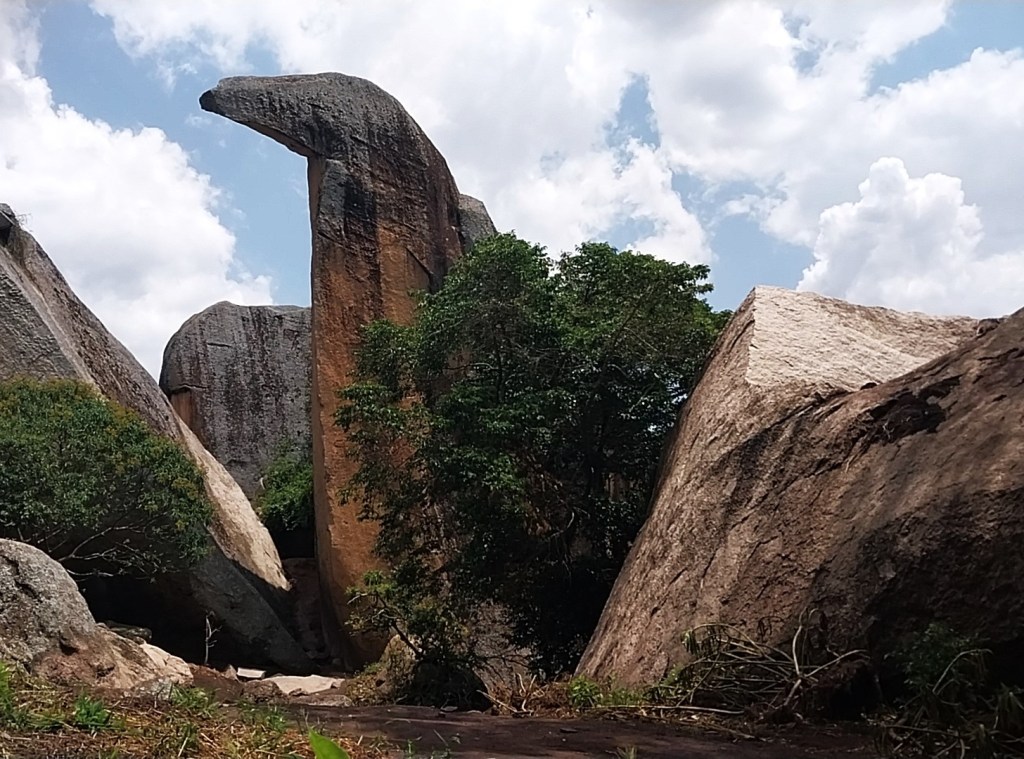
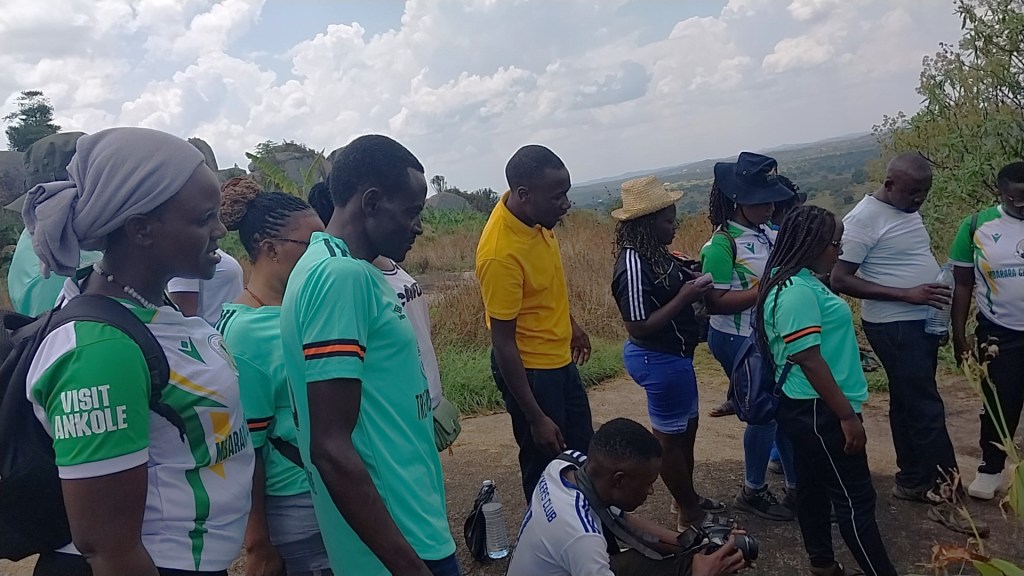
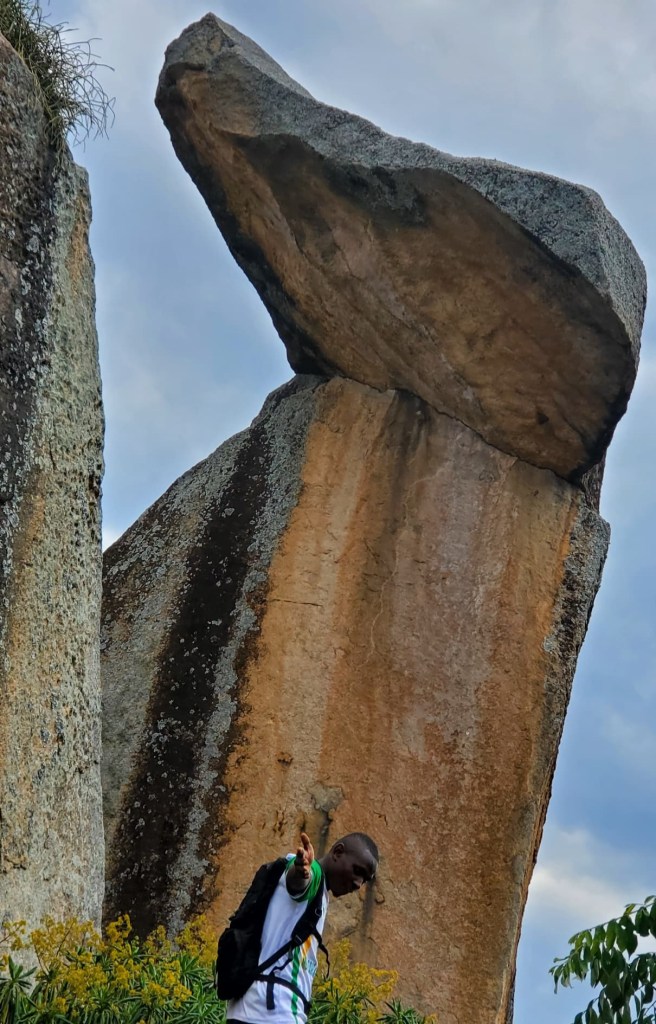
Tucked away in the rolling hills of Kazo District, Ankole, lies a treasure trove of cultural and spiritual significance – Mugore Rocks, locally known as “Amabare ga Mugore”. This ancient site, once the headquarters of the Bacwezi dynasty, beckoned us to explore its secrets and majesty.
The Journey Begins
This was the first 2025 trip by Mbarara City Hikers Club and the Trekkers club of Ibanda. Our journey started with a lively gathering of Mbarara Hikers, eager to embark on a new adventure. As we set off towards Ibanda, the excitement was palpable. We were headed to meet our friends from the Trekkers Club of Ibanda, and the anticipation of sharing this experience together was building every step of our journey.

The Thrill of Group Travel: Unforgettable Adventures with Mbarara Hikers and Ibanda Trekkers
Traveling in a group was an exhilarating experience, filled with laughter, camaraderie, and unforgettable memories. This adventure with sister clubs of enthusiastic travellers of Mbarara Hikers and Ibanda Trekkers to Mugore Rocks was a testament to the joy of exploring together.

United We Trek
Upon arriving in Ibanda, we were warmly welcomed by the Trekkers Club. Together, our groups merged into a vibrant, energetic collective, united by our passion for exploration and discovery. As we proceeded to Mugore Rocks, the scenery unfolded, and our spirits soared high.
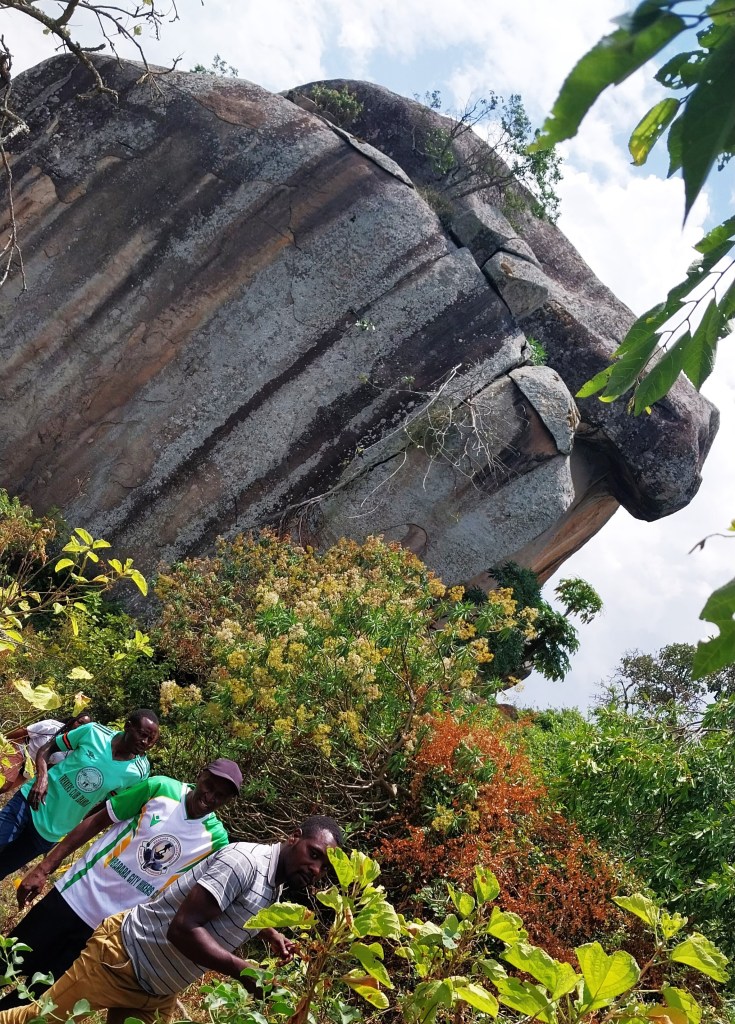
On reaching to the community of our destination, our adventure began with a hike up the hill. As we ascended, the landscape unfolded like a canvas of gold, green, and brown hues, with the majestic rocks standing sentinel over the savannas of Nyabushozi and beyond.

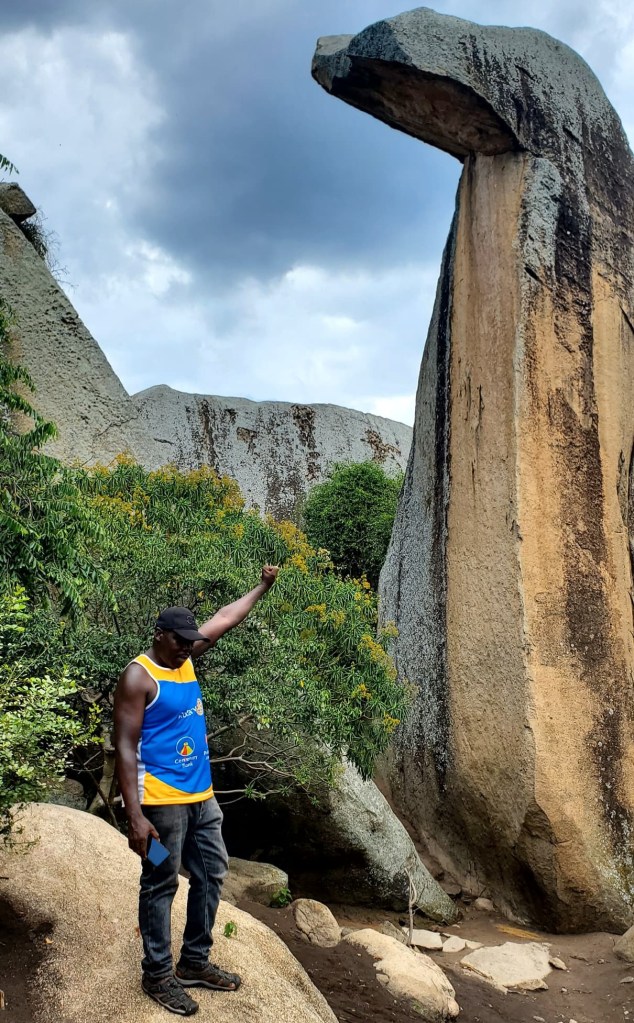
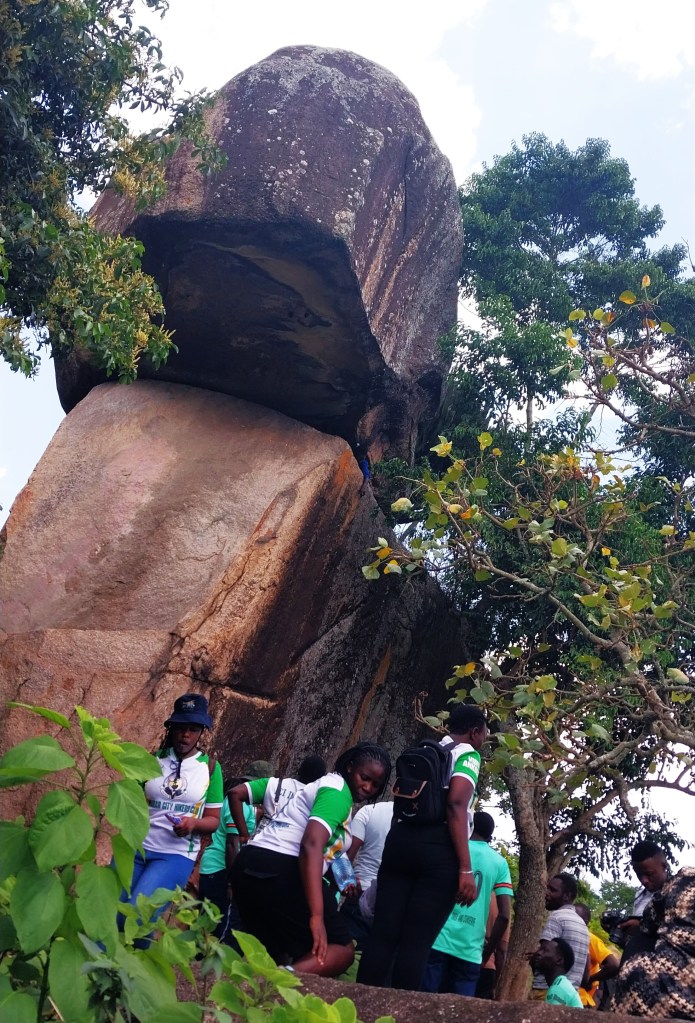
The rocks themselves are a marvel, with thousands of boulders scattered across the hillside, each one unique and awe-inspiring. Some tower above, visible from afar, while others lie hidden, waiting to be discovered. As we wandered through this natural wonderland, we felt the weight of history and the whispers of ancient spirits.
Mugore Rocks is more than just a natural attraction; it’s a sacred site for spiritual tourism. Many flock to this place seeking solace, guidance, and connection with the divine. We witnessed devotees of African traditional beliefs offering prayers and making offerings, their faces aglow with devotion.
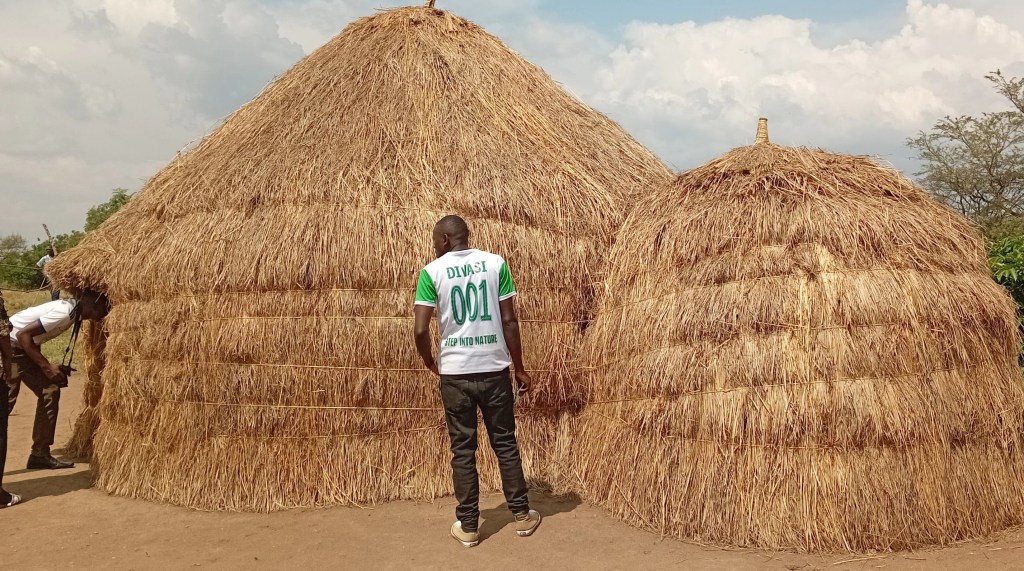
As we delved deeper into the local culture, we had the privilege of visiting traditional Ankole homestead, where we were warmly welcomed with open arms.
We had our lunch in Kazo township where we feasted on local delicacies, savoring the flavors of Eshabwe, amakamo, omukaro, and akaro with beef. Each bite was a testament to the richness of Ankole’s culinary heritage.

This trip was a testament to the power of domestic tourism. Mugore Rocks is a hidden gem, waiting to be discovered by intrepid travelers seeking unique cultural and African traditional experiences. If you’re a Ugandan traveler looking to explore the uncharted, add Mugore Rocks to your bucket list.

Mugore Rocks: A Treasure Trove of Wonder
The majestic Mugore Rocks did not disappoint. We marveled at the ancient site, absorbing its history, culture, and natural beauty. Every moment was filled with excitement, curiosity, and a deep appreciation for this Ugandan treasure.

Celebrating the Journey’s End
As our adventure drew to a close, we gathered at Cook Gardens in Ibanda for a festive celebration. The atmosphere was electric, with plenty of drinks, dancing, and merriment to go around. We shared stories, laughter, and memories, our bond strengthened by the experiences we’d shared.
The Power of Group Travel
Traveling with Mbarara Hikers and Ibanda Trekkers reminded us that exploring in a group amplifies the joy of discovery. Shared experiences forge lasting connections, creating a sense of belonging and camaraderie that extends far beyond the journey itself.

Until the Next Adventure…
As we parted ways, we knew that this was only the beginning of many more thrilling adventures together. The memories of our Mugore Rocks expedition will stay with us forever, inspiring us to continue exploring, discovering, and sharing in the beauty of Uganda.
A heartfelt thank you to Mr. Divas, the leader of Ankole Hikers and Trekkers Clubs, for orchestrating this unforgettable adventure. Your passion for promoting local tourism and cultural heritage is inspiring, and we’re grateful for the opportunity to experience the magic of Mugore Rocks.

Join the conversation: Share your own experiences or tips for visiting Mugore Rocks in the comments section below!
Happy travels, and let’s continue to explore Uganda together!

Balancing Christianity and Indigenous African identity- lessons from Mugore Prayer Hill
Unlike our fathers who were raised in Africa during the 1960s, when the community never asked you to choose between your Christian faith and your collective African identity. Today that is not the case due to more exclusive-minded types of Christianity that see patronizing indigenous African beliefs and practices as violating the integrity of their Christian principles, however, from visiting Mugore Prayer rocks, I believe that we can maintain our religious integrity and also embrace an African worldview.
For starters, the word “religion” is problematic for many Africans, because it suggests that religion is separate from the other aspects of one’s culture, society, or environment. But for many Africans, religion can never be separated from all these. It is a way of life, and it can never be separated from the public sphere. Religion informs everything in traditional African society, including political art, marriage, health, diet, dress, economics, and death.
At Mugore Rocks prayer hill, believers experience a balance between modern Christianity and African Indigenous tradition as people from all religious backgrounds, Christians and Muslims alike come here for a cultural interaction with the creator. Mugore Rocks, like other similar traditional prayer places in Africa could be the holy mountain and this could be the house of prayer of all nations mentioned in the bible in the book of Isaiah 56:7 “Even them I will bring to My holy mountain, and make them joyful in My house of prayer. Their burnt offerings and their sacrifices will be accepted on My altar; for My house shall be called a house of prayer for all nations.” At Mugore rocks, all nations meet in prayer, people from all religions come without segregation.
Believers (Abatabaazi in traditional Runyankole) come into privacy with the creator a term known as Okwehereera in Runyankole. People get into contact with their spiritual realms where their gods can reveal their misfortunes and foretell the fortunes. Believers get to know if there are any spiritual wars in your life, and come to know whether there are any misunderstandings with your ancestral gods and how to correct the misunderstanding, you can get revelations about what your future is and what you are expected to do in your life. This is African astrology; It is always a great deal here, strengthening your relationship with the creator while bonding with your traditional spiritual world.

In the end, believers here can make room for a plurality of religious points of view without one religious point of view excluding or compromising the other. An old African adage says: “The sky is large enough for birds to fly around without one having to bump into the other.”
This is an example of a None Denominational Prayer Palace. People from all denominations are welcomed to this prayer palace. No one is asked about their religious affiliations, and people who come here are free to continue attending their main religions back home.
While ascending to Mugoro rock hill, we witnessed several churches in the neighborhood such as Mugore Catholic Church and Mugoro Pentecostal Church in close proximity of Mugore rocks. According to Mr Gumisiriza the Spiritual Leader of Mugore rocks prayer palace, most people who come here for prayers are affiliated to their other religious groups. He also mentioned that Wednesday and Saturday are known warship days in the week, however, every day is a day of prayer as people continue flocking the hill from wide in Uganda and across Kenya, Rwanda and Tanzania.
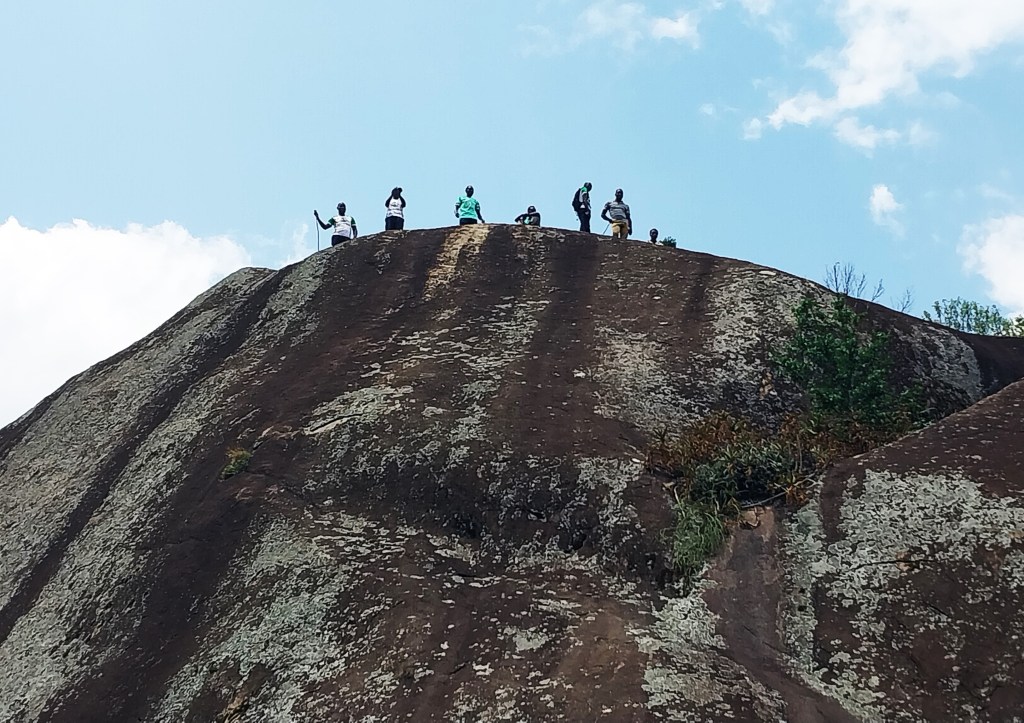
Mr Gumisiriza described Mugore rocks as the headquarters of the Bacwezi Kingdom, adding that other places such as Bigobyamugenyi were and are still extensions of this spiritual palace.
There are several testimonies and success stories that have been recorded from this place, stories of restored lives, mended marriages, averted sickness, found purpose for life and re-connection with the ancestral history. At this place you will always find happy, hopeful and eager people praising god and focused on better future lives.
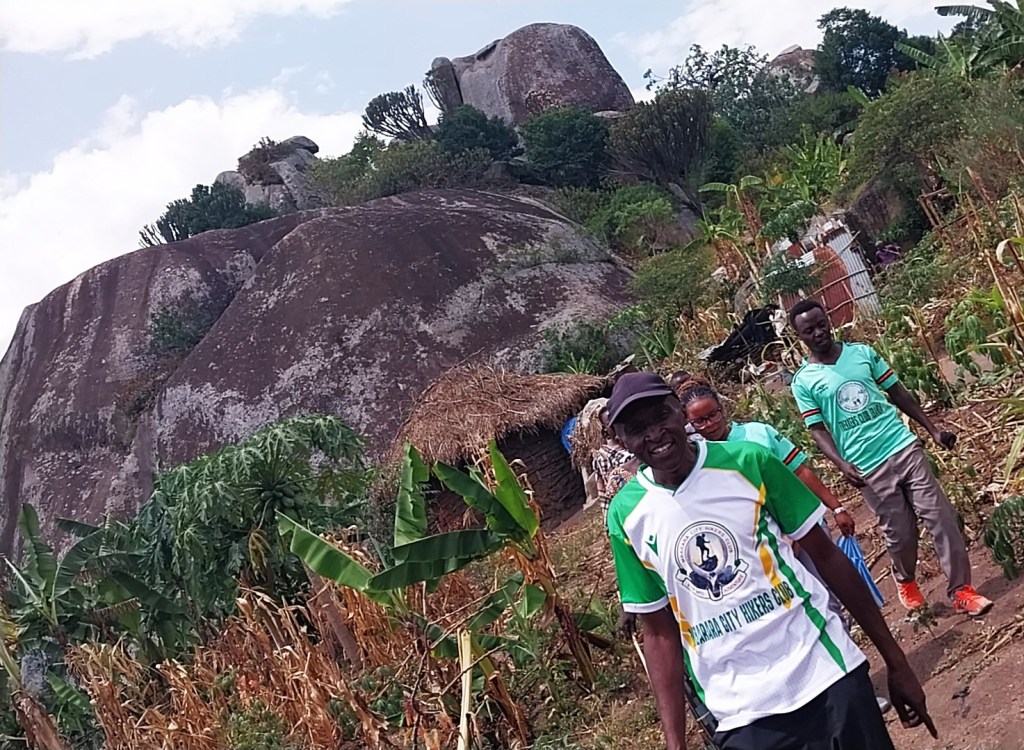
Entering the mystical world of The Bachwezi, the demigods who ruled the largest traditional kingdom in Africa.
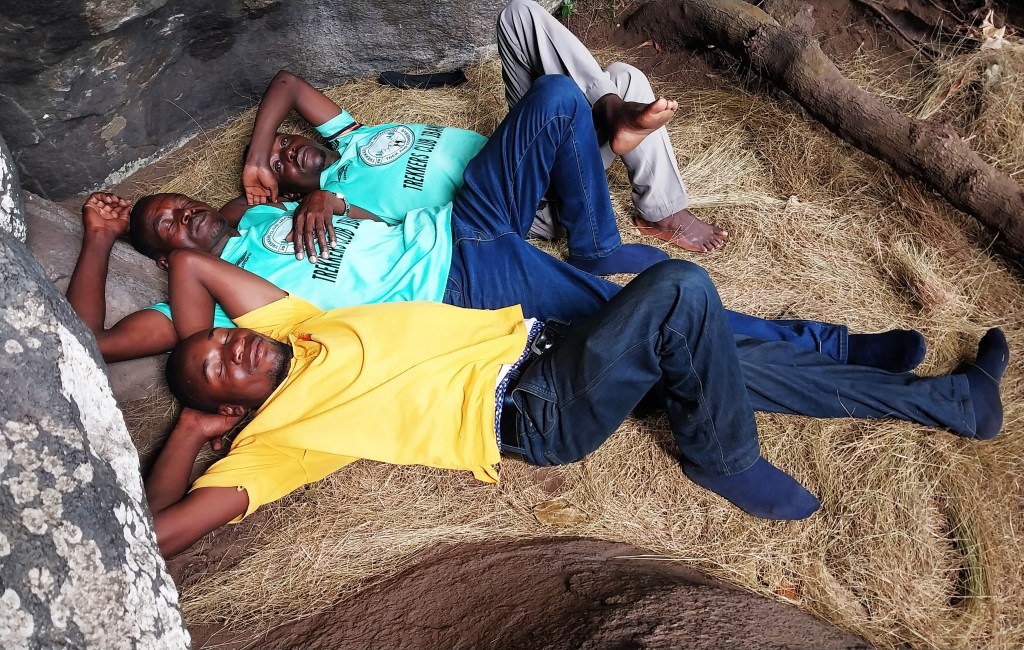
There are several caves under the rocks which are used as different prayer points. Legendary say that the Bachwezi “disappeared” but at places such as Mugore rocks people who interact physically with them truly believe that Bacwezi are still living and the caves are the most popular remaining evidence that the Bachwezi exist. Natives of people who visit this place for spiritual purposes will assure you that Bacwezi still exist and are interacting with people as messengers of God. In Ankole the Bacwezi are referred to as “Bakama Bénsi” literally meaning the owners of the earth. They are also refrerred to as “Ba Maraika” meaning God’s angels who appear to people on assignment from god.
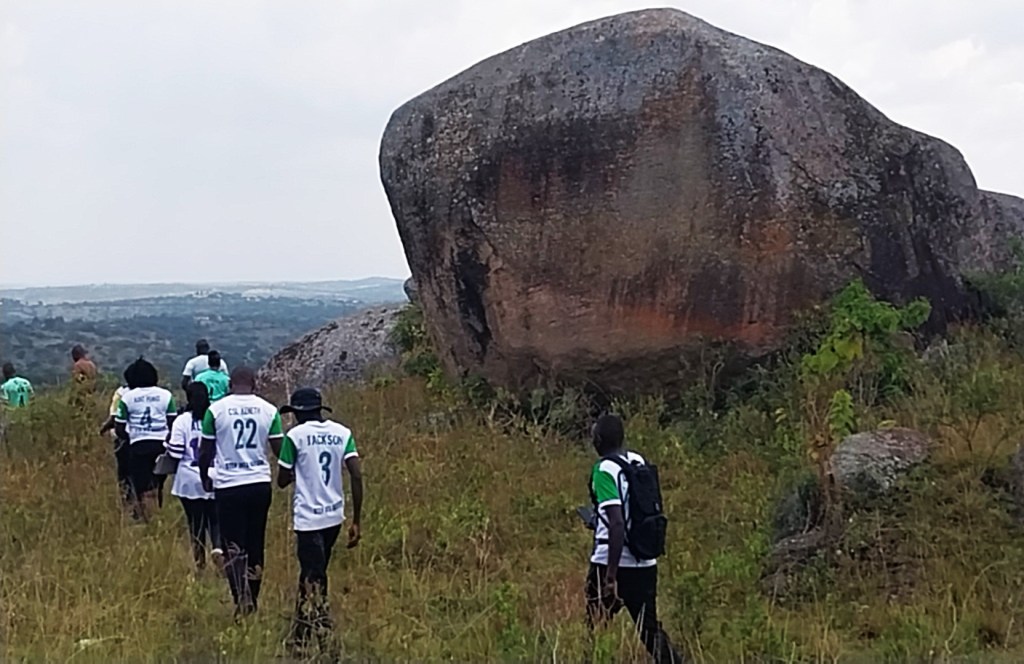
Here people rightly recognize that god ordered the world in such a way that humans would make culture, and we rightly recognize that culture exhibits real aspects of truth, goodness, and beauty.
It is believed that god created a structure that allows culture to exist, shift, and progress. That as humans, we formulate and shape that culture within god’s structure. That there is need to recognize that every cultural context is structurally good, but sometimes directionally corrupt.
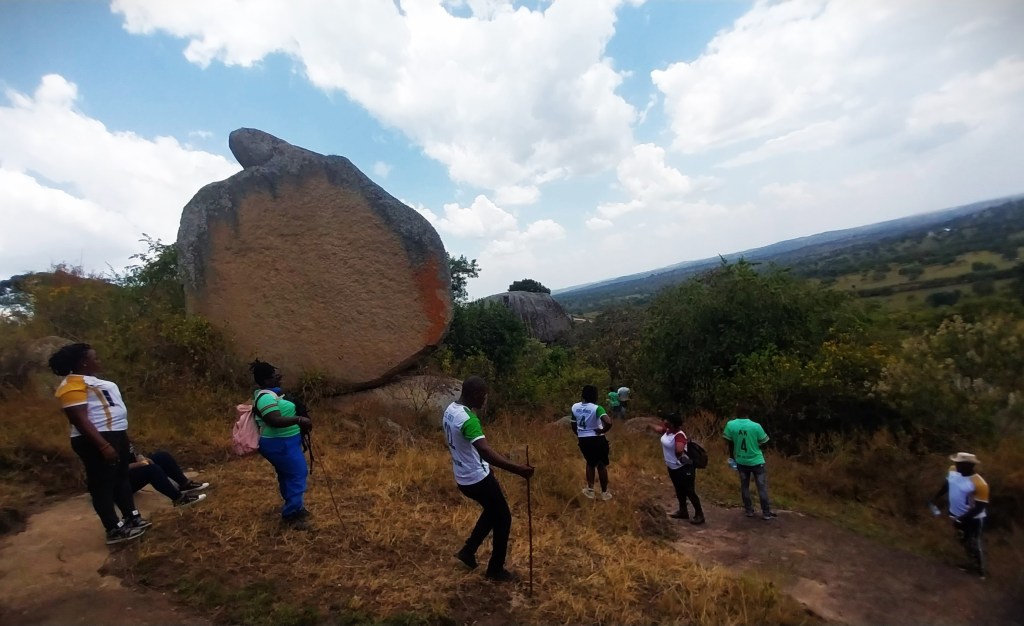
Believers at Mugore rocks prayer hill are inspired by the key roles culture and religion play in the wellbeing of people and the role it plays in the development of nations all together. “Culture and religion are strong pillars in people’s lives. Culture and religion influence our values, hopes and world view.”
Believers here hold a strong belief that the house of god wasn’t meant to be denominational in nature, and hence at such none denominational prayer places receive all people irrespective of religious affiliations.

African cultural heritage has a clear significance in terms of cultural identity, and the religious heritage in its various manifestations. In such none denominational prayer places there are both religious and cultural aspects of life which are carried out interchangeably.
According to the local populations of Ankole, this place is a holy site for believers, where they come to seek for blessings from their gods. The locals believe this site to be the home of the Bachwezi, the founders of the ancient Empire of Kitara, the indigenous wealth creators and rulers of the ancient Kitara empire. It’s incredibly difficult to talk to a local for longer than 5 minutes without hearing a word or two about these gods who it is believed live among them us to this day. They are said to announce their presence through night sightings of fires that cover the numerous hills surrounding the village.

As a visitor to this place, you may be punished if you don’t obey and follow instructions or by relaying anthropological studies that show that the Bachwezi have never disappeared in thin air and are indeed still resident among us mere mortals but not as demigods but as black people who, like the Bantu, migrated south from Egypt following the liquidation of the Egyptian kingdom and subsequent amalgamation into the Persian empire around 525 BC when Cambyses, the King of Persia took it upon himself to kill the black natives. Whatever the truth may be is entirely dependent on how much one wants to believe in the existence of people flying on brooms and hills burning with no actual fire insight.
This holy place doesn’t allow immoral people to access it, if you are drunk, or you possess a stollen property, you are advised not to reach to sacred places or else you will be inviting for serious beating by the unseen forces.

At the prayer palace people who come here for worship are traditionally known as Abatabaazi. The leaders/priests are known as Abahereza and the chief priest is called the prophet (Nabi in Ruganda, Omurangi in Runyankole).
The prayer room in the caves is known as Eitambiro: here the believers sing songs and pray, there is true warship of god. There are also open shrines and others in caves where different prayer requests are made. These places are traditionally known as Ebigabiro: It is always a great deal learning about strengthening your relationship with the creator while bonding with your traditional spiritual world. The leaders/Abahereza are always there to receive the believers/Abatabaazi and help them to address the spiritual and cultural needs of their lives.

 COMMUNITY BASED TOURISM DEVELOPMENT AT KITARA FOUNDATION FOR SUSTAINABLE TOURISM: Transforming Communities through Travel Partnerships. Email: kitararcc@gmail.com;