
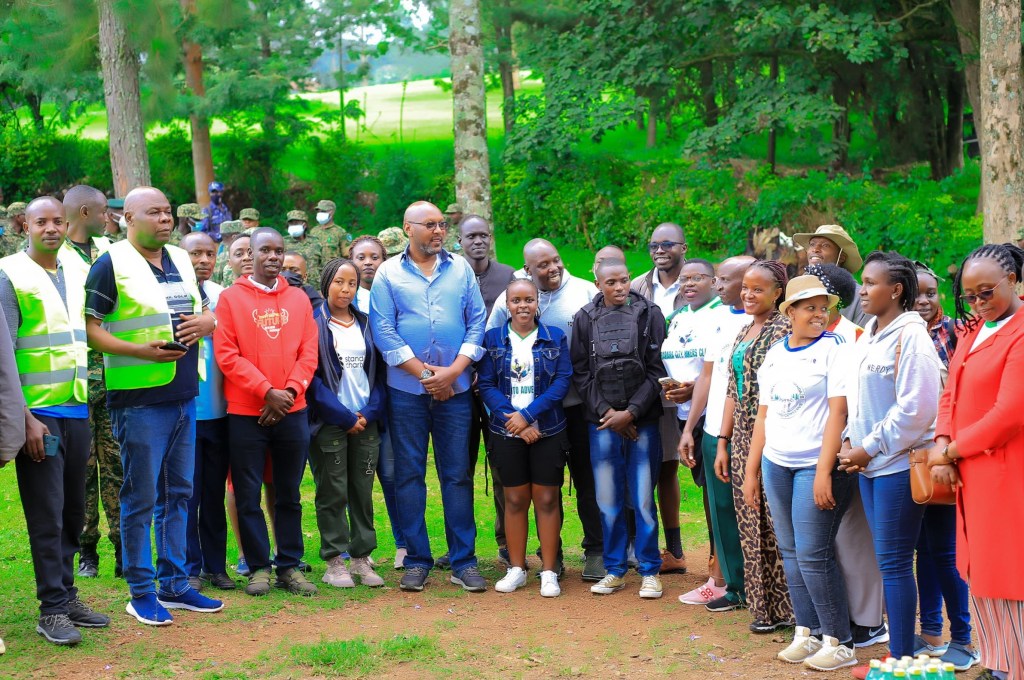
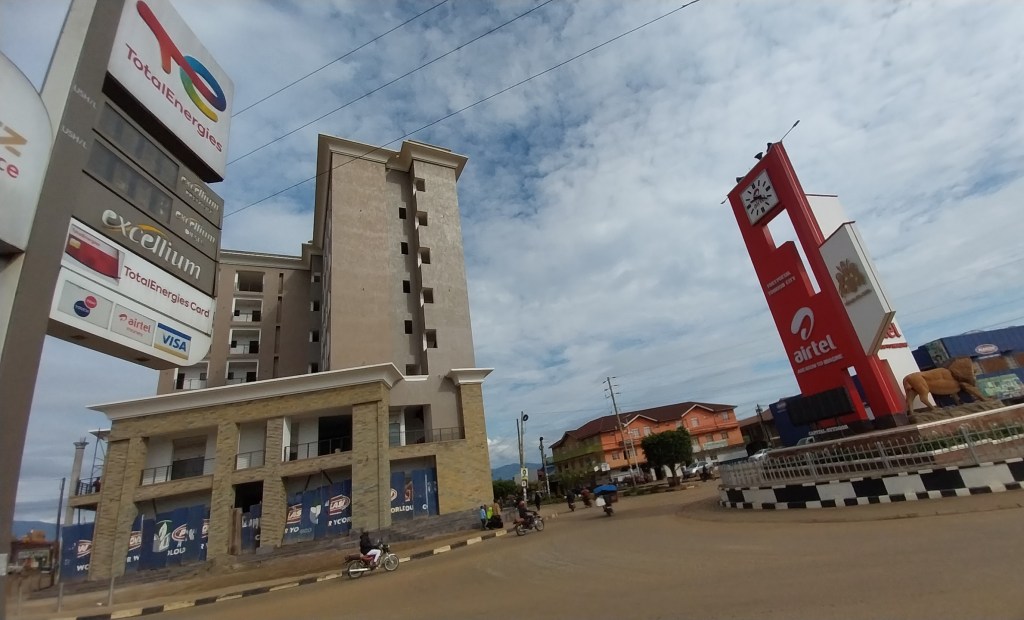
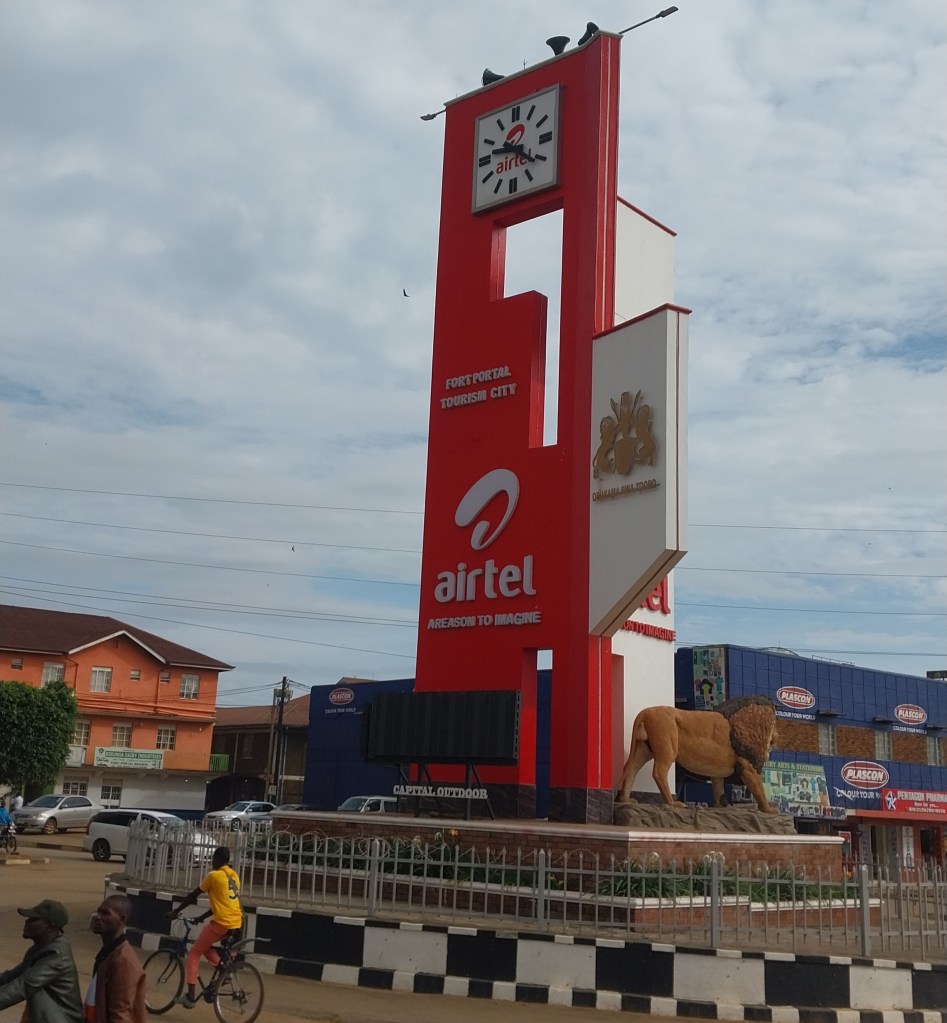
Fort Portal City, the proud seat of the ancient and revered Tooro Kingdom, was once celebrated as Uganda’s cleanest urban center. Its well-maintained streets and orderly environment were a source of pride for its residents and a testament to effective urban management. However, in recent years, this reputation has been tarnished by challenges in garbage disposal and overall environmental upkeep. Now, under the resolute leadership of His Majesty Rukirabasaija Omukama Oyo Nyimba Kabamba Iguru Rukidi IV, commonly known as King Oyo and his newly appointed cabinet, spearheaded by Prime Minister Omuhikirwa Armstrong Calvin, a determined campaign is underway to reclaim Fort Portal’s lost glory and reinstate it as a beacon of cleanliness.

The initiative, aptly named “Baragira kiki” – a poignant question translating to “what will they say happened to our city?” – serves as a powerful call to action for every resident, business, and institution within Fort Portal. Recognizing the city’s pivotal role as Uganda’s tourism hub, attracting visitors with its stunning natural beauty and central location within the tourism region, the Tooro Kingdom leadership understands that a clean and well-managed environment is paramount. Their vision extends beyond mere aesthetics; it encompasses the health and well-being of the community, the preservation of the city’s natural allure, and the enhancement of its appeal to both domestic and international tourists.
Strategies for Achieving the Vision:
The “Baragira kiki” campaign requires a multi-pronged approach to achieve sustainable and impactful results. Here are some key strategies that the Tooro Kingdom leadership is set to implement:
Robust Waste Management Infrastructure:
Improved Collection Systems: Investing in an efficient and regular waste collection system is crucial. This includes providing adequate numbers of designated bins across residential, commercial, and public spaces, and establishing reliable collection schedules.
Waste Segregation at Source: Implementing public awareness campaigns to educate residents and businesses on the importance of separating waste into recyclable, organic, and non-recyclable categories. Providing color-coded bins can facilitate this process.
Modern Disposal Facilities: Exploring sustainable waste disposal methods beyond open dumping. This will involve investing in sanitary landfills, composting facilities for organic waste, and exploring potential for waste-to-energy initiatives in the long term.
Enforcement of Regulations: Strengthening and strictly enforcing existing bylaws related to waste disposal and littering, with clear penalties for non-compliance.

Public Awareness and Engagement:
Kingdom-Led Sensitization Drives: Leveraging the influence and respect commanded by the Tooro Kingdom to conduct widespread awareness campaigns through community meetings, radio announcements, and distribution of informational materials.
Educational Programs: Integrating environmental education into school curricula and organizing workshops for the general public on waste management, recycling, and conservation practices.
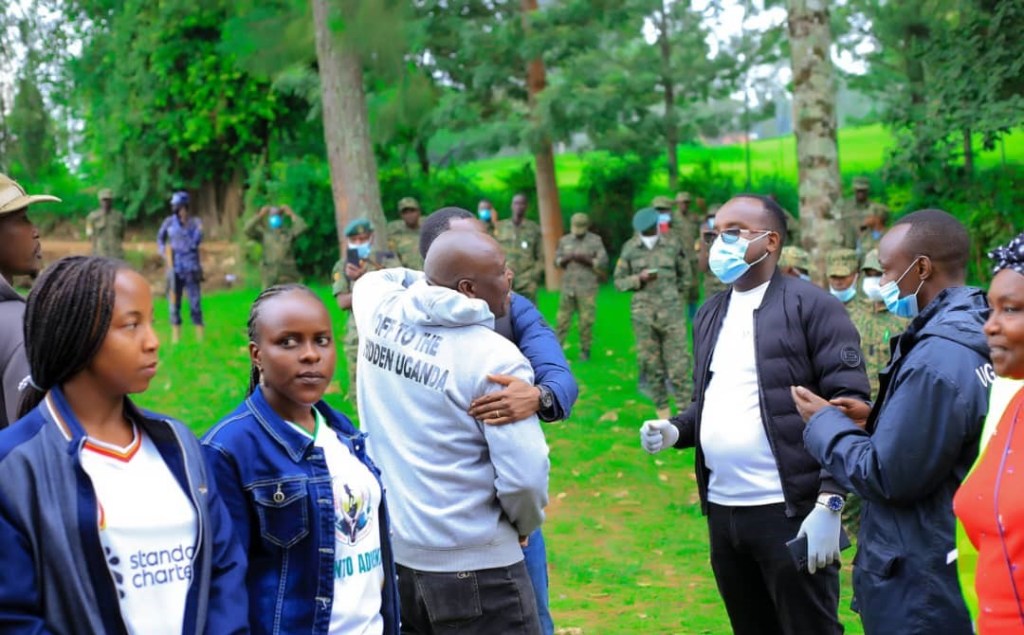
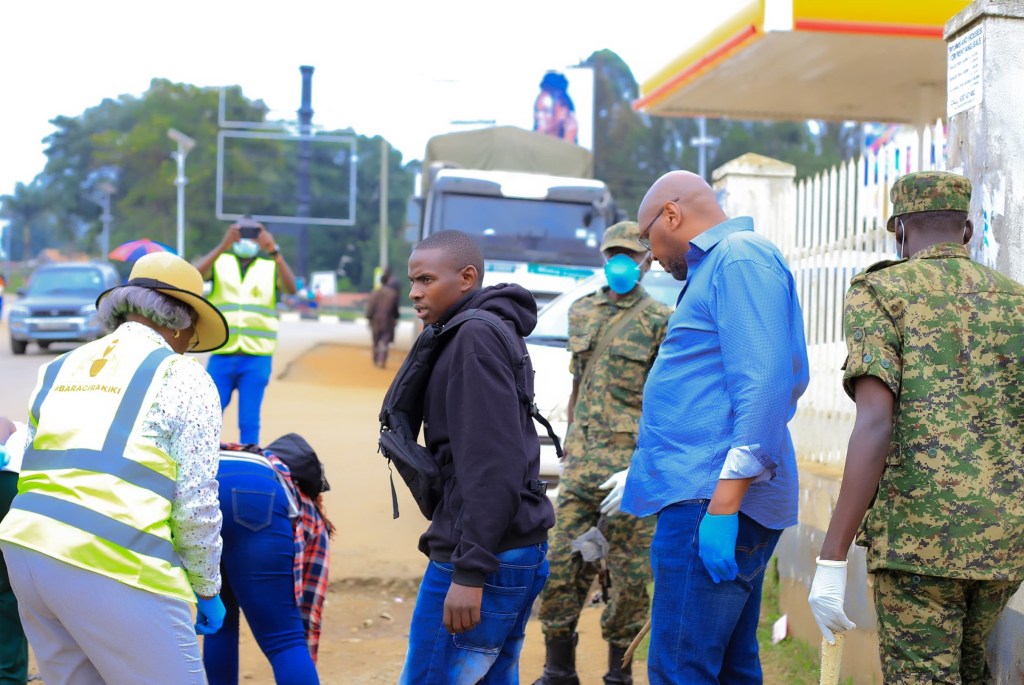
Community Clean-up Initiatives: Organizing regular city-wide clean-up days, encouraging participation from all sections of society, and recognizing the efforts of individuals and groups.
Partnerships with Local Media: Collaborating with local radio and television stations to disseminate information and showcase successful clean-up initiatives.
Institutional Involvement and Collaboration:
Fort Portal City Council Partnership: Establishing a strong working relationship with the Fort Portal City Council, defining clear roles and responsibilities, and collaborating on policy formulation, resource allocation, and enforcement.
Engaging Businesses: Encouraging businesses to adopt environmentally friendly practices, including proper waste management, reducing plastic usage, and supporting clean-up initiatives. Offering incentives for compliance will be considered.
Involving Religious Institutions and Civil Society Organizations: Partnering with these influential entities to spread the message of environmental responsibility and mobilize their respective communities.
Collaboration with Tourism Operators: Working closely with hotels, tour companies, and other tourism stakeholders to ensure that cleanliness standards are maintained in tourist areas and that visitors are educated on responsible environmental practices.

Sustainable Environmental Practices:
Promoting Green Spaces: Investing in the creation and maintenance of parks, gardens, and green belts within the city to enhance its aesthetic appeal and improve air quality.
Water Resource Management: Implementing measures to protect and conserve water sources such as River Mpanga, promote responsible water usage, and address issues of water pollution.
Tree Planting Initiatives: Launching tree planting campaigns to increase the city’s green cover, combat soil erosion, and improve air quality.
Promoting Sustainable Transportation: Encouraging walking, cycling, and the use of public transport to reduce air pollution from vehicle emissions.
Involving All People and Institutions:
The success of the “Baragira kiki” campaign hinges on the active participation of every stakeholder in Fort Portal. To achieve this, the Tooro Kingdom leadership will:
Foster a Sense of Ownership: Emphasize that maintaining a clean city is a shared responsibility and that everyone has a role to play. The “Baragira kiki” slogan itself aims to evoke this sense of collective ownership and accountability.
Recognize and Reward Efforts: Publicly acknowledge and celebrate individuals, groups, and institutions that demonstrate exemplary commitment to cleanliness and environmental conservation. This can be through awards, media recognition, or community events.
Create Platforms for Dialogue: Organize regular forums and meetings where residents, business owners, and representatives from various institutions can share ideas, raise concerns, and contribute to the planning and implementation of the campaign.
Lead by Example: The Tooro Kingdom leadership itself is now seen to be actively participating and leading in clean-up drives and promote environmentally responsible practices within its own institutions and in the public.
Utilize Traditional Structures: Leverage the existing social structures and leadership within communities to disseminate information and mobilize participation at the grassroots level.

Environmental Conservation Factors:
Beyond waste management, the Tooro Kingdom leadership prioritizes to consider broader environmental conservation factors to ensure the long-term sustainability of Fort Portal’s cleanliness and natural beauty:
Protection of Natural Resources: Implementing measures to protect the surrounding natural environment, including forests, wetlands, and water bodies, which contribute to the city’s ecological balance and tourism appeal.
Air Quality Management: Monitoring air pollution levels and implementing strategies to mitigate sources of pollution, such as vehicle emissions and industrial activities.
Biodiversity Conservation: Promoting the conservation of local flora and fauna within and around the city.
Climate Change Adaptation: Considering the potential impacts of climate change, such as increased rainfall or drought, and implementing measures to build resilience.
Sustainable Land Use Planning: Ensuring that urban development is carried out in a sustainable manner, minimizing environmental impact and preserving green spaces.
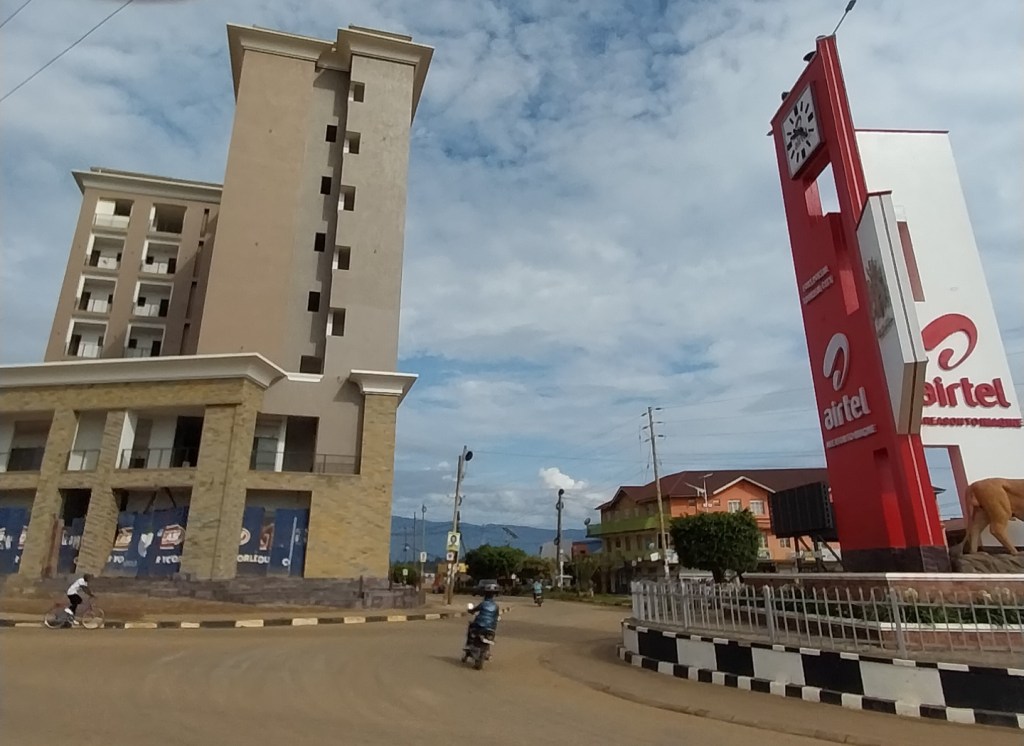
The “Baragira kiki” campaign represents a significant and commendable effort and commitment by the Tooro Kingdom leadership to restore Fort Portal’s esteemed status as a clean and vibrant city. By implementing comprehensive strategies, actively engaging all stakeholders, and prioritizing environmental conservation, Fort Portal can once again become a shining example of urban cleanliness in Uganda and a truly attractive destination for tourists, solidifying its position as the tourism city of the nation. The call to action has been made; it is now up to every individual and institution in Fort Portal to answer and work together to make this vision a reality.
If you are thinking about how to participate or contribute to the efforts geared towards making Fort Portal City great again, don’t hesitate to contact Kitara Foundation for Regional Tourism. From wherever you are, you can make a difference in Fort Portal City. Contact us and share your concern with us.


 COMMUNITY BASED TOURISM DEVELOPMENT AT KITARA FOUNDATION FOR SUSTAINABLE TOURISM: Transforming Communities through Travel Partnerships. Email: kitararcc@gmail.com;