
Follow this link to become a member of Uganda Hiking Club and enjoy affordable and exciting travels and adventures. Whether you are a Ugandan or from any other country on the globe; https://ugandahikingclub.com/apply-for-membership/

Hiking is a long, vigorous walk, usually undertaken for pleasure and exercise, typically on trails or footpaths in the countryside or natural environments. It’s a way to connect with nature and people, challenge oneself physically, and enjoy scenic views.
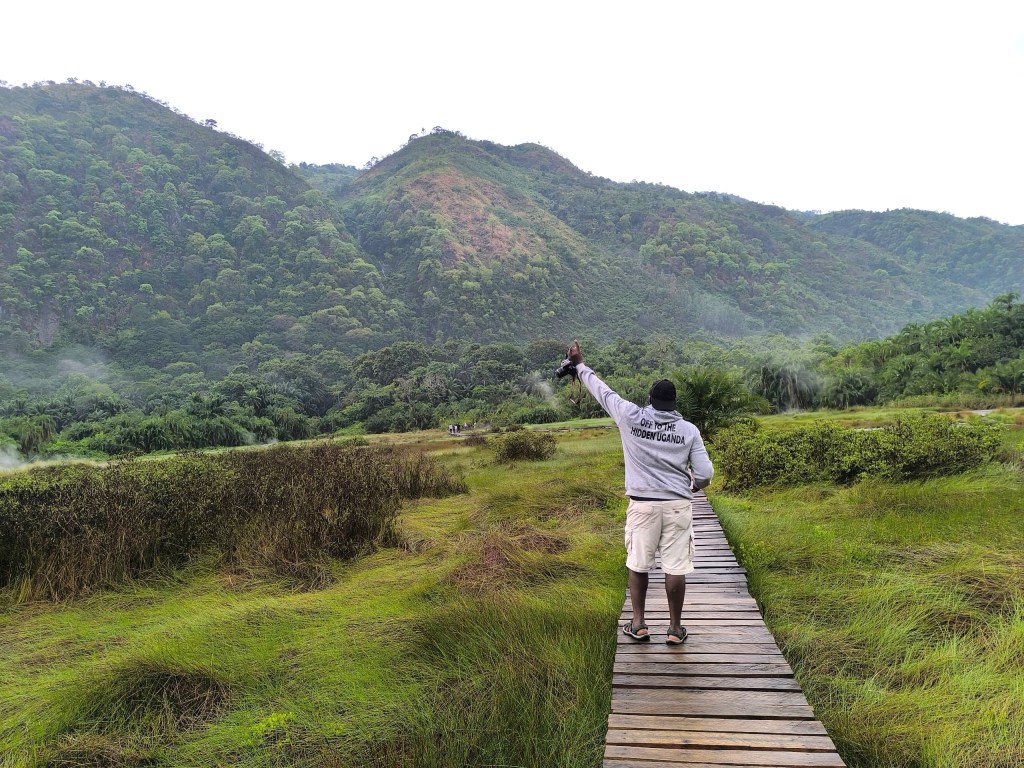
Here are some key aspects of hiking:
Purpose: Primarily recreational, focusing on enjoyment of the outdoors and physical activity.
Setting: Usually takes place in natural environments such as forests, mountains, hills, along coastlines, or in other rural areas.
Footwear: Often requires sturdy walking shoes or boots designed for uneven terrain.
Duration: Can range from short day trips to multi-day expeditions.
Intensity: Varies depending on the terrain, elevation gain, distance, and pace.

While often used interchangeably with “walking,” “hiking” in other places often implies a more rugged and longer walk in a natural setting compared to a shorter, urban “walk.” Other terms like “tramping”, “bushwalking”, and “trekking” (often used for multi-day hikes in mountainous regions) also describe similar activities.

There are many different types of hiking, including:
Day Hiking: Hikes completed in a single day.
Backpacking: Multi-day hikes where you carry all your necessary gear in a backpack, often involving camping.
Thru-Hiking: Hiking a long-distance trail from end to end.
Section Hiking: Completing a long-distance trail in segments over time.
Urban Hiking: Exploring cityscapes on foot, discovering hidden gems and landmarks.
Mountain Hiking: Hiking in mountainous terrain, often involving significant elevation gain.
Coastal Hiking: Hiking along coastlines, enjoying sea views.
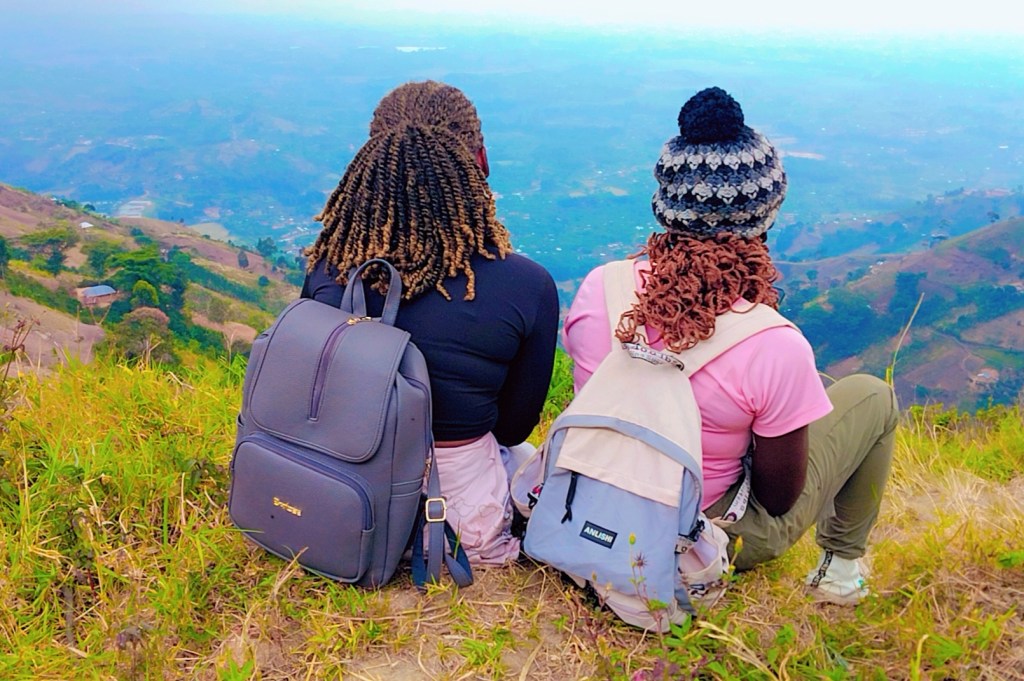
Regardless of the type, safety is paramount when hiking. Essential tips include:
Planning your route: Knowing the trail, distance, elevation, and potential hazards.
Checking weather conditions: Being prepared for changes in weather.
Telling someone your plans: Informing someone of your route and expected return time.
Hiking with others: Avoiding hiking alone, if possible.
Carrying essential gear: Including navigation tools (map, compass, or GPS), first-aid kit, extra food and water, appropriate clothing, and safety items like a flashlight and whistle.
Knowing your limits: Choosing a hike that matches your fitness level and experience.
Staying on marked trails: Avoiding getting lost and protecting the environment.
Being aware of wildlife: Taking precautions and respecting animals.

Managing Group Hiking trips
Managing group hiking activities effectively involves careful planning, clear communication, and a focus on safety and inclusivity. Here’s a breakdown of the best practices:
1. Pre-Hike Planning & Communication:
Define the Group and Hike Details:
Assess Participants: Understand the group size, varying physical abilities, and experience levels. Choose a trail appropriate for everyone.
Set Clear Objectives: Determine the goal of the hike (e.g., reaching a viewpoint, enjoying nature, fitness).

Detailed Itinerary: Create and share a detailed plan, including the route, distance, elevation gain, estimated time, planned breaks, and potential hazards.
Meeting Point & Time: Clearly establish where and when the group will meet.
Gear List: Provide a comprehensive list of essential gear each participant should bring (including the “10 Essentials” like navigation, sun protection, insulation, illumination, first-aid, etc.).
Contingency Plans: Discuss what to do in case of emergencies, bad weather, or if someone needs to turn back.

Establish Roles:
Designated Leader(s): Assign one or two experienced individuals to lead the navigation, make decisions, and ensure group safety. Consider a leader at the front and a “sweep” at the back.
Rotating Leadership: For larger or more experienced groups, consider rotating leadership to give everyone a chance to guide.
First-Aid Responder: Identify who in the group has first-aid training and is carrying the kit.
Pre-Hike Briefing: Before starting, review the route, safety guidelines, emergency procedures, and any relevant information about the trail (e.g., wildlife, Leave No Trace principles).
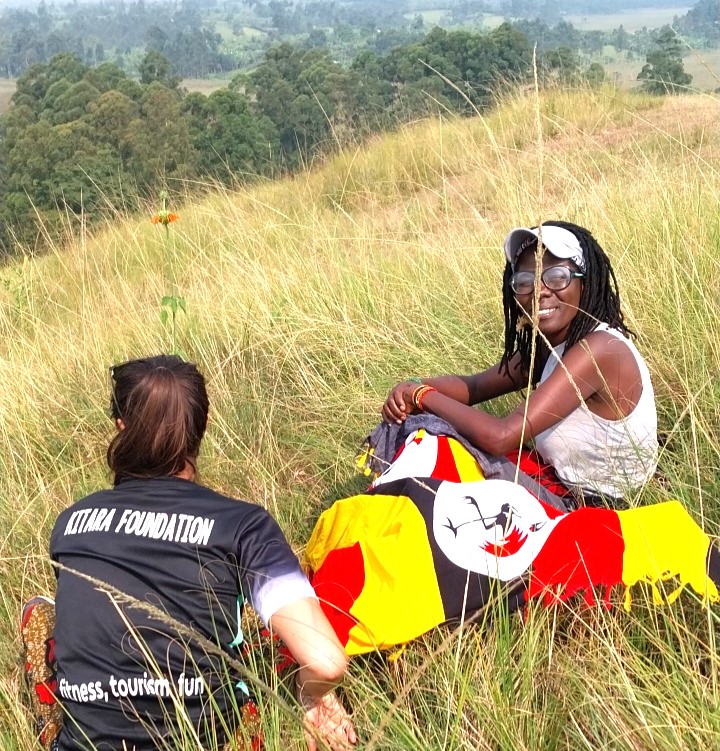
2. During the Hike:
Maintain Group Cohesion:
Stay Together: Emphasize the importance of hiking as a team, especially in unfamiliar or challenging terrain.
Pace Setting: The leader should set a pace comfortable for the slowest hiker. Encourage the slowest hiker to be near the front.
Regular Check-ins: Stop periodically to ensure everyone is doing well, has enough water and snacks, and address any concerns.

Effective Communication:
Clear Signals: Establish basic hand signals or verbal cues for communication along the trail.
Open Dialogue: Encourage participants to voice any issues, fatigue, or discomfort.
Information Sharing: Point out interesting features, potential hazards, and changes in the trail.
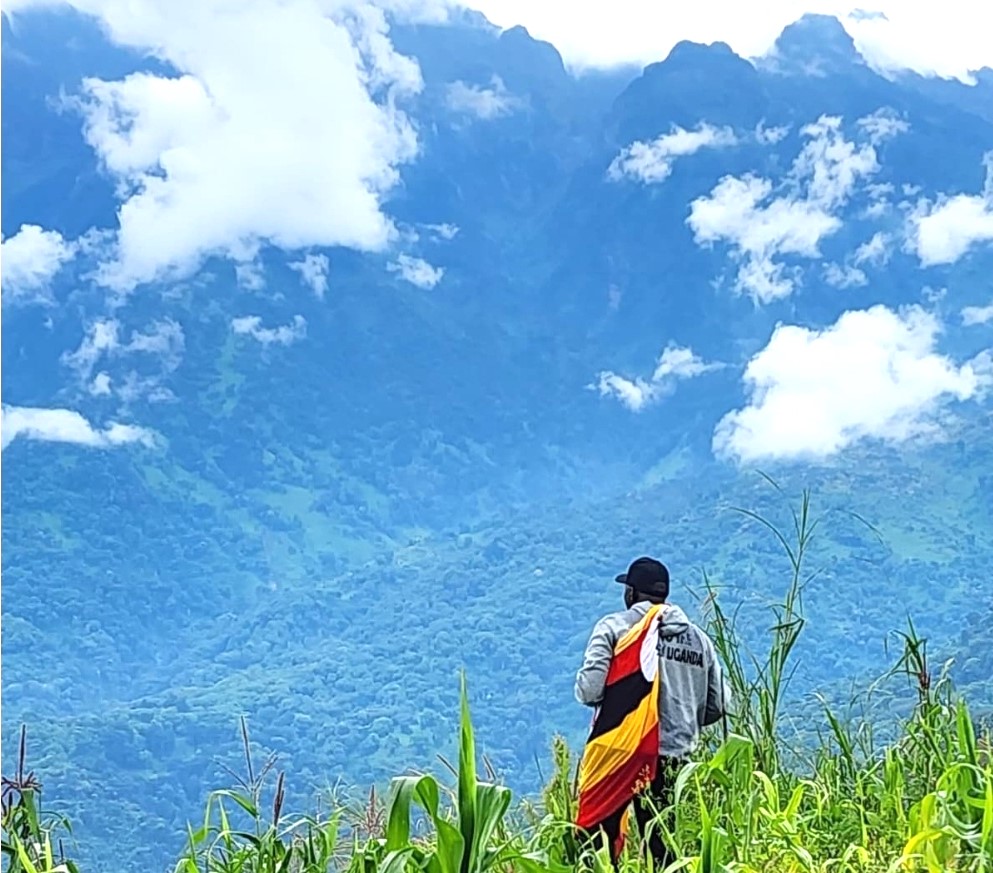
Prioritize Safety:
Monitor Well-being: Pay attention to the physical and mental state of all group members. Address issues like fatigue, dehydration, or discomfort early.
Leave No Trace: Strictly adhere to Leave No Trace principles to minimize environmental impact.
Emergency Preparedness: Ensure the first-aid kit is accessible, and everyone knows basic emergency procedures. Have a plan for communication in areas with poor cell service (e.g., walkie-talkies).
Weather Awareness: Be mindful of changing weather conditions and be prepared to adjust plans if necessary.
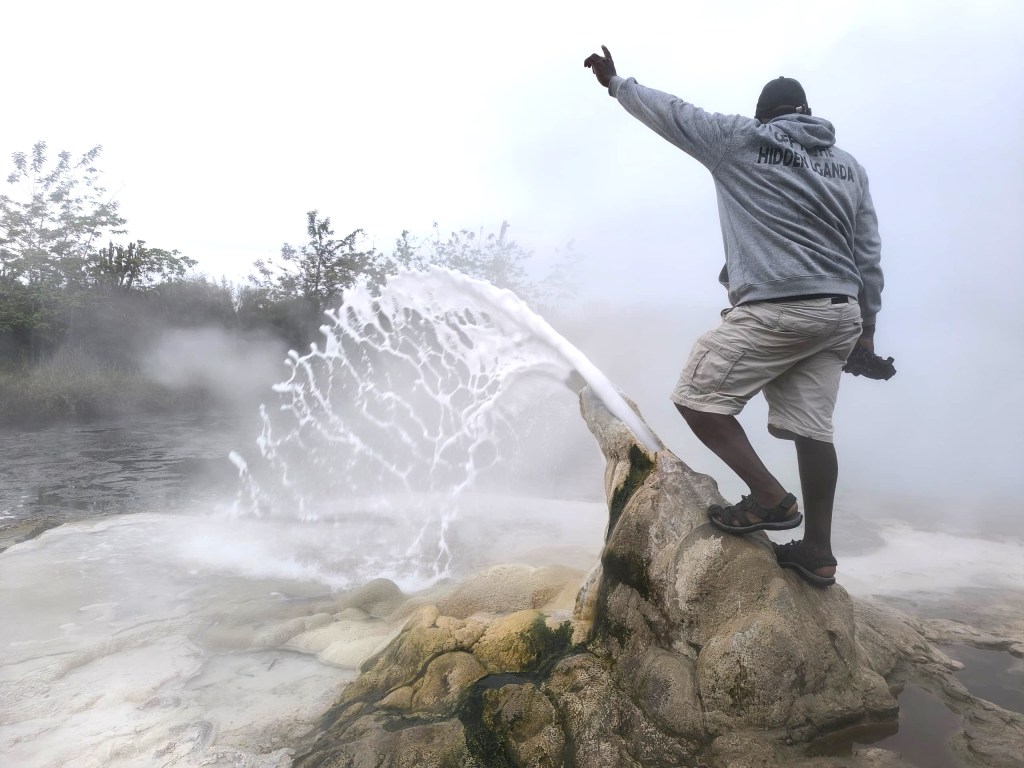
Navigation:
Stay on Trail: Follow marked trails to avoid getting lost and minimize environmental damage.
Regularly Orient: The leader should periodically check the map and surroundings to ensure the group is on the right path.
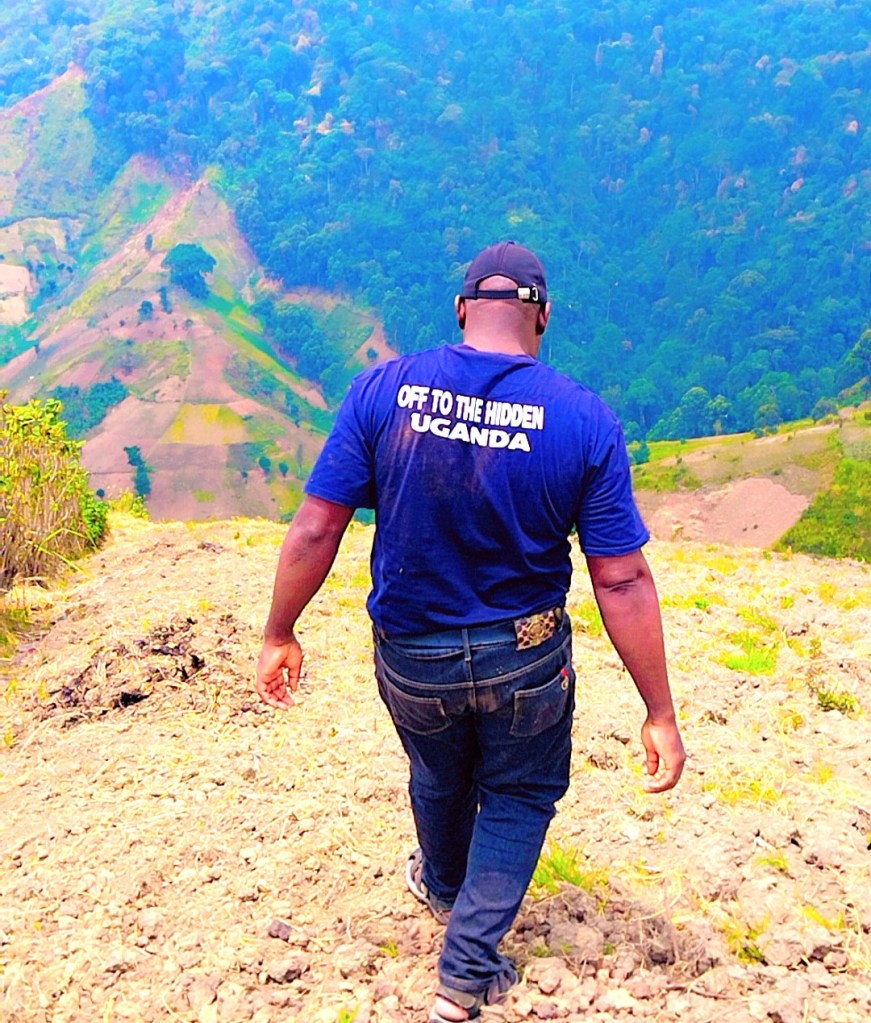
3. Post-Hike:
Account for Everyone: Ensure all participants have returned safely to the starting point.
Review and Feedback: Briefly discuss how the hike went, what worked well, and areas for improvement in future group hikes.
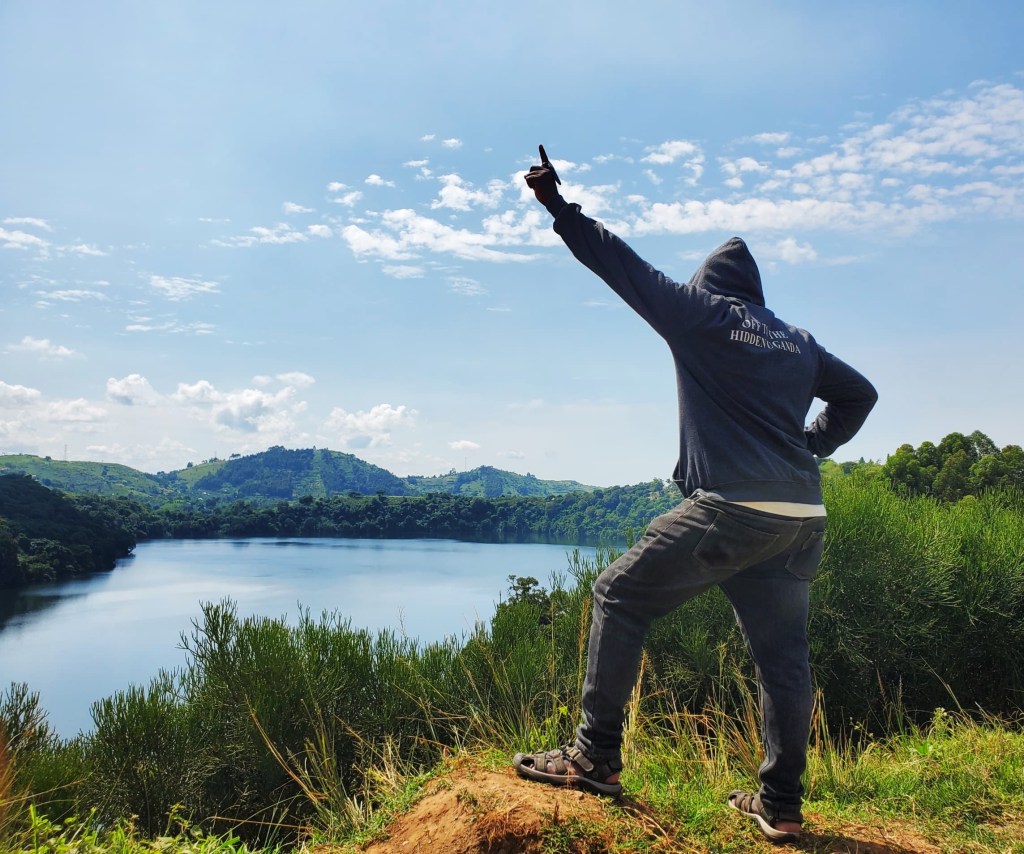
Key Elements for Success:
Flexibility: Be prepared to adjust the plan based on the group’s needs, weather, or trail conditions.
Inclusivity: Create a welcoming and supportive environment where everyone feels comfortable and valued.
Empowerment: Encourage participation and shared responsibility within the group. By implementing these strategies, you can create enjoyable, safe, and well-managed group hiking experiences.
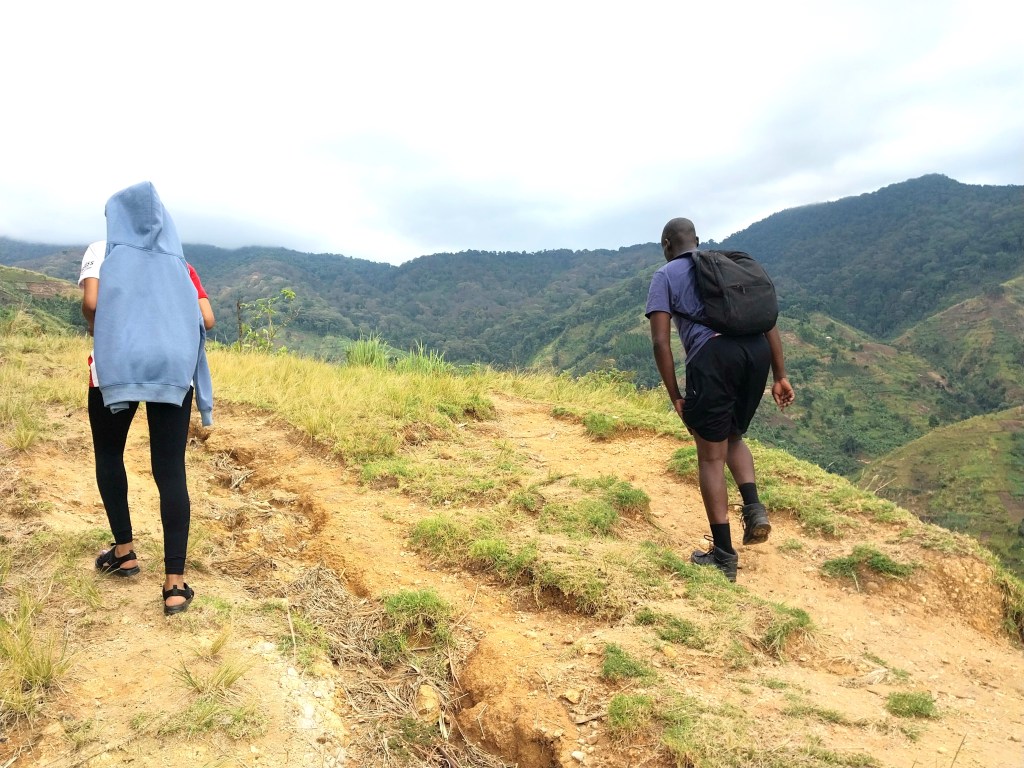
Hiking is an enjoyable hobby because it’s a sport that you can experience at your own pace. You don’t have to be an elite athlete to enjoy hiking, but you do need a moderate fitness level for hiking.

Obviously, the terrain dictates the required fitness level. Hiking on flat ground is different from hiking in the Rwenzori Ranges. Different postures and muscles are going to be used; different cardio and breathing are needed to keep a strong stamina. If you know the type of terrain you’re going to explore, spend some time prior to heading out to condition your legs, back and cardio performance. It’ll make your journeys more enjoyable and memorable.

For more information about hiking, where to go hiking in Uganda, contact us. We will be happy to hike with you to the best nature destinations of Uganda.

 COMMUNITY BASED TOURISM DEVELOPMENT AT KITARA FOUNDATION FOR SUSTAINABLE TOURISM: Transforming Communities through Travel Partnerships. Email: kitararcc@gmail.com;