Kitara Foundation for Regional Tourism

1. Introduction: A Call to Transformative Travel
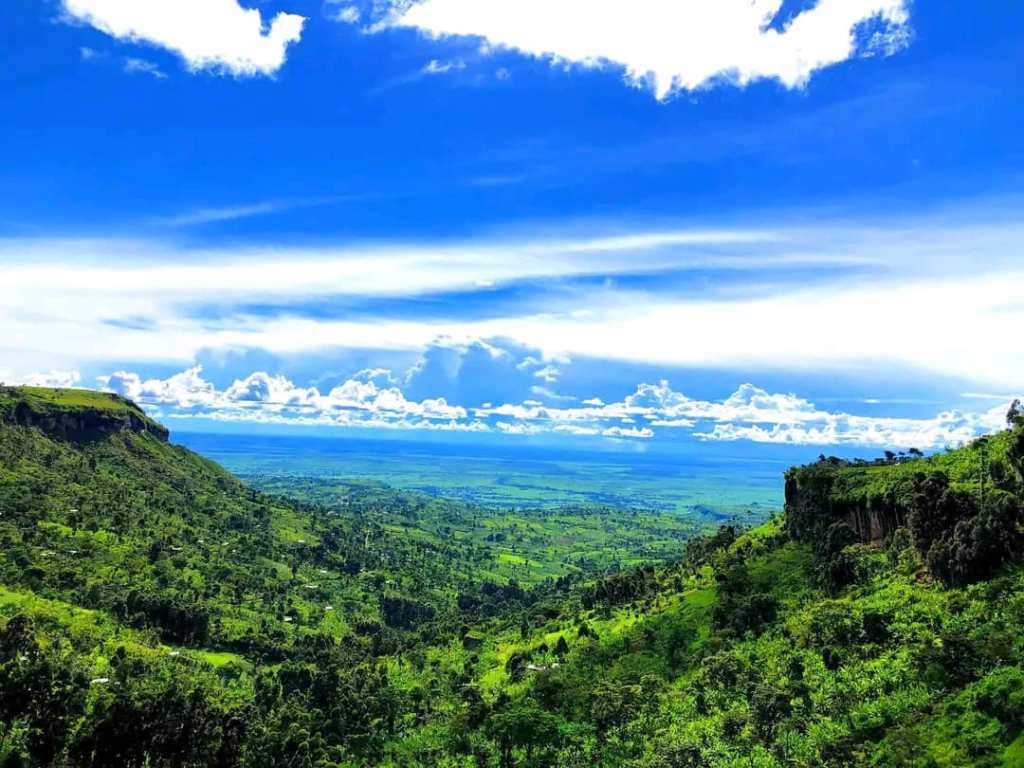
The Rwenzori region, a jewel of Uganda, boasts breathtaking landscapes, rich cultural heritage, and vibrant communities. Yet, beneath this beauty lies a stark reality: many communities, particularly the indigenous mountain settlers and migrant populations, face immense poverty and lack access to basic necessities.
Kitara Foundation for Regional Tourism is committed to sustainable tourism development that not only showcases the region’s natural and cultural wonders but also empowers its people. We believe that travel can be a powerful force for good, and we’ve established the Travel Mercy Fund to channel the benefits of tourism directly to those who need it most. We invite you to join us in this vital mission.
2. The Travel Mercy Fund: A Bridge to Hope
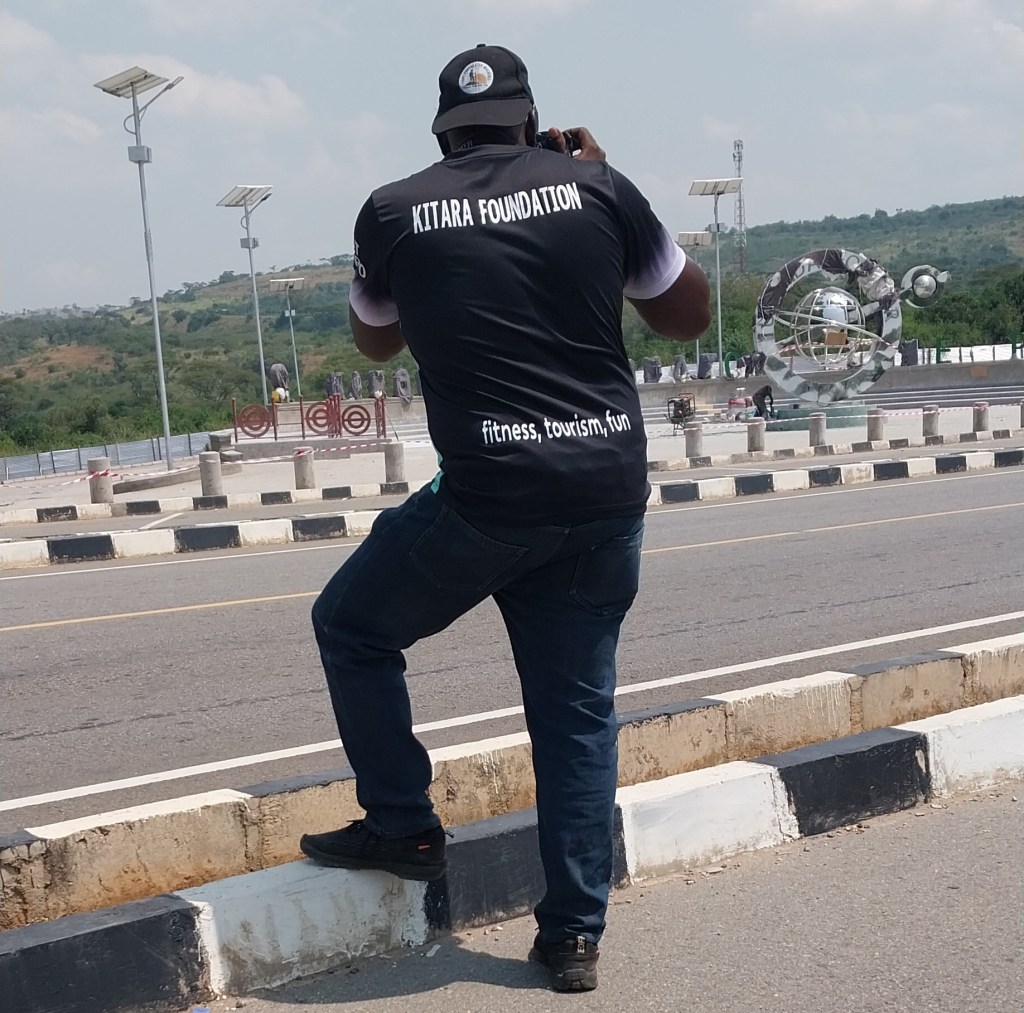
The Travel Mercy Fund is a strategic initiative to generate resources from tourism activities to support Kitara Foundation’s social responsibility programs in the Rwenzori region. It’s a call to action for travelers, tour operators, and the broader tourism industry to partner with us in transforming lives and building a more equitable future.

3. The Urgent Needs of the Rwenzori Region
The Rwenzori region is characterized by:
- Extreme Isolation: Indigenous mountain communities are often cut off from the rest of Uganda due to the lack of road infrastructure.
- Lack of Basic Services: Many communities lack access to healthcare, schools, clean water, and proper sanitation.
- Poverty and Vulnerability: Both indigenous communities and migrants face significant economic hardship, food insecurity, and vulnerability to various risks.

4. Kitara Foundation’s Approach: Sustainable and Responsible Tourism
Kitara Foundation is dedicated to:
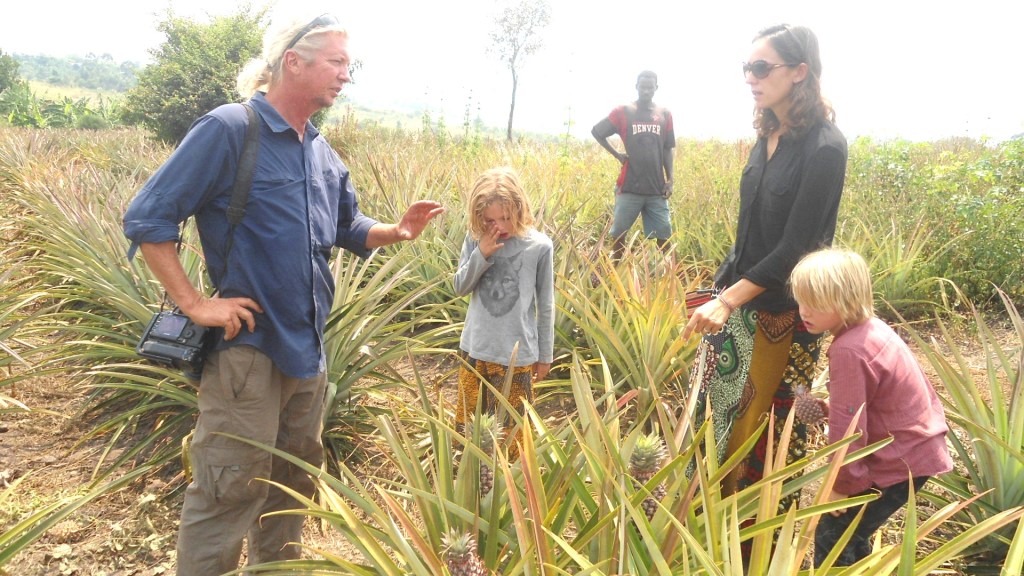
- Promoting Community Tourism: We empower local communities to participate in and benefit from tourism, preserving their cultural heritage, and creating sustainable livelihoods.
- Conserving Nature: We work to protect the unique biodiversity of the Rwenzori region through responsible tourism practices and conservation initiatives.
- Preserving Culture: We support the preservation of the diverse cultural heritage of the region, ensuring that traditions are passed on to future generations.
5. The Travel Mercy Fund Strategy: A Collaborative Effort
The Travel Mercy Fund operates through a multi-pronged strategy:
- Voluntary Contributions: We encourage all travelers to Uganda to contribute to the Travel Mercy Fund, regardless of their tour operator.
- Partnerships with Tour Operators: We seek to collaborate with tour operators to promote the fund and facilitate contributions from their clients.
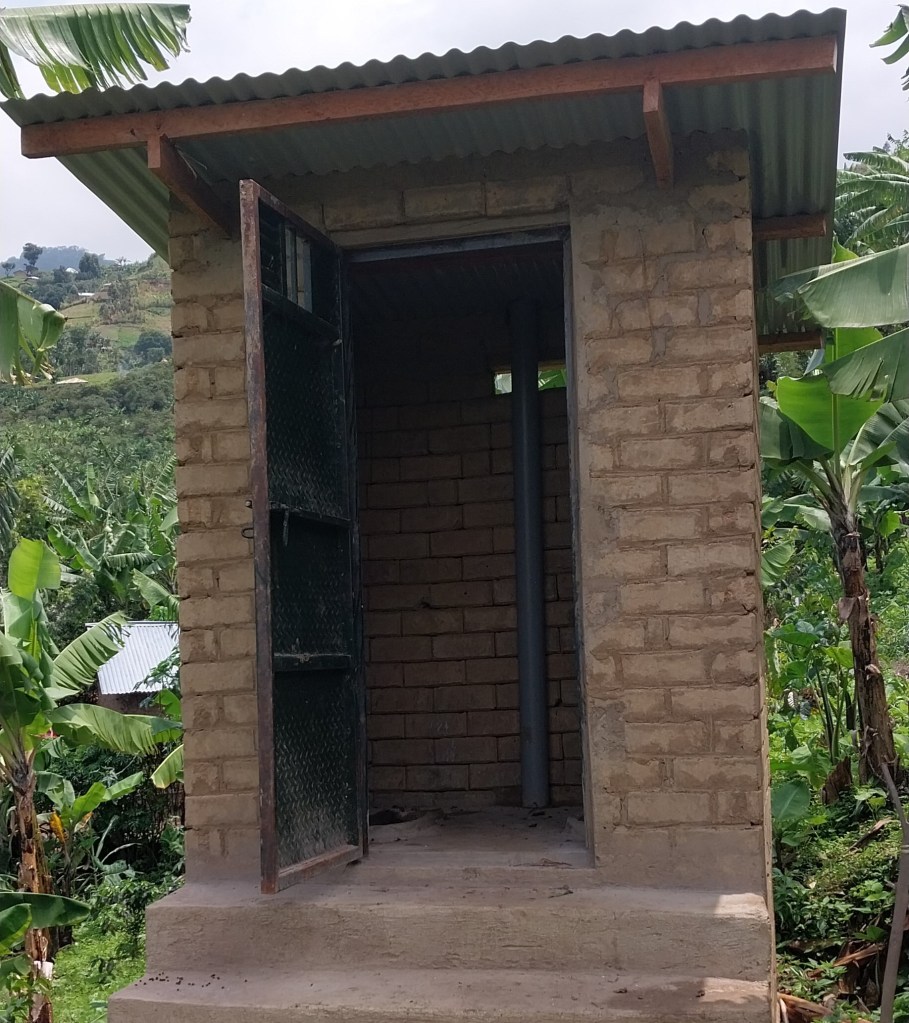
- Dedicated Tour Packages: Kitara Foundation offers specialized “Travel for Transformation” tour packages, with a portion of the proceeds going directly to the fund.
- Online and On-the-Ground Fundraising: We utilize online platforms and establish donation points at key tourism locations to maximize contributions.
- Corporate Partnerships: We engage with businesses to secure corporate social responsibility (CSR) funding for the fund.
6. The Impact: Tangible and Lasting Change
The Travel Mercy Fund supports projects that directly address the critical needs of vulnerable communities:
- Improving Health: Construction of children’s wards at existing health facilities and assistance with medical bills and transportation for those in need.
- Expanding Education: Building and equipping classrooms to provide access to quality education.
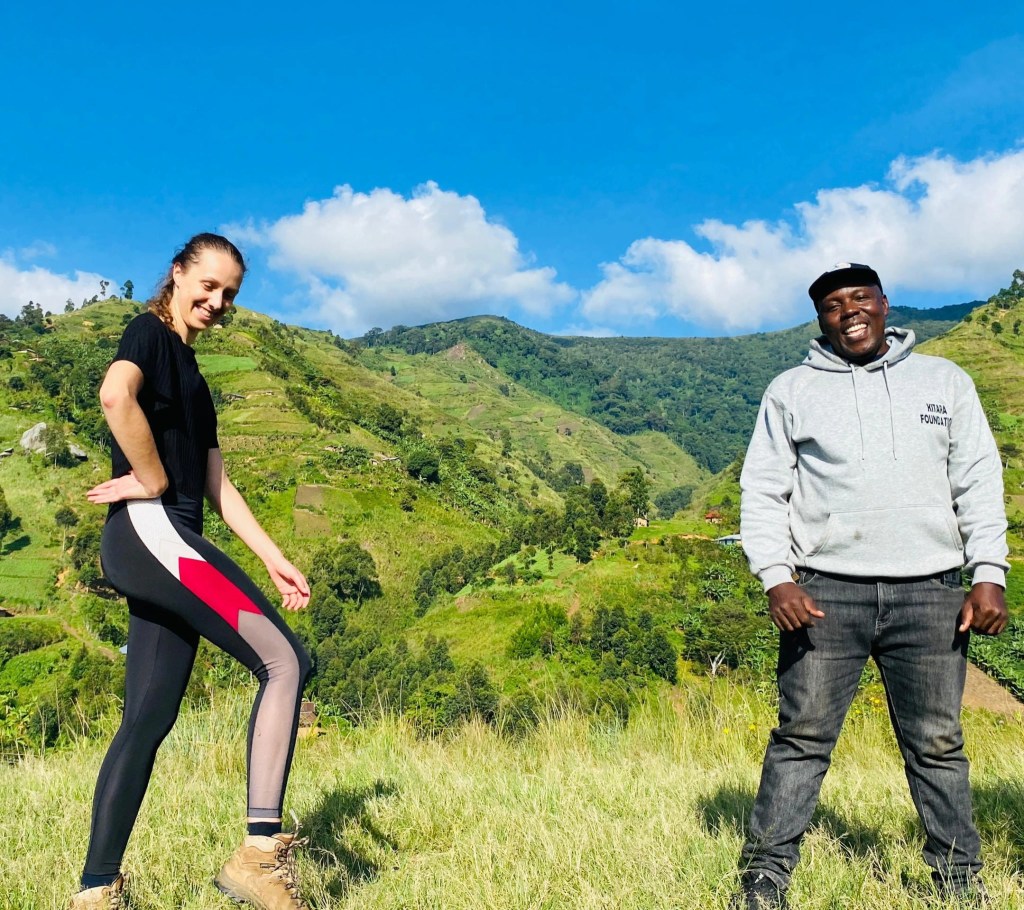
- Providing Clean Water and Sanitation: Constructing boreholes, protected springs, and latrines.
- Supporting Livelihoods: Implementing sustainable agriculture projects, promoting income-generating activities, and providing skills development.
- Protecting the Environment: Tree planting and environmental education programs.
7. Call to Action: Your Journey, Their Hope
We invite you to become a Traveler for Change. Your visit to Uganda can be more than just a memorable experience; it can be a source of hope and transformation for the communities of the Rwenzori region.
How You Can Contribute:
- Donate: Contribute to the Travel Mercy Fund through our website or at designated donation points.
- Partner: If you are a tour operator, contact us to explore partnership opportunities.
- Choose Kitara Foundation: Select our “Travel for Transformation” tour packages.
- Spread the Word: Tell your friends, family, and fellow travelers about the Travel Mercy Fund.
Even if you are traveling with another tour operator, your contribution to the Travel Mercy Fund will make a significant difference.
Ensuring Tourism Revenue Remains in Host Communities:
This is a crucial aspect of sustainable tourism development. For too long, tourism revenue has often leaked out of local economies, benefiting large corporations and external stakeholders more than the very communities that provide the attractions and cultural richness. Kitara Foundation’s focus on this addresses several critical issues:
- Economic Empowerment: By ensuring that revenue streams directly into the communities, it creates opportunities for local entrepreneurship, job creation, and improved livelihoods. This can manifest in various ways:
- Community-owned Lodges and Accommodations: Tourists stay in locally run establishments, with profits directly benefiting the community.
- Local Guides and Service Providers: Employing and training local individuals as guides, craftspeople, and transport providers ensures income generation within the community.
- Direct Sales of Local Products: Enabling artisans and farmers to sell their goods and produce directly to tourists, cutting out intermediaries.
- Revenue Sharing Mechanisms: Implementing systems where a percentage of park fees or tourism-related taxes is directly reinvested in community development projects (e.g., schools, healthcare, infrastructure).
- Poverty Reduction: Direct economic benefits from tourism can be a powerful tool in alleviating poverty within host communities, providing families with greater financial stability and access to essential services.
- Conservation Incentives: When communities directly benefit from tourism linked to natural or cultural heritage, they are more likely to become stewards of these resources, actively participating in their conservation and protection. This creates a symbiotic relationship between tourism and conservation.
- Cultural Preservation: Economic empowerment through tourism can provide communities with the resources to maintain their cultural traditions, knowledge, and heritage, preventing them from being eroded by external pressures.
Creating Lasting and Transformational Bonds Between Travelers and Host Communities:
This goes beyond the transactional nature of traditional tourism, aiming for a deeper and more enriching experience for both the traveler and the host. Kitara Foundation’s goal of fostering “lasting and transformational bonds” suggests a move towards:
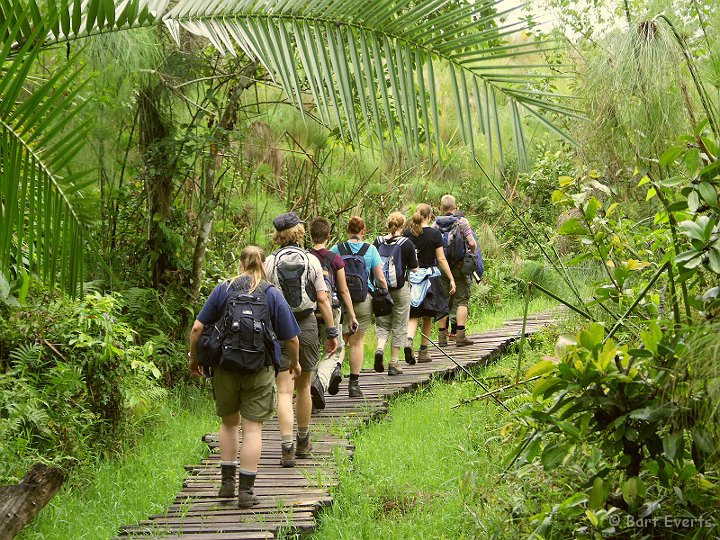
- Experiential Tourism: Encouraging travelers to actively engage with the local culture, participate in daily life (where appropriate and respectful), learn new skills, and gain a deeper understanding of the community’s traditions and perspectives. This could involve activities like cooking classes, craft workshops, storytelling sessions, or participating in local festivals.
- Responsible and Respectful Travel: Educating travelers on how to interact with communities in a way that is culturally sensitive, respectful of local customs, and minimizes negative impacts.
- Meaningful Interactions: Facilitating opportunities for genuine dialogue and exchange between travelers and community members, breaking down cultural barriers and fostering mutual understanding. This could involve homestays, community-led tours, or shared meals.
- Contribution Beyond Consumption: Encouraging travelers to contribute to the community in ways that go beyond simply spending money, such as volunteering time, sharing skills, or supporting local initiatives.
- Long-Term Relationships: Aiming to create connections that extend beyond a single visit, fostering ongoing dialogue and potential for future engagement. This could involve travelers becoming advocates for the community or supporting their development projects.
In essence, Kitara Foundation envisions a model of tourism that is not extractive but rather regenerative, leaving a positive and lasting impact on the communities that so richly contribute to the travel experience. It’s about shifting the focus from mere sightseeing to genuine connection, mutual respect, and shared prosperity. This approach not only benefits the host communities but also enriches the travel experience, making it more meaningful and memorable for the visitor.
Conclusion
The Travel Mercy Fund is more than a fundraising initiative; it is a movement to harness the power of tourism for social good. Join Kitara Foundation in making a lasting impact on the lives of the vulnerable communities in the Rwenzori region. Together, we can transform travel into a force for change.
Kitara Foundation for Regional Tourism
Website: www.kitararcc.com
Email: kitararcc@gmail.com
Phone Number: 256392156562 or 256772888149 or 256752888149
Social Media Handles: @kitaraTourism (X)


 COMMUNITY BASED TOURISM DEVELOPMENT AT KITARA FOUNDATION FOR SUSTAINABLE TOURISM: Transforming Communities through Travel Partnerships. Email: kitararcc@gmail.com;