
Unleashing Uganda’s Tourism Potential: The Power of Regional and District Tourism Investor Forums – Driven by the Kitara Foundation for Regional Tourism.

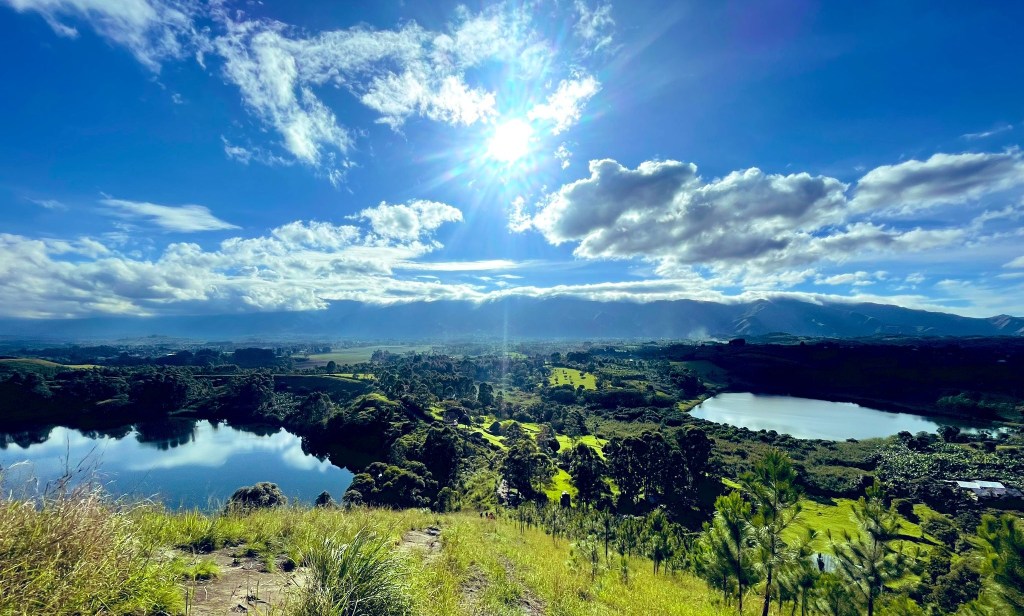
Uganda, the Pearl of Africa, is brimming with untapped tourism potential. From the majestic Rwenzori Mountains to the sprawling savannahs of Queen Elizabeth National Park, and the vibrant cultural tapestry woven across its districts, the opportunities are immense. Yet, to truly revolutionize this vital industry and unlock its full economic and social benefits, a collaborative, grassroots approach is essential. This is where Tourism Investors Forums at Regional and District levels come in, mirroring the inspiring example of the Kasese Tourism Investors Forum (KTIF), there is no doubt, the initiatives have capacity to cause a change, with countrywide mobilization, training, and capacity building, mainly with a distinct focus on Community-Based Tourism Development.
Replicating Tourism Success Across Uganda: The Kasese Tourism Investors Forum (KTIF) serves as an inspiring model, and its successes will be replicated in other districts throughout Uganda. The Kitara Foundation for Regional Tourism (KFRT) is dedicated to leading these initiatives, ensuring the valuable lessons learned in Kasese benefit the entire nation’s tourism sector.
The Kasese Tourism Investors Forum has demonstrated how a focused, local initiative can galvanize stakeholders and position a district as a formidable tourism destination. Through events like the Rwenzori Theluji Festival and active participation in national expos, KTIF is not just marketing Kasese; it’s building capacity, fostering partnerships, and addressing local challenges to create a sustainable tourism ecosystem. This model holds the key to transforming Uganda’s tourism landscape.

A Collective Vision: How Regional and District Forums Revolutionize Tourism
These forums will serve as dynamic platforms for dialogue, collaboration, and strategic planning. They bring together diverse actors to:
- Identify and Develop Local Tourism Products, especially Community-Based Tourism (CBT): Beyond the iconic national parks, each district and region possesses unique community assets – cultural sites, hidden waterfalls, local crafts, traditional experiences, and vibrant village life. KFRT, through these forums, will specifically facilitate the identification of these community treasures and their development into marketable, authentic CBT products that offer deep cultural immersion and direct benefits to locals.
- Bridge the Information Gap: Local communities and small-holder tourism entrepreneurs often lack access to market trends, best practices in sustainable tourism, and funding opportunities. Regional and District based forums will provide a crucial space for knowledge sharing, capacity building, and mentorship, ensuring no potential community tourism enterprise is left behind.
- Enhance Destination Marketing: By pooling resources and coordinating efforts at the regional level, districts can create a more cohesive and impactful marketing strategy that prominently features their unique CBT offerings, reaching wider audiences both domestically and internationally.
- Improve Infrastructure and Service Delivery: Forums, with technical support, can advocate for critical infrastructure improvements (e.g., accessible community trails, homestay upgrades, sanitation facilities) and promote comprehensive training in hospitality and customer care specifically tailored for community guides, homestay hosts, and local artisans, ensuring a high-quality visitor experience across the board.
- Foster Sustainable and Responsible Tourism: By involving local communities directly in the planning and management of tourism, and emphasizing conservation principles, these forums ensure that tourism development is environmentally sound, culturally respectful, and equitably benefits local people, preserving Uganda’s natural and cultural heritage for future generations.
The Role of Tourism Actors: A Symphony of Collaboration
To truly ignite this revolution, every sector must play its part:
- Private Sector (Small Holder and Large Investors):
- Innovation and Investment in CBT: Develop unique, high-quality products and services that reflect Uganda’s diverse cultural and natural offerings, prioritizing partnerships with community-based initiatives. Invest in local communities and sustainable practices.
- Collaboration & Fair Partnerships: Actively participate in forums, share best practices, and form equitable partnerships with community-based enterprises (e.g., large tour operators linking directly with community-run lodges, craft associations, and cultural experiences). Embrace the training and capacity building initiatives, particularly those focused on CBT best practices.
- Quality Assurance: Commit to high standards of service delivery and authenticity within CBT experiences, enhancing Uganda’s reputation with emphasis on service excellence and responsible tourism.
- Government (Local and National):
- Policy and Regulation for CBT: Create an enabling environment with clear, supportive policies and streamlined licensing specifically for community-based tourism enterprises, ensuring fair taxation that encourages local participation and investment. Collaborate with partners such as Kitara Foundation to align policies with grassroots CBT needs.
- Infrastructure Development: Prioritize investment in critical infrastructure that improves accessibility to tourism sites, particularly those supporting community-based tourism initiatives, guided by the insights from regional and district forums.
- Coordination and Support: Provide technical assistance, marketing support for diverse CBT products, and ensure security in tourism hotspots. District local governments play a crucial role in identifying local CBT potential and supporting community-based tourism ventures.
- Civil Society Organizations (CSOs):
- Community Empowerment & Engagement: Mobilize and empower local communities to actively participate in and directly benefit from tourism, ensuring equitable distribution of CBT revenues. This is a core function, often in direct partnership with Kitara Foundation’s outreach.
- Advocacy for Responsible Tourism: Advocate for responsible tourism practices, environmental conservation, and the protection of cultural heritage within CBT frameworks, amplifying the national sustainability message and advocating for community rights.
- Capacity Building & Skills Development: Provide specialized training and support to local communities in areas like handicraft production, guiding, homestay management, cultural interpretation, and local enterprise development, often co-delivered or guided by existing expertise in CBT.
- Bridge Building: Act as a crucial link between communities, private investors, and government, fostering trust and transparent collaboration within the CBT value chain, with the available overarching framework.

How Everyone Can Come On Board: A Unified Front Guided by the CBT Focus
The success of these forums hinges on inclusivity, a core tenet of best approaches to Tourism, particularly for Community-Based Tourism.
- Open Invitations to Communities: Kitara Foundation ensures forums are widely publicized and accessible to all, from rural craft makers and homestay owners to cultural groups and local guides, alongside large hotel chains and tour operators, through its extensive mobilization networks.
- Diverse Representation: Actively involve women, youth, cultural leaders, and community representatives directly in discussions and decision-making processes, guaranteeing broad participation and ensuring that CBT initiatives reflect local needs and aspirations.
- Practical Workshops & Experiential Learning: Beyond discussions, organize and deliver hands-on workshops on digital marketing, customer service, financial management for small enterprises, and product development, with a strong emphasis on leveraging unique community assets for tourism, turning insights into actionable skills.
- Mentorship Programs: Kitara Foundation facilitates structured mentorship programs where experienced investors and successful CBT practitioners guide and support emerging local entrepreneurs and community groups, fostering a culture of knowledge transfer and peer learning.
- Digital Platforms for CBT Marketing: Kitara Foundation will establish and promote online platforms and WhatsApp groups to facilitate continuous communication, networking, and information sharing, critically including platforms for communities to directly market their CBT products and services, extending engagement beyond physical meetings.

Small Holder and Large Investors: A Powerful Synergy, Catalyzed by the CBT Drive
Together, small-holder and large tourism investors can achieve what neither could alone, especially in the realm of CBT:
- Expanded, Authentic Product Offerings: Large operators can significantly diversify their packages by incorporating unique, authentic, and high-impact experiences offered by small community-based enterprises, identified and developed through local initiatives. This allows for deeper visitor engagement.
- Increased Market Access for Communities: Small community businesses gain vital access to broader domestic and international markets through partnerships with established tour operators and larger online platforms, connections often forged through networking events and B2B linkages.
- Enhanced Authenticity and Cultural Immersion: Large investors benefit immensely from the genuine cultural experiences, local insights, and direct community interaction that small-holder CBT businesses provide, enriching the overall tourist experience and meeting the growing demand for authentic travel.
- Sustainable and Equitable Growth: Ensure that collaboration leads to inclusive tourism development, where benefits are equitably distributed within local communities, strengthening local economies and contributing to the long-term environmental and social sustainability of the industry. This directly counters the traditional “leakage” of tourism revenue.
- Shared Risk and Resources: Joint ventures can help mitigate risks and leverage resources more effectively for shared infrastructure, community-led marketing campaigns, or even product diversification.
Formalizing and Recognizing the Working Force: The Enduring Legacy in CBT
To ensure these forums become a recognized and powerful force across the country, Kitara Foundation will be instrumental in their formalization, especially given their focus on CBT:
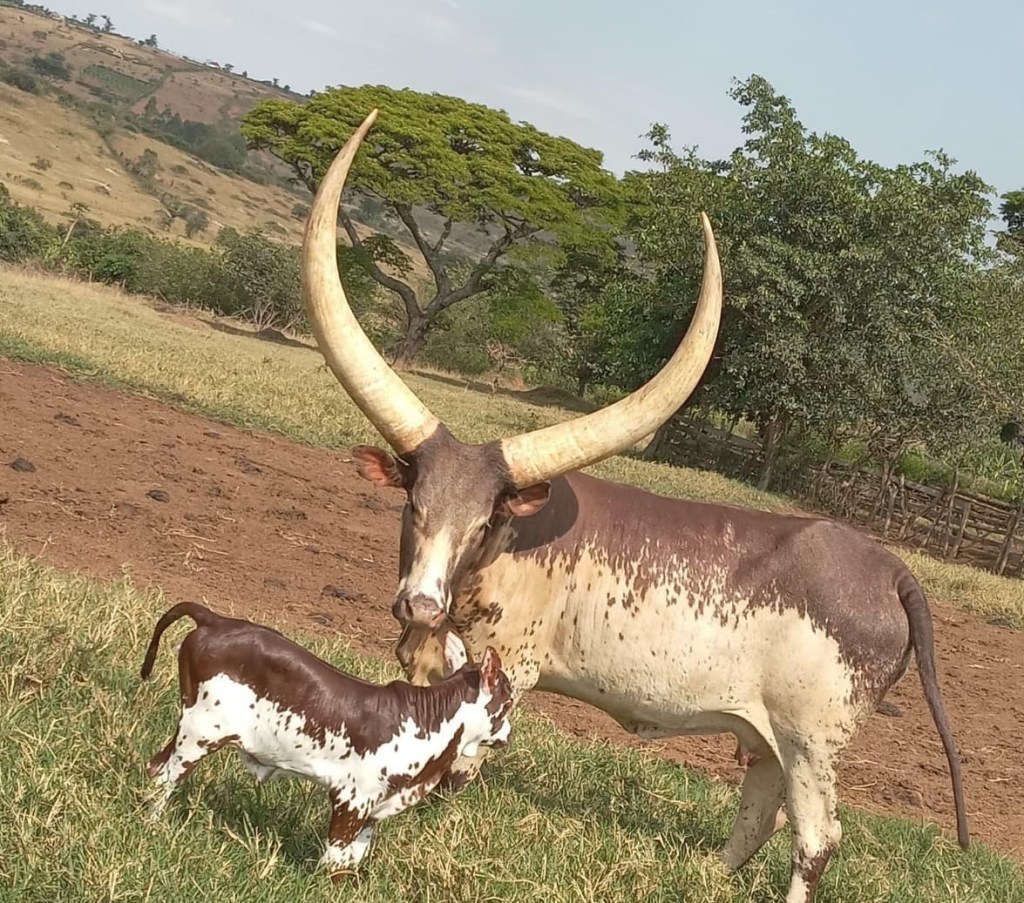
- Official Recognition of Forums & CBT Entities: Kitara Foundation advocates for and works towards the official recognition of District and Regional Tourism Investor Forums, as well as the formal registration and recognition of Community-Based Tourism Organizations (CBTOs) by the Ministry of Tourism, Wildlife and Antiquities and local governments.
- Structured Mandate for CBT: Develop clear mandates, objectives, and governance structures for each forum, with specific emphasis on how they will support and promote CBT development, ensuring accountability and effectiveness across the nation.
- Integration of CBT into Policy: Ensure that the insights and recommendations from these forums, particularly those related to community needs and CBT potential, are systematically incorporated into national and local tourism development policies and strategies, making them actionable and community-centric.
- Sustainable Funding Mechanisms for CBT: Identify and establish sustainable funding mechanisms, potentially through public-private partnerships, dedicated levies, or international grants, specifically to support the growth and development of community-based tourism initiatives and the forums’ activities.
- Performance Tracking & Impact Assessment: Implement robust metrics to track the impact of the forums on local tourism growth, job creation (especially for women and youth in communities), poverty reduction, cultural preservation, and environmental conservation through CBT, providing concrete evidence of their tangible contributions to Uganda’s inclusive development.

The Kasese Tourism Investors Forum is not just an example; it’s a blueprint for grassroots tourism revolution, made scalable and sustainable through the strategic initiation and driving force of the Investors in Tourism Industry in Kasese, with the profound commitment to Community-Based Tourism Development by the district local government and the cultural institution.

By embracing and formalizing similar initiatives across Uganda, engaging all tourism actors in a truly inclusive manner, and fostering a spirit of collaborative investment centered on communities, we can truly revolutionize the Pearl of Africa’s tourism industry, creating a vibrant, inclusive, and prosperous future for all Ugandans.
Mobilizing and Formalizing the Regional/district Tourism Investor Forum
The initial steps to establish the Forum involves (but not limited to);
Stakeholder Engagement: Reaching out to identified tourism and hospitality investors in a region or district to gauge interest and gather initial input.
Formation of a Steering Committee: Establishing a representative committee to guide the initial development of the Forum’s structure, objectives, and operational guidelines.
Defining Membership and Governance: Developing clear criteria for membership and establishing a transparent and inclusive governance structure.
Developing a Strategic Action Plan: Outlining key priorities, activities, and timelines for the Forum’s initial phase.
Securing Resources and Partnerships: Identifying potential sources of funding and exploring partnerships with relevant government agencies, tourism boards, and development organizations.
The Tourism Investors Forum represents a pivotal opportunity to unlock the immense potential of the city’s tourism sector. By fostering collaboration, driving innovation, and speaking with a unified voice, investors can collectively transform a region or a district into a leading tourism destination that benefits the entire community.
Leadership of the Tourism Investor Forum (The Board)
Its important that from the steering committee, the Forum establishes a board for equitable leadership. Board Roles distribution for the Tourism Investors Forum, outlines key responsibilities for each board member. This structure aims to cover essential aspects of tourism development, promotion, and sustainability within the region or district. Different Tourism Investor Forums can adopt different structures of the Board, the following is a general guide;
1. Chairperson: The Chairperson provides overall leadership and strategic direction for the Forum. They preside over meetings, represent the Forum at high-level engagements, ensure the implementation of resolutions, and act as the primary spokesperson.
2. Vice Chairperson: The Vice Chairperson supports the Chairperson in their duties and assumes leadership in their absence. They often take on specific projects or initiatives as delegated by the Chairperson and assist in stakeholder engagement.
3. Director – Finance & Admin: This role is responsible for the financial health and administrative efficiency of the Forum. This includes budgeting, financial reporting, fundraising, managing accounts, overseeing human resources (if applicable), and ensuring compliance with relevant regulations.
4. General Secretary: The General Secretary is crucial for the smooth operation of the Forum. They are responsible for managing communications, maintaining records, preparing agendas, taking minutes of meetings, and ensuring timely dissemination of information to members and stakeholders.
5. Director Youth in Tourism: This director focuses on engaging and empowering young people within the tourism sector. Their responsibilities include developing programs for youth training and skill development, promoting youth entrepreneurship in tourism, and advocating for youth inclusion in tourism policies.
6. Director Women in Tourism: This role champions the participation and empowerment of women in the tourism industry. They will work on initiatives that support women-led tourism businesses, provide training and mentorship opportunities for women, and address gender-specific challenges within the sector.
7. Director Tourism Growth & Development: This director is tasked with identifying opportunities for expanding the tourism sector in the region or district. This includes market research, product development, identifying new tourism niches, and developing strategies for increasing tourist arrivals and expenditure.
8. Director Sustainable Environment & Greening: Given the importance of natural resources to tourism, this role focuses on promoting environmentally responsible tourism practices. They will lead initiatives related to conservation, waste management, promoting eco-tourism, and advocating for policies that protect region’s natural beauty.
9. Director Biodiversity & Sports: This director will focus on leveraging the region’s rich biodiversity and potential for sports tourism. Responsibilities include promoting wildlife tourism, advocating for the protection of biodiversity hotspots, and developing and promoting sports-related tourism events and activities.
10. Director Cultural Heritage: This role is dedicated to preserving, promoting, and showcasing the rich cultural heritage of the region. This includes developing cultural tourism products, promoting heritage sites, supporting local artisans, and ensuring the authentic representation of the region’s culture.
11. Director Hotels and Accommodations: This director acts as a liaison between the Forum and the hospitality sector. They will address challenges faced by hotels and accommodations, promote quality standards, facilitate training for hotel staff, and advocate for policies that support the growth of this sub-sector.
12. Director Tour Operations and Transport: This role focuses on streamlining and enhancing the tour operations and transport aspects of tourism. They will work with tour operators to develop attractive packages, address logistical challenges, promote safe and efficient transport options, and advocate for supportive policies.
13. Director Diaspora and International Cooperations: This director is responsible for engaging with the region’s diaspora and fostering international partnerships. They will explore opportunities for investment from the diaspora, seek international collaborations for tourism development, and promote the region or district as an international tourism destination.
This distribution provides a comprehensive framework for the region’s Tourism Investors Forum to effectively address various facets of tourism development.
Subscribe to get regular updates on this and more developments and offers

 COMMUNITY BASED TOURISM DEVELOPMENT AT KITARA FOUNDATION FOR SUSTAINABLE TOURISM: Transforming Communities through Travel Partnerships. Email: kitararcc@gmail.com;