
Uganda prioritizes Sustainable Community-Based Tourism (CBT) because it is a more equitable and resilient model that can address key challenges in the country’s tourism industry. While traditional tourism often benefits large, foreign-owned companies, CBT ensures that a significant portion of the revenue remains within the local communities, leading to more inclusive economic growth, environmental conservation, and cultural preservation.

1. Economic Empowerment and Poverty Reduction
Traditional tourism often results in economic leakage, where profits are sent abroad instead of staying in Uganda. CBT, on the other hand, puts locals in control of tourism initiatives, such as homestays, cultural tours, and handicraft sales. This directly creates jobs and diversifies household incomes, particularly in rural areas where opportunities are limited. The revenue generated can be used to fund vital community projects, like building schools and health centers, leading to tangible improvements in the standard of living.

2. Environmental Conservation and Protection
Many of Uganda’s most popular attractions, such as gorilla trekking and wildlife safaris, are based on its rich biodiversity. Sustainable CBT provides a powerful incentive for communities to protect their natural resources.
- Direct Revenue Sharing: A portion of the revenue from tourism, particularly from national parks, is often shared with local communities. This money is used for local projects, which fosters a sense of ownership and encourages locals to participate in anti-poaching and conservation efforts.
- Alternative Income: By providing alternative sources of income, CBT reduces the community’s reliance on environmentally destructive practices like poaching and illegal logging.

3. Cultural Preservation and Authenticity
Uganda is known as the “Pearl of Africa” for its stunning natural beauty and diverse cultural heritage, with over 50 ethnic groups. Sustainable CBT moves beyond superficial interactions to offer authentic cultural experiences, like participating in traditional dances or visiting local farms. This approach:
- Preserves traditions: It creates a market for cultural practices and traditional knowledge, which helps keep them alive for future generations.
- Empowers communities: It allows local people to share their culture on their own terms, preventing the commodification and misrepresentation of their heritage.

4. Building a Resilient Tourism Sector
The COVID-19 pandemic highlighted the vulnerability of tourism to external shocks. CBT can help build a more resilient tourism sector by:
- Diversifying tourism products: It moves the focus away from a few major attractions (like gorilla trekking) to a wider range of cultural, rural, and nature-based experiences across the country.
- Promoting domestic tourism: By creating accessible and appealing experiences for Ugandans, CBT can help the industry withstand periods of international travel restrictions.
- Empowering locals: A tourism sector controlled by the community is more adaptable and responsive to local needs and challenges.
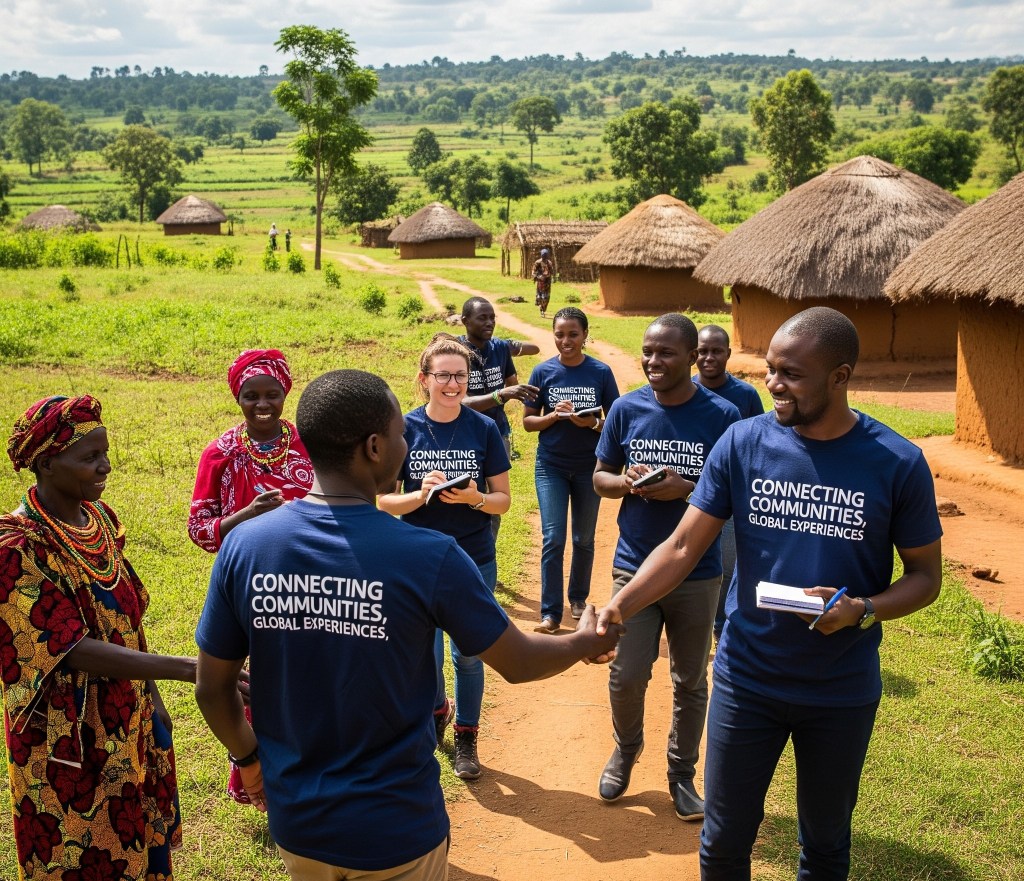
Sustainable community-based tourism (CBT) is an approach to tourism that focuses on empowering local communities to own and manage tourism initiatives for their own benefit. It’s a holistic model that blends principles from several related concepts to ensure positive outcomes for the community, the environment, and the traveler.
Community Tourism
Community tourism, also known as community-based tourism, is the core of this approach. It’s defined by the principle that the local community has significant control and ownership over the tourism activities that occur in their area. Unlike conventional tourism where profits often leak out to large corporations, community tourism ensures that a major portion of the economic benefits—from jobs to revenue—remain within the community. This can take many forms, from homestays and local food tours to cultural workshops and craft sales. The ultimate goal is to use tourism as a tool for economic and social development, with decisions made by the people who live there.

Eco-Tourism
Ecotourism is a subset of sustainable tourism that specifically focuses on nature-based travel. Its key principles are:
- Minimizing environmental impact.
- Educating travelers about the natural and cultural heritage of the destination.
- Providing direct financial benefits for conservation.
- Empowering local communities.
Sustainable CBT often incorporates ecotourism principles, especially in destinations with rich natural resources like rainforests or wildlife reserves. A community-run eco-lodge, for example, would be a perfect blend of these two concepts, where the local community manages the business, and the profits help fund local conservation efforts.

Rural Tourism
Rural tourism is a broad category that encompasses any form of tourism that takes place in a non-urban area. It’s about experiencing the countryside, its landscapes, and the traditional way of life. While rural tourism isn’t inherently sustainable, it is a key setting for sustainable CBT. Many community-based tourism projects are located in rural areas where communities use their unique agricultural practices, traditional crafts, and natural surroundings as the basis for their tourism offerings. The goal is to diversify rural economies and prevent depopulation by providing new income streams.

Soft Tourism
Soft tourism is an alternative to mass tourism that prioritizes a minimal impact on the environment and culture. It’s a mindset rather than a specific type of tourism. Tourists who engage in soft tourism are looking for authentic, immersive experiences and are willing to travel in a way that is respectful and low-impact. This often includes using local, eco-friendly transportation, staying in small-scale accommodations, and engaging in genuine cultural exchange with locals. Sustainable CBT is a practical application of soft tourism principles, as it is designed to provide these very types of authentic, low-impact experiences while directly benefiting the host community.
Sustainable Community-Based Tourism (CBT) is an approach that empowers local communities to own and manage tourism initiatives, ensuring that the economic, social, and environmental benefits are retained locally. It’s a holistic model that integrates various tourism types to create a more equitable and regenerative form of travel.
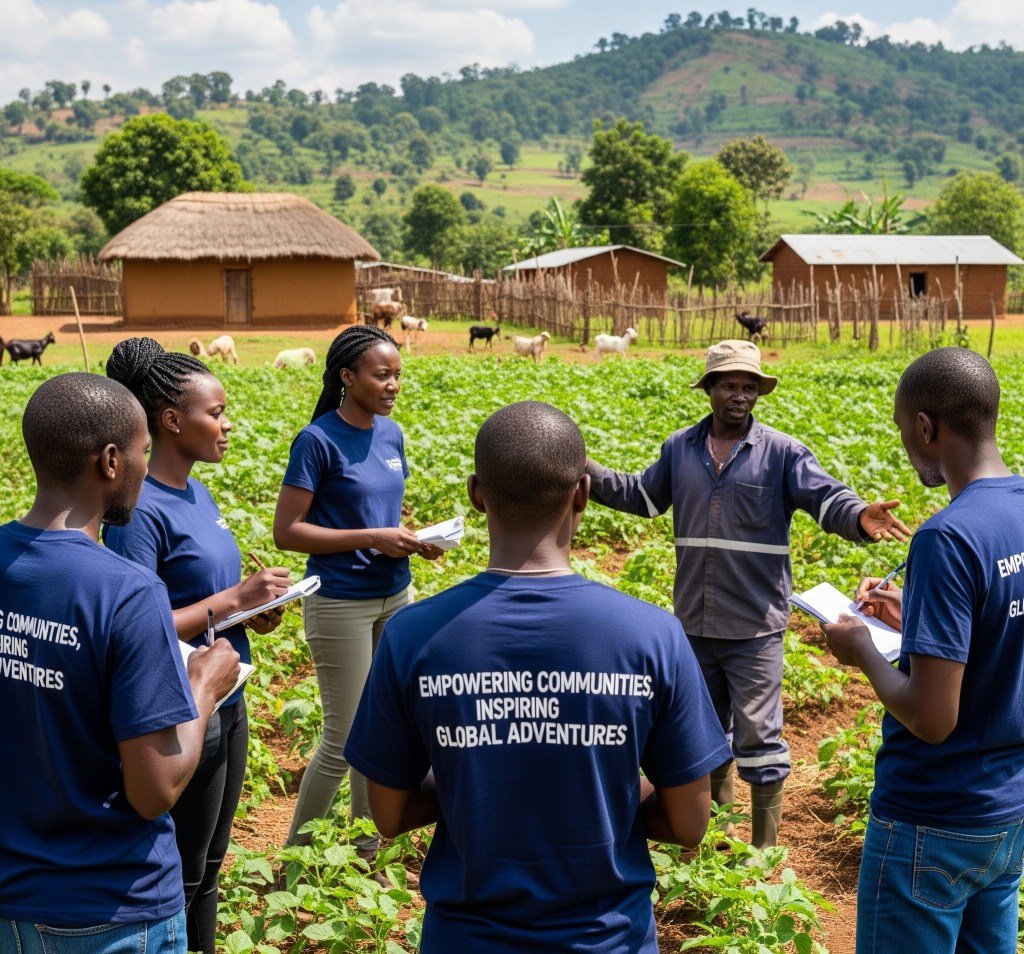
Benefits for a Sustainable Society
Sustainable CBT positively impacts society by addressing population, health, and accessibility.
- Population and Health: CBT provides an alternative source of income, reducing the economic pressure that often drives rural populations to urban areas. This helps maintain the social fabric of villages and supports local economies. The revenue generated from tourism can be directly reinvested in community development projects, such as improving local healthcare facilities, sanitation, and educational opportunities.
- Accessible Tourism: This is a critical component of sustainable CBT, ensuring that tourism is inclusive for people of all abilities, including those with disabilities, seniors, and families with young children. . By making accommodations and attractions accessible, communities can attract a wider range of visitors, increasing revenue and promoting a more inclusive and welcoming image.
- Community Tourism: As the cornerstone of this model, community tourism ensures that residents are not just passive recipients of tourism but active participants in its planning and management. This fosters a sense of ownership and pride, leading to greater community cohesion and empowerment. It also provides a platform for cultural exchange and mutual understanding between hosts and visitors.
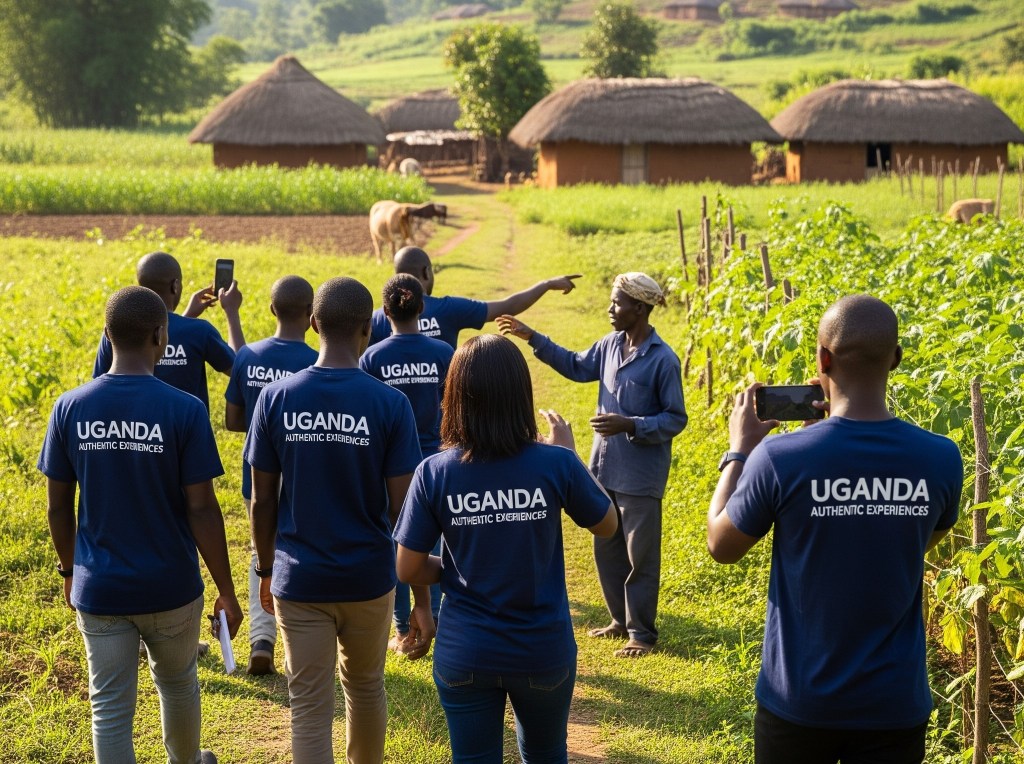
Benefits for a Sustainable Environment
Sustainable CBT is designed to protect and conserve the natural environment.
- Alternative Tourism: This is a broad term for tourism that is not mass tourism. It includes ecotourism, rural tourism, and adventure tourism, all of which often have a lower impact on the environment. Sustainable CBT, by its very nature, is a form of alternative tourism. It promotes unique, small-scale experiences over high-volume, generic ones.
- Low-Carbon Tourism: This specifically focuses on reducing the carbon footprint of travel. Sustainable CBT encourages the use of local, low-impact transportation, such as walking, cycling, or public transit. It also promotes staying in eco-friendly accommodations that use renewable energy sources and locally sourced products, thereby minimizing greenhouse gas emissions.
- Eco-Tourism: A key pillar of sustainable CBT, ecotourism focuses on responsible travel to natural areas that conserves the environment and improves the well-being of local people. Through ecotourism, communities can generate income by offering nature-based activities, such as wildlife viewing and guided hikes, with the profits often used to fund local conservation efforts.

Benefits for a Sustainable Economy
Sustainable CBT creates a resilient and equitable local economy.
- Political Economics: This refers to the power dynamics and distribution of wealth. In traditional tourism, profits often “leak” out of the local economy to foreign corporations. Sustainable CBT, however, empowers communities with a say in tourism development, ensuring that tourism revenues are distributed fairly among residents and reinvested into local projects. This reduces dependency on external actors and strengthens local governance.
- Circular Economics: This is an economic model that aims to eliminate waste and keep resources in use. In sustainable CBT, this means using local materials for construction, sourcing food from local farms, and creating value-added products from waste. For example, a community-run lodge might compost food waste for a local garden or use recycled materials for its handicrafts. This creates a self-sufficient system that minimizes environmental impact and boosts the local economy.
- Behavioral Economics: This field studies how psychological and emotional factors influence economic decisions. Sustainable CBT leverages this by “nudging” tourists toward more responsible choices. For example, a community might offer a discount for tourists who use reusable water bottles or prominently display a sign showing how their stay directly funds a local school. These small cues can encourage tourists to act in ways that are more beneficial for the community and the environment.

Benefits for a Sustainable Culture
Sustainable CBT safeguards and promotes local cultural heritage.
- Cultural Tourism: This is a powerful tool for cultural preservation. Unlike mass tourism which can commodify and dilute traditions, sustainable CBT allows communities to share their culture on their own terms. Visitors are encouraged to engage in authentic experiences like participating in traditional ceremonies or learning local crafts, which helps maintain and revitalize cultural practices.
- Rural Tourism: Many unique cultural traditions are found in rural areas. By bringing tourism to these regions, sustainable CBT provides an economic incentive to preserve rural heritage, including traditional farming methods, cuisine, and folklore. It helps prevent the loss of these cultural assets by making them a source of pride and income.
- Heritage Tourism: This focuses on visiting sites and monuments that are of historical or cultural significance. Sustainable CBT ensures that the revenue generated from these sites is used for their conservation and maintenance. It also involves the local community in the storytelling of their heritage, ensuring that the history presented to tourists is authentic and culturally sensitive.
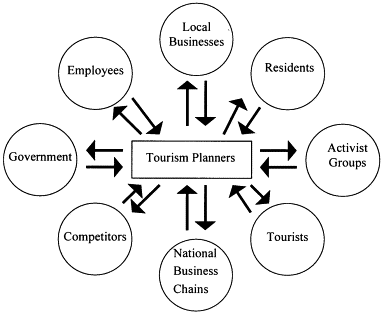
Sustainable Community Based Tourism Planning
Sustainable Community-Based Tourism (CBT) planning is a collaborative process that involves various stakeholders to ensure tourism activities are beneficial, equitable, and long-lasting for the host community. The inclusion and participation of these diverse actors are essential for creating a successful and truly sustainable model.
Local Government
The local government plays a crucial role as a facilitator and regulator. They are responsible for creating a supportive policy framework that allows CBT to flourish. Their participation should involve:
- Policy and Regulation: Drafting and implementing policies that prioritize community ownership and environmental protection.
- Infrastructure: Investing in basic infrastructure like roads, water, and sanitation, which benefits both residents and tourists.
- Marketing and Promotion: Supporting the marketing of community-led tourism initiatives, often by including them in broader regional tourism plans.
- Capacity Building: Providing training and resources to local residents on business management, hospitality, and sustainable practices.
Activist Groups
Activist groups, particularly those focused on environmental and social justice, are key watchdogs and advocates. Their inclusion ensures that the planning process is transparent and that community and environmental interests are protected. They can:
- Hold Stakeholders Accountable: Monitor tourism development to ensure it adheres to sustainable principles and doesn’t exploit the community or environment.
- Advocate for Marginalized Groups: Represent the voices of those who may be excluded from the planning process, such as women, youth, or indigenous populations.
- Raise Awareness: Educate both the community and tourists on the importance of sustainability and responsible travel behaviors.

Residents
Residents are at the heart of CBT, and their full participation is non-negotiable. They are the owners, managers, and beneficiaries of the tourism. Their inclusion should be more than just consultation; it must be about empowerment. Residents are involved in:
- Decision-Making: Actively participating in meetings to decide what kind of tourism is appropriate for their community, what activities to offer, and how to distribute profits.
- Product Development: Leveraging their traditional knowledge and skills to create authentic tourism products, such as cultural tours, handicraft workshops, and local cooking classes.
- Hosting: Providing direct services like homestays, guiding, and food preparation, which builds direct relationships with tourists and ensures income stays local.
Local Businesses
Local businesses, from small craft shops to guesthouses and restaurants, are vital to the economic success of CBT. Their participation ensures that tourism is integrated into the existing local economy. They are involved in:
- Supply Chains: Supplying goods and services to the tourism sector, such as food from local farmers and crafts from local artisans.
- Service Delivery: Providing authentic experiences and services that align with the community’s values and are distinct from mass-market offerings.
- Collaboration: Working together to create tourism packages and cross-promote each other’s services, which strengthens the local economy as a whole.

National Business Chains
National business chains, such as hotel groups or tour operators, can be involved but require careful management to prevent them from overpowering local initiatives. Their role should be one of partnership and support, not dominance. They can contribute by:
- Market Access: Providing a wider market for community-based tourism products by including them in their tour packages.
- Capacity Building: Offering training to local community members in professional hospitality standards, marketing, or management.
- Fair Sourcing: Committing to purchasing goods and services from local community businesses at fair prices.
Competitors
Even competitors—other local communities or businesses offering similar experiences—should be included in the planning process. This fosters a collaborative spirit rather than destructive competition. Competitors can:
- Share Best Practices: Exchange knowledge and lessons learned to improve the overall quality of tourism in the region.
- Develop Joint Packages: Create shared tourism routes or packages that benefit multiple communities, encouraging tourists to stay longer and spend more in the region.
- Resolve Conflicts: Establish a forum to address potential conflicts over resources or marketing, ensuring a cohesive and cooperative regional approach.

Employees
The employees of tourism-related businesses, whether community-owned or not, are essential to the tourist experience. Their well-being and involvement are key to a truly sustainable model. Their participation includes:
- Fair Employment: Ensuring they have fair wages, good working conditions, and opportunities for professional development.
- Feedback: Providing crucial feedback from the ground level on what’s working and what’s not, allowing for quick adjustments to be made.
- Cultural Ambassadors: Serving as cultural ambassadors for the community, sharing their stories and traditions with visitors.
Tourists
Tourists are not just consumers; they are also active participants in sustainable CBT. Their feedback and engagement are crucial for the long-term success of the initiative. Their inclusion can take the form of:
- Feedback Mechanisms: Providing feedback through surveys or direct interaction to help the community improve its offerings.
- Responsible Behavior: Adhering to codes of conduct established by the community to respect local culture and environment.
- Voluntourism and Exchange: Participating in voluntary activities or cultural exchanges that directly contribute to community development, while being mindful not to take away jobs from locals.
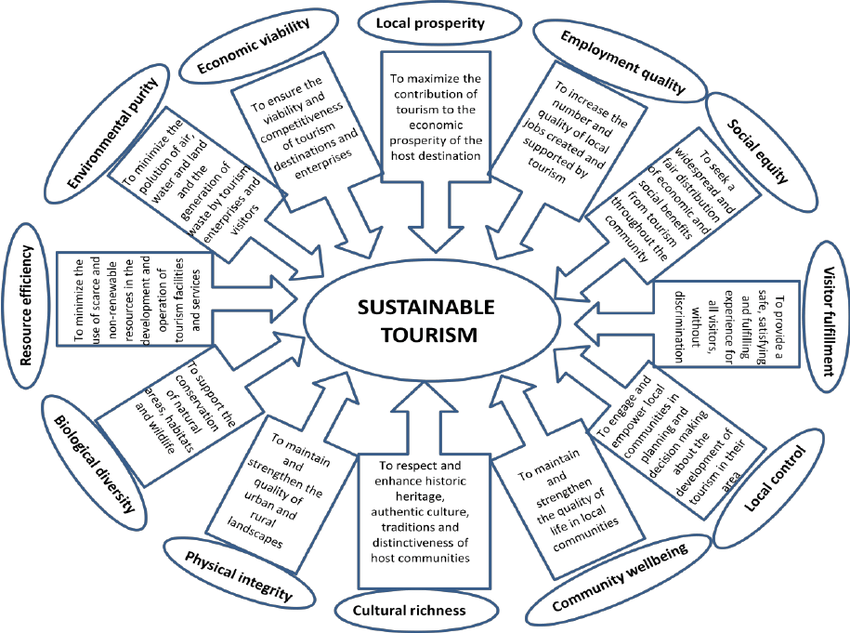
Sustainable Community-Based Tourism (CBT) is a holistic approach to tourism that integrates environmental, social, and economic sustainability. It’s not just about minimizing harm but also actively contributing to the well-being of the host community.

Environmental Factors
- Environmental Purity: This means maintaining and improving the quality of the local environment. Sustainable CBT aims to minimize pollution from waste, noise, and air. This can be achieved through responsible waste management systems, using eco-friendly transportation, and conserving resources.
- Resource Efficiency: It’s about using resources like water and energy wisely. CBT projects often adopt practices such as rainwater harvesting, solar power, and recycling to reduce their ecological footprint.
- Biological Diversity: Sustainable CBT actively contributes to the conservation of local flora and fauna. By creating economic value through wildlife viewing or nature tours, it provides communities with a direct incentive to protect their natural habitats and biodiversity.
Socio-Cultural Factors
- Culturally Appropriateness and Richness: This factor ensures that tourism activities respect and celebrate the local culture rather than commodifying it. It involves authentic cultural exchanges, where tourists learn from the community, and traditions are preserved and passed down through generations.
- Socially Just/Equity, Humane, and Gender Equality: This is a core principle of CBT. It means that the benefits of tourism are distributed fairly among all community members, including women, youth, and marginalized groups. It also ensures that tourism jobs are high-quality, humane, and do not exploit local labor.
- Community Well-being: This goes beyond economic gains. It considers the overall happiness, health, and quality of life for residents. CBT can improve well-being by funding social services like healthcare and education, fostering a sense of pride and ownership, and strengthening community bonds.
- Physical Integrity: This refers to protecting the integrity of a community’s physical spaces, landscapes, and historical sites. Sustainable CBT ensures that new tourism infrastructure is built in harmony with the natural and cultural surroundings, preventing damage to the environment and historical landmarks.
Economic and Managerial Factors
- Economically Viability: For a CBT initiative to be sustainable, it must be profitable enough to cover its costs and generate a surplus. This ensures the project’s long-term survival and ability to reinvest in the community.
- Local Prosperity: This is a direct measure of economic success. It’s about ensuring that the money generated by tourism stays within the community, creating a ripple effect that benefits local businesses and households.
- Employment Quality: It’s not just about creating jobs but creating decent, high-quality jobs with fair wages, good working conditions, and opportunities for skill development and career advancement.
- Local Control: This is arguably the most defining factor of CBT. It means the local community has a significant say in the planning, development, and management of tourism. This empowerment ensures that tourism aligns with their values and needs, preventing exploitation and cultural erosion.
Visitor Experience Factor
- Visitor Fulfillment: Sustainable CBT aims to provide tourists with a meaningful and authentic travel experience that goes beyond a standard vacation. When visitors feel they’ve made a positive impact, learned something new, and connected with local people, they are more likely to support the initiative, return, and advocate for it, ensuring its long-term viability.

Sustainable Community-Based Tourism (CBT) business management must integrate sustainability into every aspect of its operations, from initial planning to daily activities. This involves a strong commitment to responsible practices that benefit the environment, community, and tourists.
Responsibility Statement and Commitment
A responsibility statement is the foundation of a sustainable CBT business. It’s a formal declaration outlining the business’s commitment to ethical and sustainable practices. This statement should be visible to all stakeholders—employees, tourists, and the community—and should be a living document that guides all management decisions. It solidifies the business’s dedication to making a positive impact, rather than simply generating profit.
Energy Efficiency
Management must prioritize energy efficiency to reduce environmental impact and operational costs. This can be achieved through:
- Using renewable energy sources like solar panels.
- Installing energy-saving appliances and LED lighting.
- Implementing smart energy management systems that optimize electricity use based on occupancy.
- Encouraging low-impact transportation for tourists, such as walking, cycling, or using public transport.
Water Conservation and Waste Management
Effective water and waste management are essential for a sustainable CBT business.
- Water Conservation: This involves implementing measures like low-flow toilets and faucets, using rainwater harvesting systems, and educating both staff and visitors on the importance of conserving water.
- Waste Management: A sustainable business follows the “reduce, reuse, and recycle” principle. This includes minimizing the use of single-use plastics, creating on-site composting systems for organic waste, and establishing waste separation and recycling programs.
Greenhouse Gas Emissions and Carbon Offsetting Schemes
While it’s impossible to eliminate all emissions, a sustainable CBT business actively works to reduce its carbon footprint.
- Emission Reduction: This can be done by using local suppliers (reducing transport emissions), using eco-friendly building materials, and promoting low-carbon tourist activities.
- Carbon Offsetting Schemes: For unavoidable emissions, businesses can invest in verified carbon offsetting schemes. These schemes fund projects that reduce greenhouse gases elsewhere, such as reforestation projects or renewable energy initiatives, allowing the business to compensate for its impact.

Community Relations, Labor Practices, and Human Rights
Management must ensure the business operates in a way that is fair and beneficial to the local community.
- Community Relations: This involves actively engaging with the community, participating in local development, and respecting local traditions.
- Labor Practices: Fair and just labor practices are paramount. This includes providing fair wages, safe working conditions, opportunities for skill development, and not engaging in any form of exploitation.
- Human Rights: The business must respect and protect human rights, ensuring there is no discrimination based on gender, age, or background.
Positive Impact on Local Cultures
A sustainable CBT business actively promotes and preserves local culture.
- Cultural Preservation: Management must ensure that tourism activities do not commodify or degrade cultural practices. This can be done by providing authentic cultural experiences, where the community shares its heritage on its own terms.
- Enriching Experiences: Businesses can empower local artisans, performers, and guides, providing them a platform to share their skills and stories, thereby creating a positive feedback loop that strengthens cultural identity and pride.
Health and Safety
The health and safety of both tourists and the local community are non-negotiable. Management is responsible for:
- Risk Management: Identifying and mitigating potential health and safety risks associated with tourism activities, accommodations, and food services.
- Emergency Preparedness: Having clear emergency protocols and trained staff to handle medical emergencies or other unforeseen incidents.
- Sanitation: Ensuring high standards of hygiene and sanitation, particularly in food preparation and accommodation facilities.
Animal Welfare
If the business involves animals, management has a strict responsibility to ensure their well-being.
- Ethical Treatment: This means no animal cruelty, exploitation, or abuse for entertainment. Animals should not be forced to perform or work in unsafe conditions.
- Conservation: The business should support local conservation efforts and offer animal encounters that are respectful and non-intrusive, such as guided wildlife viewing from a safe distance, rather than direct interaction.
Community Based Tourism Stakeholders
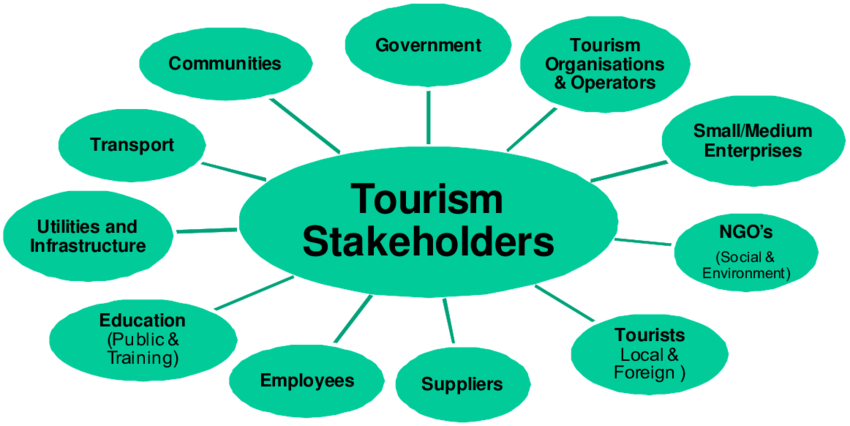
Stakeholders in Community-Based Tourism (CBT) are all individuals or groups who can affect or are affected by the tourism initiative. Their level of participation is key, with sustainable CBT requiring a move away from passive involvement to active collaboration and decision-making.
Community Based Tourism Stakeholders and their Level of Participation
- Local Community: This group, including residents and local businesses, should have the highest level of participation (citizen control). They are the owners and primary beneficiaries. Their involvement should be in every stage—planning, implementation, and management—ensuring that tourism aligns with their values and needs.
- National/Local Governments: Governments have a partnership or delegated power level of participation. They are crucial for creating a supportive legal and policy framework, providing essential infrastructure, and marketing the destination. However, their role should be to facilitate, not dominate, community initiatives.
- Non-Governmental Organizations (NGOs): NGOs often have a high level of collaboration and partnership. They can act as intermediaries, providing technical expertise, funding, and capacity-building to local communities, especially in the initial stages when communities may lack resources and experience.
- Tour Operators and Travel Agencies: Their participation is typically at the level of consultation and partnership. They are a vital link between the community and the market. While they don’t own the initiatives, their collaboration is essential for promotion, fair pricing, and bringing tourists to the destination.
- Hoteliers: Hoteliers’ participation varies from consultation to partnership. They can be powerful allies by integrating CBT products and services into their offerings, hiring local staff, and sourcing goods from the community.
- Tourists (Local and Foreign): Tourists’ participation is primarily at the consultation or passive involvement level. Their role is to provide feedback, adhere to local cultural and environmental guidelines, and support the local economy. In some cases, they may engage in voluntourism, offering skills or labor, but this must be carefully managed to avoid displacing local jobs.
- Suppliers: Suppliers, from local farmers to craftspeople, are at the partnership or collaboration level. Their businesses are directly integrated into the tourism supply chain, providing authentic products and services that define the CBT experience.
- Tourism Employees and Professionals: They are at a high level of collaboration in management and service delivery. They are the face of the business and provide valuable ground-level feedback.
- Community-Based Tourism Organizations (CBTOs): These organizations represent the community and are a key example of citizen control. They manage the initiatives on behalf of the residents, ensuring equitable benefit sharing and sustainable practices.
- Tourism Education Centres: These institutions have a supporting and collaborative role. They can provide training and research to help communities build skills, understand the market, and improve their management practices.
- Small/Medium Enterprises (SMEs): These businesses are integral to the economic viability of CBT, working at a partnership level to provide services and products that are authentic and locally owned.
- Infrastructure and Utilities: These are at a supporting or facilitative level. They provide essential services like roads and electricity, which are foundational to any tourism venture.
- Transport: Transport providers, both local and regional, have a collaborative role. They connect the community to the market and must be integrated into the CBT model in an efficient and sustainable manner.
Sustainable Community Based Tourism Stakeholders and their Roles
Sustainable CBT requires that all stakeholders be actively involved in a collaborative and structured way, ensuring their roles are clearly defined to achieve long-term success.
- Government Bodies: Their role is to act as enablers and regulators. They can be involved by:
- Enacting policies: Creating favorable legislation and policies that support community ownership and environmental protection.
- Providing funding: Offering grants and financial assistance for CBT projects.
- Marketing and promotion: Including CBT initiatives in national or regional tourism campaigns.
- Infrastructure development: Investing in basic infrastructure that benefits both the community and tourists.
- Tourism Industry (including the Hotel Industry): The industry’s role is to be a partner and collaborator. They can be involved by:
- Integrating CBT products: Including community-led tours, cultural experiences, and local products in their own offerings.
- Fair trade: Sourcing goods and services from the community at fair prices.
- Capacity building: Providing training and sharing expertise in areas like marketing and service standards.
- Non-Governmental Organizations (NGOs): NGOs act as facilitators and advocates. They can be involved by:
- Providing technical assistance: Helping communities with business planning, environmental management, and marketing.
- Advocating for the community: Ensuring the community’s voice is heard in policy discussions and protecting their rights.
- Mobilizing resources: Connecting communities to funding, expert networks, and other valuable resources.
- Specialized Media: The media’s role is to act as promoters and storytellers. They can be involved by:
- Telling the story: Creating and disseminating authentic stories about CBT to a wider audience, highlighting the positive social and environmental impacts.
- Raising awareness: Educating the public about the importance of sustainable and responsible travel.
- Experts: Academics, researchers, and consultants are knowledge providers. They can be involved by:
- Conducting research: Studying the impacts of CBT and providing data to help communities make informed decisions.
- Providing training: Offering specialized knowledge in areas like biodiversity conservation, cultural heritage management, and business development.
- Monitoring and evaluation: Helping communities track their progress toward sustainability goals.
- Voluntary Sector: The voluntary sector (e.g., local volunteer groups, religious organizations) acts as community builders. They can be involved by:
- Organizing community projects: Mobilizing residents to work on communal projects that benefit tourism, like trail maintenance or cleanup efforts.
- Providing social support: Strengthening social networks and providing services that improve community well-being, which in turn enhances the tourist experience.
- Tourists (Local and International): Tourists are participants and consumers. Their involvement is crucial for the success of CBT. They can be involved by:
- Responsible behavior: Respecting local customs, traditions, and the environment.
- Providing feedback: Sharing their experiences and providing constructive feedback to help communities improve.
- Supporting the local economy: Spending money on community-owned businesses and services.
- Local Community: The community is the owner and manager. They are involved in every aspect of the tourism venture. Their roles are:
- Decision-making: Determining the type of tourism they want, who participates, and how benefits are shared.
- Product development: Creating authentic, culturally rich experiences based on their traditions and local knowledge.
- Service provision: Working as guides, hosts, artisans, and performers, ensuring that the economic benefits directly stay with them.
The Kitara Foundation warmly invites you to join us in a transformative journey. We believe that travel can be a powerful force for good, creating positive change for both visitors and host communities. We are reaching out to you to connect for sustainable tourism through meaningful travel partnerships.
Why Partner with Us?
At Kitara Foundation, we are at the forefront of Sustainable Community-Based Tourism (CBT) in Uganda. Our mission is to empower local communities by helping them develop and manage tourism initiatives that directly benefit them. By partnering with us, you won’t just be a tourist; you’ll be a partner in our mission, helping to:
- Empower Local Communities: Your journey directly supports community-owned businesses, from homestays and local craft shops to guided cultural tours. This ensures that the revenue generated stays right where it’s needed most.
- Preserve Cultural Heritage: Experience the rich and diverse cultures of Uganda in a respectful and authentic way. Our partnerships are designed to promote cultural exchange and help preserve local traditions for future generations.
- Protect the Environment: Travel with a conscience. Our initiatives are rooted in eco-tourism principles, ensuring that your footprint is minimal and that a portion of your travel expenses goes directly into local conservation efforts.
Our Vision
We envision a world where tourism is a catalyst for sustainable development, connecting global travelers with authentic local experiences that foster mutual respect and prosperity. Your partnership is not just a trip; it’s an investment in a better, more equitable future for rural communities in Uganda.
How to Get Involved
We invite you to reach out to us to discuss how we can create a unique and impactful travel experience for you or your organization. Whether you’re an individual traveler, a tour operator, or a travel blogger, we have a place for you in our mission.
We offer training in Sustainable Tourism, follow this link to access our training resources. https://kitararcc.com/2025/08/13/tourism-training-resources/
Let’s travel with purpose. Let’s build a more sustainable and connected world, one journey at a time.

 COMMUNITY BASED TOURISM DEVELOPMENT AT KITARA FOUNDATION FOR SUSTAINABLE TOURISM: Transforming Communities through Travel Partnerships. Email: kitararcc@gmail.com;