
Discover Uganda’s Untamed Beauty: A Hiker’s Paradise
Uganda, often called the “Pearl of Africa,” is a land of breathtaking landscapes, diverse ecosystems, and vibrant cultures. While safaris are a well-known draw, the country offers an equally compelling adventure for nature and adventure lovers: hiking tourism. From snow-capped peaks to lush rainforests and savannah plains, Uganda’s hiking trails promise unforgettable experiences for every level of explorer.
Organizations Championing Ugandan Hiking
Several dedicated organizations are working to promote and develop hiking tourism in Uganda, ensuring sustainable practices and enhancing visitor experiences:
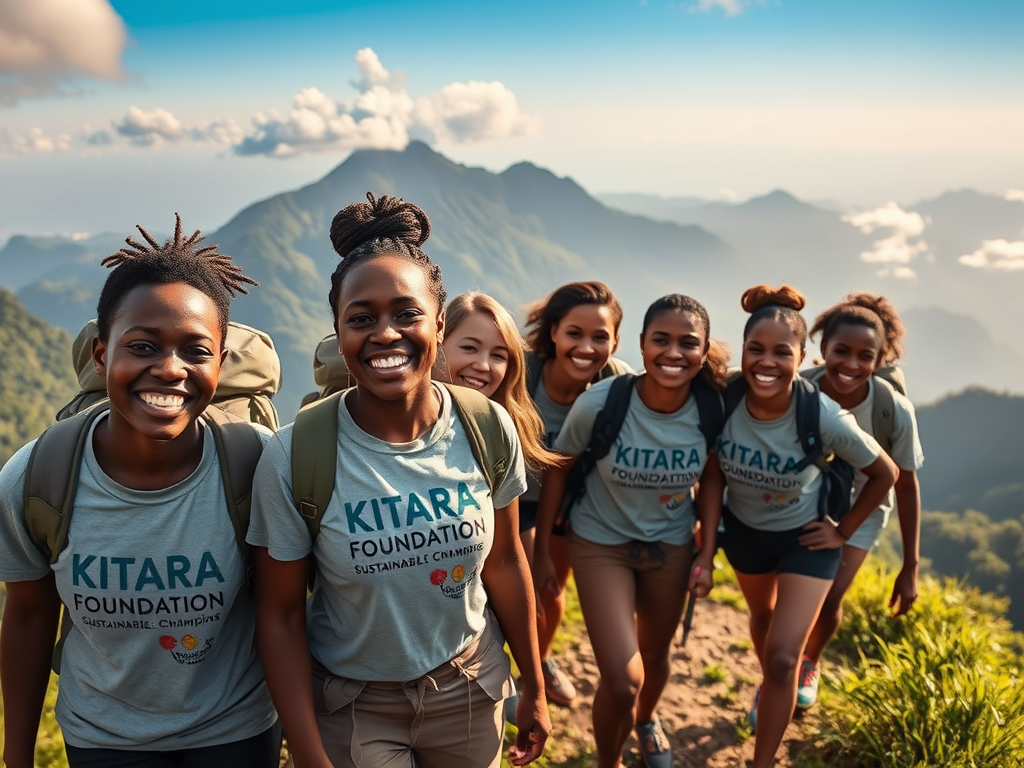
- The Kitara Foundation for Regional Tourism is a key champion for hiking tourism in Uganda, majorly in the Western region. It focuses on community-based tourism, working directly with local communities to develop and promote hiking trails and other tourism products. The foundation’s initiatives include supporting the registration of local tour operators, building the capacity of youth in tourism skills, and advocating for the development of infrastructure like trails and guesthouses. By linking tourists with community-led enterprises, the Kitara Foundation ensures that the benefits of hiking tourism directly reach the people who live and work in these areas, fostering a sense of ownership and promoting the preservation of local culture and nature.
- The Uganda Hiking Club is a prominent organization that has played a significant role in popularizing hiking among both locals and international visitors. It organizes a wide variety of hikes, ranging from easy city walks to challenging mountain ascents, making the activity accessible to people of all fitness levels. The club’s activities are centered on three core pillars: fitness and wellness, environmental conservation, and community and cultural exploration. Through its efforts, the club has transformed hiking from a niche hobby into a national movement, promoting domestic tourism, encouraging sustainable practices like waste management, and providing a platform for people to connect with each other and their country’s natural heritage.
- Uganda Wildlife Authority (UWA): As the primary conservator of Uganda’s national parks and wildlife, UWA manages many of the country’s most iconic hiking trails, ensuring their preservation and accessibility.
- Mountain Club of Uganda (MCU): This non-profit organization fosters mountaineering and hiking activities, organizing trips, providing training, and advocating for responsible outdoor practices.
- Regional clubs like the Mbarara City Hikers Club, Trekkers Club Ibanda, Kasese Hikers Club, Fort Portal Mountaineering Hikers and Fort Portal City Walkers have emerged, working together to make tourism more affordable and accessible for local travelers while promoting regional destinations and conservation.
- Mountain Slayers Uganda, which focuses on promoting mountaineering and the outdoor lifestyle among Ugandans through a calendar of scheduled hikes to various mountains and scenic destinations.
- Local Tour Operators: Numerous local tour companies specialize in hiking and trekking adventures, offering guided tours, logistical support, and tailored itineraries. Examples include Active African Vacations, Great Adventures Uganda, and Rwenzori Trekking Services.
- Community-Based Tourism Initiatives: Many local communities have developed hiking trails and cultural experiences, directly benefiting from tourism while showcasing their unique heritage.

The Profound Impact of Hiking Tourism
Hiking tourism offers a wealth of benefits, both for the individual adventurer and for Uganda’s economy and society.
Benefits to the Individual 🚶♀️
- Physical Health: Hiking is an excellent cardiovascular exercise, strengthening muscles, improving balance, and boosting endurance.
- Mental Well-being: Spending time in nature reduces stress, improves mood, and offers a sense of peace and accomplishment. The challenges of a long hike can also foster resilience and self-discovery.
- Connection with Nature: Hikers gain an intimate understanding of diverse ecosystems, flora, and fauna, fostering a deeper appreciation for environmental conservation.
- Cultural Immersion: Many trails pass through local communities, providing opportunities to interact with different cultures, learn about traditional ways of life, and savor local cuisine.

Benefits to the Economy and Society 📈
- Economic Growth: Hiking tourism generates revenue through park fees, accommodation, transport, and local purchases, creating jobs and stimulating local economies, especially in rural areas.
- Poverty Alleviation: Community-based tourism initiatives empower local residents, providing alternative livelihoods and reducing reliance on unsustainable practices.
- Infrastructure Development: The growth of hiking tourism often leads to improvements in roads, trails, and visitor facilities.
- Conservation: Tourism revenue directly supports conservation efforts, enabling the protection of critical habitats and endangered species. It also raises awareness about the importance of preserving Uganda’s natural heritage.
- Cultural Preservation: By engaging with local communities, hikers contribute to the appreciation and preservation of traditional cultures and knowledge.

Hiking Options Across Uganda’s Regions
Uganda’s diverse geography ensures a hiking experience for every preference, from challenging multi-day treks to leisurely nature walks.
Rwenzori Region 🏔️
Home to the Rwenzori Mountains National Park, a UNESCO World Heritage Site, this region offers some of Africa’s most challenging and rewarding treks.
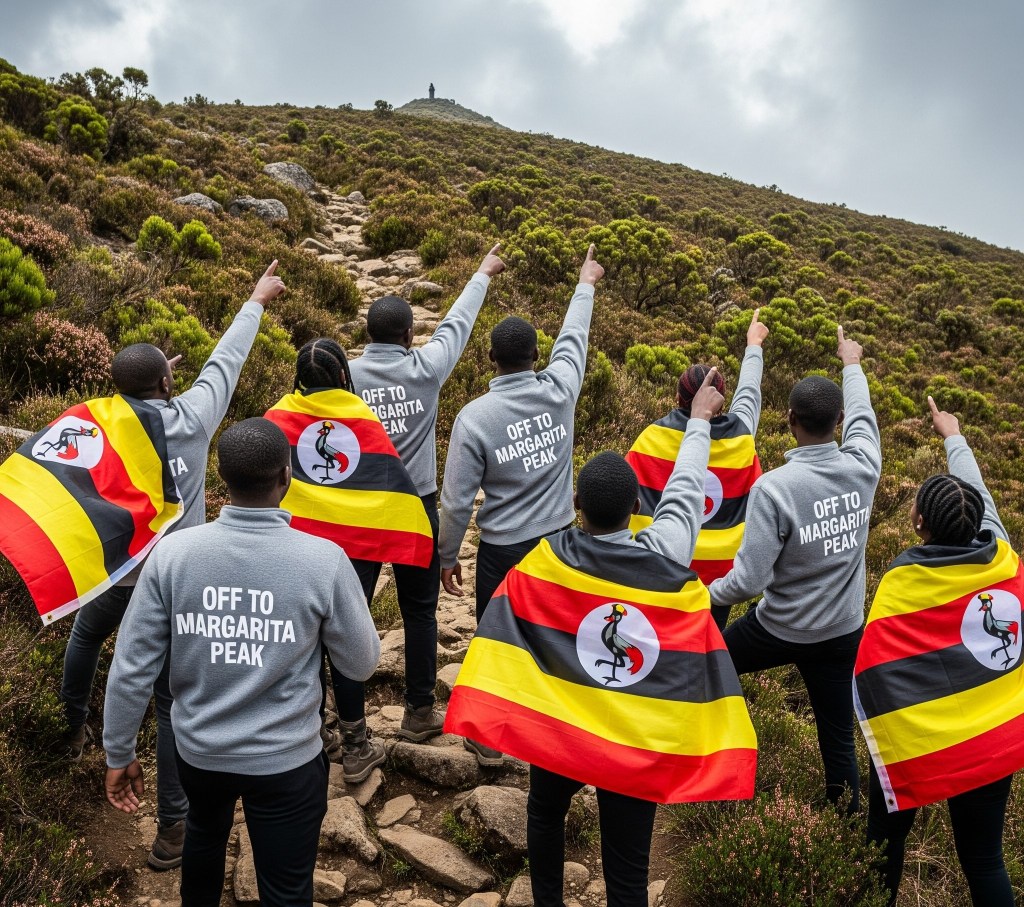
- Mount Stanley (Margherita Peak): Uganda’s highest point, offering a strenuous multi-day expedition through diverse vegetation zones, glaciers, and alpine lakes.
- Bundibugyo District: Hiking to Ngite waterfalls on the foothills od Rwenzori mountains with a visit to the famous Sempaya hot springs is an incredible experience in the region.
- Several other Rwenzori Hikes: Hike to Kororo waterfalls, Sebwe waterfalls, Kiima waterfalls and several others are incredible activities for hikers and nature lovers
Fort Portal Region 🐒
Known for its crater lakes and proximity to Kibale National Park.
- Crater Lakes Hikes: Explore a series of stunning volcanic crater lakes, offering moderate walks with beautiful scenery and opportunities for birdwatching.
- Kibale National Park: While famous for chimpanzee trekking, the park also has forest trails for nature walks.
- Karangura High Peak: A day hike to Karangura high peak in the Rwenzori mountains National Park is an incredible hike for nature lovers as it presents several primates, birds natueal forest and scenic views.
- Semuliki-Nyamitoto Hill; Located on the fringes of the Rwenzori range, Nyamitoto Hill is one of five hills this trail crosses on its way from the Semuliki Valley into the Semliki National Park. Both get their name from the meandering 140km River Semuliki that hugs the Ugandan border with Congo between Lakes Edward and Albert. Semuliki is a Luwisi word (the language spoken by the Bamba) to mean, “there’s nothing there”. As legend has it, a white man asked a woman crossing the river with a basket on her head for what was in her overly elaborate, super-sized basket to which she replied “Semuliki” or “nothing is there”. And thus a river was named.
- Sempaya Hot Springs Up until 1903, Semuliki National Park was called Bwamba forest and would be accessed freely by the local for subsistence and to perform their rituals. Legend has it that one day, two women who had gone to get water from the springs ran into a male stranger whom they took to the village chief and who was named Bamaga. He married a village belle called Nyansimbi. One day, the two lovebirds disappeared into the forest never to be seen again. The community embarked on a frantic search that resulted in them finding Nyamsimbi’s barkcloths at the female springs and Bamaga’s at the male spring. Thus the hot springs were named the male and female hot springs respectively. The Basaiga clan, to which these two belonged, still believe their people will come back at these springs and in fact, continue to perform cultural rituals at these sites.
Ankole Region 🐃
Characterized by rolling hills and savannah.
- Lake Mburo National Park: Guided nature walks offer a chance to spot zebras, impalas, and various bird species on foot.
- Ankole Hills: Presented in different districts of Ankole, such as the Buharwe hill with its rich history, Mwizi hills, Kakigani, etc. Mixed with the Ankole Long horned farm visits provides an incredible experience
- Early Man sites: Hike to the Early Man Stone age sites of Nsongezi in Isingiro is an incredible day into the History of Africa and its people
- Nyakahondogoro Caves: Hiking to Nyakahondogoro caves up Mabanga hill in Ibanda similar to Amabaare ga Mugore in Kazo is a hike into Ankole’s cultural history of the Bacwezi demi gods.
Kigezi Region 🦍
Often called the “Switzerland of Africa” due to its mountainous terrain and scenic lakes.
- Bwindi Impenetrable National Park & Mgahinga Gorilla National Park: While primarily known for gorilla trekking, these parks also offer challenging hikes with incredible biodiversity.
- Lake Bunyonyi: Gentle walks around the lake and to viewpoints offer stunning vistas of the islands and terraced hillsides.
- Mt Muhabura: A hike to Muhabura is a magical challenge with scenic views of Kigezi and neighboring countries such as Rwanda
- Mt Sabinyo: Located in Kisoro also like Mt Muhabura, Sabinyo is a challenge but rewarding hike offering physical and sight benefits to the hikers
- Kabale Hills: Kabale hills such as Makanga and rural hills such as Maziba present good hiking grounds. Moved with residents introduces you to the history and culture of the Bakiga people
- Mount Gahinga (3,474 metres) is the shortest of the eight mountains in the Virunga range in Rwanda, Uganda, and Congo. As its stature implies, Gahinga means “pile of rocks” in Rufumbira and Kinyarwanda. Though it has one of the shortest trails (approximately 5 hours), it is not to be underestimated! Expect slippery rocks and some wooden ladders on the way to the top.As well as being important for wildlife, this national park also has cultural significance, in particular for the indigenous Batwa pygmies. This tribe of hunter-gatherers was the forest’s “first people.” Mgahinga National Park is Uganda’s smallest, only 33.7 km2, yet boasts some of its richest wildlife diversity.
Buganda Region 🌳
The central region, including the capital Kampala, has surprising pockets of nature.
- Mabira Forest: East Africa’s largest rainforest, offering nature trails for birdwatching and forest walks just outside Kampala.
- Ngamba Island Chimpanzee Sanctuary: Gentle walks within the sanctuary area.
- Kampala: Covering the seven hills of Kampala with several natural and infrastructure developments offer an incredible experience for visitors to the country’s capital city.
- Muduma Trail; The hike starts at a campsite in Buyongo, 40km from the General Post Office. At the point of exiting Northern bypass towards Bulenga/ Buloba, one will cover 34km before branching off the main road, and then 6km on a gravel road. Explore Muduma on a round-trip moving through the villages of Mawugulu, Jimbi, Magala, Kikwabanga, Bwereje, Walukono, Buzimwa – Katuuso and back to Buyongo.
- Kampala Railway Line;Trace the historical Kampala Railway Line across town, through bustling markets, industrial areas and back-alleys, and end it with delicious fish and a cool beer at Port Bell. This Kampala trail is a perfect Sunday outting. Starting from Nateete, follow the train tracks east to the railway workshop in Nalukolongo. Continue through Ndeeba, Kibuye and Nsambya to the Kampala terminus, then take the junction at Mukwano to Namuwongo and finish at Port Bell Luzira.
- Bulange-Naggalabi Trail; The 1-day trail begins at Bulange, the parliament (Lukiiko) of Buganda, and takes you via the Royal Mile to Lubiri Palace, then onwards to the Kabaka’s Lake and Mackay’s Cave, before setting off on a 15 km trip that ends at King’s College Buddo and the Naggalabi-Buddo Coronation site.
- Bigo Bya Mugenyi: A visit to Bigo Bya Mugenyi in Sembabule similar to other visits such as Mubende rocks is a cultural adventure into the rich history of Bacwezi Demi gods and the people of Uganda
Busoga Region 🌊
Located along the Nile River, known for its agricultural landscapes.
- Jinja (Source of the Nile): While not traditional hiking, riverside walks and explorations around the source of the Nile offer pleasant strolls.
- River Nile Activities: Rafting, tubing, swimming, water bicycle racing and village walks give a rich experience along the world’s longest river
- Kagulu Hill: The main and most well-known location for hiking tours in the Busoga region is Kagulu Hill, also known as Kagulu Rock, which offers accessible steps to the top and panoramic views of the surrounding landscape. Other nearby areas with potential hiking include the vicinity of Itanda Falls for a more rugged experience. Situated in the Buyende District, it is a historical landmark and the site of the first settlement of the Basoga people.

Eastern Region & Elgon Region ⛰️
Dominated by Mount Elgon and its surrounding areas.
- Mount Elgon National Park: Offers various multi-day treks to its caldera and peaks (Wagagai, Jackson’s Summit), featuring waterfalls, hot springs, and caves.
- Sipi Falls: Hikes around the three magnificent waterfalls, offering stunning views and cultural interactions with local communities.
Karamoja Region 🌄
A rugged, semi-arid region with unique cultural experiences.
- Kidepo Valley National Park: While known for safaris, guided nature walks and hikes in the Morungole Mountains offer incredible wilderness experiences and cultural encounters with the Karamojong people and their life around cows.
- Mt Morungole; Get off the beaten track to climb Mount Morungole in one of the most remote corners of Karamoja. Mt Morungole features exciting and dramatic landscapes, creating an illusion of rocks that are about to topple onto Kaabong at any time. Passing through the fabled Ik community is a cultural highlight. The actual summit of Morungole is a place of immense spiritual significance to the Ik and out of bounds to visitors, but you can head to an alternative peak and take in the stunning views of Kidepo Valley National Park.
- Mount Moroto; This is an ancient volcano whose name means “westward mountain” to the Karamojong people, signifying the mountain they initially saw when settling in this remote corner of Uganda. The mountain lies on an escarpment of the Eastern Rift Valley. The slopes of Mount Moroto are populated by the Tepeth. The Tepeth still maintain cattle herds in their kraals, their thatched huts, which can be spotted across the ridges. This hike will give you a glimpse into the still wild parts of Uganda’s northeastern corner.
- Mount Kadam; The beautiful Mount Kadam is the second highest mountain of the Karamoja region with the highest peak at 3,063 meters. Mount Kadam is a volcanic mountain that offers spectacular climbing opportunities and beautiful vistas. The mountain is a part of the Pian-upe Wildlife Reserve and is home to many tribes, including the Kadama, Sebei Pokot, Karamojong, Gishu and Tepeth. You are likely to meet many of them on the mountain, as the trails developed will pass by (or in some cases through) their settlements.
Lango Region 🦒
Flat, open plains and wetlands.
- Pian Upe Wildlife Reserve: Though largely a safari destination, guided walks can be arranged to explore specific areas and spot unique wildlife.
- Otuke Hills; For nature enthusiasts, the Otuke Hills offer a perfect hiking adventure with breathtaking views of the surrounding landscape. Bird watchers will find joy in the Ajai Wildlife Reserve, home to a variety of bird species and other wildlife. The serene Lake Kwania is ideal for fishing and boating, providing a peaceful retreat from the hustle and bustle.

West Nile Region 🏞️
Bordering South Sudan and DRC, with varying terrain.
- Murchison Falls National Park: While renowned for the falls and wildlife, guided nature walks are available in specific sectors, offering close encounters with the flora and fauna.
- Mt Oce: Mt Oce is located in Moyo District, and stands at 1,563 metres above sea level, offering stunning views of the Albert Nile as it leaves Uganda and crosses into South Sudan, where it changes name to the White Nile. You also get to enjoy views of the surrounding Erende mountain ranges and neighbouring Mountains Ilo and Buce, which straddle the border with South Sudan.
- Mt.Oce Forest Reserve, a wooded savanna dotted with bush and thicket which is shelter to 168 bird species and 261 tree species; thus providing epic vistas and sun filtering canopies throughout the trail.
- The Mount Kei Forest Reserve is a former white rhinoceros sanctuary along the Uganda-South Sudan Border. It covers parts of Yumbe and Koboko districts in North Western Uganda and is bordered by Lynia County on the South Sudan side. The forest reserve lost its rhino population and much of its the wildlife to poaching, and the Uganda Wildlife Authority has since handed management to the National Forestry Authority. While the reserve remains a rich biodiversity habitat, cross-border criminals roam its boundaries and evade law enforcement, and opportunist farmers till its land.
Acholi Region 🐘
Similar to Lango, with open savannahs.
- Kidepo Valley National Park (partially extends here): Similar hiking opportunities as described for Karamoja.
- Agoro Hills: A heartwarming journey through some of the most beautiful places in Acholi land. You’ll hike the towering Agoro Hills, feel the force of Aruu Falls, and walk through historic sites like the Lukodi War Trail and Fort Patiko. Along the way, enjoy the lively rhythms of Acholi traditional dances, with the beat of drums and the sound of calabashes filling the air. This unforgettable 8-day, 7-night adventure is packed with fun, culture, and discovery inviting you to see, feel, and experience the true spirit of Acholi like never before.
Bukedi Region 🌾
Agricultural heartland.
- Local Community Walks: Opportunities for walks through villages and farmlands, experiencing rural Ugandan life.
- Wanale Mountain Peak: This is a breathtaking destination offering stunning panoramas and a rich cultural experience. As you ascend Wanale, you are treated to awe-inspiring views of the Bukedi region and even Teso land, making it a perfect spot for birdwatching, photography, and connecting with local culture.
Bunyoro Region 🦛
Home to Murchison Falls National Park.
- Murchison Falls National Park: As mentioned, guided walks provide a different perspective of the park’s ecosystems.
- Oil Areas: Hiking to the oil areas of Kikube, Buliisa and Hoima offers suitable grounds for all sorts of hikers.
- Musaijamukuru Hill; As the name suggests Musaijamukuru hill is believed is to be oldest and father of all hills in the region. It is also believed to be the highest in the region. Musaijamukuru Hill is located at an elevation of 1,215 meters above sea level. The hill is found in Musaijamukuru village, Buhimba Sub County about 15kilometers away from Hoima town on the Buhimba-Kakumiro-Mubende road. The hill may not be any far different from other hills but the great cultural and historical importance attached to it is what matters.
Sebei Region 🏃♀️
Known for its high-altitude training for athletes on the slopes of Mount Elgon.
- Mount Elgon Trails: Similar to Bugisu, offering access to the Elgon routes and scenic walks through charming villages.
- Sipi Valley: Hiking the Sipi waterfalls and closing your day with abseiling and Bugisu coffee experience is an amazing activity.
Teso Region 🌅
Flat, fertile plains.
- Lake Kyoga: Walks along the shores of this expansive, irregular lake offer birdwatching and insights into fishing communities.
- Kachumbala rock in Bukedea district Kachumbala rock is a glance of beauty at its top. A treasure to keep you physical fit. A truthful representation of wondrously geographically formed features. Best activity to do for the physically fit ardent travellers that are ready to overcame any obstacle to have the best. At the top of this rock is the awful sight of what none imagines.
Tooro Region 👑
Encompassing Fort Portal and part of the Rwenzoris.
- Amabere Caves: Easy walks to explore these historical caves and a nearby waterfall including hiking to Kyeganywa hills.
- Rwenzori Foothills: Less strenuous hikes exploring the lower slopes of the Rwenzori Mountains, with stunning views of the peaks.
- Crater Lakes Excursins: Covering Kasenda Crater lakes such as Lake Nyinambuga, Mwaba, Mwitampungu, Rwetera, etc and the Mahoma waterfalls including hiking to Rwajimba hot springs
- Kyegegwa rocks: Hiking to Kyegegwa rocks and waterfalls is an amazing activity for moderate level hikers. A day in Kyegegwa wild offers a satisfying adventure
Your Adventure Awaits!
Whether you dream of conquering a snow-capped peak, trekking through a dense rainforest, or enjoying a leisurely stroll by a serene lake, Uganda has a hiking adventure waiting for you. Come and discover the Pearl of Africa on foot – connect with nature, challenge yourself, and create memories that will last a lifetime.
We invite all nature and adventure lovers, both local and international, to explore the unparalleled beauty of Uganda through its incredible hiking trails. Your journey begins here!
Contact us;


 COMMUNITY BASED TOURISM DEVELOPMENT AT KITARA FOUNDATION FOR SUSTAINABLE TOURISM: Transforming Communities through Travel Partnerships. Email: kitararcc@gmail.com;