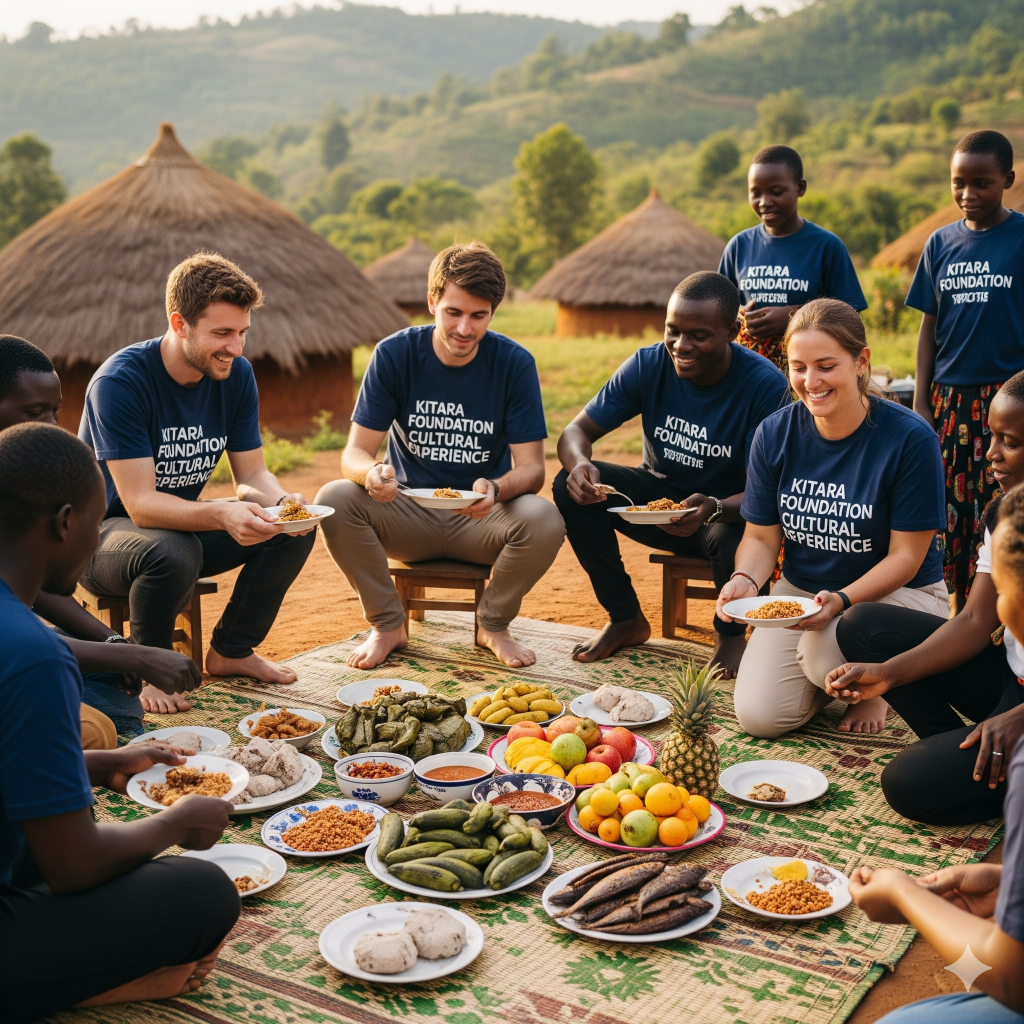
Uganda, the “Pearl of Africa,” is renowned for its breathtaking landscapes and abundant wildlife. But beyond the majestic gorillas and the sprawling savannas lies an even richer treasure: its vibrant and diverse cultural heritage. At the Kitara Foundation for Sustainable Tourism, we believe that true travel means connecting with the heart of a destination, and in Uganda, that heart beats to the rhythm of its many cultures. Join us on an unforgettable journey along Uganda’s cultural trail, where authentic experiences await at every turn.

The Enduring Importance of Cultural Tourism in Uganda
Cultural tourism in Uganda is a powerful force, beneficial for both the nation and its visitors.
For Uganda:
- Preservation of Heritage: It provides a strong incentive for communities to preserve their traditions, languages, and historical sites, ensuring they are not lost to modernization.
- Economic Empowerment: Cultural tourism creates direct income for local communities through guiding fees, sales of handicrafts, and cultural performances, fostering sustainable livelihoods.
- Pride and Identity: It instills a sense of pride among Ugandans in their diverse heritage, strengthening national identity.
- Cross-Cultural Understanding: It facilitates dialogue and understanding between different ethnic groups within Uganda and with international visitors.
For Visitors:
- Deepen Understanding: It offers a deeper, more meaningful travel experience beyond typical safaris, providing insights into human history and ways of life.
- Personal Growth: Engaging with different cultures broadens perspectives, challenges assumptions, and fosters empathy.
- Authentic Connection: It allows for genuine interactions with local people, creating memorable and personal connections.
- Educational Value: Visitors gain knowledge about diverse customs, beliefs, and artistic expressions.
An Authentic Cultural Experience in Uganda:

The Batwa Trail in Mgahinga
Imagine stepping back in time, deep into the ancient forests of Mgahinga Gorilla National Park. Here, you can embark on the unique Batwa Cultural Trail, an experience that offers a profound insight into the lives of the “keepers of the forest.” The Batwa people, once hunter-gatherers of the rainforest, guide you through their ancestral home, sharing their traditional hunting techniques, demonstrating fire-making without matches, and recounting ancient legends. You’ll learn about their medicinal plants, listen to their enchanting songs and dances, and even enter a replica of their traditional grass huts. This isn’t a performance; it’s an intimate invitation into a way of life that has sustained itself for centuries, offering a truly authentic and humbling encounter.
The Karamojong Cultural Experience
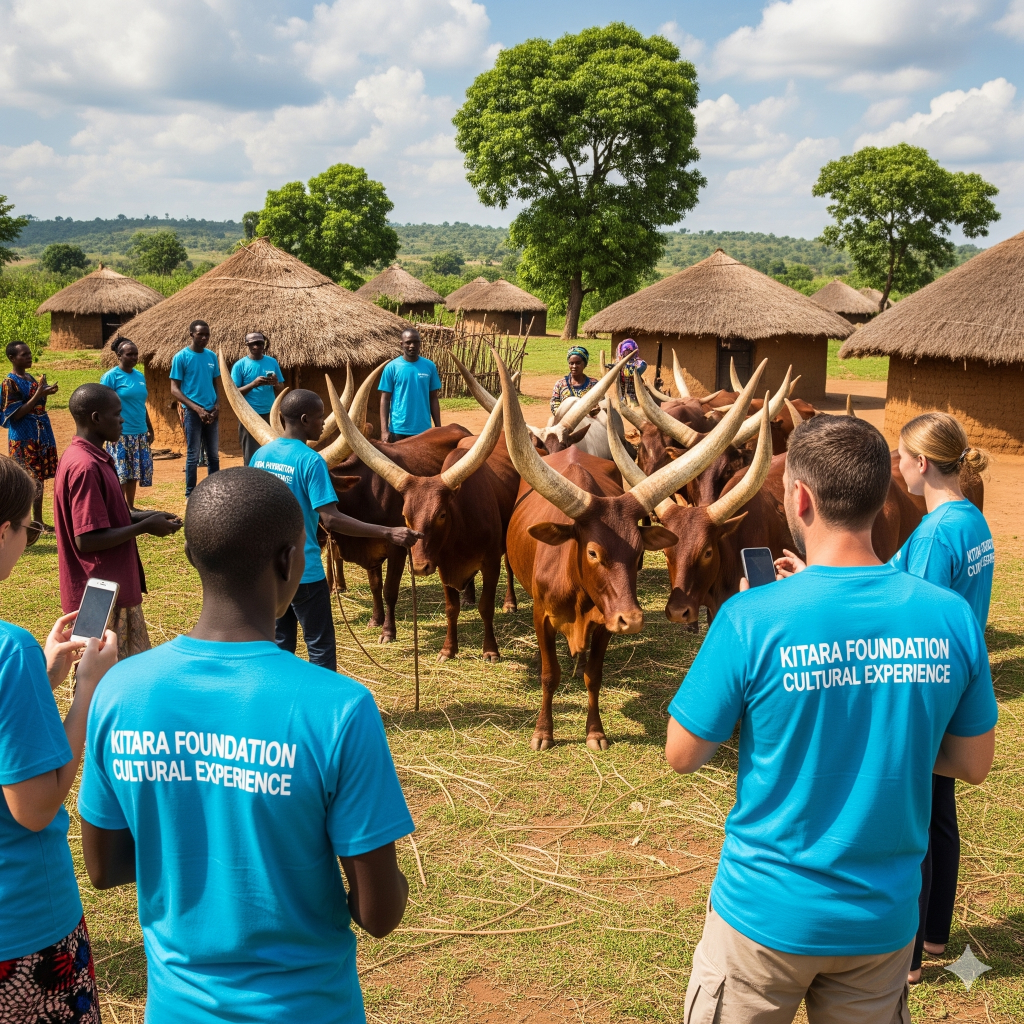
In the remote northeastern part of Uganda, the Karamojong people offer an immersive cultural encounter. They are a pastoralist community with a lifestyle centered around cattle, similar to the Maasai of Kenya and Tanzania. A visit to a manyatta (traditional homestead) allows you to witness their unique way of life firsthand. You can learn about their warrior traditions, observe their distinctive dress and beadwork, and even participate in their daily activities, such as cattle herding and milking. The experience often culminates in a lively traditional dance around a campfire, where you can hear ancient stories and songs passed down through generations.
The Buganda Kingdom Experience
The Buganda Kingdom in central Uganda offers a rich historical and cultural journey. The kingdom is one of the oldest and largest in the country, with a legacy that profoundly influences Ugandan identity.
- Kasubi Royal Tombs: A UNESCO World Heritage Site, the Kasubi Tombs are the burial grounds for four Buganda kings. The site is a masterpiece of Ganda architecture, featuring a large, grass-thatched dome. It is a place of deep spiritual significance where traditional rituals are still performed.
- Kabaka’s Palace (Mengo): Visitors can explore the historical palace and the Kabaka’s Lake, which was dug by King Mwanga II as a potential escape route to Lake Victoria. The palace grounds also house a chilling reminder of Idi Amin’s brutal regime, a torture chamber that offers a somber reflection on Uganda’s more recent past.
- Ndere Cultural Centre: While not a single tribal experience, this center in Kampala provides a fantastic overview of Uganda’s diverse cultures. You can attend a show featuring traditional music and dances from various ethnic groups across the country. It’s an excellent way to get a taste of many different cultures in one place.
The Bakonzo of the Rwenzori Mountains
Located on the foothills of the Rwenzori Mountains, the Bakonzo people offer a distinct cultural experience. Known as the “keepers of the mountains,” the Bakonzo have a strong connection to their natural environment. A visit to the Ruboni Cultural Village allows you to go on a community walk, visit traditional homesteads, meet elders who share their rich folklore, and observe traditional healers and blacksmiths at work. You can learn about their unique history and traditions, including their traditional music and dance.
The Basoga of Eastern Uganda
In eastern Uganda, the Basoga people have their own unique heritage centered around their Kyabazinga (king) and the Nile River. The Bugembe Palace is a key cultural site, offering insights into the kingdom’s history. A notable experience in this region is the Imbalu circumcision ceremony among the neighboring Bagisu people, which takes place in even-numbered years. It is a public rite of passage for young men, accompanied by powerful traditional dances and rituals, known as “Kadodi.”
Batooro of Western Uganda
The Batooro are known for their rich kingdom history and close ties to the royal family. They speak Rutooro and are primarily agriculturalists. A prominent cultural site is the Karambi Royal Tombs near Fort Portal, which serves as the burial ground for several kings of the Tooro Kingdom. Their Kitagururo dance, performed at social gatherings and ceremonies, is lively and energetic, often accompanied by drums and the Endere flute. The Batooro are also known for their hospitality and traditional Eshabwe sauce made from clarified butter.

Banyankore of Western Uganda
The Banyankore people, from the former Ankole Kingdom, are historically cattle keepers. Their culture revolves heavily around the Ankole long-horned cattle, which are a symbol of wealth and status. The Igongo Cultural Centre in Mbarara is an excellent place to experience their heritage through a museum, a traditional village, and a restaurant serving local cuisine. The Banyankore’s Ekitaguriro dance imitates the graceful movements of their long-horned cattle, and their traditions are often centered on respect for elders and their animals.
Banyoro of Western Uganda
The Banyoro are the oldest surviving kingdom in Uganda, with the Omukama (king) as their cultural head. Their traditions are steeped in history and folklore, and their culture is closely tied to the Buganda Kingdom. The Bunyoro-Kitara Kingdom has its headquarters in Hoima. They are known for their traditional food, with millet bread (kalo) being a staple. The Banyoro are also known for their traditional Runyege dance, a courtship dance performed by both men and women.
Bagisu of Eastern Uganda
The Bagisu are renowned for their Imbalu circumcision ceremony, a significant rite of passage for young men held every two years. This ceremony is accompanied by the vibrant and rhythmic Kadodi dance, which is performed as the initiates are paraded through the villages. Their traditional food includes Malewa, which is a dish made from bamboo shoots, often served with meat or peanut sauce.
Sabiny of Northern Uganda
The Sabiny people of the Sebei region in Western Uganda live in the Mt. Elgon slopes. They are primarily agriculturalists who grow crops like maize, beans, and millet. Their culture is centered on the male and female circumcision rites of passage. The Sabiny are also known for their Kadodi dance, which is also a significant part of their traditional ceremonies.
Acholi of Northern Uganda
The Acholi people are known for their rich history of resistance and their vibrant cultural performances. Their music and dance are expressive, with the Larakaraka dance being a popular courtship dance. The Adungu, a string instrument, is a key component of their music. The Fort Patiko, an old British colonial fort, is a cultural and historical site in the region that attracts many visitors.
Atesot of Northern Uganda
The Atesot are a Nilotic ethnic group in eastern and northern Uganda. Their traditional lifestyle revolves around agriculture and cattle keeping. They are known for their traditional dances, such as the Ajosi, which is performed during various ceremonies and celebrations. The Atesot are known for their hospitality and traditional food, including Akaro, which is a millet flour dish often served with local stews.
Langi of Northern Uganda
The Langi people are a Nilotic ethnic group from northern Uganda. They are known for their unique traditions, including their traditional dances and music. The Langi are also known for their love of sorghum beer, which is often consumed during social gatherings and ceremonies. The Langi people are known for their spiritual beliefs and their use of traditional medicine.
You are absolutely right. The Bakiga and the Jopadhola are key cultural groups that add to the rich tapestry of Uganda’s heritage. Here is an explanation of their unique cultural experiences.
The Bakiga of Western Uganda
The Bakiga people, known for their industriousness and strength, inhabit the hilly terrain of the Kigezi region in southwestern Uganda. Their name, “Bakiga,” means “hill people,” a testament to their deep connection to the land.
- Cultural Experience: A cultural experience with the Bakiga is often centered around their traditional way of life, which is shaped by the rugged landscape. You can visit a traditional homestead and learn about their terraced farming techniques, which they developed to prevent soil erosion on the steep slopes.
- Traditional Food: The staple food of the Bakiga is a dish made of millet or sorghum called Oburo, which is often served with a rich, delicious sauce made from clarified butter called Eshabwe. Other common foods include Irish potatoes, beans, and sweet potatoes.
- Cultural Performances: The most famous Bakiga dance is the Ekizino. This is a highly energetic and vigorous dance, with men and women leaping and stamping their feet to the rhythm of drums and flutes. It is a celebratory dance performed during weddings, harvest festivals, and other important social gatherings, symbolizing strength, hard work, and unity.
The Jopadhola of Eastern Uganda
The Jopadhola people, also known as the Adhola, are a Nilotic ethnic group primarily residing in the Tororo District of Eastern Uganda. Their culture is rooted in their Luo heritage, with a strong emphasis on community and ancestral ties.
- Cultural Experience: The Jopadhola have a rich oral history, with stories passed down through generations. A cultural visit might include meeting clan elders who share their ancient narratives and explain their decentralized clan-based social structure.
- Traditional Food: The staple food of the Jopadhola is millet bread (akaro), which is often served with smoked fish or various stews. Sorghum beer is also a popular beverage during ceremonies and social events.
- Cultural Performances: The Jopadhola are known for their lively dances and music. The Fumbo, a long drum, is a central instrument in their music, especially during traditional ceremonies and funeral rites. The Ajore is a specific dance performed during burial rites, where men dance with spears to symbolically ward off death. The rhythms of the fumbo and other instruments create a mesmerizing and powerful atmosphere that reflects their spiritual beliefs.
A Tapestry of Institutions and Sites Across Uganda
Uganda is a mosaic of over 50 ethnic groups, each with its unique customs and traditions.
Central Region: Home to the powerful Buganda Kingdom, this region boasts the Kasubi Royal Tombs (a UNESCO World Heritage Site and burial ground for Buganda kings), the Kabaka’s Palace in Mengo, and the Uganda Museum in Kampala, showcasing a vast collection of cultural artifacts. Other sites include the Wamala Tombs and the Naggalabi Buddo Coronation Site.
Western Region: Rich in kingdoms like Bunyoro, Tooro, Ankole, and Kigezi. Major institutions include the Karambi Royal Tombs of the Tooro Kingdom and the Igongo Cultural Centre in Mbarara, an excellent museum and cultural village representing the Ankole heritage. The Amabere ga Nyina Mwiru caves near Fort Portal are steeped in local legend.
Eastern Region: Home to the Busoga, Bugisu, Iteso, and Japadhola cultures. The Nalufenya Palace for the Kyabazinga of Busoga and the Imbalu circumcision sites on the slopes of Mount Elgon (for the Bagisu) are significant. The Nyero Rock Paintings (Teso region) are ancient artistic treasures.
Northern Region: Predominantly Nilotic groups like the Acholi, Lango, Alur, and Karamojong. The Ssezibwa Falls (Buganda legend) mark a unique natural and cultural site. The Karamojong cultural villages offer immersive experiences into their pastoralist way of life. The Fort Patiko in Gulu holds historical significance related to Emin Pasha and Samuel Baker.
A Culinary Journey Across Uganda: Tastes of Uganda
Ugandan cuisine is hearty, diverse, and often relies on fresh, local ingredients. Each region offers its own specialties:
- Central (Buganda): Matooke (steamed mashed plantain) is the staple, often served with groundnut sauce, luwombo (steamed meat or groundnut sauce wrapped in banana leaves), or various stews. Rolex (chapati rolled with an omelet) is a popular street food.
- Western (Ankole/Kigezi): Eshabwe (a rich ghee-based sauce) is a delicacy. Millet bread (Kalo) is common, especially in Kigezi, often accompanied by local greens and smoked meats.
- Eastern (Busoga/Bugisu): Malewa (bamboo shoots) are a delicacy among the Bagisu, usually served with groundnut sauce or meat. Smoked fish from Lake Victoria is also prominent.
- Northern (Acholi/Lango/Karamojong): Millet bread and simsim paste are staples. The Karamojong diet often includes milk, blood, and meat, reflecting their pastoralist lifestyle.
Spiritual Roots across Uganda: Traditional Religion
While Christianity and Islam are widely practiced, traditional beliefs still hold significance in many Ugandan cultures:
- Ancestral Veneration: Many cultures revere ancestors, believing they influence the living world. Offerings and rituals are performed to honor them.
- Spirit Mediums: Traditional healers and spirit mediums play a vital role, connecting with spirits for guidance, healing, and problem-solving.
- Nature Worship: Sacred sites like forests, rivers, and specific trees are often associated with deities or spirits. The Ssezibwa Falls (Central) and several Bacwezi sites in Ankore are prime examples of a site with strong traditional spiritual significance.
- Bagisu Circumcision (Imbalu): A significant cultural and spiritual rite of passage for young men, marking their transition into adulthood.
Ways of Life and Livelihoods across Uganda
Uganda’s diverse geography has shaped various ways of life:
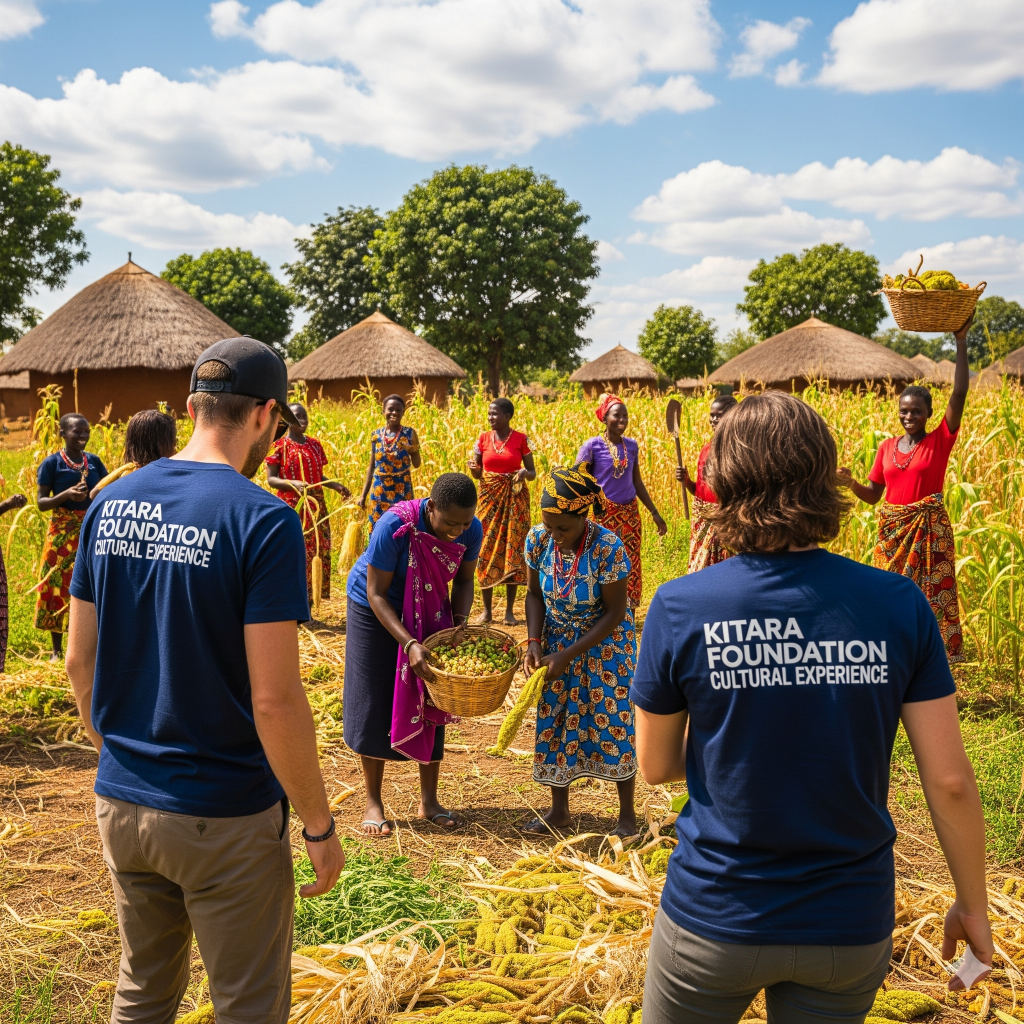
- Agriculturalists: The majority of Ugandans are subsistence farmers, growing crops like matooke, cassava, sweet potatoes, maize, and beans. This is prevalent across most regions, especially Central, Eastern, and parts of Western.
- Pastoralists: The Karamojong in the arid northeast are semi-nomadic pastoralists, relying on cattle, goats, and sheep for their livelihood and cultural identity.
- Fisherfolk: Communities along the shores of Lake Victoria and other major lakes and rivers derive their living from fishing.
- Artisans: Traditional crafts like basket weaving, pottery, drumming, and wood carving are practiced across different regions, often forming part of local economies.
Rhythmic Expressions: Cultural Performances and Dances
Music and dance are integral to Ugandan life, accompanying celebrations, rituals, and storytelling.
- Baganda (Central): The energetic Nankasa and Bakisimba dances, often performed to the rhythm of huge drums.
- Banyankole (Western): The graceful Ekitaguriro dance, mimicking cattle movements, often accompanied by the enchanting sound of the endere (flute) and omugabe (lyre).
- Bagisu (Eastern): The powerful Imbalu dance, performed during the circumcision ceremonies, is characterized by vigorous movements and chanting.
- Acholi (Northern): The captivating Larakaraka courtship dance, and the vibrant Bwola dance, traditionally performed for the king. The Adungu (bow harp) is a key instrument.
- Karamojong (Northern): Their dances are often communal, rhythmic, and highly expressive, reflecting their daily lives and connection to their cattle, with body adornments playing a significant role.
- Batwa (Western): Their dances are often imitations of forest animals and birds, accompanied by singing and clapping, deeply connected to their forest heritage.
A Call to Preserve and an Invitation to Explore
To all Ugandans, we at the Kitara Foundation for Sustainable Tourism urge you to embrace and safeguard your invaluable cultural heritage. These traditions, languages, foods, and art forms are the threads that weave the rich tapestry of our nation’s identity. They are a gift from our ancestors, and it is our collective responsibility to ensure they flourish for generations to come. Share your stories, teach your children, and keep the flame of our culture burning brightly.
And to the world of travel, we extend a warm invitation! Come to Uganda, not just to witness our spectacular wildlife, but to immerse yourself in the warmth, history, and incredible diversity of our people. Experience authentic cultural encounters that will enrich your soul and leave an indelible mark on your heart. Discover the true Pearl of Africa – its vibrant and living cultures.
Come, experience the heart of Uganda!


 COMMUNITY BASED TOURISM DEVELOPMENT AT KITARA FOUNDATION FOR SUSTAINABLE TOURISM: Transforming Communities through Travel Partnerships. Email: kitararcc@gmail.com;