
Tourism is often seen as an escape—a chance to see new landscapes, experience different cultures, and step away from the routines of daily life. For many, a trip is a checklist of iconic landmarks: a selfie with the Eiffel Tower, a glimpse of the Great Pyramids, or a safari to see the “Big Five.” We book flights, reserve hotels, and plan itineraries focused on sights and activities. Yet, in this pursuit of adventure and leisure, we often overlook a crucial element: the people who make these experiences possible. The focus shifts from human connection to consumer consumption, leaving us with memories of places but little understanding of the communities we’ve passed through. But what if we changed this perspective? What if our journeys were not just about what we get out of them, but about what we contribute to them?

Beyond the Tourist Trail: The Journey of a Traveler
Most travelers embark on their journeys for a variety of reasons, whether it’s for rest, discovery, study, or pure adventure. They explore bustling cities, tranquil national parks, historical sites, and even local farms and industries. However, a common thread in these trips is the transactional nature of the experience. We pay for tours, meals, and accommodations, and at the end of our journey, we pack our bags and return home, often without a second thought about where our money went or what impact it had. The satisfaction comes from the personal memories and achievements—the summit climbed, the exotic dish tried, or the perfect photograph captured. This is the traditional model of tourism, where the traveler is the central beneficiary and the host community is merely a backdrop for the experience.
The Unasked Question: Where Does My Money Go?
For many, the question of where their travel money goes remains unconsidered. It’s an easy detail to overlook when you’re caught up in the excitement of a new place. But a growing number of travelers are asking this very question, driven by a desire for their travels to have a more meaningful impact. They seek to ensure their money directly benefits the people in the communities they visit, rather than getting lost in the large corporations that dominate the global tourism industry. This simple shift in mindset—from seeing your money as a cost to seeing it as an investment—can transform a trip into something far more rewarding. It moves the purpose of travel from personal enjoyment to shared benefit, making the journey not just a leisure activity but a form of service.
The true satisfaction of a journey shouldn’t be measured by the number of places visited or the unique encounters experienced, but by the positive change it helps create. When you know your money is helping a local family, supporting a community school, or funding a much-needed clinic, the sense of accomplishment is profound. It’s a feeling that lasts long after the trip is over, far more fulfilling than a souvenir or a photograph.

Redefining Travel: From Consumer to Contributor
This intentional approach is what we call tourism for people or traveling for people. It is a deliberate choice to make people the central focus of your journey, from the very beginning of your planning to the moment you return home. This mindset influences every decision you make: choosing to stay in a locally owned guesthouse instead of a large international hotel chain, eating at a small family-run restaurant, or hiring a local guide from the community. People become the priority, and the journey itself becomes an opportunity for genuine human connection and positive impact.
This is a fundamental shift from the conventional view of tourism. Rather than your memories being dominated by images of landscapes or luxury accommodations, they are filled with the faces and stories of the people you met. You remember the artisan whose craft you helped support, the child whose school supplies your trip funded, or the conversation with a local elder who shared their culture with you. These are the memories that endure and leave a lasting impression on your heart and mind.
The True Meaning of Responsible Tourism
This deeper level of engagement is the essence of responsible tourism. It’s about a commitment to people, their cultures, and their livelihoods. While many tourism bodies promote “responsible travel” with a focus on environmental conservation, true responsibility begins with the human element. You cannot genuinely conserve a natural environment without first supporting the people who have lived in harmony with it for generations. Their knowledge, traditions, and well-being are intrinsically linked to the health of the ecosystem.
Therefore, the first responsibility of any traveler is to the local community. Is your money contributing to a family’s well-being? Is it helping to fund a community water source or a local health initiative? Your journey becomes an act of investment in the lives of others, making community change a key part of your travel plan. This is not a secondary thought but a primary objective.

The Essence of Mutually Beneficial Tourism
The concept of tourism that satisfies both the visitor and the host is the core of true responsible tourism. While the industry has historically focused on creating “authentic,” “satisfying,” and “memorable” experiences for travelers, a complete view of tourism requires a reciprocal relationship. The experience should not be a one-way street, but a dynamic exchange where both parties feel enriched and valued. This mutual satisfaction builds a sustainable tourism ecosystem that benefits everyone involved.
The Traveler’s Impact on the Host’s Experience
Traditionally, the tourism industry measures success by the visitor’s satisfaction. Terms like “seamless travel,” “immersive experiences,” and “customer delight” dominate the conversation. However, this focus neglects the host’s perspective. It’s crucial for travelers to consider the impact they have on their hosts, tour guides, and local communities. A truly responsible traveler doesn’t just consume a service; they engage respectfully and contribute positively to the host’s experience. This includes being mindful of cultural norms, showing genuine interest, and treating local people with respect.
The questions a traveler should ask themselves are:
- Do I leave my hosts with a positive impression and a desire to host me again?
- Am I a respectful and considerate guest?
- Do I contribute to their well-being, not just financially, but through my actions and attitude?
When a host feels valued and respected, they are more likely to offer genuine, high-quality experiences, creating a virtuous cycle that elevates the entire tourism industry. The positive energy and respect you give as a traveler are often returned tenfold, leading to more meaningful connections and unforgettable moments for both sides.
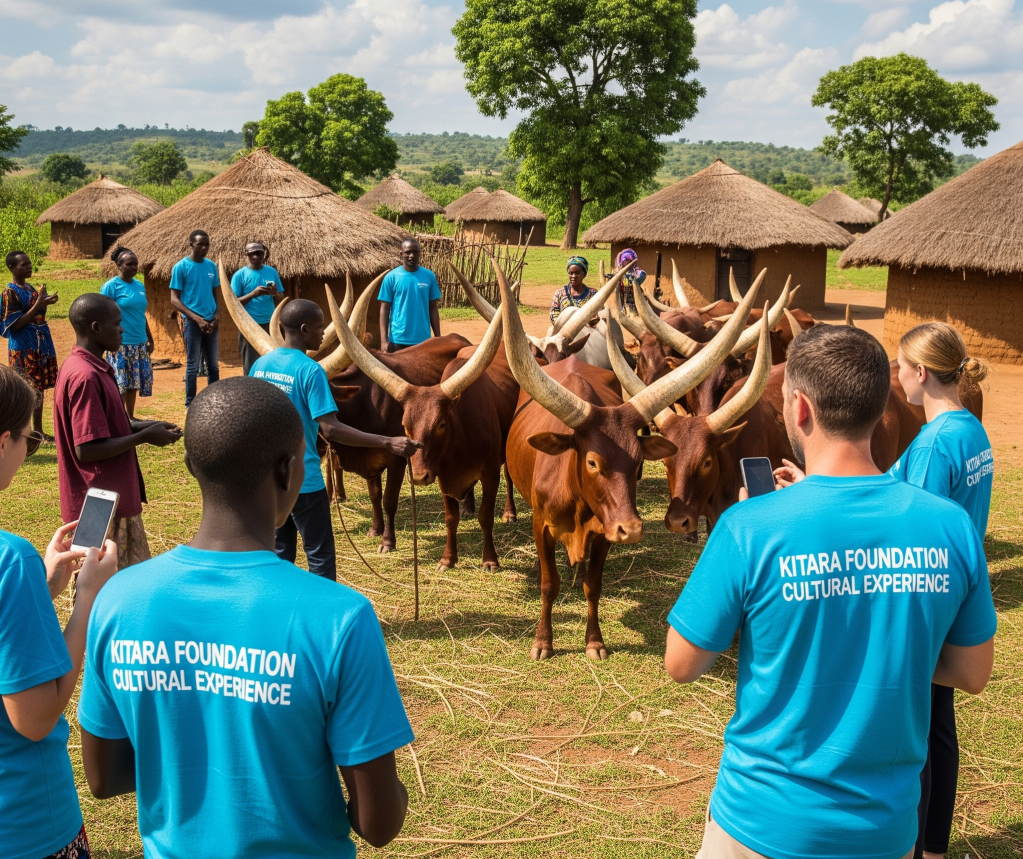
Building a Two-Way Street of Experiences
Tourism is fundamentally about human connection and the exchange of cultures and ideas. Therefore, the experience shouldn’t be limited to the customer. A good experience for the host can lead to a more sustainable and vibrant tourism sector. When hosts are satisfied, they are more likely to preserve their cultural heritage, share their traditions openly, and welcome future visitors with enthusiasm. This two-way flow of positive experiences—where the visitor is delighted and the host feels respected and supported—is what truly defines a successful and ethical tourism model. It’s a move from transactional tourism to transformational tourism, where both parties leave changed for the better.
A Call for a Sustainable Shift
The call to responsible tourism is a call for a fundamental change in the travel industry itself. It’s a shift toward sustainable tourism, recognizing that the long-term health of the tourism industry depends on the people who sustain it. The sustainability of a destination is not just in its wildlife or its pristine beaches; it’s in the vibrant communities that welcome visitors and share their homes with the world. When tourism supports these communities, they, in turn, become the best stewards of their cultural heritage and natural environment. Ultimately, tourism has the power to make the world a better place, but that improvement must begin with people. Every traveler, tourism manager, and policymaker should put people at the heart of their decisions. By doing so, we can transform a simple trip into a journey of purpose, creating not just memories for ourselves, but a better world for everyone.
Leave a Comment or Contact Us


 COMMUNITY BASED TOURISM DEVELOPMENT AT KITARA FOUNDATION FOR SUSTAINABLE TOURISM: Transforming Communities through Travel Partnerships. Email: kitararcc@gmail.com;