
If you are a friend of heights come to Uganda; you will never be the same. Hike the mountains and visit the people of Uganda in their untamed communities.

Welcome to the heart of Africa, a land where the equator meets permanent snow, and where majestic, extinct volcanoes tower over savanna plains. Uganda, with its staggering array of peaks, is truly a Hiker’s Paradise, offering a diverse and profoundly rewarding experience for every international adventurer.
From the glaciated giants of the Rwenzori Mountains to the sprawling calderas of Mount Elgon and the culturally rich hills of Karamoja, your next unforgettable ascent awaits. The Kitara Foundation for Sustainable Tourism invites you to explore the major peaks that define Uganda’s stunning landscape.
The Glacial Giants of the Rwenzori Mountains (Mountains of the Moon)
The Rwenzori Mountains National Park, a UNESCO World Heritage Site, is home to a spectacular range of peaks. The environment is famed for its unique Afro-alpine flora—giant heathers, lobelias, and groundsels—creating an otherworldly landscape often described as a “botanical fairyland.” The first six peaks listed are part of the Rwenzori Massif.

1. Mount Stanley – Margherita Peak (5,109m) – Uganda’s Crowning Glory
- Location: Rwenzori Mountains National Park, on the border between Uganda (Kasese District) and the Democratic Republic of Congo (DRC).
- How to Reach There: Access is primarily via Kasese town, reached by road from Kampala or by flying to Kasese Airstrip. The main trekking routes start from Kilembe (Kilembe Route) or Nyakalengija (Central Circuit Trail).
- Encounters: Trekking through dense montane forest, bamboo, heather, and the unique Afro-alpine moorland zone. The upper reaches require technical climbing (ice axes, ropes, crampons) across receding Margherita Glacier to reach the highest point. Wildlife includes the endemic Rwenzori Three-horned Chameleon and Rwenzori Turaco.
- Likely Community (Cultural) Experiences: Engaging with the Bakonzo and Bamba communities who live on the lower slopes. Experiences often include traditional dances, storytelling, and learning about their sacred connection to the “Mountains of the Moon” as the traditional home of their deities.
- Benefits to the International Hikers:
- The Ultimate Achievement: Conquering the highest point in Uganda and the third highest in Africa (after Kilimanjaro and Mount Kenya).
- Unique Geology: Experiencing a glaciated peak on the equator, a geological rarity.
- Superior Acclimatization: The longer trekking routes (typically 7-10 days) offer better acclimatization, leading to high summit success rates.
2. Mount Speke – Vittorio Emanuele Peak (4,890m)
- Location: Central Rwenzori Massif, between Mount Stanley and Mount Baker.
- How to Reach There: Part of the Central Circuit or Kilembe Trail, requiring a multi-day trek from the park gates (Nyakalengija/Kilembe).
- Encounters: Dramatic views of the Bujuku Valley and Lake Bujuku; traversing moss-covered vegetation and negotiating slippery, muddy sections common in the Rwenzoris. Technical sections may be required to reach the Vittorio Emanuele peak.
- Likely Community (Cultural) Experiences: Similar immersion with the Bakonzo people, contributing to their local economies through porter and guide employment, and engaging in cultural trail walks near the park’s base.
- Benefits to the International Hikers: Offers a challenging, non-glaciated high-altitude peak climb, providing a demanding mountaineering experience often combined with a Stanley attempt.
3. Mount Baker – Edward Peak (4,844m)
- Location: Central Rwenzori Massif, linking the Stanley-Speke-Baker triangle.
- How to Reach There: Accessed via the main trekking routes, integral to the multi-peak Rwenzori itinerary.
- Encounters: Stunning views into the neighbouring valleys and of the surrounding glacial peaks. Navigating difficult, rocky, and sometimes ice-covered slopes near the summit.
- Likely Community (Cultural) Experiences: Direct financial support for local communities through fees, wages, and procurement of local goods (like fresh food) used for the trek.
- Benefits to the International Hikers: Part of the classic Rwenzori mountaineering circuit, offering the satisfaction of conquering one of the range’s six main peaks.

4. Mount Emin – Umberto Peak (4,798m)
- Location: Northern part of the Rwenzori Massif, on the Uganda-DRC border.
- How to Reach There: Typically accessed from the Central Circuit or as an extension of the main treks. Shorter total trek time compared to Stanley, Speke, and Baker.
- Encounters: Known for rocky ridges and being less snow-capped than its neighbors. Offers incredible, unique views into the less-trafficked northern valleys.
- Likely Community (Cultural) Experiences: Employing local Bakonzo guides and porters is essential, allowing hikers to learn about the mountain’s history and its role as a spiritual area from an authentic local perspective.
- Benefits to the International Hikers: A challenging, less-frequented summit providing a sense of genuine exploration and wilderness adventure.
5. Mount Gessi – Lolanda Peak (4,715m)
- Location: North-Eastern section of the Rwenzori Massif.
- How to Reach There: Part of the northern Rwenzori route, typically accessed via a multi-day trek.
- Encounters: Famous for its twin peaks and being home to some of the most elusive and endemic plant species in the Rwenzoris. Encountering lush, heavy moss and unique plant life.
- Likely Community (Cultural) Experiences: Opportunities to visit local villages like Ruboni, known for community-based tourism, cultural performances, and blacksmith demonstrations before or after the trek.
- Benefits to the International Hikers: The joy of traversing a botanical wonderland, with unique photographic and biodiversity discovery opportunities.
6. Mount Luigi di Savoia – Sella Peak (4,627m)
- Location: Southern section of the Rwenzori Massif, part of the main circuit.
- How to Reach There: Integrated into most multi-day Rwenzori trekking packages (Kilembe or Central Circuit).
- Encounters: Famous for its stunning alpine lakes, including Lake Mahoma, and its unique, heavily mossed vegetation zones (Montane Forest, Bamboo, Heather, and Alpine).
- Likely Community (Cultural) Experiences: Engaging with the Bakonzo communities, learning about traditional forest resource use (medicinal plants, basket weaving), and supporting community campsites and services.
- Benefits to the International Hikers: A breathtaking trek that offers a less technical yet highly scenic high-altitude experience, ideal for stunning photography and flora enthusiasts.
The Majestic Massif of Mount Elgon
Mount Elgon, a massive, solitary, extinct volcano on the border of Uganda and Kenya, boasts one of the world’s largest intact calderas (40km across). It is less technical than the Rwenzoris, offering a more accessible high-altitude trekking experience.

7. Wagagai Peak (4,321m)
- Location: Mount Elgon National Park, Eastern Uganda (highest point entirely within Uganda’s boundaries).
- How to Reach There: Access via Mbale town. Trekking routes (Sasa, Piswa, Sipi, or Sironko Trails) require 4 to 6 days. The Sasa Trail is the most direct, starting near the Sipi Falls area.
- Encounters: Walking through vast Afro-alpine moorland, traversing the massive caldera floor, discovering ancient caves (Kitum, Chepnyali, Roho), and encountering hot springs. Wildlife includes forest elephants, buffalo, and blue monkeys.
- Likely Community (Cultural) Experiences: Interacting with the Bagisu (or Bamasaba) and Sabiny people. This includes the famous Arabica coffee experience (from seed to cup), cultural performances, and traditional ceremonies (like the Imbalu circumcision ritual, if the season aligns).
- Benefits to the International Hikers: A gentle, less technical climb to a spectacular high-altitude summit, excellent for non-mountaineers. The opportunity to explore the colossal caldera and contribute to local coffee farming communities.
8. Sudek Peak (4,302m)
- Location: Mount Elgon, near the Uganda-Kenya border (Uganda side).
- How to Reach There: Typically accessed as an intermediate point or a side trek from the main Wagagai routes (like the Sipi or Piswa Trails).
- Encounters: Panoramic views across the caldera and into the Kenyan side of the park. Unique high-altitude flora and rock formations.
- Likely Community (Cultural) Experiences: Supporting local Sabiny (Kalenjin) guides and porters from the Kapchorwa region who possess deep knowledge of the park’s eastern slopes and their associated folklore.
- Benefits to the International Hikers: Provides a shorter, high-altitude summit achievement, often done en route or as an alternative to Wagagai.

9. Koitobos Peak (4,222m)
- Location: Mount Elgon, near the Uganda-Kenya border.
- How to Reach There: Accessible through the main Elgon trekking trails (Piswa or Sipi).
- Encounters: Striking rock columns and unique geological features in the Elgon moorland, which is rich in giant lobelias and groundsels.
- Likely Community (Cultural) Experiences: Direct engagement with the local people as hosts and service providers, ensuring tourism benefits are immediately felt at the grassroots level.
- Benefits to the International Hikers: Offers a fantastic opportunity for landscape photography of the volcanic formations and the expansive moorland.
10. Jackson’s Summit (4,165m)
- Location: Mount Elgon, within the caldera.
- How to Reach There: Easily accessed from the main Elgon trails, often a point reached on the Sasa route.
- Encounters: Overlooking the Jackson’s Pool, a natural spring/pool, which is a key landmark in the area. Encountering the “forest-to-alpine” vegetation transition.
- Likely Community (Cultural) Experiences: The area has traditional significance for local communities who view some spots as places of ancestral communication. Local guides share this oral history.
- Benefits to the International Hikers: A rewarding summit for shorter treks, offering a significant achievement without the full commitment required for Wagagai Peak.
The Volcanic Wonders of the Virunga Mountains

Part of the Virunga Volcano chain, these three peaks are located in Mgahinga Gorilla National Park, famous for being the home of endangered mountain gorillas and golden monkeys.
11. Mount Muhabura (4,127m)
- Location: Mgahinga Gorilla National Park, on the Uganda-Rwanda border.
- How to Reach There: Accessible from the National Park Gate in Kisoro District. It’s a challenging, single-day hike (about 8-10 hours return).
- Encounters: A steep, demanding climb with a large, beautiful crater lake at the summit. Excellent panoramic views of the entire Virunga chain, Lake Kivu, and the surrounding regions of Uganda and Rwanda.
- Likely Community (Cultural) Experiences: Opportunities to meet the Batwa Pygmy community, the forest’s original inhabitants, for a cultural experience learning about their traditional forest life (now outside the park).
- Benefits to the International Hikers: A challenging one-day climb that offers unparalleled views and can be combined with gorilla or golden monkey tracking for a complete Ugandan adventure.
12. Mount Sabyinyo (3,669m)
- Location: Mgahinga Gorilla National Park, at the junction of Uganda, Rwanda, and the DRC.
- How to Reach There: Accessible from the Mgahinga Gorilla National Park Gate in Kisoro. A challenging all-day trek, famous for its serrated peaks, thus its name “Old Man’s Teeth.”
- Encounters: Scrambling over wooden ladders and slippery, muddy ridges to traverse the jagged peaks. The summit is the only place in the world where you can stand in three countries at once.
- Likely Community (Cultural) Experiences: Direct support for gorilla and golden monkey conservation efforts (a portion of the hiking permit fee goes to conservation), benefitting the local Bafumbira and Batwa communities.
- Benefits to the International Hikers: The unique geopolitical experience of standing in three countries simultaneously, plus a technical and highly stimulating day hike.
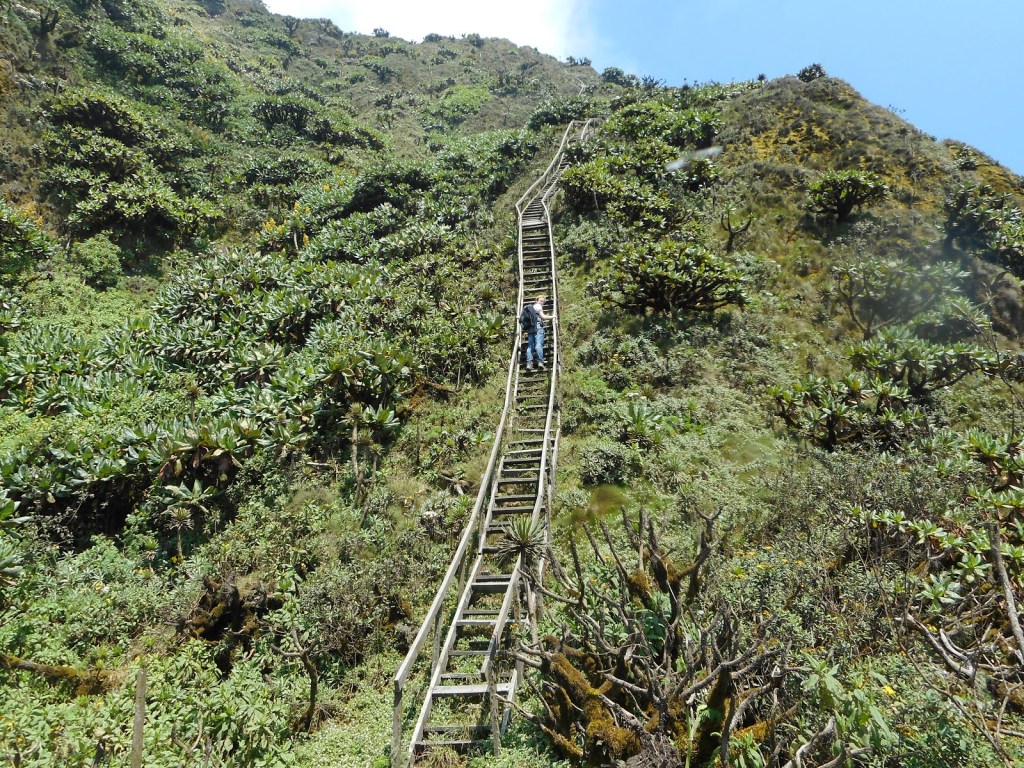
13. Mount Gahinga (3,474m)
- Location: Mgahinga Gorilla National Park, on the Uganda-Rwanda border.
- How to Reach There: A relatively short, single-day hike (about 6 hours return) from the Mgahinga park gate.
- Encounters: A pleasant hike largely through a beautiful bamboo forest and a large, swampy crater at the summit. Best chances for spotting golden monkeys.
- Likely Community (Cultural) Experiences: Supporting the small local economy around the park, including community-run campgrounds and souvenir/handicraft stalls.
- Benefits to the International Hikers: A beautiful, less strenuous climb, perfect for acclimatization or for hikers seeking a full-day experience with great biodiversity rewards.
The Remote & Cultural Peaks of Karamoja and the Western Rift
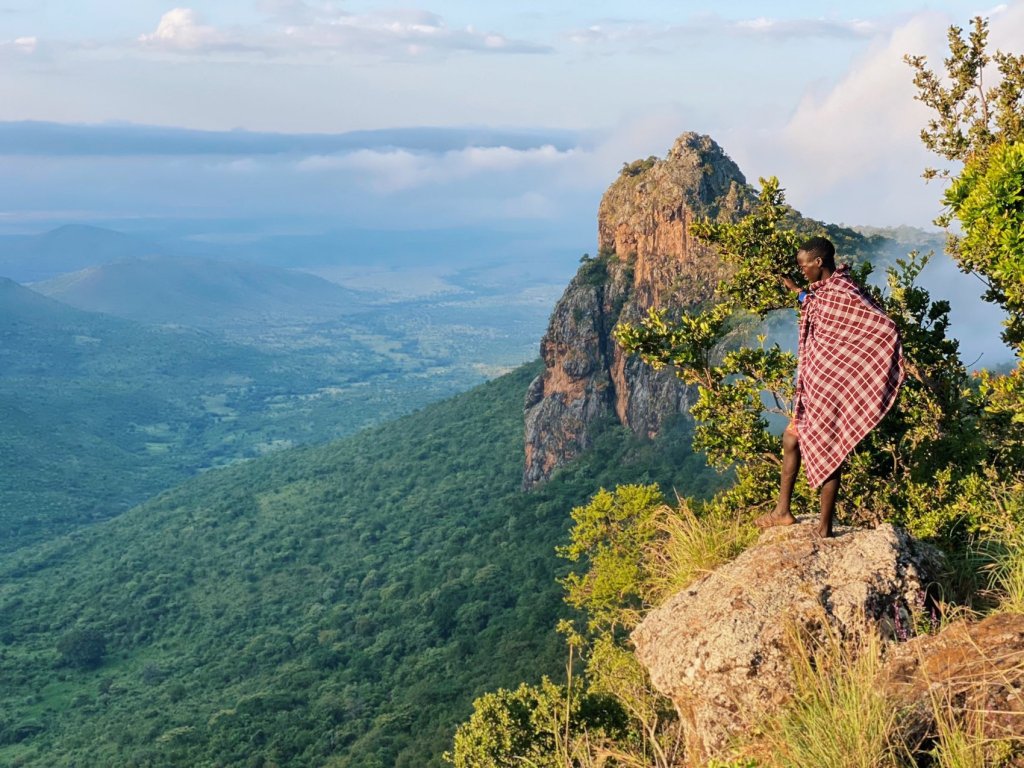
These mountains offer a different kind of trekking experience, focused on remote wilderness, raw geology, and profound cultural immersion with the pastoralist communities of the semi-arid plains.
14. Mount Moroto Peak (3,083m)
- Location: Karamoja Region, North-Eastern Uganda (Moroto District).
- How to Reach There: Accessible from Moroto town, typically requiring a 2-3 day guided trek. Requires a long drive from Kampala or a charter flight.
- Encounters: Spectacular panoramic views over the vast Karamoja plains and rift valley escarpment. Trekking through open woodland and rocky ridges, encountering unique flora and fauna of the dry region.
- Likely Community (Cultural) Experiences: Deep immersion with the Karamojong and Tepeth communities. Guided visits to Manyattas (traditional homesteads), learning about their pastoralist way of life, and experiencing traditional dances and music.
- Benefits to the International Hikers: An authentic, off-the-beaten-path wilderness and cultural experience, one of the most unique and least-explored destinations in Uganda.
15. Mount Kadam Peak (3,063m)
- Location: Karamoja Region (Nakapiripirit and Moroto Districts).
- How to Reach There: Accessible from Nakapiripirit, typically a 2-3 day trek.
- Encounters: A lush, forested mountain contrasting with the dry plains below. Trekking through dense forest and climbing rocky sections to reach the flat, panoramic summit.
- Likely Community (Cultural) Experiences: Interaction with the various tribes who live on and around the mountain, including the Karamojong, Tepeth, and Sebei. Supporting local eco-tourism initiatives and community-led treks.
- Benefits to the International Hikers: A superb wilderness trek that offers an incredible contrast in scenery and culture compared to the more popular west and east of the country.
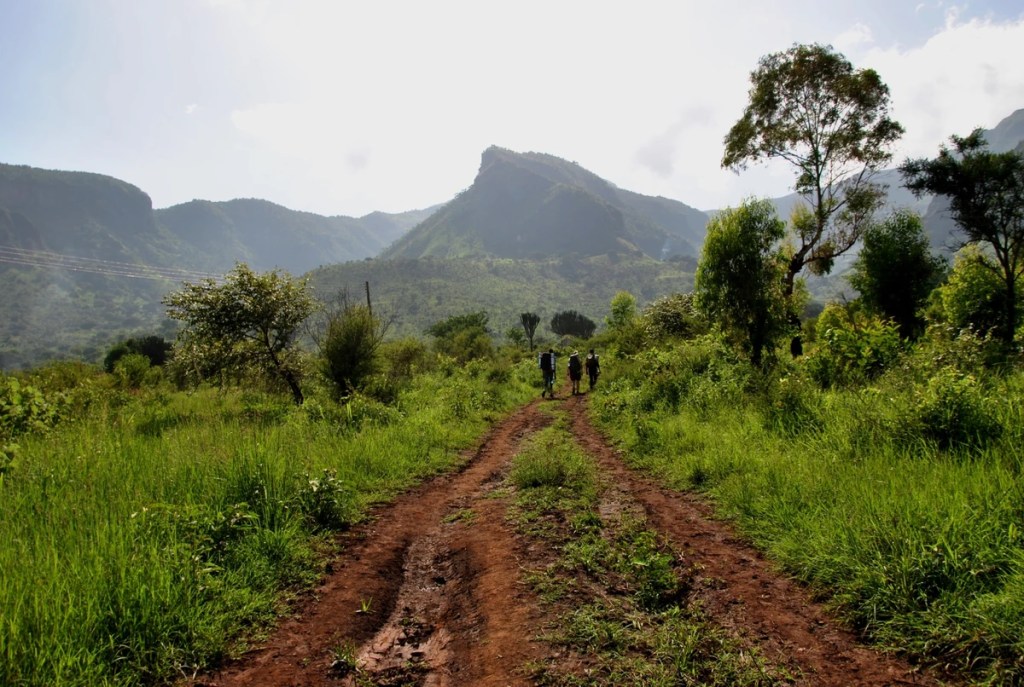
16. Karangura High Peak (3,012m)
- Location: Rwenzori Mountains Foothills, near Fort Portal (Kabarole District).
- How to Reach There: Accessible for a 1-2 day trek from the Fort Portal area, offering a shorter experience of the Rwenzori foothills.
- Encounters: Trekking through community-owned land and thick forest, with excellent views of the main Rwenzori peaks and the surrounding tea plantations of the Fort Portal area.
- Likely Community (Cultural) Experiences: Direct financial impact on the local Batoro and Bakonzo communities that manage the trails and surrounding farmlands. Cultural walks and homestead visits are common.
- Benefits to the International Hikers: A highly accessible, short trek near a major tourist town (Fort Portal) that provides a glimpse of the Rwenzori ecosystem without the multi-day commitment.
17. Napak Peak (2,530m)
- Location: Karamoja Region, within the Pian Upe Wildlife Reserve area.
- How to Reach There: Accessed from the nearby towns in Napak District. Typically a multi-day trek.
- Encounters: The slopes are a haven for unique birdlife (including the Karamoja Apalis) and primates. The trail offers stunning views of the Pian Upe plains, one of Uganda’s largest and least-explored wildlife reserves.
- Likely Community (Cultural) Experiences: Deep cultural dives into the ways of the Karamojong people who live at the base, learning about their ancient rituals and traditional life, often coupled with a game drive in Pian Upe.
- Benefits to the International Hikers: A perfect combination of high-altitude trekking, birdwatching, and a genuine cultural exchange in one of Uganda’s most remote regions.
18. Morungole Peak (2,749m)
- Location: Karamoja Region, towering over the southeastern part of Kidepo Valley National Park.
- How to Reach There: Accessible from the Kidepo Valley area, often combined with a safari. The hike is generally a 4-hour return trip to an alternative peak, as the highest point is sacred.
- Encounters: Hiking through steep, bushy slopes with breathtaking views across the vast Kidepo Valley National Park and the rift valley towards Sudan and Kenya.
- Likely Community (Cultural) Experiences: The most significant draw is the encounter with the Ik people, one of Uganda’s smallest and most isolated tribes, who inhabit the slopes and hold the mountain as spiritually sacred.
- Benefits to the International Hikers: A powerful cultural encounter paired with a rewarding, shorter hike and spectacular views over one of Africa’s most beautiful wilderness parks (Kidepo).
Uganda’s mountains are more than just geographical features; they are living ecosystems and cultural anchors. By choosing to hike these peaks, you are supporting local communities through sustainable tourism initiatives.
Ready to lace up your boots and conquer the Mountains of the Moon and the Karamoja wilderness?
Would you like to find a reputable local tour operator specializing in sustainable trekking and Community Tourism on these wonders of the height? Contact Kitara Foundation for Sustainable Tourism


 COMMUNITY BASED TOURISM DEVELOPMENT AT KITARA FOUNDATION FOR SUSTAINABLE TOURISM: Transforming Communities through Travel Partnerships. Email: kitararcc@gmail.com;