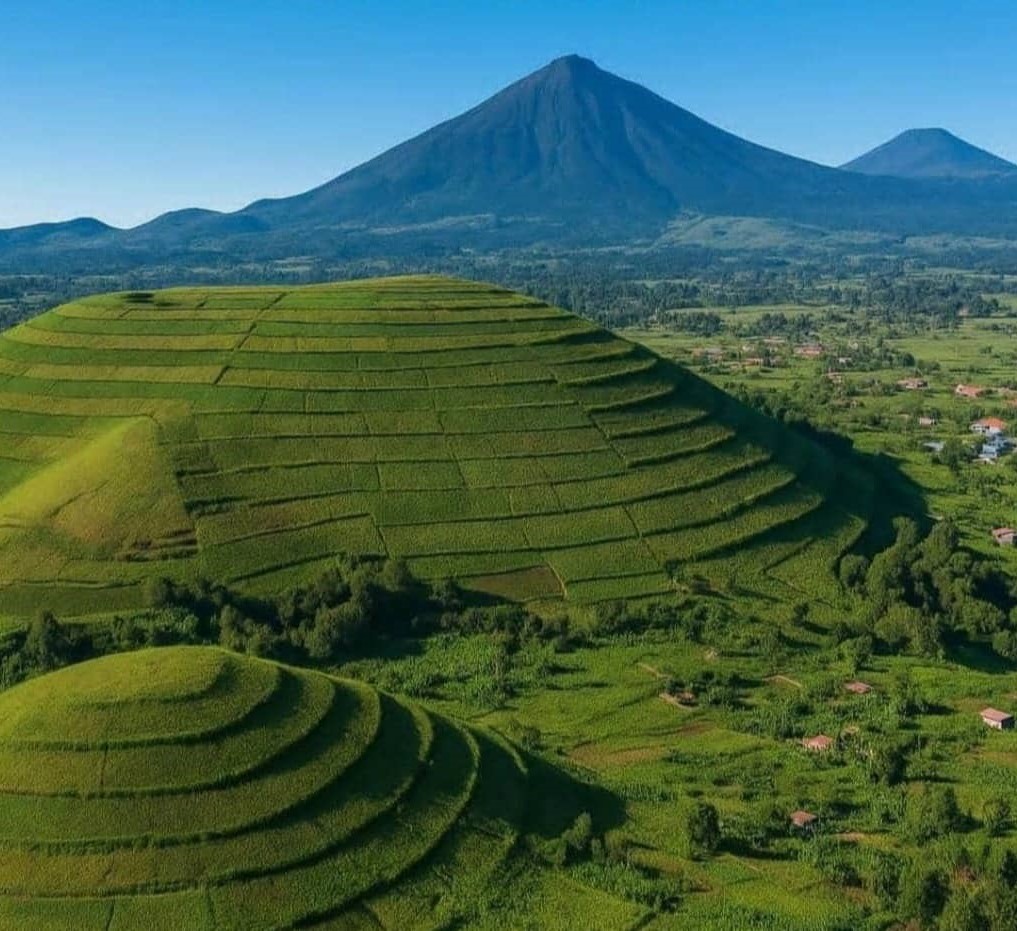
Travel with Purpose: Don’t just see Africa, become part of its history
Community Based Tourism (CBT) is more than just a travel trend; it is a transformative model that redefines how visitors experience Africa and how tourism revenue impacts local communities. At its core, CBT is an approach to responsible travel where local residents have significant ownership, management, and control over tourism enterprises and receive a substantial portion of the benefits.
In Africa, this model is particularly vital, shifting the narrative from a tourism industry largely controlled by external operators to one that champions local empowerment, cultural preservation, and environmental stewardship.
Success Stories: African Countries Leading the Way
Community Based Tourism is thriving across the continent, providing authentic, deep immersion experiences while directly funding community development.
1. Uganda: The Pearl of Africa’s Cultural Cradle
Uganda is a prime example of successful CBT, often linking cultural experiences with its famous wildlife conservation.
- What they do: Communities around national parks, like those near Bwindi Impenetrable National Park and Queen Elizabeth National Park, offer cultural walks, homestays, cooking classes, and traditional dance performances.
- How it works: Initiatives like the Buhoma Community Tours near Bwindi or the Ruboni Tourism Village at the foot of the Rwenzori Mountains are managed by community members. The income generated funds local schools, healthcare clinics, and micro-enterprises, empowering women and providing a sustainable alternative to poaching or unsustainable resource use. Travelers get to meet the Batwa people, learn about banana beer brewing, or go on guided nature walks led by local experts.
2. Rwanda: Resilience and Conservation through Tourism
Rwanda has strategically placed community involvement at the heart of its high-value, low-impact tourism model.
- What they do: They offer enriching cultural experiences and nature walks alongside gorilla trekking. A standout example is the Iby’iwacu Cultural Village (now known as the Gorilla Guardians Village) near Volcanoes National Park.
- How it works: This project was established for former poachers, offering them an alternative, dignified livelihood. Visitors can witness traditional Rwandan music and dance, sample local cuisine, and learn about the former ways of the Batwa people. The revenue directly supports community development programs, turning communities from potential threats to conservation into its most dedicated protectors.
3. Namibia: Conservancy-Led Ecotourism
Namibia’s success is built on a national policy that empowers rural communities to manage their own wildlife and tourism resources through communal conservancies.
- What they do: The Namibia Community-Based Tourism Association (NACOBTA) coordinates various community-run campsites, traditional villages, and conservancies that offer safaris, craft centers, and local accommodation.
- How it works: Local communities gain the rights to manage and benefit from the wildlife and tourism on their traditional lands. By earning income from high-value tourism, they are incentivized to protect wildlife and natural resources, leading to significant conservation gains and substantial employment for residents.
4. Morocco: Cooperatives and the Atlas Mountains
Morocco’s success in CBT is often driven by the cooperative model, which empowers rural communities, particularly women, by enabling them to collectively manage their resources and products.
- What they do: Communities in the High Atlas Mountains offer guided trekking, traditional Berber homestays (guesthouses or gîtes d’étape), and community-led cooking classes. Women’s cooperatives in regions like Souss-Massa specialize in producing and marketing artisanal products such as the highly sought-after Argan oil, saffron, and Berber carpets.
- How it works: These cooperatives allow women, who historically had limited economic opportunities, to control the production and sale of their goods, ensuring fair prices and direct income. Tourists who purchase from these cooperatives or stay in community-owned accommodations contribute directly to local livelihood, education, and healthcare initiatives, thereby preserving ancient Amazigh (Berber) culture and sustaining fragile mountain ecosystems.
5. South Africa: Heritage, Livelihoods, and Conservation
In South Africa, CBT plays a crucial role in post-apartheid transformation by using tourism to address historical economic imbalances and promote conservation in marginalized areas.
- What they do: Success stories include the Makuleke Contractual Park in the Kruger National Park area, where the Makuleke community, having regained land rights, entered into joint venture ecotourism agreements. Other examples are the Khwa ttu San Heritage Centre and various township tours that go beyond sightseeing to offer meaningful cultural engagement (e.g., in Langa or Soweto).
- How it works: In the Makuleke example, the community retains ownership of the land and leases concessions to private, specialized eco-tourism operators (like private lodges). In return, the community receives a substantial percentage of the revenue and guaranteed employment and training opportunities. This model successfully links conservation with economic benefit, ensuring communities are the primary beneficiaries and active stewards of their rich biodiversity and cultural heritage.
Kitara Foundation’s Role in Shaping CBT Across Africa
Organizations like the Kitara Foundation are instrumental in scaling the success of Community Based Tourism by acting as a crucial link between local potential and the global market.
The Foundation’s work helps to shape CBT across the continent by focusing on:
- Capacity Building and Training: They empower local communities—especially women and youth—by providing the essential skills needed to run successful tourism enterprises, including product development, guiding techniques, financial management, and customer service.
- Infrastructure and Accessibility: They partner with communities to improve local tourism sites by opening trails, developing basic, sustainable infrastructure like resting shades and sanitation facilities, and mapping out undiscovered cultural and natural attractions. This transforms remote villages into accessible, quality tourist destinations.
- Authentic Product Development: Kitara Foundation emphasizes leveraging local resources, indigenous knowledge, and traditional skills to create authentic, marketable tourism experiences. Their philosophy is built on “Nature, People, and Economy,” ensuring every product reflects the genuine cultural heritage of the host community.
- Marketing and Linkages: By connecting small, community-run initiatives with mainstream tour operators and online platforms, they ensure that the economic benefits of tourism flow directly to the communities, addressing the critical challenge of market access for rural enterprises.
In essence, Kitara Foundation works to ensure that tourism is a developmental tool that helps communities define their own economic future while safeguarding their culture and environment.
Equera’s Role: Unifying African CBT Successes
Based on its stated mission and the identified gaps in the African CBT value chain, Equera appears positioned to act as the essential technological and logistical “connector” that can link fragmented, local successes (like a Moroccan cooperative or a South African conservancy) into a cohesive, high-value industry.
Equera’s primary value lies in its ability to solve the four major challenges currently faced by small, community-based tourism enterprises (CBTEs) in Africa: Market Access, Capacity, Standardization, and Knowledge Transfer.
Here is how Equera is helping to bring these successes together and add value to the industry across Africa:
1. Centralized Digital Marketplace and Global Distribution
The biggest challenge for a remote Ugandan village or a small Rwandan cultural group is visibility. They are often overlooked by large international tour operators and struggle to access the global traveler market.
- The Equera Solution: Equera functions as a centralized, pan-African B2C and B2B SaaS platform dedicated exclusively to CBT.
- Value Add: It instantly grants hundreds of small African CBTEs—from the Atlas Mountains to the Cape—a single, professional, and trustworthy global distribution channel. It removes the need for each community to build its own complex booking and payment system. This drastically reduces leakage (the amount of tourist revenue lost to foreign intermediaries) and maximizes the percentage of income staying in the community.
- The Equera Solution: Equera is acting as a data clearinghouse to better understand the community’s financial needs and impact.
- Value Add: By aggregating data on bookings, visitor feedback, and community benefits across multiple countries, Equera can provide credible, verifiable metrics (like jobs created, revenue retained, and conservation funds generated). This data is crucial for attracting large, ethical investors, development partners, and global corporate social responsibility (CSR) programs.
2. Capacity Building and Digital Standardization
The success of CBT hinges on professionalizing the local offering without sacrificing authenticity. Morocco and South Africa have high standards; Equera can help bring others up to par.
- The Equera Solution: The platform is hosting and distributing standardized digital training modules (e.g., in multiple languages) focused on essential tourism skills.
- Value Add: This training covers online presence management, financial literacy, high-quality hospitality standards, and safe guiding practices. It allows a guide in Uganda to learn best practices developed in Namibia or a woman’s craft cooperative in Rwanda to learn marketing tips from a successful Argan oil cooperative in Morocco. It democratizes knowledge transfer.
- The Equera Solution: It implements a unified Quality Assurance and Ethical Rating System (e.g., can introduce a “Verified Community Impact” badge).
- Value Add: This system establishes a common baseline for ethical and quality tourism across the continent. This is essential for building trust with international tourists, who are increasingly looking for verification that their money is genuinely benefiting the locals.
3. Inter-African Knowledge Exchange and Resilience
The success stories across Africa are currently isolated. Equera is trying to create a system where best practices are shared and replicated quickly.
- The Equera Solution: The platform is facilitating virtual B2B networking and mentorship between mature CBT initiatives (can the Namibian conservancy model) and emerging ones (like new agro-tourism sites in West Africa network and develop together?).
- Value Add: Instead of reinventing the wheel, communities can learn from proven models for governance, equitable revenue-sharing, and conflict resolution, thereby accelerating their path to sustainability and resilience.
- The Equera Solution: It promotes multi-destination itineraries that link different CBT locations across various regions.
- Value Add: A traveler can book a single itinerary through Equera that connects a cultural homestay in Uganda with a conservancy tour in South Africa and a cooperative visit in Morocco. This not only increases the length of stay but also spreads economic benefits and positions Africa as a unified, high-impact travel destination, not just a collection of separate countries.
In summary, by providing the technology (marketplace), the tools (capacity building), and the transparency (impact metrics), Equera moves Community Based Tourism from a niche developmental approach to a scalable, competitive, and continent-wide economic driver.
An Essential Call to Action for Travelers
If you are planning a trip to Africa, choosing Community Based Tourism should be a priority. It is the most powerful way to ensure your journey leaves a positive, lasting footprint.
Why Choose Community Based Tourism?
- Economic Empowerment: Your travel money directly supports the local families and community projects (schools, health centers, water access) that need it most, helping to alleviate poverty where it is most prevalent.
- Authentic Connection: Go beyond the glossy brochure and engage in real, meaningful cultural exchange. You will share stories around a local fire, learn to cook a traditional meal, and experience the continent’s vibrant, everyday life directly from its people.
- Conservation and Preservation: By supporting CBT, you are giving communities a financial incentive to protect their natural habitats and keep their traditional arts, languages, and rituals alive for future generations.
- Ethical Travel: You contribute to a model that gives locals a voice in how tourism develops in their area, ensuring it is done respectfully and on their terms.
Do not just see Africa—become a part of its story. Venture beyond the lodge gates, prioritize a local homestay, and choose a tour led by a community cooperative.
Your next trip can be an investment in hope and a powerful force for change.


 COMMUNITY BASED TOURISM DEVELOPMENT AT KITARA FOUNDATION FOR SUSTAINABLE TOURISM: Transforming Communities through Travel Partnerships. Email: kitararcc@gmail.com;