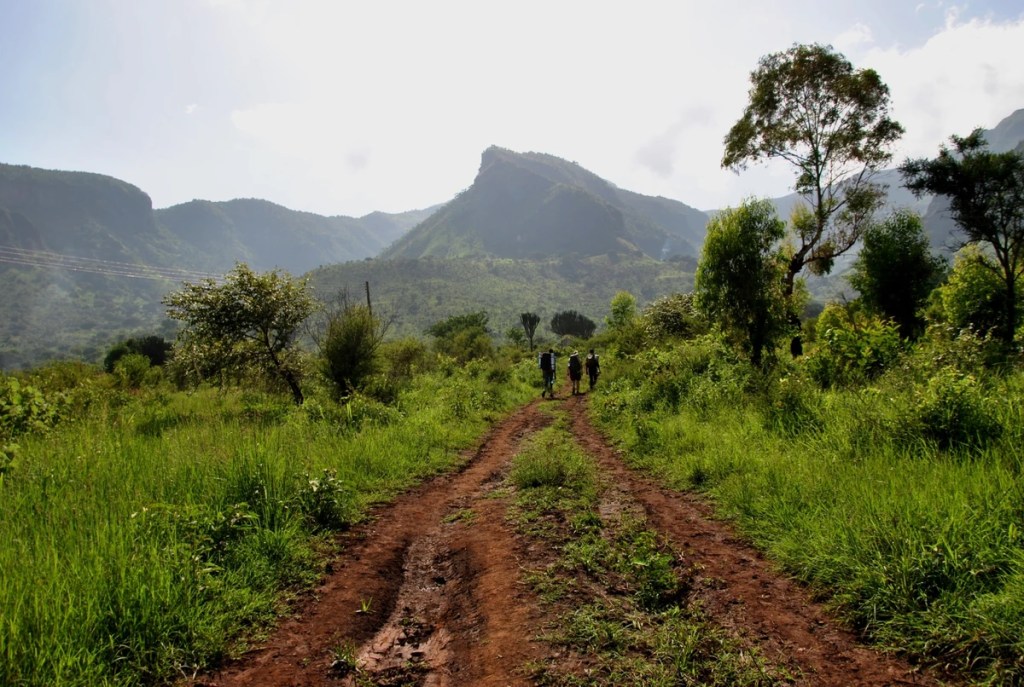
Rural Tourism Development is the strategic and sustainable use of a rural community’s unique natural, cultural, and agricultural assets to create tourism products that are owned, managed, and controlled by the local population. This concept, strongly aligned with the philosophy of the Kitara Foundation and the digital integration facilitated by Equera, ensures that tourism serves as a powerful engine for poverty alleviation, cultural preservation, and environmental conservation in marginalized rural areas.
1. Core Philosophy: Empowerment and Local Control
The foundation of successful rural tourism development is a shift from traditional, external-investor-led models to Community Based Tourism (CBT), placing the power and benefit distribution entirely in the hands of the hosts.
A. Community Ownership and Governance
- Bottom-Up Approach: Development must be initiated and guided by the community’s consent and participation, giving them the right to accept or reject tourism activities.
- Legal Entity: The CBTO must be established as a formal legal body (e.g., a cooperative, association, or community trust) to ensure collective ownership and management, preventing the concentration of power in a few individuals and avoiding social conflict.
- Leadership and Inclusivity: Governance structures must prioritize the active involvement and leadership of historically marginalized groups, particularly women and youth, transforming them from beneficiaries into entrepreneurs and decision-makers.
B. Equitable Benefit-Sharing (The Fiduciary Pillar)
- Transparent Allocation: A pre-defined, public, and auditable mechanism is essential for distributing tourism revenue into three funds: Operational (wages, running costs), Member Dividend (direct cash to participating families/individuals), and the Community Development Fund (CDF) (for communal projects like water, schools, or clinics).
- Digital Accountability (Equera’s Role): Tools supported by partners like Equera—simple spreadsheets or mobile money integration—must be used to record every booking, track expenses, and verify CDF expenditures. This ensures financial fidelity and builds trust between management and the wider community.
2. Product Development and Standardization
The most successful rural tourism products leverage authenticity and indigenous knowledge, moving far beyond simple accommodation.
A. The Tourism Assets
- Agro-Tourism & Livelihood Immersion: Involves tourists in authentic, seasonal activities, such as coffee or tea harvesting, traditional crop planting, farm-to-table culinary experiences, or bee-keeping.
- Cultural Heritage Tourism: Showcasing traditions, storytelling by elders, visiting historical sites, learning traditional music and dance, or experiencing local rituals on the community’s terms.
- Eco-Tourism & Conservation: Utilizing local knowledge to guide bird watching, nature walks, or medicinal plant tours. The tourism fee should include a direct contribution to local conservation and environmental management (e.g., forest patrols, waste management).
- Handicrafts and Arts: Developing local craft markets and workshops that allow visitors to learn a skill (e.g., weaving, pottery) and directly purchase products, ensuring the artisans retain the majority of the income.
B. Quality Standards and Consistency
- Basic Infrastructure: Kitara Foundation’s support focuses on essential, sustainable infrastructure: developing access trails, improving signage, and ensuring clean, functional sanitation facilities and safe drinking water at tourism sites and homestays.
- Service Quality: While the experience is authentic, the service must be professional. Ongoing training in hospitality, safety, food hygiene, and interpretation is mandatory to ensure reliability, which is a key factor for securing relationships with international tour operators.
3. Market Access and Digital Integration
The major barrier for rural CBTOs is reaching international customers. Digital solutions are the key to overcoming geographic isolation.
A. Digital Market Linkages
- Global Visibility (The Equera Model): CBTOs must be connected to digital booking and payment platforms. Equera facilitates this by providing the technology framework for CBTOs to list their products, manage availability, and securely accept international payments.
- Storytelling and Branding: Digital platforms enable CBTOs to tell their unique stories using high-quality content (photos, short videos) that highlights the direct social impact of a visit, appealing to the conscious traveler seeking sustainable experiences.
B. Partnerships and Distribution
- Tour Operator Alliances: Forming fair-trade partnerships with responsible tour companies is vital for filling bookings. These partnerships must respect the CBTO’s pricing and allocation rules.
- Networking and Advocacy: Organizations like Kitara Foundation act as a crucial linkage builder, advocating for rural CBTOs at national and regional tourism forums and connecting them with grants and technical support.
4. Sustainability and Resilience
Rural tourism must be sustainable—economically, culturally, and environmentally—to avoid the negative impacts often associated with mass tourism.
A. Environmental Stewardship
- Minimal Footprint: All activities must adhere to the principles of low-impact tourism. This includes conservation education for both tourists and community members, sustainable waste management, and the use of eco-friendly materials for construction.
- Climate Resilience: Diversifying tourism activities throughout the year to manage seasonality and integrating tourism with local sustainable agriculture (agri-tourism) strengthens the local economy against external shocks like climate change or market shifts.
B. Cultural and Social Integrity
- Cultural Protection: The community must define what aspects of their culture are not for sale. Tourism must strengthen, not dilute, local traditions. Guests must be briefed on appropriate behavior and cultural norms before their visit.
- Conflict Mitigation: Establishing transparent rules for resource use (e.g., water, firewood) and clear conflict resolution procedures within the CBTO is essential to maintain community cohesion and support for the tourism project.
Rural Tourism Development, when executed through the CBT framework, transcends a mere economic activity to become a vehicle for community self-determination and socio-cultural reinforcement, a core mission championed by the collaboration between Kitara Foundation and Equera.
CBTO Development Checklist: The Four Pillars
This detailed checklist operationalizes the comprehensive concept for Rural Tourism Development, ensuring a Community Based Tourism Organization (CBTO) covers all major areas of focus, informed by the principles of Kitara Foundation and the digital necessity of platforms like Equera.
1. Governance and Empowerment (Local Control)
| Status | Item | Action Required | Responsibility | Kitara Foundation Focus |
| ⬜ | CBTO Legal Status | Is the CBTO formally registered (e.g., as a cooperative, association, or trust)? | CBTO Board | Legal Establishment, Risk Mitigation |
| ⬜ | Governance Structure | Is there an elected Management Committee with clear roles (Chair, Treasurer, Secretary)? | CBTO Board | Transparency, Accountability |
| ⬜ | Inclusivity Policy | Do the committee and membership reflect the community’s diversity (women, youth, minority groups)? | CBTO Membership | Gender and Youth Empowerment |
| ⬜ | Code of Conduct | Is there a written agreement on member responsibilities, conduct, and a procedure for conflict resolution? | Management Committee | Social Cohesion |
| ⬜ | Financial Literacy Training | Have key management members received basic training in bookkeeping and budgeting? | Treasurer/Kitara Partner | Capacity Building |
2. Product Development and Standardization (Authenticity & Quality)
| Status | Item | Action Required | Responsibility | Standard |
| ⬜ | Product Inventory | Have all unique cultural, natural, and agricultural assets been listed and assessed for tourism potential? | Product Development Team | Authenticity |
| ⬜ | Service Manual | Are there written standards for homestay hygiene, food safety, and guiding protocols? | Training Manager | Safety and Quality |
| ⬜ | Guest Briefing | Is a clear cultural briefing provided to every guest (e.g., dress code, photography rules, local customs)? | Guides | Cultural Preservation |
| ⬜ | Risk Assessment | Have basic emergency procedures (e.g., first aid access, evacuation routes) been established for all activities? | Safety Officer | Visitor Security |
| ⬜ | Indigenous Knowledge | Are elders and traditional knowledge holders integrated into product design (as storytellers, guides, or trainers)? | Community Liaison | Heritage Preservation |
3. Financial Management and Transparency (Equitable Benefits)
| Status | Item | Action Required | Responsibility | Equera/Digital Focus |
| ⬜ | Benefit-Sharing Mechanism | Is the formula for revenue allocation (Operational, Dividend, CDF %) clearly written, agreed upon, and public? | CBTO Board | Equity and Trust |
| ⬜ | Digital Ledger Setup | Has a simple digital accounting system (e.g., shared Google Sheet or mobile app) been set up to track all income and expenses? | Treasurer | Accuracy and Efficiency |
| ⬜ | Public Reporting | Are financial reports (ledger entries, CDF spending) posted publicly (physically and/or digitally) on a scheduled basis (e.g., monthly/quarterly)? | Treasurer/Auditor | Transparency and Accountability |
| ⬜ | Digital Payouts | Is a mobile money system (e.g., M-Pesa) used to pay member dividends and wages directly, providing a clear digital receipt? | Treasurer | Traceability and Security |
| ⬜ | Pricing Strategy | Has the CBTO set competitive but profitable prices that cover operational costs and ensure a fair wage/dividend? | Management Committee | Economic Sustainability |
4. Market Access and Sustainability (Growth and Resilience)
| Status | Item | Action Required | Responsibility | Strategic Partnership |
| ⬜ | Digital Listing | Is the CBTO’s product listed with a digital market partner (like Equera) with up-to-date photos and pricing? | Marketing Manager | Market Visibility |
| ⬜ | Partner Agreement | Has the CBTO secured at least one formal agreement or Memorandum of Understanding (MOU) with a responsible tour operator? | Marketing Manager | Consistent Bookings |
| ⬜ | Conservation Linkage | Does the CBTO have a formal plan to contribute a portion of revenue to local conservation (e.g., tree planting, anti-poaching)? | CDF Committee | Environmental Sustainability |
| ⬜ | Diversification Plan | Does the CBTO have non-tourism income streams (e.g., farming, handicraft sales) to reduce reliance on tourism alone? | Management Committee | Economic Resilience |
| ⬜ | Visitor Feedback System | Is there a simple digital or written system for collecting visitor feedback to continuously improve services? | Service Manager | Product Improvement |

 COMMUNITY BASED TOURISM DEVELOPMENT AT KITARA FOUNDATION FOR SUSTAINABLE TOURISM: Transforming Communities through Travel Partnerships. Email: kitararcc@gmail.com;