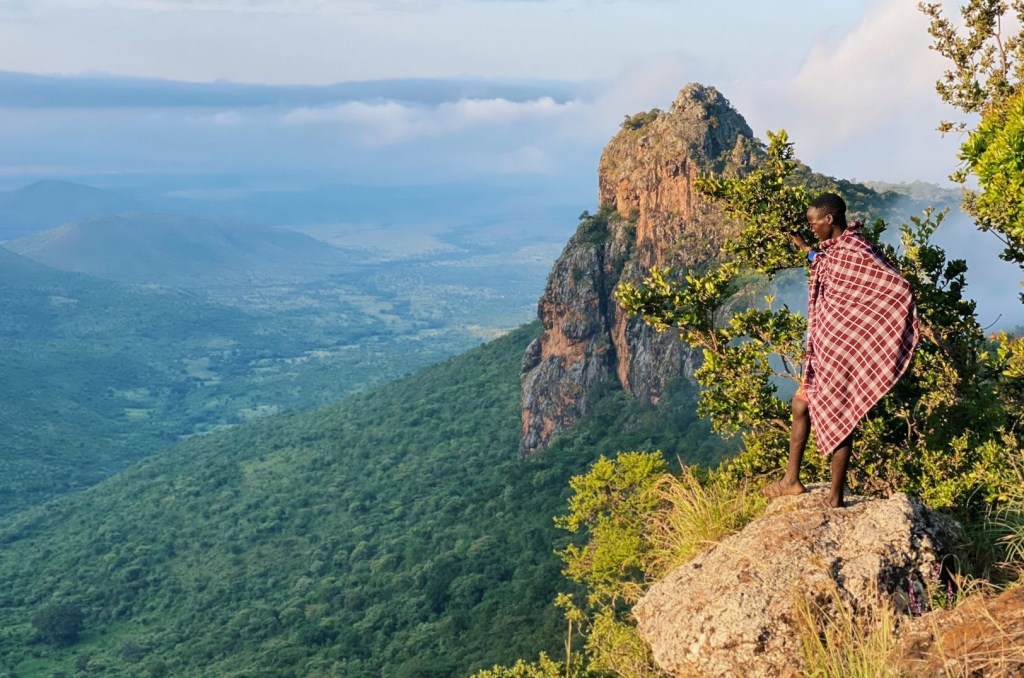
Community Based Tourism Organizations (CBTOs) face unique challenges that stem from their grassroots structure, remote locations, and dependency on collective effort. Successfully navigating these hurdles is essential for long-term sustainability, a core mission of the Kitara Foundation and a prerequisite for effective digital integration with platforms like Equera.
This article outlines practical strategies for CBTOs to overcome the most common obstacles.
1. 🤝 Internal Challenges: Governance, Capacity, and Equity
Internal friction and mismanagement can quickly derail a promising CBTO. These challenges must be addressed with transparency and structure.
A. Challenge: Lack of Transparent Governance and Trust
When communities see tourism revenue disappearing or concentrated in the hands of a few leaders, participation collapses.
- Strategy: Embrace Radical Financial Transparency.
- Action: Implement a simple, shared digital ledger (e.g., a Google Sheet or basic accounting app, often supported by partners like Equera) to record all income and expenses.
- Action: Regularly publish the allocation of funds, showing clearly what goes to the Community Development Fund (CDF) and what goes to wages/dividends. Hold quarterly public meetings where the treasurer presents the records and answers questions.
B. Challenge: Low Professional Capacity and Skill Gaps
CBTO members often lack formal training in hospitality, finance, marketing, or digital tools.
- Strategy: Implement Targeted, Accessible Training Programs (Kitara Foundation Focus).
- Action: Conduct regular, skills-focused training workshops on customer service, food hygiene, basic bookkeeping, and digital literacy.
- Action: Utilize digital platforms (like simple video tutorials on WhatsApp or a dedicated online portal) to deliver training that overcomes geographical barriers. Focus on training backups (e.g., a young person to assist the treasurer) to ensure knowledge is retained within the community.
C. Challenge: Inequitable Benefit Distribution
If only homestay owners or guides benefit, community support (the foundation of CBT) dissolves.
- Strategy: Formalize the Equitable Benefit-Sharing Mechanism (EBSM).
- Action: Ensure the EBSM is written down, agreed upon by the whole community, and allocates a mandatory, significant percentage of revenue (e.g., 15-25%) to the CDF, which benefits all residents (schools, water, health clinic).
- Action: Use mobile money payments (FinTech) for all member dividends. This creates an immediate, traceable, and undeniable record of individual payments, preventing disputes and empowering recipients like women who may not control cash.
2. 🌍 External Challenges: Market Access, Competition, and Infrastructure
These challenges relate to connecting the CBTO to the global market and dealing with external factors.
A. Challenge: Lack of Market Visibility and Bookability
Remote CBTOs are often invisible to international travelers and lack secure systems for booking and payment.
- Strategy: Leverage Digital Distribution and Booking (Equera Focus).
- Action: Partner with digital platforms (like Equera) that provide global market access. Ensure the CBTO listing is complete, professional, and features high-quality, authentic photographs.
- Action: Offer secure online payment options. Accepting credit cards or secure digital transfers is non-negotiable for international travelers and reduces the risk of cash handling in remote areas.
B. Challenge: Competition from Conventional Tourism
Mass tourism operators often offer lower prices and high-end amenities that CBTOs cannot match.
- Strategy: Market Authenticity and Verifiable Impact.
- Action: Do not compete on price or luxury. Market your Unique Selling Proposition (USP): the authentic cultural immersion, the personal connection, and the direct, verifiable social impact of their money (your CDF contributions).
- Action: Seek Fair Trade and Ethical Tourism Certifications (if feasible) to formally differentiate your product from conventional, profit-driven ventures.
C. Challenge: Poor or Unreliable Infrastructure
This includes poor roads, unreliable electricity, and limited internet connectivity, which impacts both service and digital operations.
- Strategy: Invest in Resilient, Localized Solutions.
- Action: Prioritize investment in solar power, power banks, and rainwater harvesting to ensure essential services (lighting, communication) remain operational even during outages.
- Action: Manage guest expectations proactively in pre-arrival communication: clearly state that you are a rural destination and connectivity/power may be intermittent. Provide clear, simple guidance on how guests can help conserve resources.
3. 🛡️ Cultural and Environmental Challenges: Preservation and Integrity
Tourism can degrade the very assets it depends on if not carefully managed.
A. Challenge: Cultural Dilution and Commodification
Pressure to perform for tourists can lead to the loss of cultural authenticity or disrespect for local traditions.
- Strategy: Establish and Enforce Cultural Protocols.
- Action: The community (especially elders) must formally define what is non-negotiable (sacred sites, private rituals) and what can be shared.
- Action: Implement a mandatory Cultural Briefing for all guests upon arrival, delivered by a trained community member. This sets clear boundaries and ensures guests behave respectfully.
B. Challenge: Environmental Degradation
Increased foot traffic, resource consumption, and waste generation can damage the local ecosystem.
- Strategy: Adopt and Fund Low-Impact Practices.
- Action: Develop and enforce strict rules for waste sorting and disposal. Invest a portion of the CDF in local waste management and cleanup initiatives.
- Action: Integrate a small, mandatory Environmental Levy or fee into the tour price, specifically earmarked for conservation and trail maintenance. This makes the tourist part of the solution.
By systematically applying these strategies, rural CBTOs can turn potential weaknesses into strengths, ensuring their enterprises remain both commercially viable and deeply beneficial to their communities.

 COMMUNITY BASED TOURISM DEVELOPMENT AT KITARA FOUNDATION FOR SUSTAINABLE TOURISM: Transforming Communities through Travel Partnerships. Email: kitararcc@gmail.com;