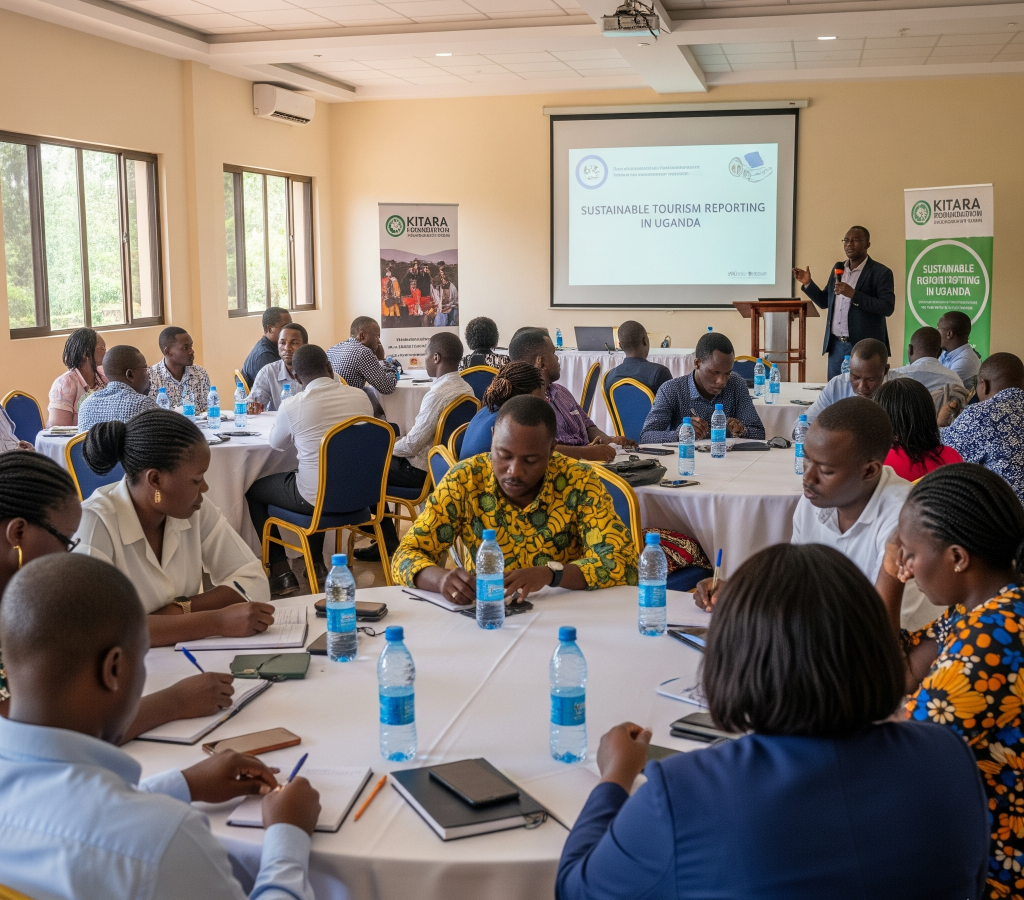
Community-Based Tourism (CBT) has emerged as a transformative model for sustainable development across Africa, shifting the focus from mass-market tourism to authentic, community-owned experiences. National Tourism Boards (NTBs) are increasingly recognizing that for tourism to be truly sustainable, it must be inclusive and empower the people who are the custodians of the culture and environment.
The shift towards CBT is directly aligned with the United Nations Sustainable Development Goals (SDGs), particularly SDG 1 (No Poverty) and SDG 8 (Decent Work and Economic Growth), positioning NTBs as catalysts for socio-economic change.
What National Tourism Boards are Out to Achieve with CBT
National Tourism Boards are not simply promoting CBT; they are strategically integrating it into the national tourism fabric to achieve several high-level objectives:
- Inclusive Economic Growth and Poverty Alleviation:
- Goal: To ensure that tourism revenue is distributed more equitably, flowing directly to local communities rather than being concentrated in urban or foreign-owned enterprises.
- Action: Promoting models like homestays, community-run craft markets, and local guiding services which create income and employment for underserved rural populations.
- Product Diversification and Competitiveness:
- Goal: To move beyond traditional safari-only or resort-based offerings by showcasing a country’s rich cultural and experiential diversity.
- Action: Certifying and marketing unique CBT experiences (e.g., cultural workshops, eco-lodges, village tours) that appeal to the growing segment of high-value, sustainable leisure travellers.
.
- Cultural and Environmental Preservation:
- Goal: To incentivize communities to protect their natural assets and cultural heritage by giving them a direct financial stake in their conservation.
- Action: Establishing standards and guidelines that mandate ethical practices, such as waste management, minimal environmental impact, and respectful cultural exchange, often linking CBT with ecotourism efforts.
- Enhanced Destination Resilience:
- Goal: To build a more robust and shock-resistant tourism sector by diversifying revenue streams and localizing ownership.
- Action: Fostering local entrepreneurship and capacity building to withstand global disruptions, like pandemics, which often disproportionately affect centralized, foreign-reliant businesses.
The Uganda Tourism Board (UTB) Case: Driving Industry Disruption
The Uganda Tourism Board (UTB), guided by its mission to sustainably promote Uganda as a competitive tourism destination, is perfectly positioned to leverage the growth of local Community-Based Tourism Organisations (CBTOs) to disrupt the industry. Uganda already has well-established CBTOs like the Uganda Community Tourism Association (UCOTA) and various local CBTOs (e.g., Rwenjeru Community Campsite, Ruboni Community Camp, Kisoro Volcanoes, BICOWA, etc), which have laid a strong foundation.
Given the existing ecosystem, UTB can undertake the following strategic actions:
1. Standardization and Certification (The Quality Seal)
- Action: Develop a clear, tiered “UTB CBT Quality Seal” or certification program. This would assess CBTOs on hospitality standards, financial transparency, community benefit-sharing mechanisms, and adherence to environmental guidelines.
- Disruptive Impact: This moves CBT from a niche, often perceived as “low-quality,” product to a reliable, marketable premier experience. It builds trust with international tour operators and differentiates authentic, high-value experiences from informal ones.
2. Digital Integration and Market Access
- Action: Dedicate a prominent section on the national ‘Explore Uganda’ digital platforms and international trade shows (like POATE) solely to certified CBT experiences. UTB should facilitate training for CBTOs on digital marketing, online booking systems, and financial literacy.
- Disruptive Impact: Overcomes the major challenge of market access. By digitally linking local CBTOs directly with international buyers and high-value travellers, UTB cuts out intermediaries, potentially increasing the revenue share retained by the community.
3. Capacity Building and Mentorship Hubs
- Action: Establish regional CBT Incubation Hubs in partnership with NGOs and private sector tour operators. These hubs would provide practical training in:
- Product Development (e.g., turning a traditional story into a compelling guided tour).
- Hospitality and Guiding Skills.
- Basic Financial Management and Governance.
- Disruptive Impact: Transforms CBTOs from informal social projects into professional, sustainable small-to-medium enterprises (SMEs). This professionalization injects innovation and competitiveness into the broader tourism value chain.
4. Policy and Linkage Facilitation
- Action: Actively facilitate Business-to-Business (B2B) linkages between major inbound tour operators and certified CBTOs. This could involve mandatory “familiarization trips” for operators to CBT sites and providing incentives for packages that include community components.
- Disruptive Impact: Mainstreams CBT. Instead of being an ‘add-on’ activity, it becomes a core component of premium, multi-day itineraries, securing stable, long-term business for local communities and driving the country’s reputation as a leader in sustainable tourism.
By taking these strategic steps, the Uganda Tourism Board can use its growing network of professional Community-Based Tourism Organisations as a powerful force to transform the industry into one that is more inclusive, competitive, and truly reflective of the country’s rich cultural and natural heritage.


 COMMUNITY BASED TOURISM DEVELOPMENT AT KITARA FOUNDATION FOR SUSTAINABLE TOURISM: Transforming Communities through Travel Partnerships. Email: kitararcc@gmail.com;