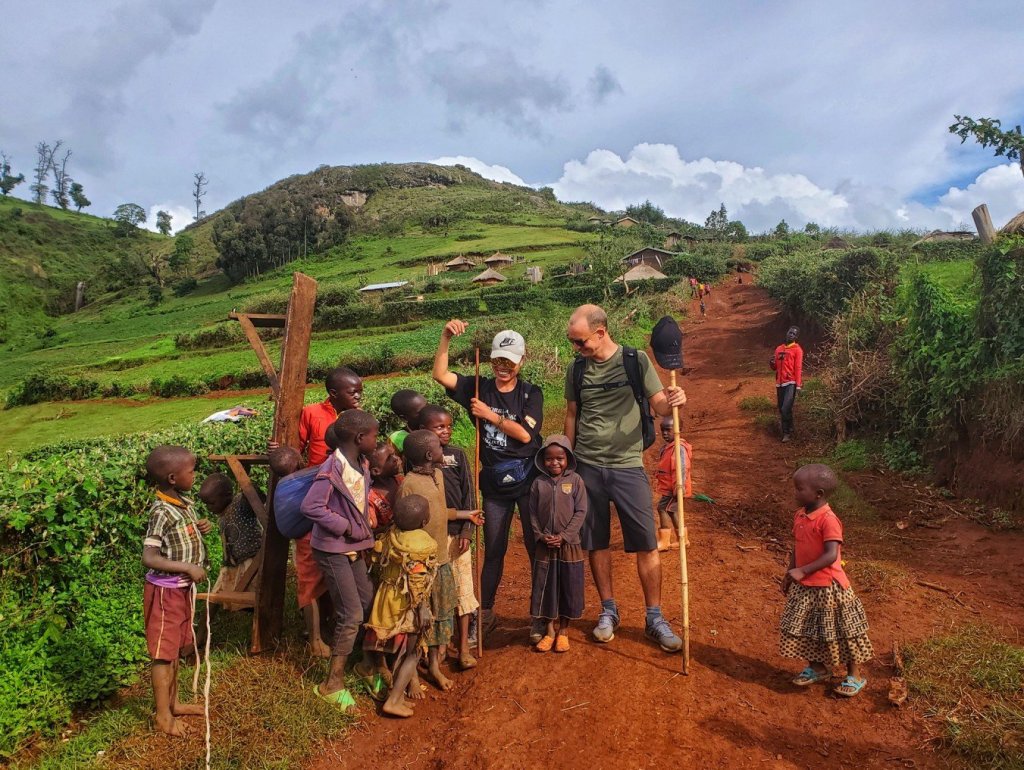
Training for the Nation’s Dream of an Ideal Tourism:
In the grand tapestry of Uganda’s Vision 2040, tourism is not merely a sector; it is a heartbeat. The “Nation’s Dream” is to transform the Pearl of Africa into a competitive, upper-middle-income society where the beauty of our landscapes and the warmth of our people are the primary drivers of prosperity.
However, an ideal tourism industry—one that is sustainable, inclusive, and world-class—cannot be built on raw talent alone. It requires a radical, intentional approach to training. We are shifting the narrative from training “servants” of the industry to empowering Guardians of the Nation.
The Vision: What is “Ideal Tourism”?
Ideal tourism is a symbiotic relationship where the traveler leaves transformed and the destination remains enriched. It is a model where:
- The Community is the CEO of the experience.
- Nature is preserved as a priceless asset, not a commodity.
- The Economy is “bottom-up,” ensuring that every dollar spent by a visitor ripples through the local village.
To achieve this, our training programs—led by institutions like the Kitara Foundation and partners like Equera and UCOTA—are evolving beyond basic hospitality to a holistic “Guardian Curriculum.”
The Four Pillars of the Guardian Curriculum
1. The Mastery of Storytelling (Interpretation)
A guide shouldn’t just name a bird; they should tell the story of how that bird’s migration is linked to the community’s planting season. Training now focuses on Cultural Interpretation—turning facts into “soul-connections.” This educates the traveler on why the landscape matters to the people who live there.
2. The Business of Belonging (CBT Management)
Ideal tourism requires local communities to be business-savvy. Training in financial literacy, digital marketing, and sustainable enterprise management is turning rural groups into professional cooperatives. This empowers them to manage their own lodges and craft centers without losing their cultural identity to international corporate models.
3. The Science of Sustainability (Eco-Stewardship)
Through partnerships like the MTWA Apprenticeship Program, young Ugandans are being trained in “Green Tourism.” This includes waste management, renewable energy for lodges, and “Neighbor-to-Nature” policies. The goal is to ensure that the tourism of 2025 does not destroy the resources of 2040.
4. Radical Hospitality (The “Ubuntu” Standard)
We are defining a unique “Ugandan Standard” of service. It isn’t the stiff, formal service of old-world hotels; it is the Ubuntu philosophy—I am because we are. Training focuses on merging international professional standards with the authentic, raw warmth that makes Uganda “Africa’s Friendliest Nation.”
The Challenge: A Call to the Industry
While we dream of an ideal tourism, the road is challenging. We must move faster than the threats of climate change and cultural erosion.
- To the Educators: We must stop teaching from old textbooks and start teaching in the field. The Manyatta, the forest, and the coffee farm are our best classrooms.
- To the Youth: Tourism is not just a job; it is a patriotic duty. You are the diplomats of the Pearl of Africa.
- To the Partners: Investment must flow into human capital, not just infrastructure. A five-star hotel with no soul is just a building; a community with a vision is a destination.
The Future: A Nation of Tourism Professionals and Protectors
When we train for the Nation’s Dream, we are creating a workforce of Pathfinders. We are building a Uganda where a visitor doesn’t just “see” the country, but feels its pulse through the expertise and passion of its people.
Ideal tourism is within our reach, but it starts in the classroom, the workshop, and the community hall. It starts with the belief that our greatest resource is not just the gorilla or the Nile—it is the Ugandan who knows how to guard them.
This Training Roadmap is designed to transform a passionate community group into a professional, self-sustaining tourism enterprise. It moves beyond “basic hosting” to cultivate stewardship, business acumen, and world-class storytelling.
The Roadmap to Resilience: A CBT Training Framework
Phase 1: The Foundation – Mindset and Mobilization
Before building a lodge or a trail, the community must build a shared vision.
- Module: The CBT Philosophy. Understanding that tourism is a tool for conservation and development, not just a source of tips.
- Module: Resource Mapping. Training the community to identify “hidden gems”—an old grandmother’s cooking style, a sacred tree, or a traditional blacksmith—and valuing them as tourism assets.
- Module: Governance and Leadership. Establishing a committee with clear roles (Chairperson, Treasurer, Secretary) to ensure transparency and prevent “founder’s trap” or elite capture of funds.
Phase 2: The Craft – Product Development and Storytelling
Turning daily life into a “Guest Experience” that travelers are willing to pay for.
- Module: The Art of Interpretation. Moving from “This is a bird” to “This bird represents the spirit of our ancestors.” Training local youth to be professional guides who weave culture, history, and nature together.
- Module: Itinerary Design. Learning how to “pace” a tour. How long should a village walk be? When should the guest rest? How do we handle dietary restrictions during a traditional meal?
- Module: Packaging and Pricing. Training in “The Value Chain.” Calculating costs (labor, ingredients, conservation fees) and setting a price that is fair to the community and competitive for the traveler.
Phase 3: The Standard – Operations and Radical Hospitality
Professionalizing the “Ubuntu” spirit to meet international expectations.
- Module: The “Ubuntu” Service Standard. Training in hygiene, food safety, and housekeeping. How to maintain a “five-star soul” even in a “one-star” physical environment (e.g., pit latrine cleanliness and safe drinking water).
- Module: Financial Literacy and Record Keeping. Basic bookkeeping. Every shilling must be accounted for to maintain community trust and reinvest in local projects like schools or clinics.
- Module: Safety and First Aid. Training guides in basic wilderness first aid and emergency protocols. Security is the foundation of travel confidence.
Phase 4: The Bridge – Marketing and Market Readiness
Connecting the village to the world.
- Module: Digital Literacy and Storytelling. Training youth to use smartphones for high-quality photography and social media management. How to tell the community’s story on Instagram, Facebook, and TripAdvisor.
- Module: Partnering with the Trade. How to talk to Tour Operators. Training the group on how to respond to emails promptly and honor bookings made by international agencies.
- Module: Impact Monitoring. Learning to measure success beyond money. Are the forests being protected? Are children staying in school? Is the culture being respected or “performed”?
The Challenge: The “Long Walk” to Excellence
Training is not a one-time event; it is a continuous cycle. The greatest challenge for any community group is consistency.
- The “Pilot” Test: After training, the community should host “test guests” (friends, local partners) to receive honest feedback before going live.
- Peer-to-Peer Learning: We encourage groups to visit successful CBT sites like Bigodi or Ruboni to see the results of professional training in action.

 COMMUNITY BASED TOURISM DEVELOPMENT AT KITARA FOUNDATION FOR SUSTAINABLE TOURISM: Transforming Communities through Travel Partnerships. Email: kitararcc@gmail.com;