The Nature’s Guardians: Cultural Treasures of the Pearl of Africa
While Uganda’s mist-covered mountains and golden savannahs are breathtaking, the true magic of the “Pearl of Africa” lies in the people who wake up to these views every day. In the world of Community-Based Tourism (CBT), we call them The Guardians.
They are more than just hosts; they are the traditional custodians of the land, the keepers of ancient medicinal secrets, and the primary stakeholders in the survival of the world’s most endangered species.
To travel with them is to see Uganda through the eyes of those who love it most. Let’s meet the guardians of the North, South, and West.
1. The Forest Custodians: The Batwa of Bwindi
For thousands of years, the Batwa people lived in harmony with the mountain gorillas in the Bwindi Impenetrable Forest. Known as the “First People of the Forest,” they lived as hunter-gatherers, taking only what they needed.
- The Experience: Join the Batwa Cultural Trail. Instead of just trekking gorillas, you walk the forest with a Mutwa guide who shows you how to light a fire with sticks, identify life-saving herbs, and shoot a traditional bow and arrow.
- The Guardian’s Impact: By sharing their heritage, the Batwa have transitioned from “conservation refugees” to active partners in tourism. Your visit provides them with land, education, and a dignified way to keep their forest traditions alive for their children.
2. The Savannah Warriors: The Karamojong of Kidepo
In the remote northeast, where the jagged peaks of the Karamoja region meet the vast plains of Kidepo Valley, live the Karamojong. Often compared to the Maasai, they are proud nomadic pastoralists whose lives revolve around their cattle and their “Manyattas” (enclosed homesteads).
- The Experience: Spend an evening in a Manyatta. You’ll witness the rhythmic jump-dances, see the intricate scarification that tells a person’s life story, and learn about Akuj—their god of nature and wealth.
- The Guardian’s Impact: For years, this region was misunderstood. Today, the Karamojong use tourism to protect their culture against the pressures of modernization, ensuring that their unique way of life remains a source of pride rather than a relic of the past.
3. The Wetland Sentinels: The People of Bigodi
Near the chimpanzee-filled forests of Kibale lies the Bigodi Wetland Sanctuary. This is a global success story of what happens when a community decides to guard its own backyard.
- The Experience: Take a guided walk through the swamp with a local naturalist. You’ll spot the Great Blue Turaco and eight different species of primates. Afterward, visit the Bigodi Women’s Group to see how they transform swamp grass into world-class art.
- The Guardian’s Impact: The community-run KAFRED (Kibale Association for Rural and Environmental Development) uses 100% of tourism profits to fund the local Bigodi Secondary School and health clinics. Here, every bird you spot helps pay a child’s tuition.
4. The Mountain Pathfinders: The Bakonzo of the Rwenzoris
The “Mountains of the Moon” are guarded by the Bakonzo people. They are the legendary climbers who have navigated these snow-capped equatorial peaks for centuries.
- The Experience: Engage in the Ruboni Community Hike. You won’t just see the peaks; you’ll visit a traditional healer, learn how to grind millet on a stone, and hear the stories of the mountain spirits that the Bakonzo believe protect the glaciers.
- The Guardian’s Impact: By acting as guides and porters, the Bakonzo provide an essential service that makes the mountains accessible, while ensuring the fragile alpine ecosystem is respected and preserved.
Why Their Lens Matters
When you meet these guardians, your safari stops being a “checklist” of animals and starts being a human story. You begin to understand that:
- A Gorilla is a brother to be protected, not just a photo op.
- A Wetland is a source of education for the next generation.
- A Traditional Dance is a defiant act of cultural survival.
Plan Your Guardian Encounter
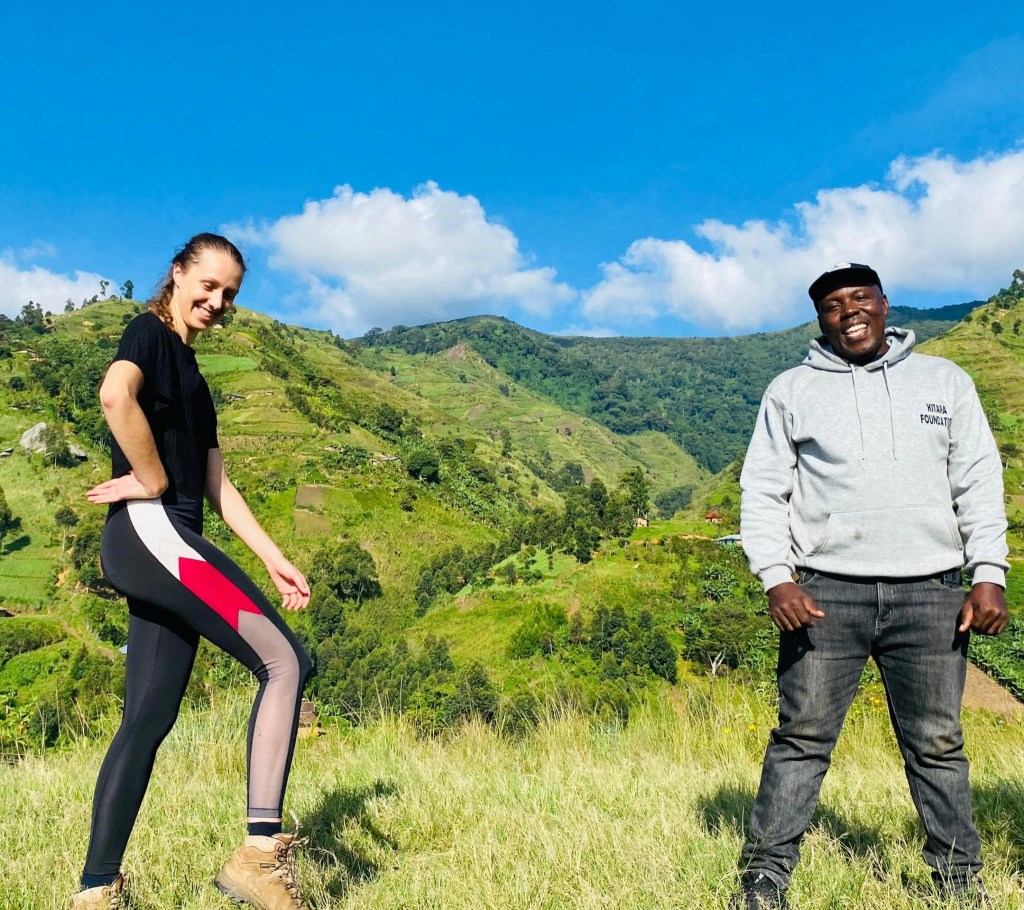
Uganda’s community partners—like the Kitara Foundation and local foundations—are ready to bridge the gap between your world and theirs.

 COMMUNITY BASED TOURISM DEVELOPMENT AT KITARA FOUNDATION FOR SUSTAINABLE TOURISM: Transforming Communities through Travel Partnerships. Email: kitararcc@gmail.com;