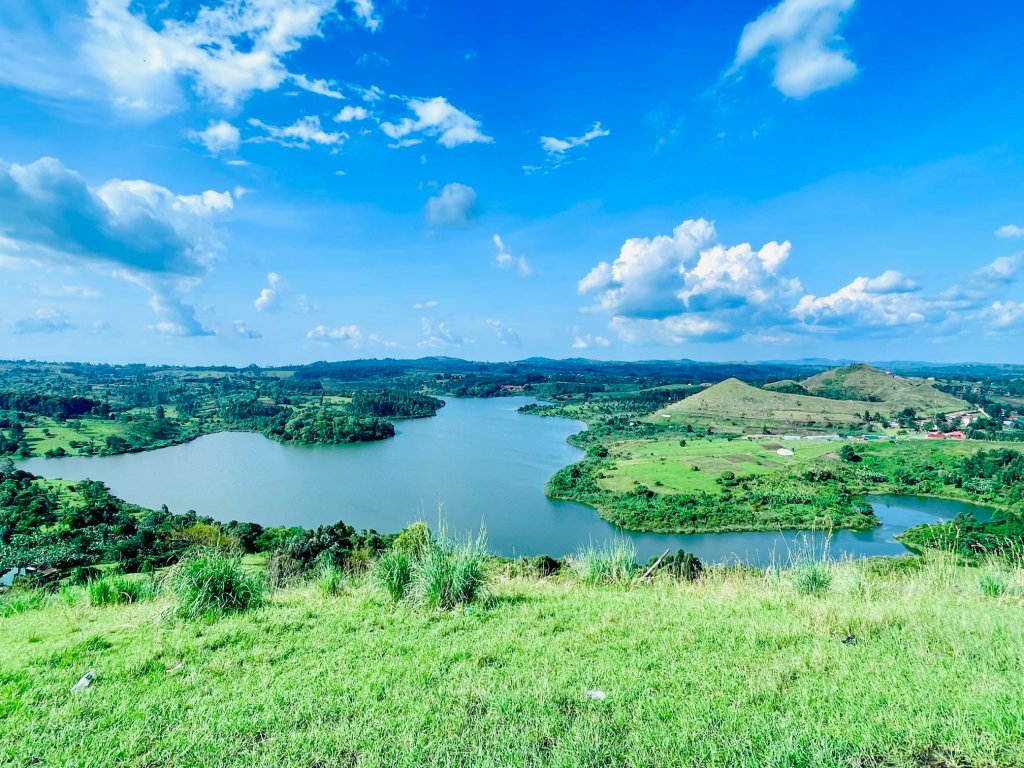
Kitara Foundation for Sustainable Tourism is a leading non-profit organization dedicated to transforming Uganda’s tourism landscape. We believe that tourism, when managed sustainably, is the most powerful tool for poverty alleviation, cultural preservation, and environmental conservation. Based in the heart of the “Tourism Capital,” Fort Portal City, our foundation serves as a bridge between rural communities and the global travel market.
- Mission: To contribute to the transformation of the tourism and hospitality industry in Uganda through capacity building, networking, marketing, and fostering community participation in regional tourism development and conservation.
- Vision: A sustainable, competitive, and inclusive tourism and hospitality industry in Uganda that benefits both the people and the planet.
- Goal: To be the leading facilitator of tourism transformation in the region, equipping local communities with the skills and platforms to thrive in the global economy.
- Strategic Objectives:
- Establish a Tourism Coordination Center for knowledge sharing and regional improvement.
- Support district-led tourism platforms and private sector development.
- Enhance community awareness and skilling in market-demanded tourism skills.
- Diversify regional tourism products through research, benchmarking, and training.
- Champion environmental conservation and the preservation of indigenous cultural knowledge.
Justification
Uganda’s tourism sector is a primary driver of foreign exchange, yet the economic benefits often fail to reach the rural communities who serve as the custodians of the country’s natural and cultural heritage. Kitara Foundation for Sustainable Tourism seeks to bridge this gap. This strategy outlines a strategic intervention for 2026 to formalize, professionalize, and market Community-Based Tourism Organizations (CBTOs) as competitive, high-quality global travel products.
The Challenge
Despite possessing immense potential, many Ugandan community tourism initiatives suffer from:
- Lack of formal organizational structures and legal registration.
- Limited access to investment capital and market linkages.
- Inconsistent service standards and lack of digital visibility.
- Isolation from global tourism trends and expert knowledge.
Strategic Objectives & Intervention Pillars
The 2026 Strategy is built on seven integrated pillars designed to create a self-sustaining tourism ecosystem:
- Institutional Strengthening: Mobilizing and registering CBTOs and forming Regional Tourism Investors Forums to attract Public-Private-Community Partnerships (PPCPs).
- Human Capital Development: Implementing a “Global-Local” exchange where international CBT volunteer trainers mentor local youth and entrepreneurs.
- Quality Assurance: Establishing a CBT Quality Seal to ensure community homestays and tours meet international hygiene, safety, and storytelling standards.
- Global Market Integration: Utilizing digital platforms and international travel expos (POATE, ITB Berlin, WTM) to place Ugandan CBT directly into the hands of global travelers.
Expected Impact (2026 Goals)
- 100+ CBTOs formally registered and operational across Uganda.
- 10 Regional Tourism Investors Forums established to facilitate local investment.
- 500+ Local youth and women trained in hospitality and digital marketing.
- 20% Increase in direct revenue for participating rural communities.
Partnership Opportunities
We are inviting partners to contribute through:
- Technical Expertise: Providing specialists in sustainable tourism, eco-architecture, or digital systems.
- Financial Support: Funding for mobilization workshops, training kits, and participation in international travel fairs.
- Volunteer Placement: Partnering with international universities and tourism boards to send volunteer trainers and trainees.
- Technology Linkages: Providing tools for digital booking, payment processing, and conservation monitoring.
2026 Strategic Pillars for Community-Based Tourism (CBT)
1. Mobilization and Formation of CBTOs
We are launching a nationwide campaign to identify and organize community groups into formal Community-Based Tourism Organizations (CBTOs).
- Action: Assist communities in registering as legal entities (CBOs or Cooperatives) with District Community Development Offices and URSB.
- Focus: Mapping untapped cultural and natural assets in rural areas to create a diverse “CBT Map of Uganda.”
2. District and Regional Tourism Investors Forums
To bridge the gap between grassroots initiatives and capital, we will establish Tourism Investors Forums at the district and regional levels.
- Action: Host quarterly forums where CBTOs present “pitch decks” to local and international investors.
- Focus: Encouraging Public-Private-Community Partnerships (PPCPs) to improve local infrastructure like eco-lodges and access trails.
3. Training and Global Volunteer Exchange
Capacity building will be decentralized through a robust Volunteer Trainer Program.
- Action: Host 50+ international CBT experts and 100+ volunteer trainees to provide on-site mentorship in product development, hospitality, financial literacy, and storytelling.
- Focus: Implementing “Training of Trainers” (ToT) modules to ensure skills remain within the community long after volunteers depart.
4. Global Marketing of Ugandan CBT
We will transition Uganda’s CBT from being “hidden gems” to being “globally bookable.”
- Action: Leverage digital SaaS platforms (like Equera) to bring CBTO products online for direct global booking.
- Focus: A targeted “Explore the Real Uganda” campaign focusing on authenticity, targeting the growing segment of “Impact Travelers.”
5. Standardization and Quality Improvement
To compete globally, Ugandan CBT must meet international expectations without losing its soul.
- Action: Develop and implement a CBT Quality Seal based on East African Standards (EAS), focusing on safety, hygiene, and authentic storytelling.
- Focus: Regular peer-review audits and “mystery shopper” programs for homestays and community tours.
6. Networking and Global Collaboration
Kitara Foundation will act as a central hub for networking.
- Action: Formalize partnerships with the Uganda Tourism Board (UTB) and international bodies like the Equera, UN Tourism (UNWTO).
- Focus: Creating a digital directory of all Ugandan CBTOs to facilitate B2B linkages with international tour operators.
7. Learning and Development from Global Experts
We will ensure Uganda stays at the forefront of CBT innovation.
- Action: Mobilize and support CBTO leaders to participate in the Pearl of Africa Tourism Expo (POATE) 2026 and international shows like ITB Berlin and WTM London where possible.
- Focus: Organizing “Global CBT Knowledge Exchange” webinars featuring experts from successful CBT hubs like Thailand and Costa Rica.
Invitation to Development Partners
The Kitara Foundation for Sustainable Tourism invites National and International Development Partners—including NGOs, Government Agencies, Diplomatic Missions, and Private Investors—to join us in this transformative journey.
Your expertise in sustainable finance, digital marketing, environmental conservation, or vocational training is vital. By contributing resources to this 2026 Strategy, you are not just funding a project; you are investing in a self-sustaining ecosystem that empowers thousands of Ugandans and protects our “Pearl of Africa” for generations to come.
Kitara Foundation for Sustainable Tourism believes that the future of Uganda’s tourism lies in its people. By supporting this strategy, partners will contribute to a model of development that prioritizes environmental conservation, cultural dignity, and direct economic empowerment.
Together, let’s make 2026 the Year of the Community.


 COMMUNITY BASED TOURISM DEVELOPMENT AT KITARA FOUNDATION FOR SUSTAINABLE TOURISM: Transforming Communities through Travel Partnerships. Email: kitararcc@gmail.com;