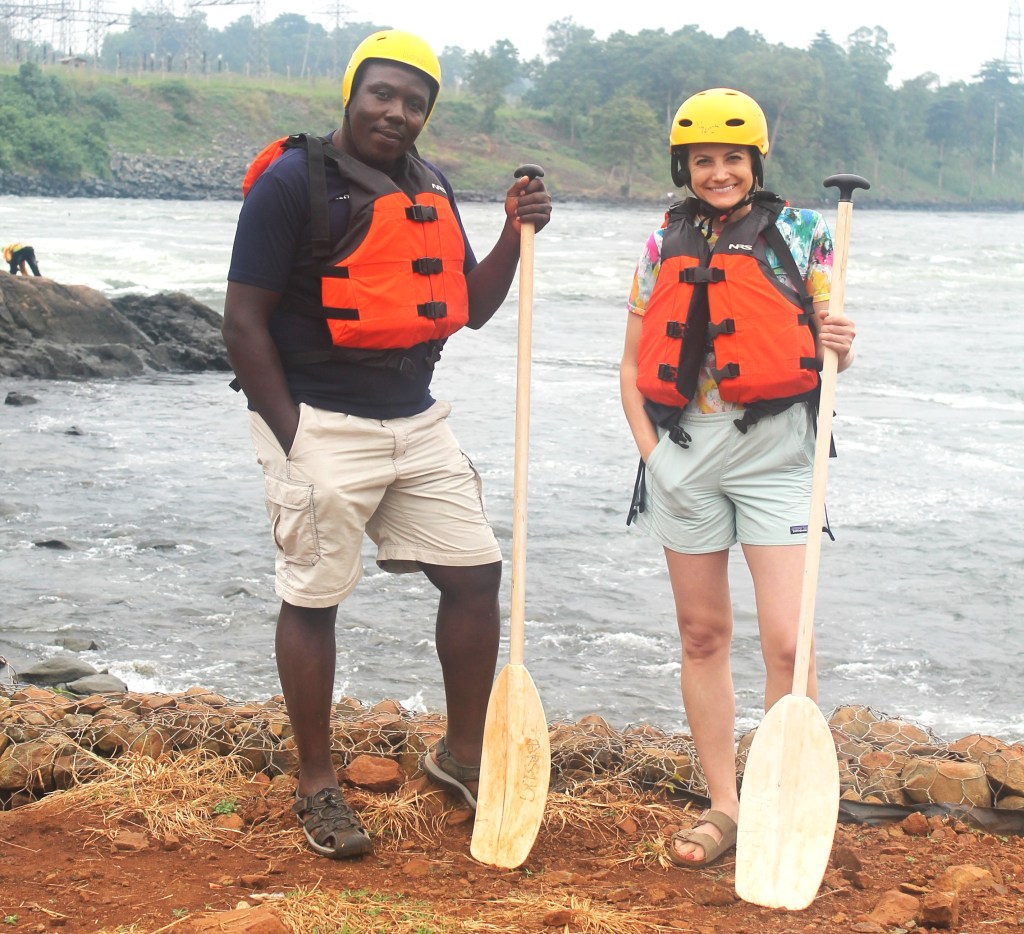
Beyond the Mines and Pipelines: Why Community-Based Tourism is Uganda’s Real Wealth
For decades, the narrative of Uganda’s economic “promised land” has been built on three pillars: the sweat of the traditional farmer, the recent explosion of the gold trade, and the high-stakes anticipation of first oil.
In the current economic landscape of 2026, Uganda stands at a unique crossroads. While Gold has become a multi-billion dollar export and Oil production is on the horizon, these sectors often suffer from “revenue leakage”—where profits bypass local households and communities, and stay within large corporations or urban centers.
While these sectors bring in billions, they often feel distant to the person on the street. Gold is refined in high-security zones; oil flows through underground pipelines. But there is a fourth pillar rising—one that doesn’t require a drill or a refinery to benefit the common citizen. This is Community-Based Tourism (CBT), and it is arguably the most democratic, sustainable, and inclusive “gold mine” Uganda has ever discovered.
Community-Based Tourism (CBT) represents a paradigm shift. It is the “oil and gold for every Ugandan” because it decentralizes wealth, turning every village, farm, and homestead into a potential revenue stream.
The “Leaking” Wealth vs. The “Rooted” Wealth
Currently, Uganda’s revenue is dominated by commodities. While coffee and gold are vital, they are subject to global price shocks. Furthermore, the profits from large-scale mining and oil extraction often “leak” out of the country or remain concentrated in the hands of a few.
Community-Based Tourism flips this script. It is the “gold and oil for every Ugandan” because the revenue doesn’t stop at the treasury—it stops at the doorstep. When a traveler visits a community to learn the art of backcloth making, stays in a village homestay in the Rwenzori foothills, or joins a traditional cooking class, the money stays exactly where the experience happened.
The Comparative Advantage: Why CBT Wins
Unlike the capital-intensive gold and oil sectors, CBT leverages what Ugandans already own: their land, their culture, and their daily lives.
| Feature | Gold & Oil Trade | Community-Based Tourism |
| Accessibility | High capital/machinery required. | Uses existing assets (farms, crafts, stories). |
| Revenue Flow | Centralized (Govt/MNCs). | Direct to households. |
| Sustainability | Finite resources (will run out). | Renewable (culture and nature grow). |
| Inclusivity | Favors technical experts. | Empowers women, youth, and elders. |
Why CBT is the Ultimate Equalizer
The genius of CBT lies in its ability to monetize things Ugandans already possess: hospitality, heritage, and scenery.
- From Farming to “Agritourism”: Traditional agriculture is labor-intensive with low margins. By turning a farm into an agritourism destination, a farmer isn’t just selling a kilo of coffee; they are selling an education. The value of that coffee quadruples when a tourist pays to pick, roast, and drink it at the source.
- The Empowerment of Women and Youth: CBT creates jobs that don’t require moving to Kampala. It empowers youth as digital storytellers and guides, and women as entrepreneurs through craft cooperatives and hospitality services.
- Environmental Guardianship: Unlike extractive industries that can deplete the land, CBT rewards communities for preserving it. A standing forest becomes more valuable as a birding trail than as timber or charcoal.
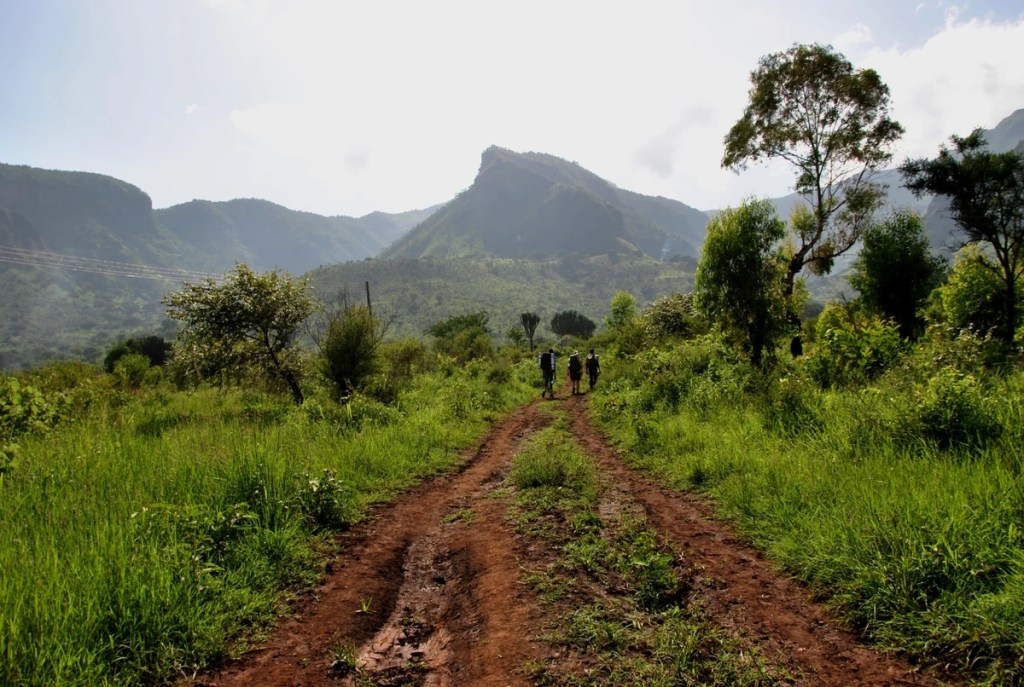
Transforming “Raw Commodity” into “Cultural Currency”
Traditionally, Uganda’s biggest earner has been agriculture. However, selling raw coffee beans provides only a fraction of the value.
- The CBT Edge: Through initiatives like Agritourism programs, a farmer no longer just sells coffee; they sell the experience of the coffee—the harvest, the roasting, and the story.
- Value Addition: This turns a $2 bag of beans into a $50 immersive experience. This “cultural currency” puts money directly into the hands of the person who tilled the land, rather than middlemen.
The Visionaries Leading the Charge (2026 and beyond)
The transition of CBT from a “niche idea” to a “national engine” is being fueled by a powerful synergy between the private sector, NGOs, and the government. The realization of this potential is being accelerated by a collaborative ecosystem:
- NGOs such as Kitara Foundation: By establishing Regional Tourism Investors Forums and training CBTOs in digital marketing and hospitality, they are professionalizing rural tourism. Their focus on the “Tourism Capital” (Uganda the Pearl of Africa) proves that communities can manage global-standard products. Kitara Foundation, a pioneer in the “Tourism for Development” space, is professionalizing Community Tourism sector. They are teaching local communities how to package their culture as a world-class product, ensuring that Uganda becomes a model for grassroots wealth.
- Equera: Their work in highlighting the “Human Connection” and “Authentic Life Experiences”—such as the Long-horned Ankole Cattle experience—shifts the focus from just looking at animals (wildlife) to engaging with people (culture). By providing access to Global marketing platforms Equera transforms the tourism industry to favor the rural communities. Organizations like Equera are redefining the traveler’s journey. By moving away from “look-at-the-animal” tourism toward “live-with-the-people” experiences, they are creating deep emotional connections that command higher premiums and longer stays.
- Uganda Tourism Board (UTB): Through the POATE 2026 (Pearl of Africa Tourism Expo) and the “Explore Uganda” brand, UTB is providing the global stage. They are increasingly licensing and regulating community sites, giving them the credibility needed to attract high-spending international “wanderlust” travelers. UTB is now marketing the soul of the country. Their commitment to certifying community-run sites ensures that a homestay in Karamoja or a cultural trail in Busoga meets the safety and quality standards of a global traveler.
Analysis: Can it Surpass Oil and Gold?
While Oil and Gold provide massive “lumps” of cash for national infrastructure, CBT provides “velocity of money” at the grassroots level.
- Economic Resilience: When gold prices fluctuate or oil wells dry up, a community that has preserved its forest for birding or its traditions for a homestay remains economically viable.
- Direct Impact: A single community-run sanctuary (like Bigodi Wetland) can support hundreds of families through guiding, craft sales, and food supply, creating a social safety net that extractive industries cannot match.
If we look at the numbers, the potential is staggering. Oil has a lifespan; gold mines eventually run dry. But Uganda’s culture and landscape are renewable resources.
If strategically developed, CBT has the potential to surpass the combined earnings of oil and gold because it has the highest multiplier effect. Every dollar spent in a village circulates five to seven times within that local economy—paying school fees, buying local produce, and funding small clinics.
Partnerships: The latest strategic frameworks from the Kitara Foundation for Sustainable Tourism and the emerging Equera ecosystem in Uganda provide great hope for Uganda’s Community Based Tourism.
1. Strategy for Community Projects (2026 Framework)
A successful community tourism strategy moves beyond “charity” toward “market share,” treating local culture as a professional, bookable product.
- Institutional Strengthening (The Hub Model):
- Registration: Formally mobilize and aid registration of Community-Based Tourism Organizations (CBTOs) to provide them with legal standing.
- Regional Forums: Establish “Regional Tourism Investors Forums” to bridge the gap between rural communities and global tour operators.
- Product Development: From “Seeing” to “Doing”:
- Themed Packages: Move away from generic tours. Create multi-day immersive experiences like “Agri-tourism” (e.g., “From Field to Feast” zero-waste farming) or “Oral History” tours led by elders.
- Standardization: Implement a non-negotiable quality checklist (e.g., safe drinking water, clean linens for homestays) to build international trust.
- Social Innovation & Sustainability:
- Community Development Fund (CDF): Mandate that a fixed percentage (e.g., 15-20%) of every booking fee goes directly to local projects like water sanitation or school scholarships.
- Skill Certificates: Pay community members partly in “certificates” redeemable for internal services (e.g., a youth guide learning traditional weaving from an elder), keeping wealth circulating within the community.
- Global-Local Exchange:
- Host international CBT volunteers to mentor local youth in hospitality, financial literacy, and digital storytelling.
2. Digital Marketing Tools Analysis
Organizations like the Uganda Tourism Board (UTB) and Equera are shifting from traditional media to a “Digital Transformation Engine” to reach global, conscious travelers.
| Tool Category | Specific Tools Used | Strategic Purpose |
| Marketplace & Booking | Equera App, | The “Game-Changer”: Allows rural CBTOs to list products globally without building an expensive website. It manages real-time availability and automated pre-arrival briefings. |
| Visibility & Branding | Explore Uganda App, Google Business Profile | UTB’s new app provides a “holistic view” (including culture, not just safaris) with multi-language support (English, Swahili, French, Spanish, German). |
| Content & Storytelling | Instagram, Canva, User-Generated Content (UGC) | Focusing on “Impact Storytelling”—highlighting the faces of the hosts (e.g., “Walk with Mama Zola”) rather than just the landscape. |
| Operational Efficiency | Google Calendar, Shared Spreadsheets | Replacing paper ledgers with “Digital Auditing” to ensure financial transparency for international donors and partners. |
| SEO & Analytics | Semrush, Google Analytics | Optimizing for high-intent keywords like “sustainable travel” and “authentic cultural immersion” to attract “value over volume” travelers. |
3. Key Strategy: “The Equera Advantage”
The most significant shift identified in 2025-2026 is the use of the Equera mobile app.
- Why it works: It acts as a “central command center” for communities. It solves the issue of “digital isolation” by providing a platform where a small village project in Fort Portal can be found and booked by a traveler in Madrid or New York.
- Trust Factor: By only featuring licensed businesses, the app ensures “quality and trustworthiness,” which is the biggest barrier for global tourists when booking community-led experiences.
Next Steps for Implementation:
- Capacity Building: Train local CBTOs to manage these digital listings.
- Impact Reporting: Use the digital tools to publish “Transparency Reports” showing exactly how tourist dollars have funded community infrastructure.
The Path Forward
The “Oil and Gold” of the future isn’t found in a hole in the ground; it’s found in the story of a grandmother in Kasese, the craftsmanship of a youth in Gulu, and the hospitality of a family in Kapchorwa.
With the continued momentum from organizations like Kitara Foundation, Equera, and UTB, the next decade will see Uganda not just as a destination for the “Big Five” wildlife, but as a global leader in Human-Centric Tourism. This is the wealth that belongs to everyone.
The Verdict
Community-Based Tourism is the only sector capable of achieving “Total National Participation.” If strategically developed as a “service export,” it can turn the entire country into a living museum and adventure park where every household is a stakeholder.


 COMMUNITY BASED TOURISM DEVELOPMENT AT KITARA FOUNDATION FOR SUSTAINABLE TOURISM: Transforming Communities through Travel Partnerships. Email: kitararcc@gmail.com;