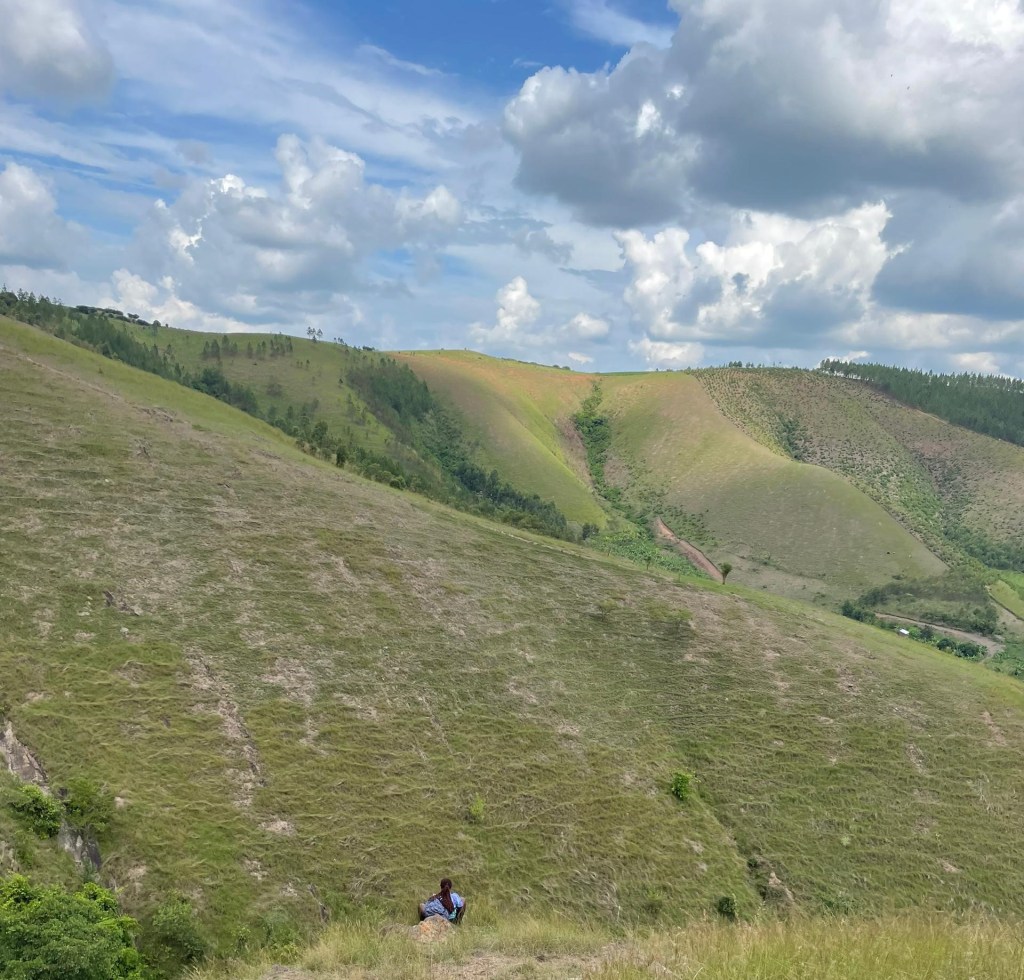
The Kitara Foundation for Sustainable Tourism seeks to revolutionize the Ugandan tourism landscape by establishing Community-Based Tourism (CBT) Centers. These centers will serve as hubs for authenticity, ensuring that the benefits of tourism flow directly to local households. By shifting from “spectator tourism” to “immersion tourism,” we aim to preserve Uganda’s heritage while driving socio-economic transformation. Leveraging three years of grassroots success, the Kitara Foundation is scaling its proven Community-Based Tourism model to transform the landscape of Ugandan tourism, ensuring that local heritage and community-led experiences become the industry’s central pillar
2. Core Pillars of the Kitara Foundation Model
The Kitara Foundation acts as the “Institutional Architect” for rural tourism, moving communities from passive bystanders to active entrepreneurs.
I. Capacity Building & Mobilization
- Mobilization: Formalizing grassroots groups into legal Community-Based Tourism Organizations (CBTOs) to ensure collective ownership.
- Kitara School of Tourism: Providing certified training in hospitality, professional tour guiding, financial literacy, and food hygiene.
- Youth & Women Empowerment: Prioritizing training for marginalized groups to become the primary guides, managers, and storytellers.
II. Product Development & Standardization
- Themed Experiences: Moving beyond “sightseeing” to “doing” (e.g., “From Field to Feast” agritourism).
- Quality Control: Implementing a non-negotiable checklist for homestays (sanitation, security, and comfort) to meet international standards while maintaining authenticity.
III. Coordination & Advocacy
- Regional Tourism Investors Forums: Bridging the gap between rural communities and global tour operators.
- Policy Advocacy: Liaising with the Uganda Tourism Board (UTB) and District Local Governments to protect community rights and influence sustainable tourism policy.
IV. Technology & Digital Innovation
- Digital Storytelling: Equipping youth with tools to create high-quality content (videos/photos) for global visibility.
- Direct Booking & Transparency: Utilizing platforms like Equera and Mobile Money for secure, middleman-free transactions and transparent profit sharing.
3. The CBT Experience Portfolio
The centers will curate experiences that allow travelers to live, work, and celebrate with the people of Uganda. The centers will also develop and manage a diverse range of “Immersion Points” that showcase the richness of the Kitara region and beyond.
A. Cultural & Livelihood Immersion
Focusing on the soul of the region, including:
- Heritage Sites: Guided tours of ancestral landmarks and other cultural sites of great significance among Africans.
- Ankole Cattle Culture: experiences with Long-horned Ankole cows (milking, herding, and traditional ghee making).
- Traditions & Arts: Cultural entertainment, ancient storytelling by elders, and workshops for traditional art, crafts, and souvenirs.
- Culinary Arts: Farm-to-table experiences featuring local staples and traditional cooking methods.
B. Nature & Adventure
- Landscape Exploration: Nature walks, crater lake excursions, hiking in the mountains such as Rwenzori and Elgon foothills, hot springs, and waterfalls.
- Water-Based: Rafting, abseiling near waterfalls, and canoeing on tranquil rivers.
- Urban Pulse: Guided city walks and curated night-life experiences that support local businesses.
C. Agritourism
Transforming Uganda’s “green gold” into tourism circuits:
- The Crop-to-Cup Journey: Immersive coffee, tea, cocoa, and vanilla experiences.
- Banana Culture: Understanding the versatility of Matooke from plantation to plate.
D. Community-Based Accommodation
Providing authentic stays that offer more than just a bed:
- Homestay Immersion: Full immersion into family life; deep-dive living experiences with local families
- Host Family Programs: Short-term targeted cultural exchange.
- Community Camping: Eco-friendly campsites managed by the village, blending nature with local hospitality.
4. Conservation and Social Impact
Kitara Foundation believes tourism must be a driver for public good ensuring that tourism is a vehicle for broader social development.
- Community Development Fund (CDF): A mandatory percentage (e.g., 15–20%) of all booking fees is channeled into a community-managed fund.
- Social Services Development: Direct funding from tourism revenue for:
- Water & Sanitation: Construction of wells and clean water systems.
- Education: Scholarships and vocational training for local youth.
- Healthcare: Support for local clinics and health awareness programs.
- Conservation Programs: Integrating tree planting and natural resource protection into every tourist itinerary.
- Safari Integration: Partnering with major tour operators to include “Community Weeks” in traditional safari packages, extending the stay and increasing local spend.
5. Sustainability through Partnerships
Sustainability is achieved through a multi-sectoral approach; To ensure long-term viability, Kitara Foundation will foster collaborations with:
- Government: Aligning with the Ministry of Tourism and Wildlife.
- Private Sector: Partnering with tour operators to include CBT centers in international itineraries.
- NGOs: Working with development partners to link tourism to poverty alleviation and education.
- Development Partners: Collaborations for infrastructure development (roads, digital connectivity).
6. Expected Outcomes
- Increased household income for rural communities.
- Preservation of indigenous knowledge and cultural traditions.
- Diversification of Uganda’s tourism product beyond wildlife safaris.
- Improved local infrastructure (water, health, and roads) through tourism-funded social services.
Kitara Foundation CBT Strategic Impact Matrix
The matrix demonstrates how moving from “Basic Tourism” to “Community-Owned Centers” creates a circular economy where culture and nature are preserved through profit.
| Impact Dimension | Key Performance Indicators (KPIs) | Community/Social Impact | Environmental Impact |
| Economic Empowerment | • 20-30% increase in household income. • Number of jobs created (Guides, Chefs, Artisans). • % of revenue allocated to the Community Development Fund (CDF). | Direct poverty alleviation; reduced urban migration of youth; financial independence for women and PWDs. | Reduced reliance on extractive activities (poaching, charcoal burning) as tourism provides a viable economic alternative. |
| Socio-Cultural Preservation | • Number of documented cultural stories/rituals. • % of youth trained in traditional arts/crafts. • Resident satisfaction rate with tourism. | Revitalization of the “Ubuntu” spirit; strengthened cultural identity; improved social services (water, health, education). | Protection of sacred natural sites (forests, waterfalls, hot springs) through “My Culture My Nature” advocacy. |
| Environmental Stewardship | • Number of trees planted per tourist visit. • % reduction in plastic waste at CBT centers. • Number of community-led conservation patrols. | Increased awareness of climate change; improved local sanitation and waste management systems. | Restoration of degraded landscapes; protection of endangered flora like the Cycads; climate-resilient agriculture. |
| Technological & Market Growth | • Number of CBTOs registered on digital booking platforms. • % of repeat visitors. • Number of Public-Private-Community Partnerships (PPCPs). | Improved digital literacy for rural communities; global visibility for local brands; professionalization of service standards. | Reduced physical footprint through digital nudging and virtual information boards instead of heavy signage. |
Logic Model: From Input to Impact
To visualize how the Kitara Foundation transforms resources into these impacts, the following flow is followed:
Note on Inclusivity: A core “Impact Anchor” for Kitara Foundation is ensuring that vulnerable groups (Women, Youth, and People with Disabilities) hold at least 40% of leadership roles within the CBT management committees.
Sustainable Integration Strategy
The impact is maximized by integrating these centers into existing safari circuits. For instance, a traditional “Wildlife Safari” is transformed into a “Holistic Heritage Experience” where 2 nights of a 7-day trip are spent at a Kitara CBT Center, ensuring that tourism dollars stay within the local economy.
Kitara Foundation CBT Activities Impact Matrix
To measure the success of the Kitara Foundation’s expansion, we use an Impact Matrix. This framework aligns Kitara Foundation core roles with the specific outcomes for the community, the environment, and the traveler.
| Strategic Pillar | Key Activities | Direct Impact (Output) | Long-term Transformation (Outcome) |
| Capacity Building | Mobilization & “Kitara School of Tourism” training. | 500+ youth/women certified in hospitality and guiding. | Shift from unskilled labor to professional community entrepreneurship. |
| CBT Development | Creating homestays, cattle experiences, & agritourism hubs. | Diversified tourism products beyond traditional safaris. | Increased “Length of Stay” in districts; higher local revenue retention. |
| Technology & Marketing | Digital booking platforms & social media storytelling. | Global visibility for rural hidden gems (e.g., Ankole heritage). | Elimination of exploitative middlemen; direct-to-community payments. |
| Conservation Advocacy | Tree planting & natural resource protection. | Reforestation of crater lake rims & riverbanks. | Climate resilience and preservation of Uganda’s “Green Brand.” |
| Social Service Integration | Funding wells, schools, and health clinics via CBT fees. | Improved access to clean water and vocational education. | Tourism viewed as a “Social Savior” rather than an intrusive industry. |
| Coordination & Partnerships | Integrating CBT into 7-day Safari Packages. | Strategic MoUs with international and local tour operators. | Mainstreaming of CBT into the national tourism value chain. |
Kitara Foundation Theory of Change
The impact of this concept follows a “Value Spiral” where the Foundation’s intervention leads to community self-reliance.
Detailed Key Performance Indicators (KPIs)
To ensure the Kitara Foundation remains a leader in the region, the following metrics will be tracked at each District Community Based Tourism Center:
- Economic Impact: * Percentage increase in household income for participating families.
- Volume of “Art Craft & Souvenirs” sold through the center’s gift shop.
- Social Impact:
- Number of girls supported in school through the Community Development Fund.
- Reduction in local poaching or environmental degradation incidents due to “Conservation Tourism” alternatives.
- Guest Experience:
- Average “Cultural Immersion Rating” from international visitors.
- Repeat visit rate for “Agritourism Experiences” (Coffee/Vanilla/Tea).
The “Oil & Gold” Metric
By treating Long-horned Ankole Cattle and Traditional Food Systems as “Gold,” the foundation measures impact by the Cultural Preservation Index—ensuring that as the community gets wealthier, their traditions remain intact rather than being “westernized” for tourists.


 COMMUNITY BASED TOURISM DEVELOPMENT AT KITARA FOUNDATION FOR SUSTAINABLE TOURISM: Transforming Communities through Travel Partnerships. Email: kitararcc@gmail.com;