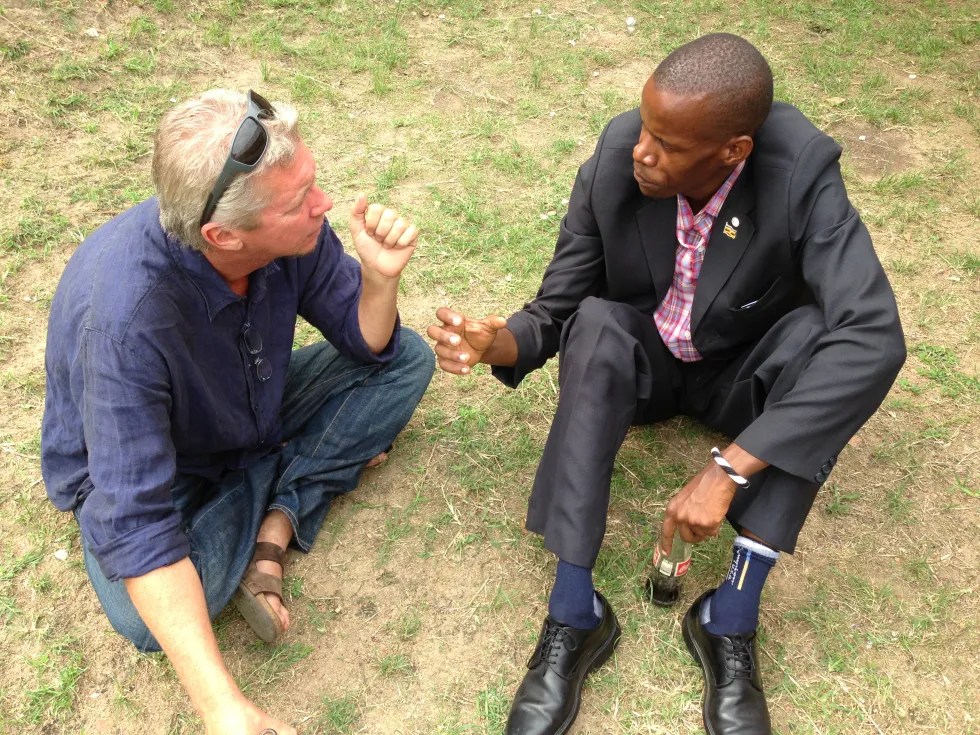
Original Travel Story By Peter Carol (Alice, Australia) on a visit to Kamwenge Uganda in 2012 and would later become the National Geographic Travelers of the Year 2013; https://www.nationalgeographic.com/travel/article/the-carroll-family
Months ago, while traveling through Namibia, we realized that the only way to truly understand Africa was to find an organization that allowed us to live within a village or with a local family. We wanted to see firsthand what lay behind the endless convoys of brand-new NGO and government aid vehicles we kept passing—there clearly had to be significant challenges beneath the surface.
While some places offer village tours or short stays to “participate” in local life, that wasn’t for us. To me, it felt uncomfortably like a “human zoo,” even if the money supported the community. I know some photographers build great relationships and libraries by paying for extended stays in places like Namibia’s Himba villages, and I respect that, but it wasn’t our path.
The world of NGOs is a complicated minefield of for-profit and non-profit entities. Many asked for astronomical fees that made us wonder where the money actually went. We saw personnel in luxury hotels having expensive dinners, and met confused volunteers who paid a fortune just to stand in a classroom, spending more time with other foreigners than learning about the local culture. This growing industry, known as “voluntourism,” seemed to be a mix of travel and service that didn’t always hit the mark.
We also met a PhD student researching the money trail of major NGOs. After a year, she was so disillusioned by the corruption and failed projects that she wanted to quit. She noted that many organizations do more harm than good, damaging the reputation of those with integrity. The pattern was always the same: highly paid staff, excessive paperwork, too many new vehicles, and unsustainable work that collapsed once the NGO left, leaving behind disappointed volunteers and, more tragically, disenchanted local mothers and children. Our search left us feeling increasingly pessimistic.
As we drove through remote Namibia, Botswana, Zambia, and Tanzania, everything looked idyllic through the dust of the road. People appeared happy and healthy, living productive subsistence lifestyles. However, the lack of electricity and water was a clear struggle. We saw people of all ages lining the roads carrying water, wood, coal, and produce on their heads. Many wore tattered clothes and shredded shoes. My sons, Xaver and Felix, were deeply concerned, asking how far the children had to walk, if the water was safe, and how they could be so strong yet still go to school.
Soon, these questions would be answered through our own hands-on experience as we began our term as volunteers.
Starting the Work: Beacon of Hope
We eventually connected with Beacon of Hope in the Mukono district, near Kampala, Uganda. Though the initial brief was vague, it seemed like a positive, grassroots learning opportunity. We quickly realized we had found someone doing real, sustainable work at the village level. After our time in Zambia, our host was kind enough to accommodate our changing arrival dates for our four-week stint.
The school visits were eye-opening. We learned that children walk kilometers to school and stay until 5:00 PM on nothing but a cup of watery porridge. Teachers, also struggling for food, are paid very little. At our first school—a small two-room mud structure—thirty children ran to greet us, hugging us and shouting “Muzungu!” They were fascinated by Xaver and Felix. After a beautiful welcome song and dance, we gave our presentation. My boys showed great patience, though they were sometimes overwhelmed by the intense attention.
Journey to Kamwenge
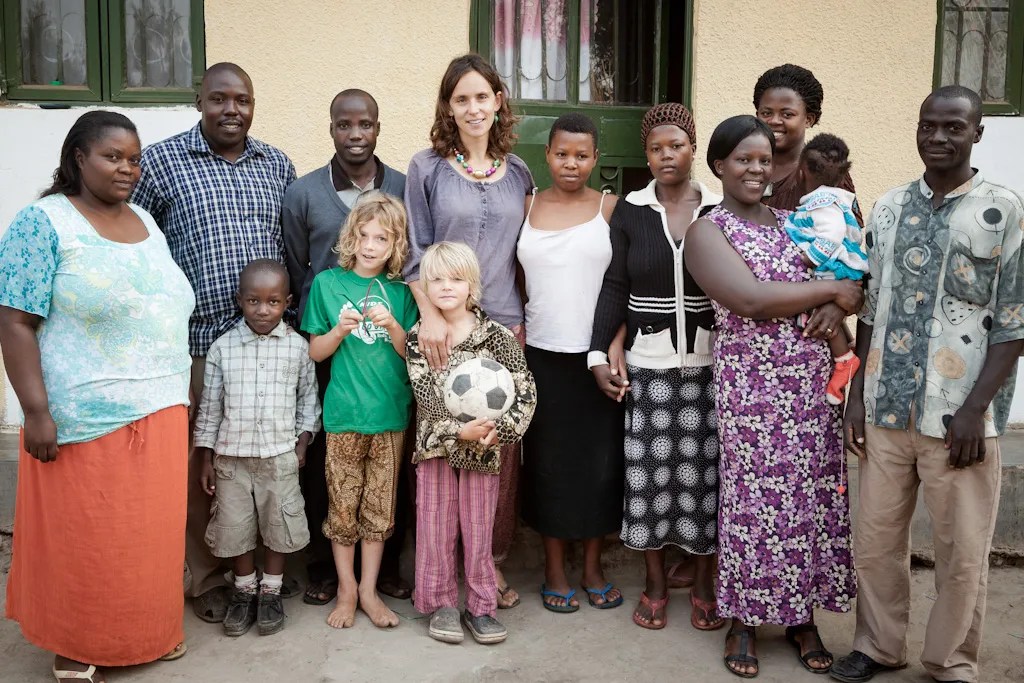
By the end of the first week, we were exhausted, but the next two weeks would be even more intense. We traveled 350km to the remote Kamwenge district to work with Vision 2040 Resource Centre (now known as the Kitara Foundation for Sustainable Tourism). After a ten-hour drive, our host, Sabiiti Fenekansi, introduced us to his family: his wife Anna (Maama Trevor), and their sons Trevor and Baby Brandon.
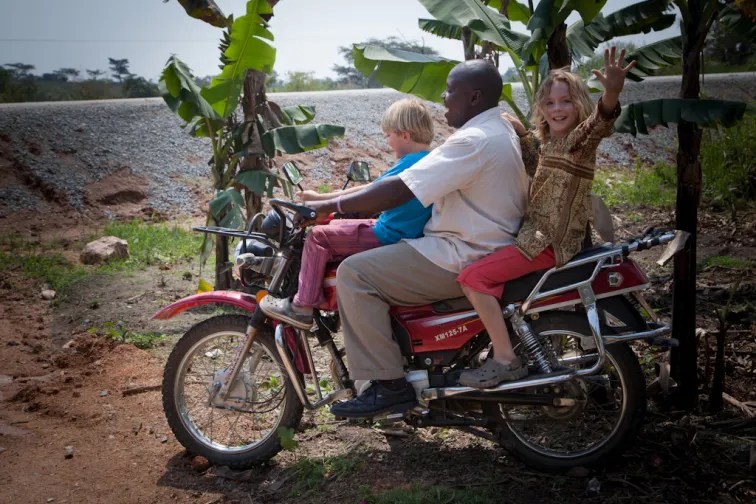
The household was also supported by Mackleen, Rose, Daphene, and Innocent, who handled the cooking, cleaning, and water fetching. We lived in a single room with no power and just a few liters of water for bucket bathing. We were their first-ever resident volunteer family.
As the week went by, we realized the massive effort they made to host a family of four. While they might have worried about our reaction to their living conditions, it was perfect for us. The boys adapted to life without running water or electricity, and we were amazed at the feasts the women produced on just three tiny charcoal cookers.
Our best food in Africa was in Kamwenge:
We truly believe this was the best food we encountered in all of Africa. Our mornings began with a hearty breakfast of chapatis, eggs, fresh pineapple, and bananas. When we were home for lunch, it mirrored our evening meals: a feast of rice, beans, cabbage, potatoes, and matooke, all topped with a rich groundnut sauce that I found completely addictive. After long days, we would return at 7:00 PM to a welcoming “tea” of bread, honey, and fruit. We’d sit together by lamplight, reflecting on our work, before sitting down to a late dinner at 9:00 PM. By then, we were exhausted, ready to retreat under our mosquito nets to quiet our minds. Ultimately, the evening routine and the genuine hospitality of “Maama Trevor” and the children became a comforting “warm blanket” that we cherished every night.
Schooling and Local Reality
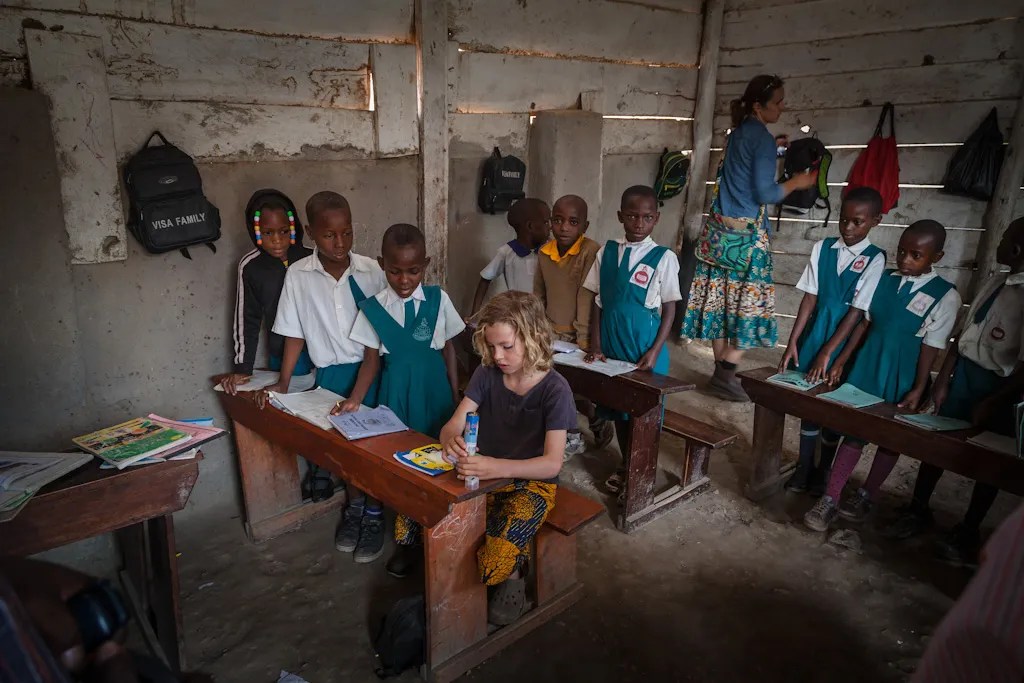
Xaver and Felix attended Little Angels Primary School. The school had dirt floors, wooden benches, and a tiny dirt playground. Despite the humble setting, the academic level was high. Xaver took it all in stride, but Felix found himself in the principal’s office on the first day because the kindergarten-level math and writing were beyond him!
Xaver was hesitant to return only because he witnessed corporal punishment, which is common in Ugandan schools. Once assured it wouldn’t happen to him, he returned proudly. We learned that teachers earn very little—often paid months late—which puts immense pressure on parents to pay school fees. Most of the village projects we visited were initiatives started by parents just to afford these fees and food.
Many schools are built of mud and sticks with cow-dung floors. The children have no chairs and sit on the dirt. Yet, when we entered a classroom, the students would stand perfectly straight and sing a musical “You are welcome.” In one class, when told they could sit, they shouted, “We shall waste no time!” and sat down immediately.
Health and Hardship
Kira spent her time in a clinic, shocked by the lack of resources. Most patients had Malaria or HIV. In Kamwenge alone, there are 35,000 orphans, mostly due to AIDS, and the mortality rate for children under five is nearly 40%. When I asked a local farmer why he wanted seven children, he simply said, “If three or four die, I still have some.” Family planning and reducing the stigma of AIDS are being promoted, but there is still a long road ahead.
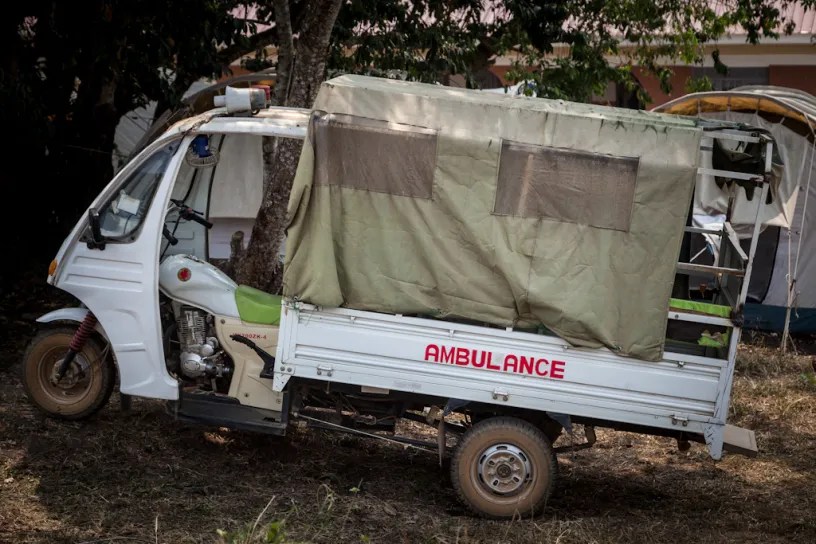
The Sports Immersion:
Every evening, we headed to the local pitch to watch the Kamwenge Youth Soccer Team practice. Over two weeks, these talented athletes became true friends; Xaver was so embraced by the group that he hated missing even a single session. They trained with incredible dedication on a sloped, bumpy dirt field, despite many of them carrying heavy personal histories of sacrifice or spending their free time volunteering for HIV outreach. They are truly the heartbeat and inspiration of Kamwenge. To support them, we provided a new kit and are working on getting boots and keeper gear. The moment Xaver and Felix presented the equipment, the squad of twenty erupted into pure, unrestrained joy, singing “We are so happy!” It was humbling to see them carefully fold the cardboard packaging to use as makeshift shin pads—a testament to their resourcefulness and spirit
The Refugee Crisis
After a week, we were mentally and culturally exhausted by the sheer scale of the hardship. We saw countless projects—beekeeping, farming, crafts, and drama groups—all working tirelessly just to survive.
The most confronting experience was visiting the Rwamwanja Refugee Camp. Unlike the tent cities seen on TV, this was a massive area where 50,000+ Congolese refugees were given small plots of land to cultivate. The clinic there was tiny and understaffed, with tented wards open to the elements.
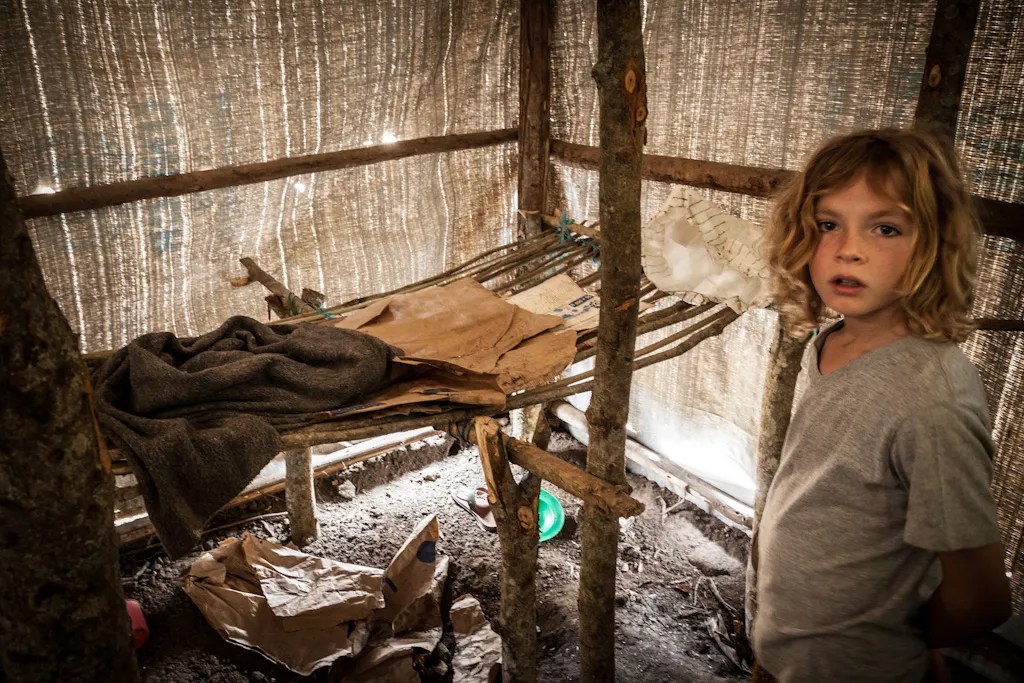
Sabiiti’s work in the camp involves conflict management between different tribal groups and locals. We met a group of “unaccompanied minors”—boys who didn’t know if their parents were alive. Their leader, Amani, spoke powerfully about having “no food, no love, and no peace.” These boys slept on crude beds made of sticks with no mattresses or blankets. Seeing my son Xaver stand dumbstruck by their living conditions is an image I will never forget. To lighten the mood after such a heavy visit, Sabiiti took us to see a herd of Mega Horn (Ankole) cattle.
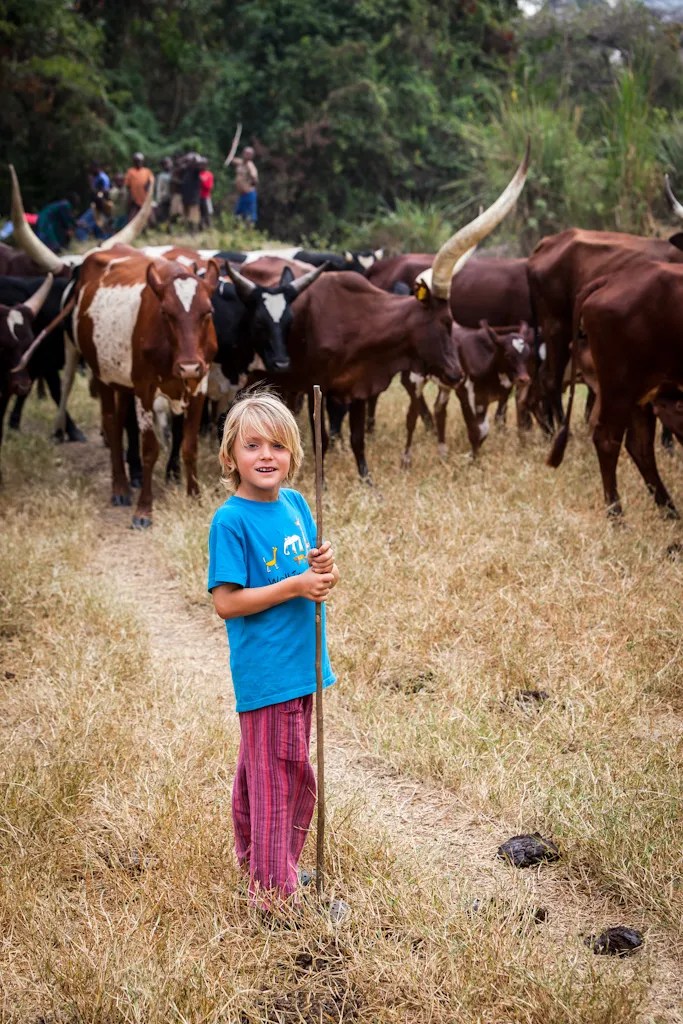
Cultural Immersion to the Long-horned Cattle Farm:
To provide a much-needed reprieve from the heavy realities of the refugee camp, Sabiiti arranged for us to visit a large farm nearby. There, we got up close with a majestic herd of Ankole cows, known for their incredible “mega-horns.” It was a thoughtful gesture that gave the boys a moment of peace after the confronting scenes of the morning. By the time we returned home at 8:00 PM on our penultimate day, we were physically and emotionally spent—deeply saddened and still trying to process the sobering reality check we had just experienced.
Lessons in Resilience: Life at Little Angels
Little Angels Primary School, like many others is a humble facility with dirt floors, wooden benches, and glassless windows. Despite the lack of resources—where a simple ball sparked an afternoon of pure joy—the academic standards were impressively high. Xaver adapted with humble confidence, while Felix jokingly admitted to spending his first day in the principal’s office because the “Top Class” math was beyond his level.
The experience revealed the harsh realities of Ugandan education: teachers earn as little as $80 a month, and students are often sent home if they cannot afford fees. We witnessed the prevalence of corporal punishment, which initially hesitant Xaver eventually looked past to take pride in his daily achievements. Most inspiring, however, was the spirit of the students; they greeted every guest with a disciplined, musical “You are Welcome,” and once told to sit, shouted in unison, “We shall waste no time!”—a testament to their hunger for learning despite the mud walls and lack of desks.
Finding a Voice: Inspiration Amidst Adversity
While Kira worked at the clinic, Sabiiti took me to remote villages to visit local projects. These formal meetings followed a pattern: the community shared their goals and struggles, followed by a heavy silence where I was expected to offer words of encouragement. Public speaking has always been my greatest nightmare, yet I found myself forced to inspire everyone from schoolchildren to politicians.
The emotional weight was often overwhelming, especially when I was asked to speak at a rally against child sacrifice—a chilling reality I struggled to comprehend. Though I felt inadequate and “useless” at the podium, Sabiiti’s masterful translations likely polished my humble words into something meaningful. Despite the nerves and my son Xaver’s whispered sympathy for my “speeches,” I grew to relish the challenge, realizing that providing a voice of support was exactly why we had come.
Making a Difference
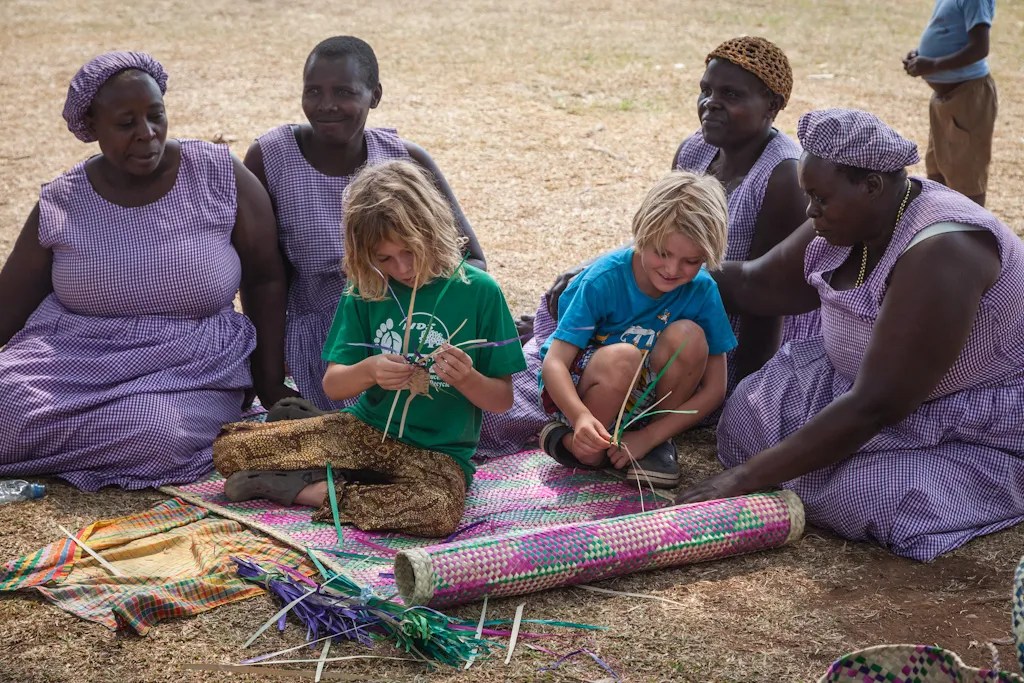
On our final day, we visited a group of mothers making mats and baskets. They lacked a market for their goods. We saw an opportunity to help both them and the refugee boys: we used a donation from Kira’s parents to buy mats from the mothers to give to the boys for their stick beds. It was a “win-win” that provided comfort to the orphans and school fees for the mothers’ children.
Moving On
There were tears as we said goodbye to Sabiiti, Anna, and their children. They opened our eyes to the realities of Uganda and showed us incredible love. As a parting gift, we supported the installation of solar panels so they could finally have electricity.
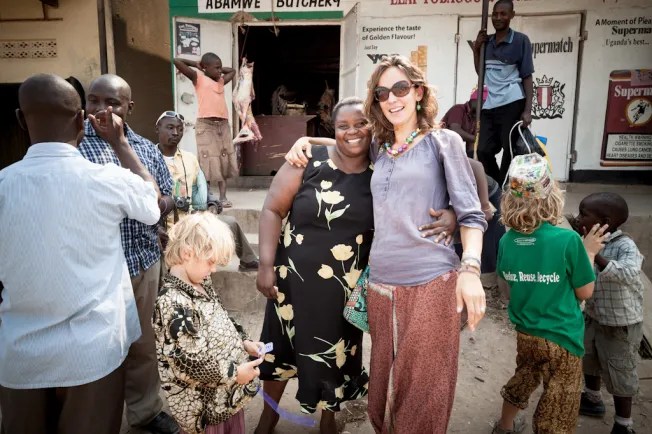
Sabiiti is a talented man doing vital work with very little. He and the team at Beacon of Hope are grassroots “angels” doing sustainable work. We fully endorse their efforts and encourage others to support them.
Read Original Story on the blog “Alice to Africa” by Peter Carol at https://alicetoafrica.wordpress.com/2013/10/08/uganda-a-life-changing-experience-volunteering-for-4-weeks-with-beacon-of-hope/


 COMMUNITY BASED TOURISM DEVELOPMENT AT KITARA FOUNDATION FOR SUSTAINABLE TOURISM: Transforming Communities through Travel Partnerships. Email: kitararcc@gmail.com;