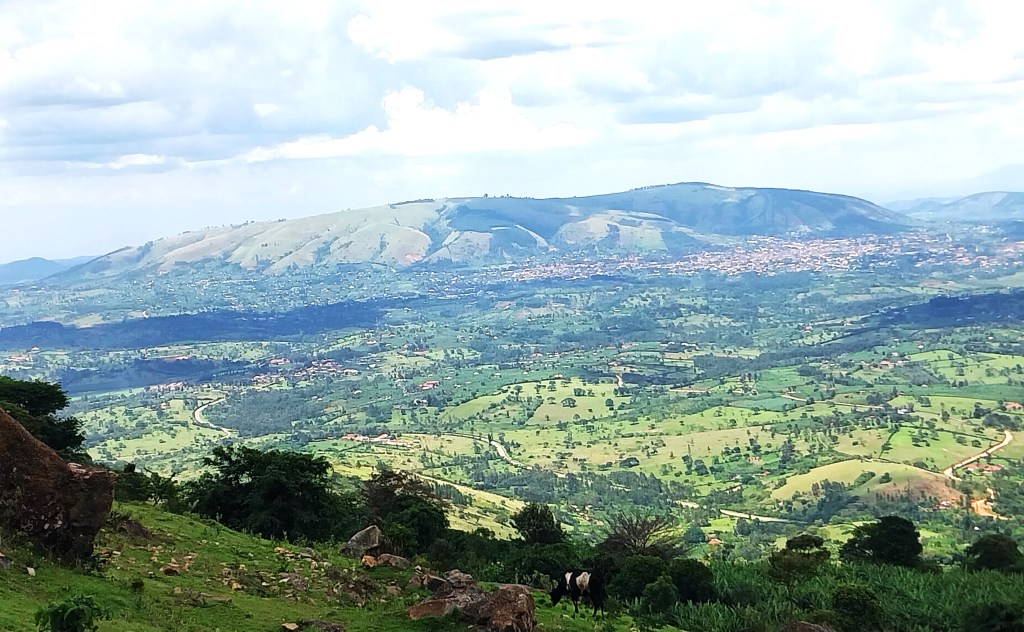
The “Village Square” as a Global Destination: Kitara Foundation’s Blueprint for Sustainable Community-Based Tourism
In the rapidly evolving landscape of global travel, the focus has shifted from mere sightseeing to transformative experiences—journeys that leave a positive footprint on both the traveler and the destination. At the forefront of this movement in Africa is the Kitara Foundation for Regional Tourism. Recognizing that the true guardians of Africa’s natural and cultural heritage are the people living within its landscapes, the Foundation has pioneered a series of Sustainable Tourism Training Solutions.
Kitara Foundation for Regional Tourism has emerged as a vanguard for a new era of travel. Their “Sustainable Tourism Training Solutions” represent more than just a curriculum; they are a strategic framework designed to turn rural communities into the primary architects of their own economic destiny.
These solutions are not just educational programs; they are a strategic intervention designed to bridge the gap between rural potential and international standards. By moving beyond the “spectator” model of tourism, Kitara Foundation empowers local communities to become the primary owners, managers, and beneficiaries of their own tourism assets. This article explores how their comprehensive framework—spanning development, management, and marketing—is turning the “Village Square” into a world-class destination while ensuring that the benefits of the tourism “gold mine” reach the hands of those who need it most.
1. The Core Philosophy: Community-Based Tourism (CBT)
Kitara Foundation’s model is built on the belief that the “Village Square is the Ultimate Lobby.” Their training moves away from traditional, investor-led tourism to a Community-Based Tourism (CBT) model where local residents own, manage, and control the tourism products.
Major Principles of the Kitara Model:
- Collaborative Governance: Projects must be run with the explicit consent and active participation of local residents.
- Equitable Benefit-Sharing: Revenue is transparently distributed into three streams: operational costs, dividends for participating families, and a Community Development Fund (CDF) for local infrastructure like health centers or schools.
- Cultural Integrity: Training emphasizes the “Keep Africa Green and Black” campaign, prioritizing indigenous knowledge and ensuring culture is shared without being commodified or diluted.
2. Strategic Components of Development
Kitara Foundation’s training focuses on transforming potential into professional-grade visitor attractions.
Infrastructure & Product Development
The foundation identifies “hidden gems”—from the crater lakes of Tooro to the sacred caves of Ibanda—and trains communities to:
- Create Trail Systems: Clearing and paving access to waterfalls and hot springs while ensuring low environmental impact. Connecting cultural sites and cultural experiences in the region
- Develop Authentic Lodging: Transforming traditional homesteads into “5-star” cultural experiences (homestays).
- Diversification: Moving beyond traditional safaris to include Agro-tourism (coffee farming tours), cultural experiences, culinary tourism, and medicinal plant walks.
Skilling the “Guardians”
Human capital is the foundation of their 2026 strategy. The training modules cover:
- Visitor Guiding & Interpretation: Equipping local youth with storytelling skills and environmental knowledge.
- Standardization: Ensuring that while experiences are authentic, they meet international hygiene, safety, and service standards.
- Legal Formalization: Helping Community Based Tourism Organizations (CBTOs) register as legal entities (cooperatives or trusts) to mitigate risk and enable partnerships.
3. Management and Sustainability
Effective management at Kitara is synonymous with resilience. Their 70+ lesson curriculum includes specific modules on:
- Risk & Disaster Management: Preparing communities for health crises (epidemics), climate shifts, and economic fluctuations.
- Financial Literacy: Training in business management and transparent accounting to prevent social conflict within the community.
- Environmental Stewardship: Implementing “leave no trace” principles and active conservation of biodiversity, making nature an economic asset for those living alongside it.
4. Marketing: The Digital Leap
A major barrier for rural tourism is visibility. Kitara Foundation bridges this gap through Strategic Marketing Solutions:
Digital Integration
- B2B Linkages: Creating a digital directory of registered CBTOs to connect local communities directly with international tour operators.
- Storytelling & Branding: Training local entrepreneurs in digital marketing and “Human-Centric Branding”—using high-quality content to showcase the social impact of a visit.
- AI-Powered Nudging: Utilizing modern technology for digital booking and responsible tourism messaging.
The “Global-Local” Exchange
The foundation facilitates “Global-Local” exchanges where international CBT volunteer trainers mentor local entrepreneurs. This creates a feedback loop that aligns local offerings with global traveler expectations for transformative and regenerative travel.
The Vision for 2026 and Beyond
Kitara Foundation aims to formalize over 100 CBTOs across the region, targeting a 20% increase in direct revenue for rural households. By equipping the youth and women with “market-demanded skills,” they are ensuring that the next generation of Ugandans are not just employees in the tourism sector, but its owners and protectors.
“Community-Based Tourism is the ‘Oil and Gold’ for every African. It protects the biodiversity of the region by making nature an economic asset for those who live alongside it.” — Kitara Foundation

 COMMUNITY BASED TOURISM DEVELOPMENT AT KITARA FOUNDATION FOR SUSTAINABLE TOURISM: Transforming Communities through Travel Partnerships. Email: kitararcc@gmail.com;