In the modern era, we are taught that progress only comes from laboratories, silicon chips, and skyscrapers. But in the heart of Africa—and specifically within the vibrant cultures of Uganda—a different kind of genius has flourished for millennia. It is called Indigenous Knowledge (IK): a holistic, time-tested system of living that prioritizes community, resilience, and harmony with the Earth.
At the Kitara Foundation for Sustainable Tourism, we believe this isn’t just “history”—it is the blueprint for a sustainable future.
The Living Library Odyssey
Unlearn the Modern. Reclaim the Human. “Stop looking at Africa through a lens. Start listening to it through a legacy. Most tours show you what Africa looks like; The Living Library shows you how Africa thinks and acts. Come attend the oldest university on Earth—the community.”
The Living Library is a multi-day, circuit-based immersion program. It moves away from “monuments and museums” and focuses on living systems—health, finance, leadership, and ecology—taught by the elders and practitioners who hold this knowledge.
Educational Outcomes
- International Readers/Travelers: Gain a new perspective on “sustainability” that isn’t dependent on high-tech solutions.
- African Diaspora/Local Youth: Reconnect with a heritage of genius, fostering pride and a desire to preserve these systems.
1. The Knife That Shook the Medical World
In 1879, a British doctor named Robert Felkin witnessed something in the Bunyoro-Kitara Kingdom that the West thought impossible at the time: a successful, antiseptic C-section. Using local banana wine as a disinfectant and traditional anesthesia, African surgeons saved both mother and child.
That surgical knife now sits in the Science Museum in London. It serves as a reminder that African health science didn’t start with modern hospitals; it started with the deep botanical and biological wisdom of our ancestors—wisdom that still guides traditional healing in Uganda today.
2. The Walking Bank: Economics of the Longhorn
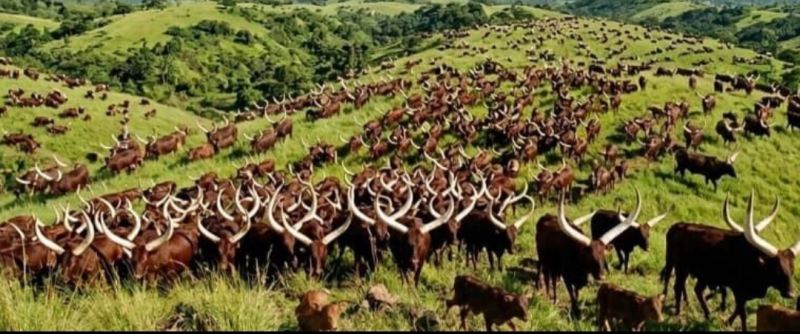
For the Banyankole people, wealth isn’t a number on a screen; it’s the majestic Ankole Longhorn cow. This is “Indigenous Economics” at its finest.
- Cattle as Currency: Cows are a reserve for life’s biggest moments—weddings, education, and social security.
- Resilient Growth: Without modern spreadsheets, a herdsman manages a thousand head of cattle using local wisdom of the land and genetics. This model ensures wealth is shared and tangible, providing a safety net that no stock market crash can touch.
3. Leadership Defined by Nature: The Gorilla Instinct
African leadership often looks to the natural world for strategy. Take the “Gorilla” philosophy used in successful regional movements. Like the mountain gorilla, this leadership style is:
- Quiet and Observant: Moving with the landscape, not against it.
- Intensely Protective: Keeping the community close and acting decisively only when necessary.
- Resilient: While others rely on heavy technology, this “instinct” relies on the people, ensuring nations stay alive and vibrant even in the toughest times.
4. The COVID-19 Success: A Lesson in Community
When the world faced the COVID-19 pandemic, massive economies struggled. Yet, Uganda showed incredible resilience, recording significantly lower mortality rates in the early months compared to global superpowers.
Why? It wasn’t just about resources; it was about Local Wisdom. Community-based leadership and ancestral hygiene practices created a rapid, grassroots response that saved lives where technology alone could not.
5. Seed Sovereignty: The Original Agriculture
Long before commercial seed stores, our grandmothers were the guardians of life. By preserving seeds from one harvest to the next and sharing them freely with neighbors, they ensured Food Security for all. This indigenous agricultural practice beats modern science by ensuring no family is ever left behind, fostering a “Gift Economy” that heals the soil and the soul.
6. Nature as Our Kin, Not a Commodity
In Uganda, a river, a forest, or a mountain like the Rwenzori is seen as a living entity. Through the Clan and Totem system, different tribes are tasked with protecting specific animals and environments. This isn’t just “conservation”—it’s a spiritual coexistence that has preserved Africa’s biodiversity for centuries.
Uganda is often called a “cultural melting pot,” and for good reason. With over 50 distinct ethnic groups, the country is a living laboratory of Indigenous Knowledge (IK). Each tribe has developed a specialized “curriculum” of local wisdom to thrive in its specific environment.
1. Social Life & Conflict Resolution: The Philosophy of Interconnectedness
In many Ugandan cultures, social life is governed by restorative justice rather than punitive measures.
- The Acholi (Mato Oput): In Northern Uganda, the Mato Oput ceremony is a profound example of indigenous peace-building. Instead of long prison sentences, the focus is on acknowledging guilt, paying reparations, and “drinking the bitter herb” together to wash away bitterness and restore communal harmony.
- The Baganda (Obuntubulamu): This is the belief that a person’s humanity is tied to how they treat others. It emphasizes courtesy, hospitality, and the responsibility to care for the elderly and vulnerable within the community.
2. Family Life: The “Extended” Classroom
In traditional Ugandan settings, the nuclear family is almost non-existent; the family is the village.
- The Banyankole/Bakiga (Clan Responsibility): Children aren’t just raised by parents; they are raised by the clan. Uncles and aunts have specific roles in “policing” behavior and teaching gender-specific life skills.
- Fireplace Education (Wang-oo): Among the Acholi and Langi, the Wang-oo (evening fireplace) served as the primary school. Elders used proverbs, riddles, and folk tales to pass on moral lessons and tribal history to the youth.
3. Health & Medicine: The Forest Pharmacy
Uganda’s ethnic groups have a deep understanding of ethnobotany—the medicinal use of plants.
- The Baganda & Basoga (Bone Setting): Traditional bone setters in Central and Eastern Uganda use specialized splints and herbal compresses to heal fractures, often with a precision that rivals modern orthopedics.
- The Batwa (Forest Survival): As the original “keepers of the forest” in the south-west, the Batwa possess an encyclopedic knowledge of forest plants that can treat everything from malaria to skin infections, a wisdom they have passed down for generations.
4. Economics: Sustainable Wealth Management
Indigenous economics in Uganda is based on “Social Capital” rather than just liquid cash.
- The Karamojong (Pastoralist Resilience): Their economic system is built around mobile cattle herding. They use local wisdom to track water sources and grazing land across harsh terrains, viewing cattle as a communal insurance policy against drought.
- The Bagisu (Imbalu & Resource Mobilization): The Imbalu (circumcision) ceremonies aren’t just cultural; they are major economic drivers. Tribes use these seasons to mobilize resources, trade goods, and strengthen inter-clan economic ties.
5. Agriculture & Environment: The Guardians of the Land
Ugandan tribes have practiced “Regenerative Agriculture” long before it became a modern buzzword.
- The Baganda (Luwombo and Banana Culture): The Ganda people developed a sophisticated system around the Matooke (banana) plant. Every part is used: the fruit for food, the leaves for cooking and roofing, and the stalks for mulch to keep the soil fertile.
- The Bakonzo/Bamba (Mountain Stewardship): Living on the slopes of the Rwenzori, these groups use indigenous terracing and water management techniques to prevent soil erosion on steep hillsides, protecting the “Mountains of the Moon.”
Join the Classroom of the Future at Kitara Foundation
Nothing about Africa’s survival is a coincidence. It is the result of centuries of passed-down wisdom. The world is at a crossroads, and we believe the answers are right here in our communities.
The Kitara Foundation School of Tourism is opening its doors. We invite international travelers, students, and leaders to come to Uganda—not just to visit, but to learn. Experience our homestays, witness our traditions, and take home the local wisdom that the world so desperately needs.
Let’s move from the outside in. To book your classes follow this link; https://portal.equera.ai/customers/30/products

 COMMUNITY BASED TOURISM DEVELOPMENT AT KITARA FOUNDATION FOR SUSTAINABLE TOURISM: Transforming Communities through Travel Partnerships. Email: kitararcc@gmail.com;