Empowering Communities, Elevating Experiences: Sustainable Infrastructure Development for Rural Community-Based Tourism Attractions
Targeting Rural, community-managed nature and cultural destinations (outside state-protected areas)
Executive Summary
Rural Community-Based Tourism (CBT) destinations and homestays offer some of the most authentic cultural and natural experiences, keeping tourism revenue directly within host communities. However, many of these community-managed gems suffer from low visitor satisfaction and limited market accessibility due to a lack of basic, low-impact infrastructure and standardized hygiene practices.
Kitara Foundation for Sustainable Tourism considers an expanded, targeted intervention to develop eco-friendly, resilient, and community-led infrastructure across rural attractions (water features, forests/mountains, agri-tourism hubs, and cultural sites) alongside a dedicated Homestay Sanitation, Hygiene, and Safety Upgrade Module. By constructing safe walkways, weather shelters, and standardized home-hospitality facilities, this project aims to elevate rural destination standards, ensure visitor safety, and maximize local economic shares.
Project Rationale & Context
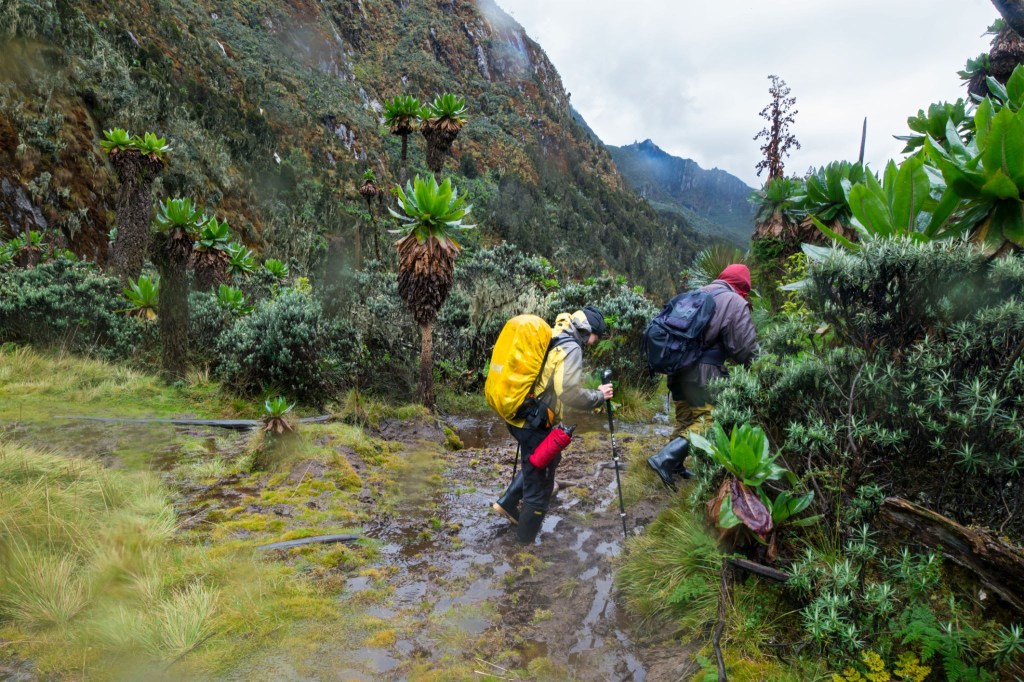
Unlike national parks and commercial lodges, community-managed attractions and rural homestays lack central funding for infrastructure. Visitors seeking authentic experiences—such as tracking indigenous cattle heritage, hiking community ridges, or staying with local families—are frequently deterred by muddy terrain, sudden weather disruptions, or apprehensions regarding water safety, sanitation, and physical security in rural homes.
Investing in low-impact, localized infrastructure and upgrading homestay environments addresses two critical barriers:
- The Marketability & Comfort Gap: It bridges the gap between raw community warmth and the baseline health, safety, and comfort standards expected by modern domestic and international travelers.
- The Equity Leakage: By making both the attractions and the overnight accommodations safely accessible and comfortable, we prolong visitor stay-times. This directly translates to increased spending on local guiding, home-cooked meals, crafts, and experiential community products.
Target Destination & Accommodation Categories
The intervention focuses strictly on community-owned assets and family-run hospitality spaces:
- Water Attractions: Community-managed crater lakes, hidden waterfalls, river viewpoints, and local hot springs.
- Forests & Mountains: Non-reserve community forests, community ridges, and hills offering wild nature walks and trekking.
- Agri-Tourism Hubs: Working community spaces, including traditional coffee farms and indigenous cattle kraals, showcasing heritage farming practices.
- Cultural & Historical Sites: Ancestral grounds, rock art sites, traditional storytelling spaces, and monuments managed by local custodians.
- Rural Homestays: Family homes within host communities offering immersive overnight cultural stays, traditional meals, and direct local exchange.
Core Infrastructure & Homestay Interventions
To maintain the integrity of these natural and cultural spaces, all infrastructure will utilize eco-friendly, locally sourced materials wherever possible, adhering to regenerative tourism standards.
Intervention A: Enhanced Accessibility at Attractions (Walkways & Steps)
- Action: Construction of stone-lined steps, handrails, and boardwalks on steep ridges, muddy forest tracks, and approach routes to waterfalls or hot springs.
- Impact: Reduces the risk of slips and injuries, opens up rugged destinations to a broader demographic of travelers, and prevents soil erosion caused by trail widening.
Intervention B: Sanitation & Environmental Hygiene at Attractions (Eco-San Structures)
- Action: Installation of eco-friendly, ventilated improved pit (VIP) latrines or composting toilets, alongside strategically placed, wildlife-proof waste segregation pits and rubbish collection points.
- Impact: Prevents the environmental contamination of fragile water sources, preserves the aesthetic beauty of the attractions, and establishes standard hygiene benchmarks necessary for traveler comfort.
Intervention C: Climate Resilience at Attractions (Shelters & Rest Shades)
- Action: Erection of aesthetically integrated, thatched-roof rest shades and viewing pavilions at key vantage points, trail midpoints, and open-air agri-tourism farms.
- Impact: Protects visitors during sudden tropical downpours or intense midday heat, serving as ideal rest stops where guides can share oral histories, traditional storytelling, and local interpretation.
Intervention D: Homestay Sanitation, Hygiene, and Safety Upgrades
To ensure overnight guests enjoy a safe, dignified, and comfortable stay without compromising the authentic rural home environment, this module implements targeted household interventions:
- Sanitation Upgrades: Retrofitting or constructing dedicated guest latrines and modern, easy-to-clean private bathing shelters (fitted with proper drainage, privacy locks, and solar-heated water bags/containers).
- Hygiene & Water Safety: Installation of accessible handwashing stations (tippy-taps or foot-pedal systems) outside latrines and dining spaces. Provision of eco-friendly water filtration systems (such as ceramic filters or solar water disinfection kits) to guarantee clean drinking water.
- Room Safety & Comfort Enhancements: Installation of high-quality, treated mosquito nets in guest rooms, secure door and window locks, and low-energy solar lighting systems to eliminate fire hazards from candles or kerosene lamps.
- Food Safety Infrastructure: Upgrading traditional kitchens with fuel-efficient, smokeless stoves to improve indoor air quality, alongside raised drying racks for utensils and secure food storage containers to prevent contamination.
Implementation Strategy & Sustainability Model
The Kitara Foundation will employ a collaborative, community-first framework to ensure long-term project ownership, structural maintenance, and high hospitality standards:
- Community Co-Design & Labor: Local communities and families will be primary stakeholders, contributing local materials and providing labor during the construction and retrofitting phases.
- The Pearl Accord Equity Model: To ensure sustainability, participating attractions and homestay clusters will commit to a standardized equity framework (such as a 70/20/10 distribution model), where at least 20% of all tourism revenue collected is ring-fenced into a dedicated Community Maintenance and Hygiene Supply Fund (for soap, filters, trail repairs, and waste management).
- Capacity Building: Running mandatory host-family workshops focusing on basic hospitality, food safety, hygiene management, and first aid.
Expected Outcomes
- Increased Visitor Satisfaction & Retention: Higher reviews and longer average stay-times at community sites and homestays due to improved comfort, safety, and hygiene.
- Enhanced Safety & Health Protection: Significant reduction in trail accidents, food-borne illnesses, and vector-borne diseases (like malaria) for both guests and host families.
- Economic Resilience: Higher overnight revenue retention within the host community, directly fueling local economic growth, education, and healthcare.
- Environmental & Domestic Preservation: Structured waste management and cleaner household energy choices mitigate the ecological footprint of growing tourism numbers.
Digital Integration & Marketing Hashtags To complement the physical infrastructure development, all upgraded destinations and verified safe homestays will be digitally mapped and integrated into online distribution platforms to make community-based products seamlessly bookable.


