
From Footprints to Legacies: Navigating the Past, Present, and Regenerative Future of Tourism in Uganda
Uganda’s identity has long been intertwined with its natural wonders. From the mist-shrouded peaks of the Rwenzori Mountains to the dense canopies of Bwindi Impenetrable National Park, the “Pearl of Africa” offers a sensory overload of biodiversity and culture.
However, as the global travel landscape shifts, the metric of successful tourism must evolve. At Kitara Foundation, we believe that travel shouldn’t just be an extractive experience where visitors take photos and leave with souvenirs. True tourism must be regenerative—leaving destinations fundamentally healthier, wealthier, and more resilient than we found them.
1. The Recent Past: A Journey of Resilience in Uganda
In the recent past, Uganda’s tourism sector faced its ultimate stress test. The global pandemic effectively halted international travel, striking a massive blow to an industry that generated over $1.6 billion in foreign exchange during the 2018/2019 fiscal year.
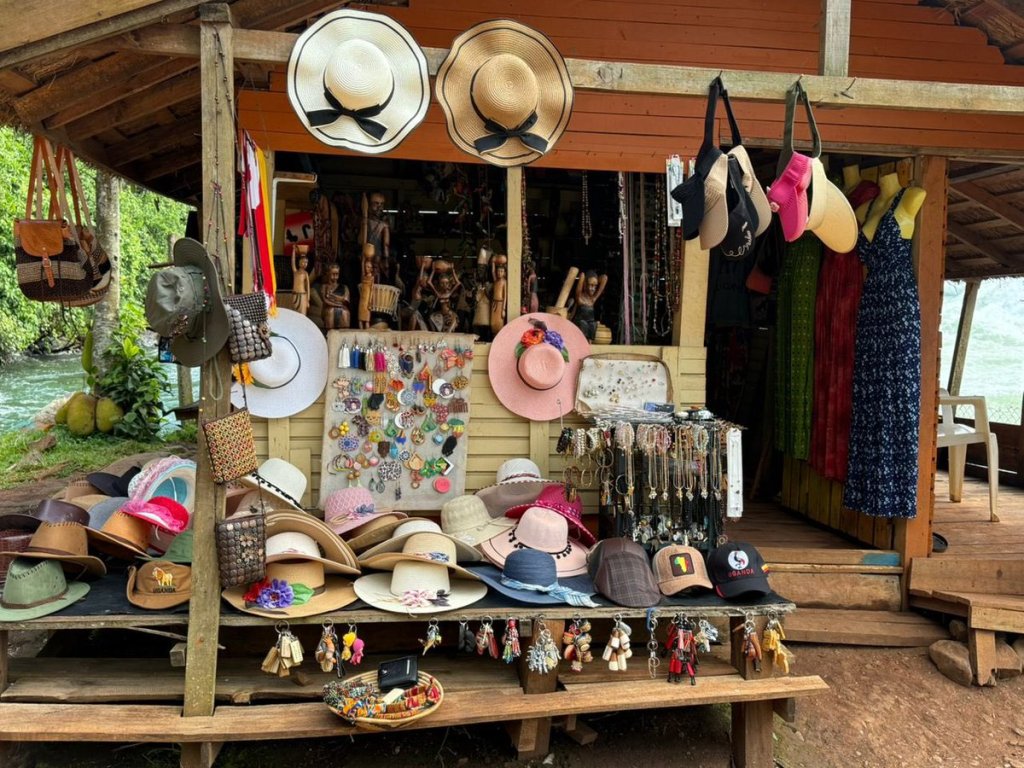
Yet, this period of stillness forced a profound realization: relying solely on traditional, foreign-dominated safari models left local communities highly vulnerable. The recovery period was marked by an internal awakening. Domestic tourism surged as Ugandans began exploring their own backyards, and the government focused heavily on stabilizing peace and improving critical road networks. This resilience laid the groundwork for a complete rebranding of how Uganda shows up on the world stage.

2. The Present: “Explore Uganda” and Global Momentum
Today, Uganda’s tourism is back on an undeniable upward trajectory. With the launch of the refreshed national brand, “Explore Uganda – The Pearl of Africa,” the country has shifted from passive marketing to an active, experiential call to action.
The strategy is working. From major international pushes—like the high-visibility branded commuter buses taking over Paris—to local flagship events like the Pearl of Africa Tourism Expo (POATE), Uganda is actively diversifying its reach. Tourism has officially been designated a primary pillar in the country’s ten-fold economic growth strategy. We are seeing increased infrastructure, friendlier visa policies, and a steady influx of global travelers eager to experience our cultural heritage and diverse wildlife.

3. The Future: Kitara Foundation’s Vision for Regenerative Tourism
While growing visitor numbers and rising GDP contributions are excellent markers of economic recovery, they do not tell the whole story. Traditional tourism models often create a “leakage” effect, where the vast majority of traveler expenditure leaves the host country or stays trapped in corporate hotel chains, never reaching the rural communities who serve as the true guardians of the landscape.
The future of tourism in Uganda must be community-led, sustainable, and fundamentally regenerative.

Enter The Pearl Accord: Redefining Travel Capital
To bridge the gap between global routes and local roots, the Kitara Foundation has introduced The Pearl Accord—a revolutionary, transparent covenant for community-led tourism. This “70/20” revenue-sharing framework turns travel into a direct engine for community development:
- 70% Stays in the Local Community: Under the Pearl Accord, 70% of all tourism expenditure remains directly within the destination. It mechanically funds fair wages for local guides, direct food sourcing from neighborhood farmers, fair compensation for artisans preserving cultural crafts, and immediate financing for grassroots conservation efforts.
- 20% Dedicated Community Fund: An additional 20% of revenue is cleanly ring-fenced into a collective pool managed entirely by the community. This fund directly addresses urgent societal needs, from stocking local health clinics with medical supplies to funding student scholarships and clean water initiatives.
- 10% Operational Sustainability: The remaining portion maintains the necessary administrative and travel partnership networks required to keep the ecosystem thriving.
The Pearl Accord Principle: When a community becomes an equal financial stakeholder in tourism, the relationship between host and traveler transforms from transactional to mutual. The traveler shifts from a distant spectator to an active contributor.
Moving Forward Together
The future of Uganda’s tourism lies in authenticity. Travelers are increasingly looking for deep cultural immersion, traceable environmental impact, and real human connection. By implementing frameworks like the Pearl Accord across the Kitara region and the wider nation, Uganda can position itself as the global blueprint for responsible travel.
We invite travel agencies, conservationists, and conscious globetrotters to join this movement. Let us explore the Pearl of Africa not just to see its wonders, but to safeguard them for generations to come.


