
Echoes of Buganda in the Western Hills: The Story of the Batagwenda and Banyaruguru Ah, Kitagwenda and Bunyaruguru! These regions, cradled in the western arm of Uganda, are truly gems, brimming with both natural splendor and a rich cultural tapestry woven from their unique histories. Let’s delve deeper into the captivating attractions each offers:
Kitagwenda: Where Nature’s Drama Unfolds Kitagwenda, a land shaped by volcanic activity and the embrace of ancient forests, offers a compelling blend of scenic beauty and cultural intrigue.
1. Lake George: A Royal Jewel Shared with Bunyaruguru and forming part of the Queen Elizabeth National Park ecosystem, Lake George, or Lake Dweru as it was originally known, is far more than just a body of water. Its regal name was bestowed in honor of Prince George, later King George V of the United Kingdom. This relatively shallow lake teems with life, its waters reflecting the vast African sky.
Nature’s Bounty: The shores of Lake George are a haven for diverse birdlife, attracting avid ornithologists and casual observers alike. Expect to spot numerous species of kingfishers, pelicans, storks, and various wading birds. The lake itself supports a thriving fishing industry, providing livelihoods for local communities and a delicious source of fresh tilapia. Hippos wallow in its shallows, their snorts and grunts a constant soundtrack, while monitor lizards bask lazily on the banks. The surrounding papyrus swamps are vital habitats for the elusive sitatunga antelope and a myriad of smaller creatures.
Cultural Significance: For the communities surrounding it, Lake George has always been a vital resource, providing water for domestic use, irrigation, and sustenance through fishing. Traditional fishing methods, passed down through generations, are still practiced, offering a glimpse into the harmonious relationship between the people and the lake.
Stories and legends are undoubtedly woven around its waters, perhaps tales of mythical creatures or spirits residing within its depths, though these often remain within the local oral traditions.
2. Mpanga Gorge: A Dramatic Rift in the Landscape. Carved by the powerful Mpanga River over millennia, the Mpanga Gorge is a breathtaking spectacle of raw natural power. This deep chasm slices through the landscape, revealing layers of ancient rock and offering dramatic vistas.
Nature’s Majesty: The sheer scale of the gorge is awe-inspiring. Lush vegetation clings to its steep sides, creating a vibrant tapestry of greens against the rugged rock face. Hiking along the rim of the gorge offers stunning panoramic views of the river snaking its way through the depths below. The air is often filled with the calls of birds of prey that nest on the cliffs, their soaring flight adding to the dramatic atmosphere.
Exploring the trails that sometimes lead down into the gorge (often requiring local guidance) allows for a closer appreciation of the geological forces that shaped this landscape and the unique micro-ecosystems that thrive within its sheltered environment.
Cultural Narratives: Such dramatic geological features often hold significance in local folklore. The Mpanga Gorge might be associated with tales of powerful spirits, ancient battles, or even serve as natural boundaries recognized by different clans or communities. The very name “Mpanga” likely carries a meaning within the local language, potentially related to its power or the way it carves through the land.
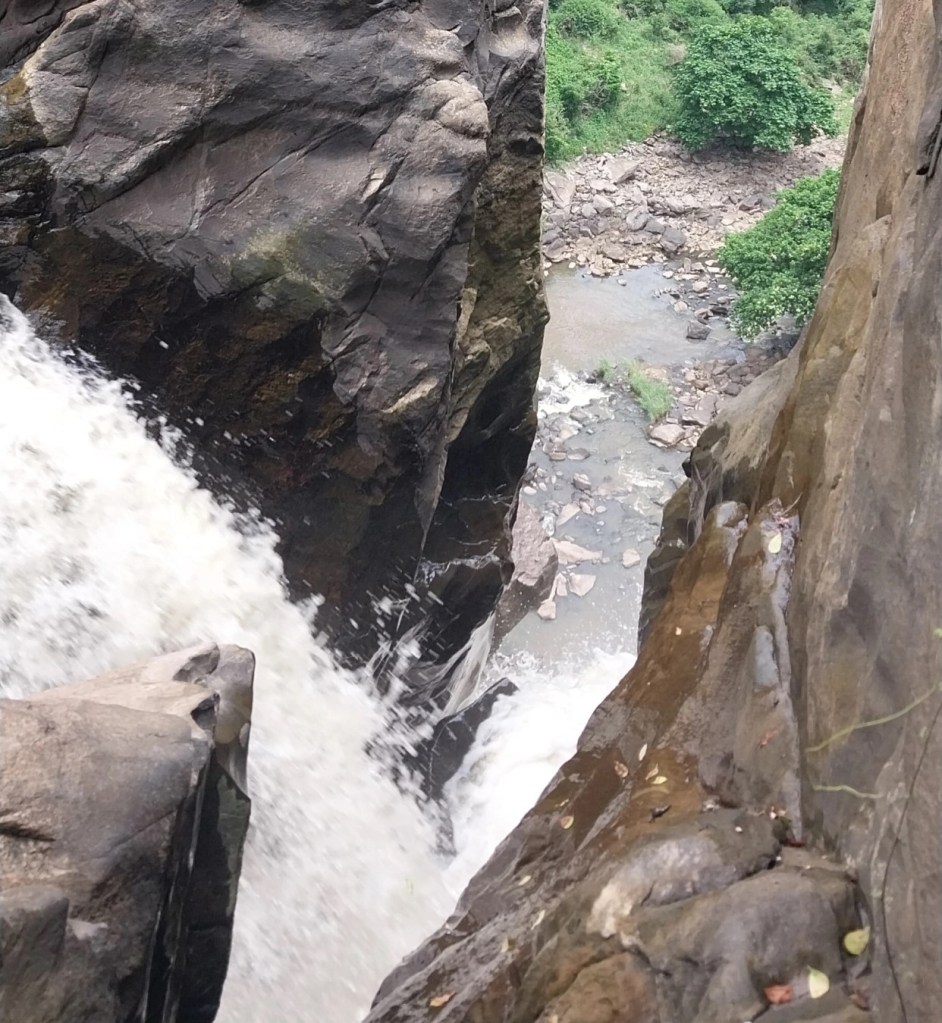
3. River Mpanga with Mpanga Waterfalls: A Symphony of Flow and Force. The Mpanga River, the architect of the dramatic gorge, culminates in a series of beautiful waterfalls as it cascades down the escarpment.
Nature’s Cascade: The Mpanga Waterfalls are not one single, towering drop, but rather a series of cascades and rapids, each with its own unique character. The water, often tinged with the rich colors of the surrounding soil, plunges and swirls over the rocks, creating a mesmerizing display of nature’s power and beauty. The constant rush of water creates a refreshing mist and a soothing natural soundtrack. The surrounding vegetation thrives in the damp environment, creating pockets of lush greenery. These waterfalls are often accessible via trails, offering opportunities for scenic walks and photography.
Local Lore: Waterfalls often hold cultural significance, sometimes considered sacred sites or places where rituals were performed. The Mpanga Waterfalls might be associated with local deities or spirits connected to water and fertility. The sound of the falling water and the visual spectacle could have inspired local songs, dances, and stories passed down through generations.
4. The Cycads Village of Karubuguma: A Living Fossil Garden. Karubuguma is a truly unique attraction, a natural haven for a remarkable concentration of cycads. These ancient plants, often referred to as “living fossils,” have survived for millions of years, predating the dinosaurs.
Botanical Wonder: Walking through the Cycads Village is like stepping back in time. These primeval plants, with their sturdy trunks and crown of stiff, palm-like fronds, offer a tangible link to Earth’s distant past. The sheer number of cycads in this area is exceptional, making it a site of significant botanical interest. Different species of cycads might be present, each with its own distinct characteristics. This area is not only visually fascinating but also holds immense value for scientific research and conservation efforts.
Local Knowledge: The local communities living around Karubuguma likely possess a deep traditional knowledge of these plants, perhaps using them for medicinal purposes or incorporating them into their cultural practices in ways that are not immediately apparent to outsiders. Understanding their local names for the cycads and any associated stories or beliefs would add another layer of appreciation to this unique site.

5. Kikondo Hills: Sentinels of the Landscape. The Kikondo Hills are a prominent feature of the Kitagwenda landscape, their verdant slopes rising above the surrounding plains.
Scenic Vistas and Biodiversity: Hiking through the Kikondo Hills offers rewarding panoramic views of the surrounding countryside, including Lake George and the distant Rwenzori Mountains on a clear day. The varied terrain supports a diverse range of flora and fauna. Patches of indigenous forests might still exist, harboring unique bird species, small mammals, and interesting plant life. The cooler temperatures at higher elevations can provide a welcome respite from the heat of the lowlands.
Historical Significance: Hills often served as strategic locations in the past, offering natural defenses or vantage points for observation. The Kikondo Hills might hold remnants of past settlements, perhaps terracing for agriculture or even sites of historical battles or gatherings. Local oral histories might recount events that took place on these hills, imbuing them with a deeper cultural significance. The Banyaruguru who settled here after their exodus from Buganda likely established communities within these hills, their presence adding to the historical layers of the landscape.
6. Ntabahara Rift Valley Escarpment: A Geological Masterpiece. The Ntabahara escarpment is a dramatic section of the Albertine Rift Valley, a geological feature of immense scale that runs through East Africa.
Geological Wonder and Panoramic Views: Standing atop the Ntabahara escarpment offers breathtaking, far-reaching views across the rift valley floor. The sheer drop and the vastness of the landscape are truly awe-inspiring. This area provides an excellent opportunity to understand the geological forces that have shaped this part of the world, with visible fault lines and different rock strata. Birdwatching can be exceptional along the escarpment, as thermal updrafts attract birds of prey.
Cultural Crossroads: Escarpments often act as natural boundaries, influencing settlement patterns and interactions between different communities. The Ntabahara escarpment might have historically marked the edge of territories or influenced trade routes. Local legends might explain its formation or attribute it to powerful beings. The different ecosystems found at the top and bottom of the escarpment could also have led to distinct cultural practices and resource utilization by the communities living in these areas.
7. Kitoomi Kasyoha Forest: A Sanctuary of Biodiversity. Shared with Bunyaruguru, the Kitoomi Kasyoha Forest is a vital biodiversity hotspot, harboring a rich array of plant and animal life.
Ecological Importance: This forest is a crucial habitat for numerous species, including primates like chimpanzees and various monkeys, a diverse array of birds, and unique flora. Walking through its trails offers an immersive experience in a pristine African forest. The forest plays a vital role in regulating local climate and water cycles. Exploring different sections of the forest might reveal varying vegetation types and associated wildlife.
Traditional Uses and Beliefs: Forests are often deeply intertwined with the cultural lives of local communities. The Kitoomi Kasyoha Forest likely provides medicinal plants, timber, and other resources used by the people living nearby. It might also hold spiritual significance, with certain trees or groves considered sacred or inhabited by spirits. Understanding the traditional ecological knowledge held by the local communities is crucial for the conservation of this valuable ecosystem.
8. Equator Crossing: A Geographical Landmark. While perhaps a more fleeting experience, the equator crossing in Kitagwenda offers a unique opportunity to stand with one foot in the Northern Hemisphere and the other in the Southern Hemisphere.
Scientific Significance and Photo Opportunity: This geographical marker is a point of interest for travelers, often accompanied by signs and sometimes small tourist facilities. It provides a tangible connection to the Earth’s geography and the imaginary line that divides our planet. It’s a popular spot for taking memorable photographs.
Local Interpretation: While the equator crossing is a scientific concept, local communities might have their own interpretations or stories related to this significant geographical line, perhaps connecting it to weather patterns or agricultural cycles.
Bunyaruguru: Land of Lakes and Lush Valleys. Bunyaruguru, aptly named for its hilly terrain (“Ruhuru” meaning hill), is a region characterized by its stunning concentration of crater lakes, dramatic gorges, and the embrace of verdant forests.
1. Lake George: A Shared Aquatic Treasure. As mentioned in the Kitagwenda section, Lake George forms a significant part of Bunyaruguru’s natural landscape, its eastern shores contributing to the region’s ecological richness and scenic beauty. Its importance for biodiversity and local livelihoods remains consistent across both regions.
2. 32 Crater Lakes: Jewels Scattered Across the Landscape. Bunyaruguru is renowned for its astonishing number of crater lakes, a result of past volcanic activity. These serene bodies of water, nestled in the hollows of ancient volcanic vents, offer a breathtakingly beautiful and geologically fascinating landscape.
Varied Beauty and Unique Ecosystems: Each of the 32 crater lakes possesses its own unique charm. Some are small and intimate, surrounded by dense vegetation, while others are larger and offer stunning reflections of the sky and surrounding hills. The water in these lakes often has a distinct color, ranging from deep blues to emerald greens, due to the mineral content and algae. Many of these lakes support unique micro-ecosystems, with specialized plant and animal life adapted to their specific conditions. Some might harbor endemic fish species or support particular types of birdlife.
Cultural Significance and Local Legends: These mysterious lakes have undoubtedly inspired countless local legends and stories. Some might be considered sacred, perhaps believed to be the abode of spirits or connected to ancient rituals. Local names for the lakes often carry specific meanings related to their appearance, the surrounding environment, or associated folklore. Visiting these lakes with a local guide can unlock a wealth of cultural narratives and traditional ecological knowledge.
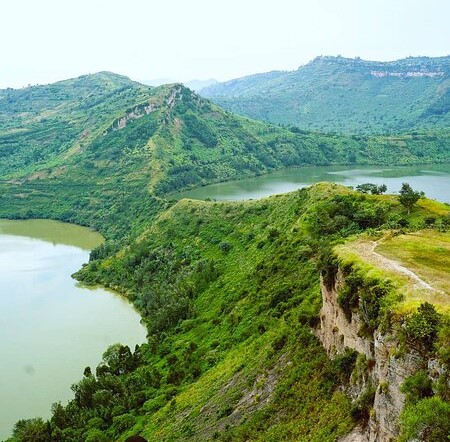
3. Kyambura Gorge: The “Valley of Apes”. Kyambura Gorge is a dramatic chasm carved by the Kyambura River as it flows towards Lake Edward. This lush, steep-sided valley is a haven for wildlife, most notably its resident chimpanzee population.
Primate Paradise and Biodiversity Hotspot: Descending into the cool, verdant depths of Kyambura Gorge is like entering a different world. The dense tropical rainforest that thrives within its confines is home to a variety of primates, including chimpanzees, red-tailed monkeys, black and white colobus monkeys, and baboons. Guided chimpanzee trekking expeditions offer the incredible opportunity to observe these fascinating creatures in their natural habitat. The gorge also supports a rich diversity of birdlife, butterflies, and other small mammals. The Kyambura River itself sustains the lush vegetation and provides water for the wildlife.
Cultural Connections: The presence of chimpanzees, our close relatives, often evokes a sense of wonder and connection. Local communities living near the gorge likely have their own stories and interactions with these intelligent primates. The gorge might also hold significance as a natural boundary or a source of traditional medicines and resources.
4. Kyambura Game Reserve: A Pocket of Wilderness. Encompassing the dramatic Kyambura Gorge and the surrounding savanna, the Kyambura Game Reserve offers a microcosm of East African wildlife.
Diverse Wildlife Encounters: While smaller than the adjacent Queen Elizabeth National Park, the Kyambura Game Reserve is home to a variety of wildlife, including elephants, buffaloes, various antelope species, and predators like lions and leopards (though sightings can be less frequent than in the larger park). Birdwatching is excellent here, with a mix of savanna and forest species. Game drives through the reserve offer opportunities to experience the African bush and its inhabitants.
Conservation Efforts and Community Involvement: As a protected area, the Kyambura Game Reserve plays a crucial role in wildlife conservation. Understanding the history of its establishment and the involvement of local communities in its management provides valuable context for appreciating its ecological significance.
5. Queen Elizabeth National Park: A Shared Natural KingdomThe vast Queen Elizabeth National Park borders Bunyaruguru and encompasses a significant portion of its landscape, including the western shores of Lake George, the Kazinga Channel, and parts of the Ishasha sector.
Iconic African Wildlife: This renowned national park is a treasure trove of African wildlife. Expect to see large herds of elephants and buffalo, prides of lions (including the famous tree-climbing lions of Ishasha), elusive leopards, various antelope species, hippos and crocodiles along the Kazinga Channel, and a staggering array of birdlife – over 600 species have been recorded here. Boat safaris along the Kazinga Channel offer exceptional wildlife viewing opportunities.
Cultural Interactions and Historical Significance: The land that now forms Queen Elizabeth National Park has a long history of human habitation and interaction with wildlife. Understanding the perspectives of the local communities who lived in this area before its gazettement and the ongoing efforts to promote sustainable tourism and community benefits adds a crucial dimension to the park’s significance.
6. Imaramagambo Forest: A Realm of Mystery and Wildlife. Located within Queen Elizabeth National Park and extending into Bunyaruguru, the Imaramagambo Forest is a large, relatively undisturbed tropical forest known for its diverse primate population and the intriguing Blue Lake and Twin Lake.
Primate Encounters and Unique Lakes: This forest is home to chimpanzees, numerous monkey species, and other forest dwellers. Guided walks offer opportunities for primate tracking and exploring the forest’s rich biodiversity. The Blue Lake and Twin Lake are two crater lakes within the forest that are known for their striking colors and mysterious origins. Local legends often surround these lakes, adding to their allure. The forest’s dense canopy creates a unique atmosphere, with filtered sunlight and the sounds of the forest echoing through the trees.
Traditional Beliefs and Conservation: Large forests often hold deep spiritual significance for local communities, serving as sources of traditional medicines, sacred sites, and places where spirits are believed to reside. Understanding these traditional beliefs is essential for effective forest conservation and fostering harmonious relationships between the park and its neighbors.
7. Kasyoha Kitoomi Forest: A Shared Biodiversity Haven. As mentioned in the Kitagwenda section, the Kasyoha Kitoomi Forest also extends into Bunyaruguru, its ecological importance and cultural significance remaining consistent across both regions. It serves as a vital link in the broader ecosystem, supporting a wide range of flora and fauna and holding traditional value for the local communities.Together, Kitagwenda and Bunyaruguru offer a compelling tapestry of natural wonders and cultural richness. From the dramatic gorges and ancient cycads of Kitagwenda to the serene crater lakes and primate-filled forests of Bunyaruguru, these regions provide unforgettable experiences for nature lovers, adventure seekers, and those interested in the intricate interplay between people and their environment. Exploring these lands with knowledgeable local guides will undoubtedly enrich your understanding and appreciation of their unique heritage.
Echoes of Buganda in the Western Hills: The Story of the Batagwenda and Banyaruguru.
Imagine a kingdom fractured by fraternal strife, a tale as old as time echoing across the verdant hills of what is now Uganda. This is the genesis of the Batagwenda and Banyaruguru, communities whose very existence is woven from the threads of Buganda’s dramatic past, a testament to the enduring power of kinship and the unforeseen consequences of conflict.
The year was 1797, a time when the drumbeat of Buganda’s royal court resonated across the land. Kabaka Junju Sendegeya, the twenty-seventh ruler of this powerful kingdom, held his capital at Magonga. But within the royal family, a storm was brewing. His younger brother, the ambitious Prince Semakookiro Wasajja Nabbunga, harbored designs on the throne. Driven by his aspirations, Ssemakookiro dispatched a regiment of fierce warriors with a stark command regarding his elder sibling: “Temumulekaayo!” – “Do not leave him behind!”
News of the impending clash reached Kabaka Junju, a leader who, in the tradition of his forefathers, would not shy away from the battlefield. He rallied his own loyal forces, and the two royal armies met in a fateful encounter. Amidst the clash of spears and the cries of battle, tragedy struck. Kabaka Junju fell, his reign brought to an abrupt and violent end.
The victorious, yet perhaps conflicted, soldiers of Ssemakookiro journeyed to Bamunaanika to deliver the news of their triumph. However, Ssemakookiro was not jubilant. His order had been to capture his brother, not to kill him. Consumed by fury and perhaps a dawning realization of the gravity of his actions, he decreed a harsh punishment. All those who had participated in the battle, along with their descendants and extended families, were banished from Buganda. They were given a stark choice: exile or a fate mirroring that of the fallen Kabaka.
And so began a westward exodus. Some, their spirits weary but their legs strong, sought refuge in the hills and mountains of northern Ankole, eventually carving out a new home in what is now Rubirizi District – the land of Bunyaruguru. Others found their way further north, towards the present-day Kitagwenda in Kamwenge District, within the realm of the Kingdom of Toro. While accounts may vary in minor details, the historical reality of this flight, a consequence of a pivotal moment in Buganda’s history over two centuries ago, remains undeniable.
The passage of time has not erased the cultural imprints of their Buganda origins. Among the Banyaruguru, particularly the elder generation, the melodic cadence of Luganda still flows alongside the rolling “r” sounds of Runyankole and other regional tongues. Their dialect of Runyankole even carries echoes of the Rutooro spoken in Kitagwenda, a linguistic bridge connecting their shared past. Remarkably, they have maintained their allegiance to the twelve Baganda clans from which their ancestors hailed, a powerful testament to the enduring bonds of kinship.
Furthermore, the Banyaruguru have preserved many of their Baganda customs. One striking example is the tradition of maintaining family cemeteries, known as “Ebiggya” in Luganda. Unlike many surrounding communities who have only recently adopted this practice, the landscape of Bunyaruguru is dotted with ancestral burial sites stretching back generations, silent witnesses to the continuity of family and lineage.
Numbering around 200,000, the Banyaruguru are renowned for their close-knit communities. Family bonds are exceptionally strong, fostering a culture of collective investment and the communal ownership of land within families and clans. In contrast to the more individualized land tenure systems of Buganda, the Banyaruguru often establish joint residences where siblings build their homes on a shared ancestral estate, surrounded by the lush green of their matoke plantations.
Interspersed with the staple banana crop are vibrant fields of cassava, beans, maize, and the valuable Arabica coffee. The fertile valleys yield bountiful harvests of cabbage, tomatoes, sugarcane, and eggplants, a testament to their industrious nature. Rising with the sun, they are often tending their gardens by dawn, benefiting from the rich, volcanic soils that have only recently begun to be extensively cultivated, yielding impressive harvests without the need for artificial enhancements.
In their daily lives, the Banyaruguru seamlessly blend the sartorial traditions of both Banyankole and Baganda. Their names, too, reflect this cultural fusion, a harmonious blend of Kinyankole and Kiganda onomastics. While the dominant cultural fabric is Kinyankole, threads of Kiganda customs are still discernible, a subtle reminder of their ancestral roots.
To the north, the Batagwenda tell a slightly different, yet related, story. Their ancestral men were once renowned hunters, their skills honed in the wild landscapes. Though the large game has largely receded, a primal instinct remains – it is said that any elephant or lion venturing into Kitagwenda from the nearby Queen Elizabeth National Park is unlikely to ever return.
The Batagwenda are broadly divided into two groups: the Banyantara, who reside in the hills above Lake George, and those inhabiting the hills around Kikondo and Kinyamugara, known locally as the Abakondo and Abakurungo in the Kikurungo dialect.
Their culinary heartland lies in millet, though their fields also yield matoke, cassava, maize, and sweet potatoes. Culturally, the Batagwenda have largely embraced the traditions of the Kingdom of Tooro, evident in their practice of bestowing pet names known as “empaako” and their deep respect for Tooro’s royal customs.
Thus, the stories of the Batagwenda and Banyaruguru offer a fascinating glimpse into the intricate tapestry of Uganda’s history and cultural landscape. Born from the upheaval within a powerful kingdom, these communities have forged their own identities while retaining poignant echoes of their Buganda heritage. Their tales speak of resilience, the enduring strength of kinship, and the remarkable ability of people to adapt and thrive in new lands, carrying the whispers of their past into the vibrant present.
 COMMUNITY BASED TOURISM DEVELOPMENT AT KITARA FOUNDATION FOR SUSTAINABLE TOURISM: Transforming Communities through Travel Partnerships. Email: kitararcc@gmail.com;