
Our Aim: Contributing to the National Strategic Goal of a sustainable tourism sector that helps to create jobs, increase income, improve livelihoods and preserve natural and cultural resources in the Region.

Our Mission: To Contribute to the transformation of the Tourism and hospitality industry in Uganda through Capacity Building in Product development, Networking, Marketing, building linkages and community participation in the regional Tourism development and Conservation industry. We aim at investing in local growth, the well-being of local people and the health of the local economy. The end result is the tourism industry that benefits the local people, the visitors and the national economy.
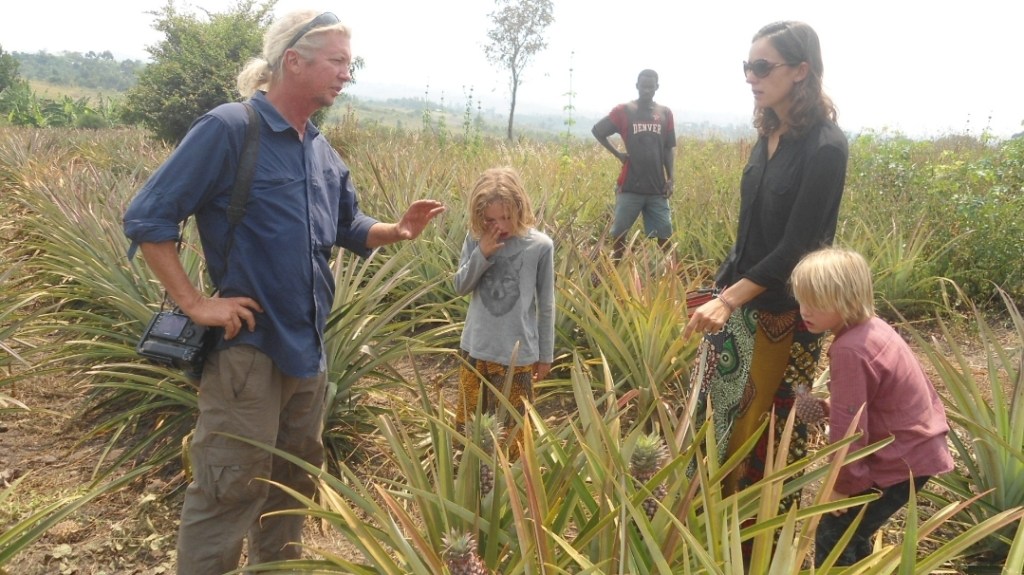
Broad Goal 1: Community Based Tourism Development
A community by definition implies individuals with some kind of collective responsibility, and the ability to make decisions by representative bodies
For long, tourism in Uganda has been focused on wildlife safaris and the conventional tourist destinations, but the local community participation in the tourism industry has not been emphasized. Community Based Tourism creates an opportunity for the local community to participate and benefit from their natural and cultural resources. In our work we integrate both conventional and community tourism in order to maximize the benefits of tourism industry to the local population.

There is a huge potential of tourism in the local communities with local people developing, documenting and showcasing their natural resources, their daily life, their cultural heritage, customs and traditions. This type of tourism based in rural communities has proven to attract huge numbers of tourists because it gives them an opportunity to make bonds with communities they visit through participation in daily life and service provision. Some visitors come as tourists while others come as community volunteers for service. Ugandan communities that made strategies for Community Based Tourism have gained a lot in terms of economic and social developments from these initiatives. Most of the hosts for Community Based Tourism are NGOs and CBOs.

The Government of Uganda is developing a framework to train local people to engage in Community Based Tourism; The aim is to develop the capacity of the local people to start using what they have locally to attract tourists to their communities.

Community Based Tourism development is therefore at the core of our operations. We focus on rural areas affected most by decline in the capacity of agriculture. Degeneration of the countryside is prevented and cultural heritage preserved by raising supplementary family income through tourism.
We focus on identifying potential tourism sites and activities, building community capacity through education and creating demand through marketing and packaging.
Our emphasis is on the tourism sector’s huge potentiality of steering the economic development to bridge the gap between the people who come from small communities and big cities / towns in this region. How can we help rural communities to grow into large Tourism destinations in this region?
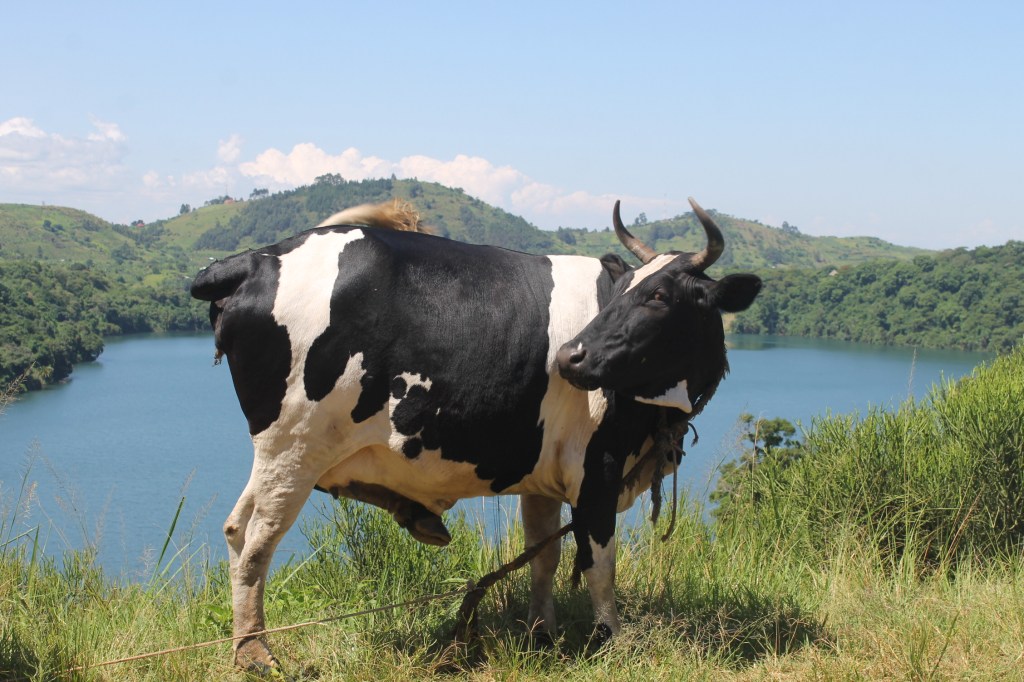
Kitara Foundation envisions tourism in the region as a developmental tool for building not only the tourism industry, but the entire region’s communities, by opening up communities as attractions with definable modus operand with achievable goals. The process is guided by industry standards of health, safety and regard for the environment.
The Project empowers local people to be more aware of the value of their community assets – their culture, heritage, cuisine and lifestyle. Communities are mobilized to convert these resources into income generating projects while offering a more diverse and worthwhile experience to visitors.
Leading the Tourism and Conservation Products Development across the region with high focus on Community Based Tourism, cultural and nature Conservation strategies. Effort is centered on the communities around the identified major tourism and conservation centers such the crater lakes in Tooro, hot springs, water falls, cultural sites, natural forests, mountains, lakes and rivers.
Participation
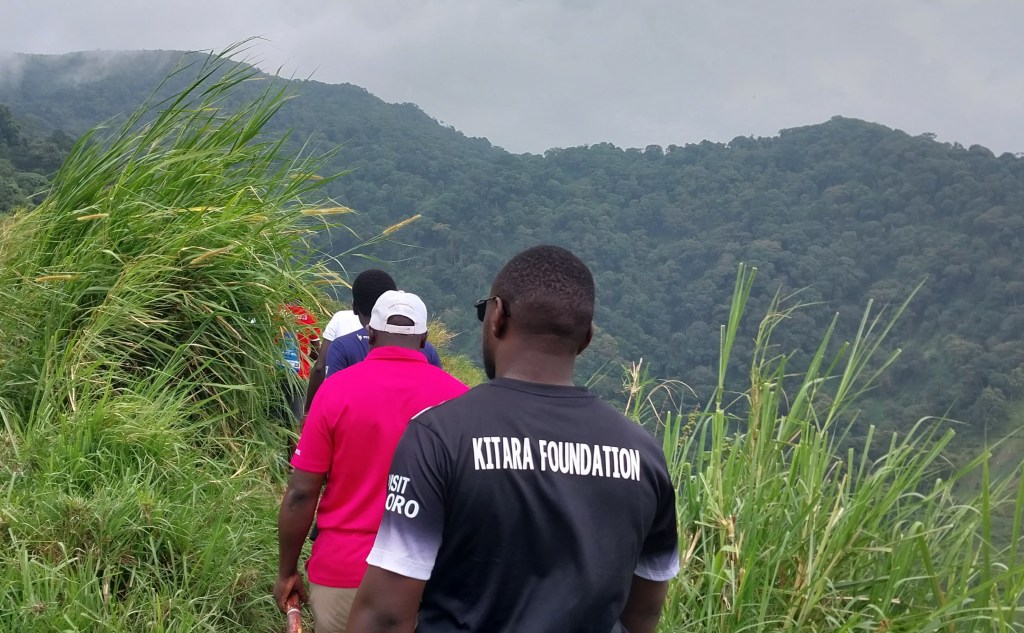
Our strength is in sharing, community engagement and full participation. We stand for a meaningful experience by spending time with the community and people who are involved in tourism e.g. hiking clabs, trekkers associations, walkers groups, district tourism associations etc. We spend time discovering the countryside during nature walks and mountain hiking. We share daily life with the community by spending a day or night in a traditional community and homestead. Our work is about ‘‘Nature, People and Economy’’.
We believe in a sense that every community is a potential tourism destination and every citizen is a potential business partner to be trained in small business management, environmental awareness, product development and marketing. This type of ‘people-centered’ tourism is promoting a sense of ‘ownership’ which augurs well for the industry’s sustainability.
Key Principles in our work:
The keys to a successful Community Based Tourism program are in five principles
1) Collaborate; Work with local communities around identified tourism products and destinations to develop, protect and manage the tourism sites
2) Find the fit between a community and tourism; Every community in Uganda is a potential tourism destination, every work is a potential tourism product, and everyone is a potential tourism entrepreneur.
3) Make tourism sites and programs come alive; Communities in Western Uganda are gifted with Natural Resources, varied cultural experiences, all which are potential tourism destination.
4) Focus on quality and authenticity; We work with communities to add value to the the natural tourism attractions, initiate additional attractions and products, and empower communities to take responsibility.
5) Preserve and protect resources; We work with communities to take responsible use of natural resources and to guard them against degradation and misuse.
Value Addition:
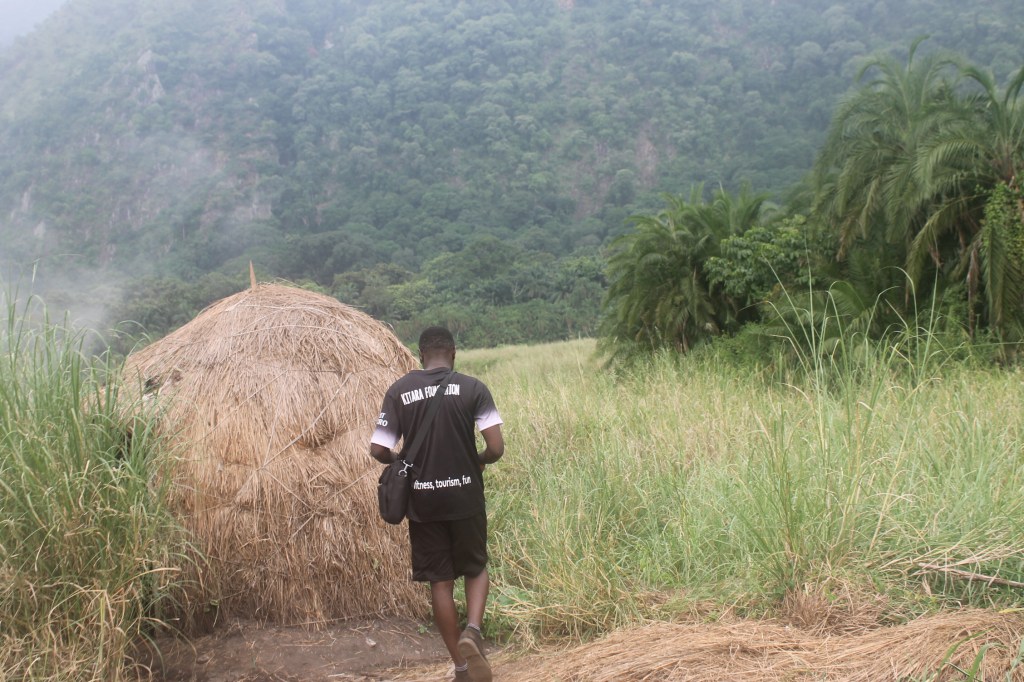
Most of the community tourism resources are in remote villages and some are in the wild. We add value through working with community people to form Guiding teams, opening trails to make resources accessible, putting up resting shades and sanitation facilities.
We partner with communities to improve infrastructure and access to major tourism sites; eg. Clearing and paving access trails to the water falls in Kasese, Kitagwenda, Ibanda and Kabarole, hot springs in Bunyangabu, historical caves in Ibanda and Kasese, and to crater lakes in Tooro.

We work with communities to construct shelters, hygiene and sanitation facilities at tourism sites that are isolated from public centers. Eg. Rwajimba hot springs in Bunyangabu district, Kyegegwa water falls in Kyegegwa district, Mahoma water falls in Kabarole district, Nyakahondogoro caves in Ibanda, Kiima Falls in Kasese attract many people who stay for long hours but have no latrines, and no shelter from rain and other hygiene and sanitation facilities.
We Identify undiscovered potential Tourism sites that can be developed and marketed for utilization by local communities and international tourists. In the region there are many places of cultural importance that are either never documented or were neglected that can be put to use by the local populations and tourism development actors.
We empower community people especially women to put additional income generating activities around tourism resources and along trails such as growing fruits, making handcrafts, foods and beverages, cultural music and drama and are able to document and tell a story about these natural tourism resources.
Kitara Region has got one of the richest and most unique cultures in the world, but we still are trying to find ways of making the most of it. Community based tourism is one of the most viable ways of marketing our country.”
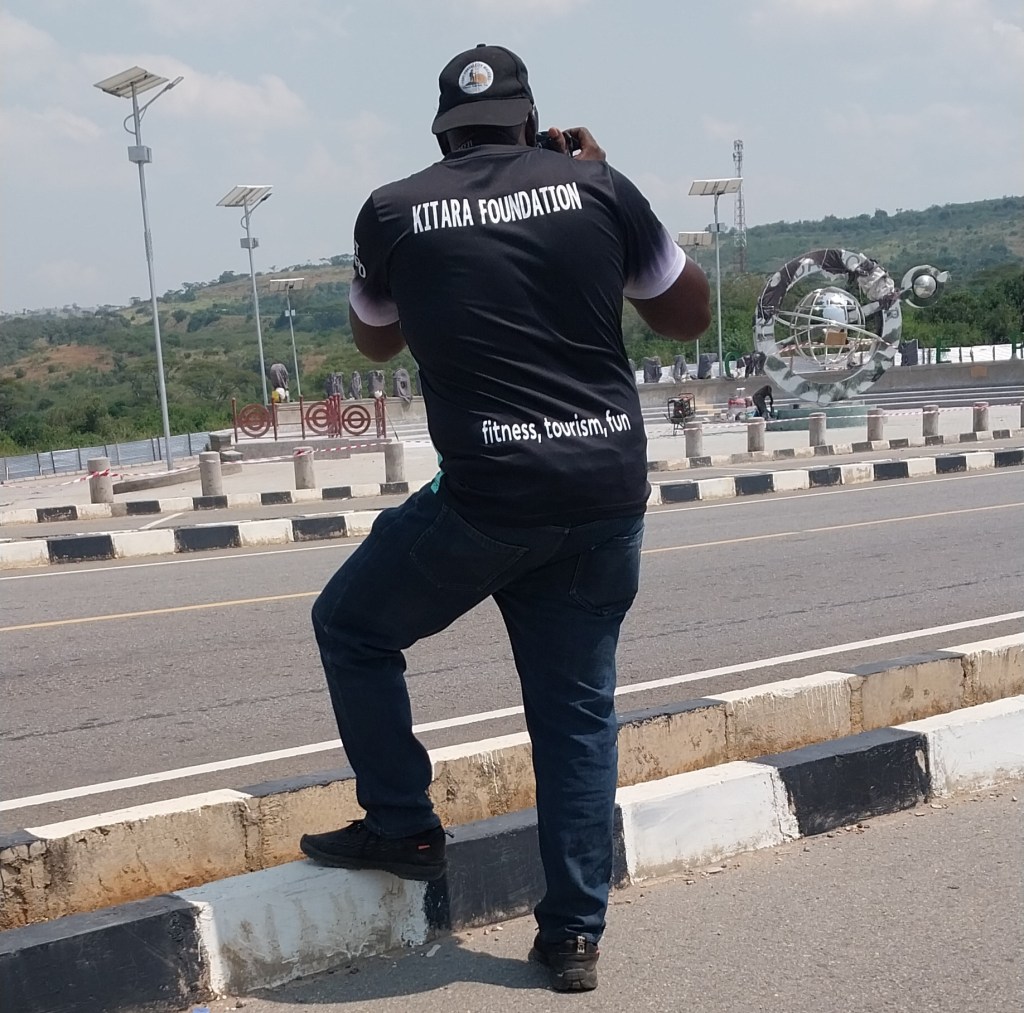
Other Community Tourism Empowerment Strategies
Annual Tourism Talent Show (ATTS): Featuring young entrepreneurs running small tourism enterprises in the region.’ The show targets both the educated or skilled and the unskilled, with the goal of equipping them with the requisite tourism business skills to successfully run their businesses.
Tourism Talent show is a campaign to search for entrepreneurship talent in tourism among youths in the tourism Region. This campaign is designed to identify and promote fresh tourism talents in the region. This show will give a platform to young tourism entrepreneurs in the region by recognizing and rewarding the participants that excel in the competition. This initiative seeks to support the youth with tourism business-related-skills to enable them efficiently operate tourism businesses in this tourism region.
The show’s main goal is to inspire and stimulate the tourism entrepreneurship acumen among the youth as one of the ways to alleviate the high youth unemployment rate prevalent in the region and increase tourism potentials of the region.
Annual Cultural Festival (ACF): Several cultural fairs and festivals have been run on National, Regional and local levels, but none has been meant to recognize and appreciate the unique historical features of Rwenzori Region as a cultural section. The Cultural Festival will be running each year under the theme “Appreciating who we are; celebrating Cultural Diversity”; The festival is an opportunity to showcase the different cultures that make the Rwenzori region so diverse and unique on this continent and in Uganda in particular.
“The fair will establish a platform where the different groups of cultures can celebrate, appreciate and explore a diversity of cultures alongside their own.” The event is inspired by key roles culture plays in the development of nations that it cannot be ignored. “Culture is a strong part of people’s lives. It influences our values, hopes and world view.” At the Cultural Festival, the young generation will be given special focus through the school cultural quiz competitions. Schools both Primary and Secondary are invited to offer an opportunity to the young generation to learn about different cultures and be inspired.
Annual Tourism Exhibition Day (ATED): The Tourism Exhibition is viewed as the Region’s tourism signature event that brings together tourism stakeholders to one ideal meeting place to meet and network with exhibitors, buyers, investors and suppliers of services in the tourism sector from all over the country. Tourism Exhibition is an event entirely dedicated to actors in the tourism areas such as tourism operations, culture, food, wine, sports, parks, community, and nature, etc.
The Annual Tourism Exhibition will be the largest travel and hospitality conference for travel and hospitality actors in the region. This is where brands and tourism actors have the best chances to find the right partners to work with.
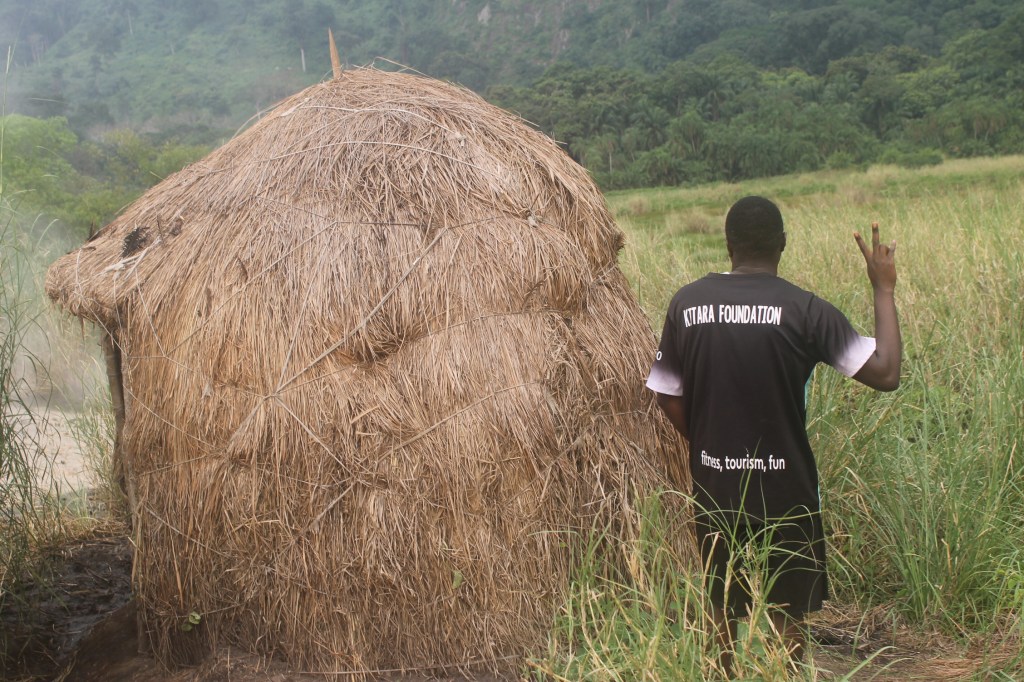
Community Based tourism is where people within their communities use the materials and resources available to them; things like food, culture, housing, environment as tourism resources for foreign visitors.
In a Community Based Tourism Program tourists have an opportunity for complete immersion into the African culture and local environment, they support communities while learning a wide range of lessons.
Community Volunteers from Abroad have specific qualification and skills that match with community programs and the needs of the communities they work with. Most of the time Community Tourism doesn’t need any specific qualifications; the guests are moved by the desire and willingness to learn while supporting communities.
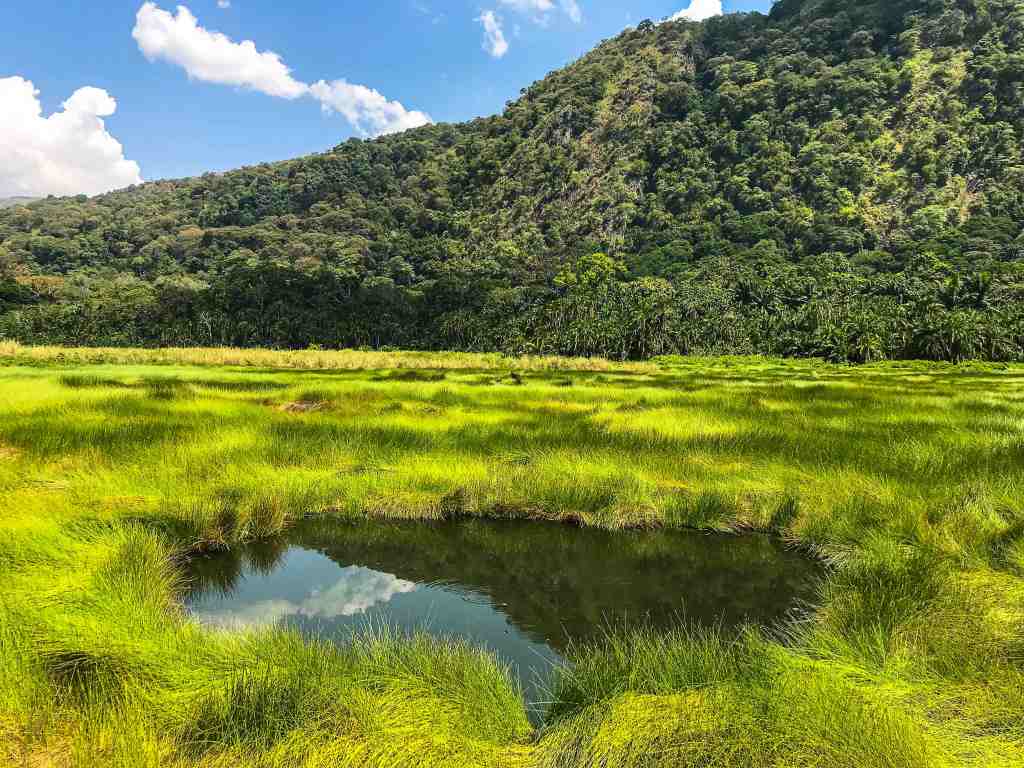
While Community Volunteers from abroad must be at least 18 years of age; those below this age are only accepted in groups of adults. On the other hand, Community Tourism accepts guests irrespective of age.
Community Volunteers from abroad are hosted in specific professional programs such as teaching in a school, serving in a health facility, supporting a youth group or women group, working with a research team and other specialized Community empowerment programs, while guests on Community Tourism can engage in none professional projects such as painting a school, work alongside technicians, work on agriculture, environmental conservation projects, worker with sports groups and others.
The Community Based Tourism Project at Kitara Foundation is aimed at empowering Local Communities in sustainable development through small-scale tourism and local enterprises, also known as community tourism. The project puts emphasis on utilizing local resources, indigenous knowledge and traditional skills that have been passed down for generations to produce authentic tourism products and experiences.
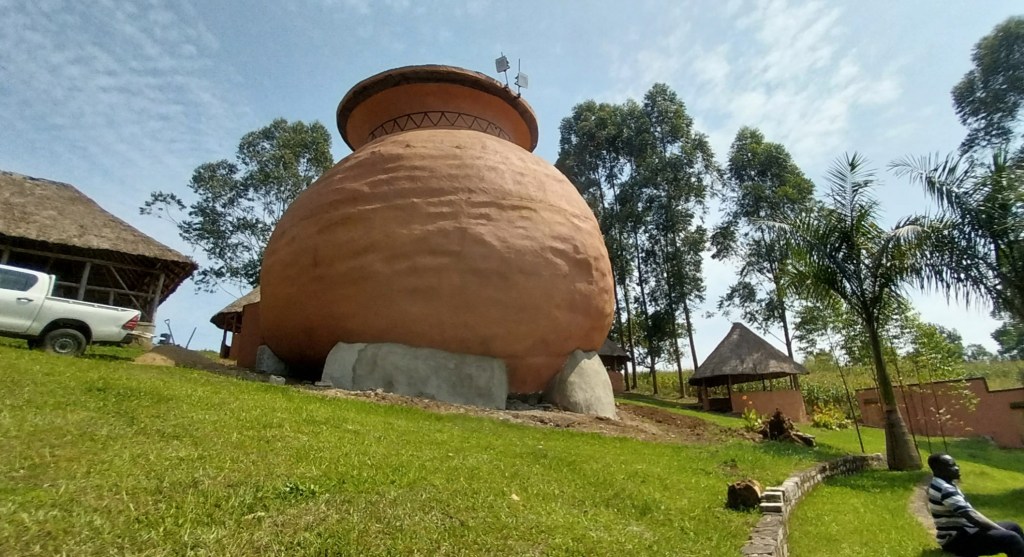
Through training, local people will come to appreciate their culture, way of life and rural environment as valuable assets in tourism development. Community Based tourism involves local people in planning, decision-making and implementation of tourism products. This form of tourism assures that the benefits stay as much as possible in the local community.
Community Based Tourism is a form of sustainable tourism that allows visitors to connect closely with the communities they visit. This emerging form of travel gives guests authentic experiences, while allowing revenue generated to remain in the often rural, poor, or economically marginalized community. The communities run these tourism enterprises that provide services such as village tours, nature walks, cultural performances, and foods on their own initiatives.
Community ecotourism is a particular facet of community based tourism, where at least some of the experiences are natural resource-based. Community ecotourism benefits both environmental conservation and local communities, the former generating financing for the management of the natural resource area.
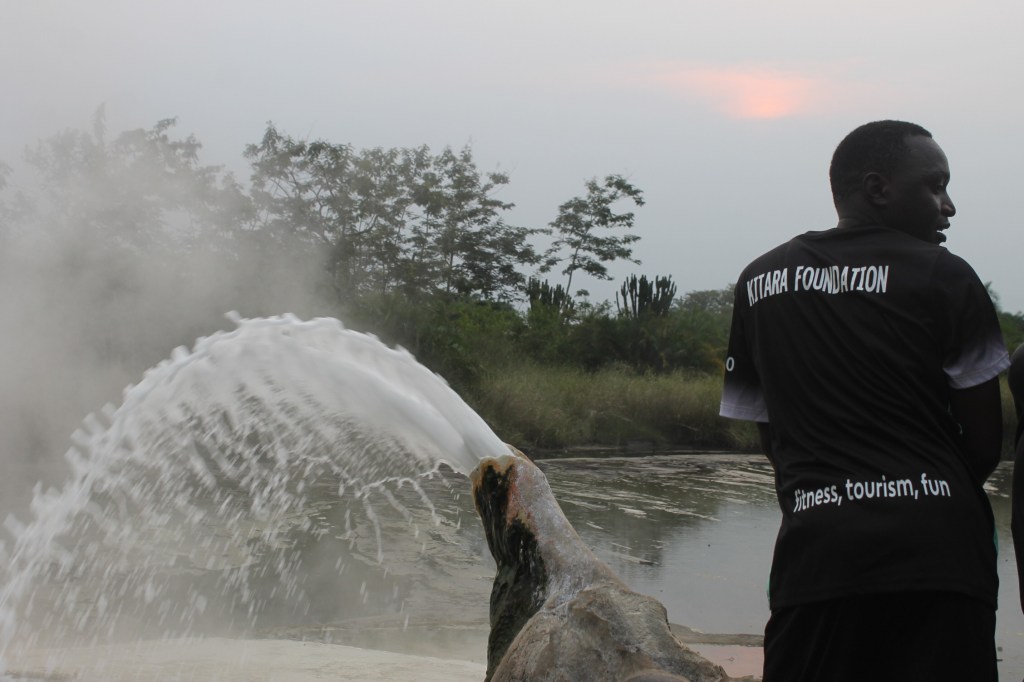
Community Based tourism not only encourages cross-cultural understanding between host and visitor but also embraces the bottom line of environmental protection, cultural conservation, social responsibility, economic health, and the enhancement of livelihoods. Because communities are the owners of these tourism enterprises, they have the incentive to establish standards for international tourists and invest in a quality tourism product. As such, Community Based Tourism is promoted as a means of development where the social, economic, and environmental needs of local communities are met through the offering of a tourism product.
Community based tourism is tourism in which local residents (often rural, poor and economically marginalized) invite tourists to visit their communities with the provision of overnight accommodation, feeding and laundry services within accredited host families or home stays.
The residents earn income as land managers, entrepreneurs and service providers and employees. At least part of the tourist income is set aside for projects which provide benefits to the community as a whole.
Community based tourism enables the guest to discover local habitats and wildlife, and celebrates traditional cultures, rituals and wisdom. The community will be aware of the commercial and social value placed on their natural and cultural heritage through tourism, and this will foster community based conservation of Natural resources.
The guests’ accommodation and facilities have to be of sufficient standard for Western visitors, albeit those expecting simple rural accommodation.
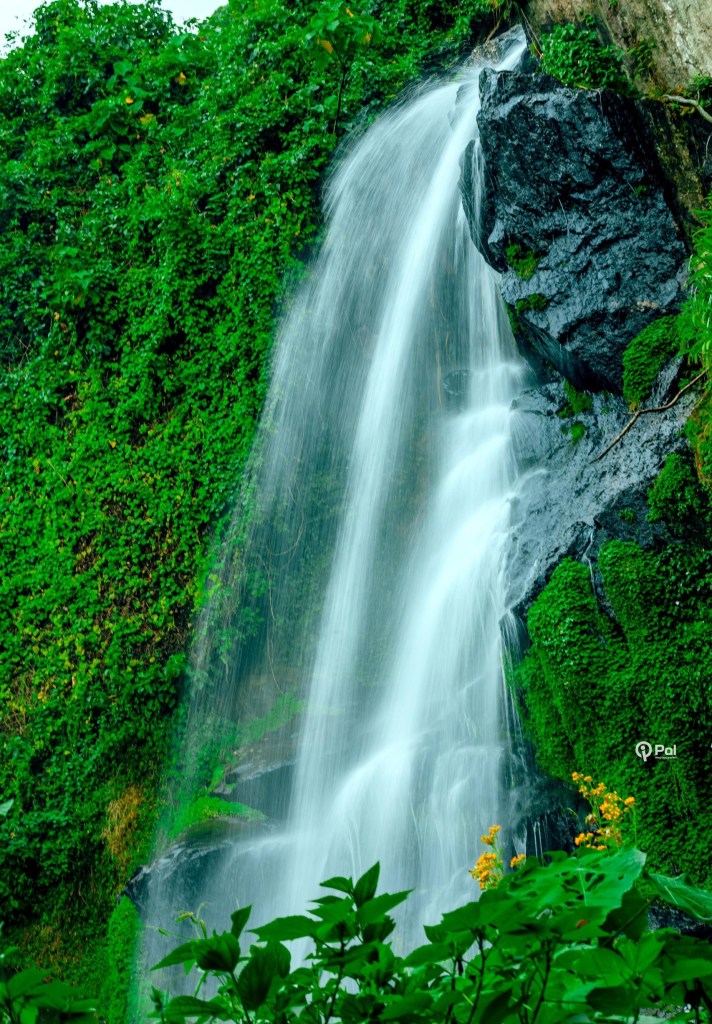
Community-based Tourism is a development strategy to mobilize communities into action to participate in broadening the scope of offerings in the tourism industry. The goal is socio-economic empowerment and a value-added experience for local and foreign visitors. This process opens new niches for Destination Uganda, most notably for the nature, culture, adventure and service travelers. Most hosting organizations encourage local entrepreneurs to reap the benefits of the tourism industry.
This concept gives visitors an opportunity of a ‘home away from home’ with Ugandan families participating in, and learning about the Ugandan way of life while experiencing warm Ugandan hospitality. This fosters greater interactivity, build cross cultural bonds, respect and understanding, and gives authenticity to Ugandan lifestyles, while creating a source of income for the host community.
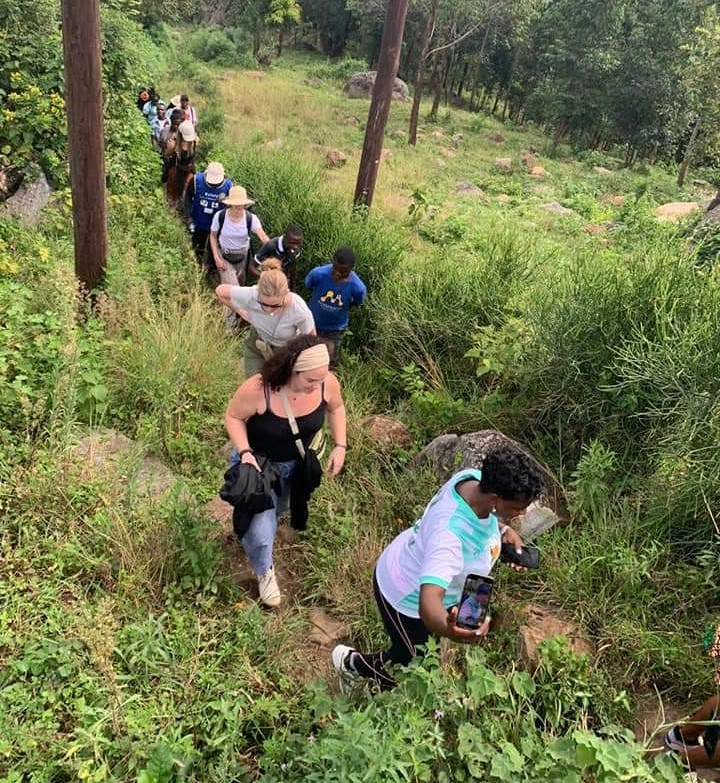
Tourism-based development is being formalized as a developmental tool for building not only the tourism industry, but the entire region’s communities, by opening up communities as attractions with definable modus operand with achievable goals. The process is guided by industry standards of health, safety and regard for the environment.
Community-based tourism development empowers people to be more aware of the value of their community assets – their culture, heritage, cuisine and lifestyle. Communities are mobilized to convert these into income generating projects while offering a more diverse and worthwhile experience to visitors. Every citizen is a potential business partner to be trained in small business management, environmental awareness, product development and marketing. This type of ‘people-centered’ tourism promotes a sense of ‘ownership’ which augurs well for the industry’s sustainability.

In community based tourism project, implementers partner with the community and other local partners to provide clients foods, marketing, accommodation or other expertise. Subject to agreement to the ideals of supporting community development and conservation, and to planning the development in partnership with the community. This community based tourism has two fold benefits to achieve;
Benefit 1: Tourism that benefits local people: Tourism which is community-based is a form of tourism which aims to include and benefit local communities, particularly indigenous peoples and villagers in the rural communities. For instance, community people might host tourists in their village, managing the scheme communally and sharing the profits. In this community based tourism project, the ‘community’ works with the implementer (the host organization), ensuring that all community tourism projects give local people a fair share of the benefits/profits and a say in deciding how incoming tourism is managed.

Benefits to the Community include;
1. Brings recognition and attention to the community
2. Adds value to a community’s economy
3. Diversifies economic activity in a community
4. Provides an alternative to unsustainable forms of income such as poaching or logging, thus helping safeguard the livelihoods and wellbeing of both locals and indigenous peoples
5. Natural resource-based conservation, where the main product is wildlife or natural-resource related
6. Ensures Cultural conservation
7. Tourism income is more likely to remain in the community
8. Encourages community pride and protection of community resources
9. Involves and encourages the participation of women and youths e.g. Women in tourism associations, Youths in tourism associations, Association of PWD in tourism etc.
Benefit 2: Tourism that benefits visitors: These community tours open up a world of adventure and opportunity. Sometimes guests take the opportunity to visit the National Parks at some days, trek through the mountains; experience the magic of the Uganda’s hot springs, enjoy happy moments with local art and music while learning a great deal of Ugandan tradition and cultures.
Good community-based tours take visitors beyond mainstream tourism. Tourists meet people from different cultures and learn far more about them and their culture than on conventional tours. Tourists feel better knowing that their visit is genuinely helping their hosts. And if they want to simply lie on the lake side…. well, there are tours here that feature some of the best lakeshore experiences on the planet. Benefits to the Guests include;
1. Receives an authentic experience and learns first-hand about the community from a local guide
2. Has an opportunity to create a deeper connection to the community
3. Knows exactly where the money will go and can feel good about it
4. In the case of ecotourism, achieves a win-win benefit for supporting natural heritage conservation
5. Gets a unique look at a particular destination of choice
6. Receives personal tour, individualized service, and attention
7. Opportunity to make a long lasting impact in the hosting community
Community based tourism ensures that it….
1. Is collaborative, is run with the involvement and consent of local communities. (Local people participate in planning and managing the tour).
2. Gives a fair share of profits back to the local community. (Ideally this includes community projects (health, schools, women groups, child care centers, refugee settlements etc).
3. Involves communities rather than individuals. (Working with individuals can disrupt social structures.)
4. Is environmentally sustainable. (Local people are involved if conservation projects.)
5. Respects traditional culture and social structures.
6. Briefs guests before the trip on appropriate behavior.
7. Doesn’t make local people perform inappropriate ceremonies and events
8. Gives communities the right to accept or to reject tourism activities.
9. Finds and defines the fit between the community and tourism,
10. Makes tourism sites and activities come alive,
11. Focuses on quality and authenticity,
12. Preserves and protect natural and artificial resources.
When we speak of community-based tourism, the most popular image tends to be a rural village far from the beaten path, and for good reason, most are. Examples include Kigezi and communities in the Rwenzori region.
Rural community based tourism in the Rwenzori region, for example, is a showcase of conservation of large tracts of virgin rainforest, reforestation work and organic agriculture. Travelers can support this work through their visits. While it’s a romantic notion to limit one’s notion of community tourism to rural settlements, the concept of ‘community’ can easily be linked to urban populations.
Successful community based tourism is mutually beneficial for the communities and for the travelers. The big question is where to go? Community-based tourism succeeds when it achieves mutual benefits for locals and visitors.
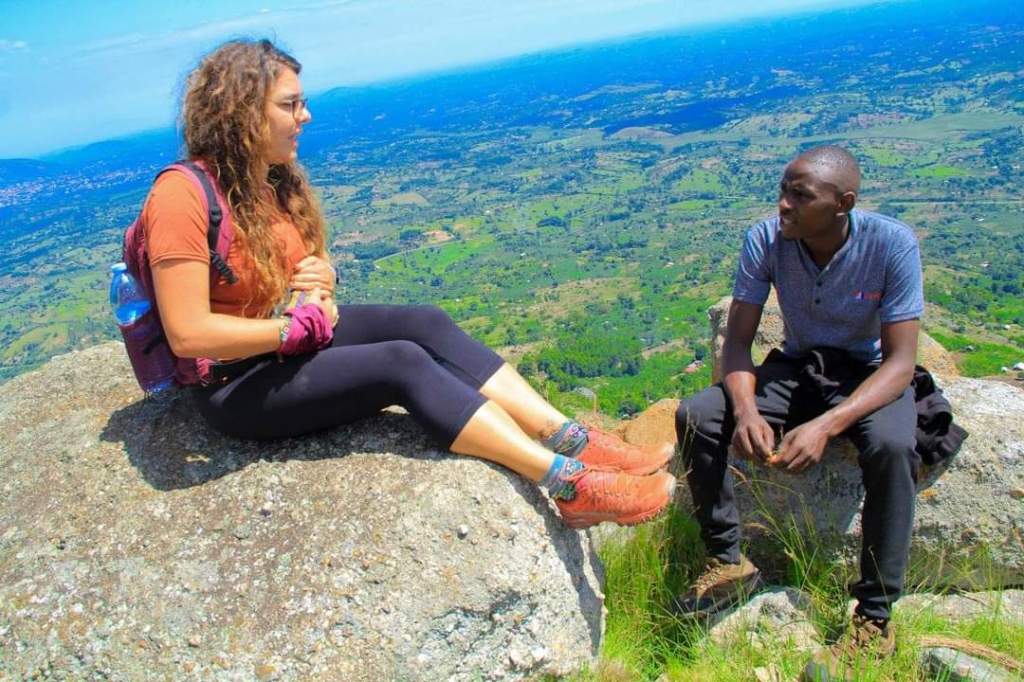
Integration of Abroad Volunteer Programs with Tourism Development:
Integrating volunteers from abroad into tourism and development offers great benefits to the hosting communities. The focus of a service-learning volunteer experience is for volunteers and interns to expand their own knowledge while at the same time helping to educate local community members in sustainable developments. Volunteers have the opportunity to become fully immersed in Ugandan culture as they live, work, learn, and play among local families, staff in both rural and semi-urban settings.
While there is a large concentration of Volunteer programs in Kampala, most good volunteer programs are in rural setting. Working on these volunteers’ projects is always challenging, but ultimately very rewarding. Also by hosting volunteers on given community projects helps improve the Quality of Life for People in the rural communities.
Volunteers who come on these programs experience traditional Ugandan life and participate in daily activities such as visiting elderly villagers, collecting water from a well, teaching children in and outside classrooms, assisting in the brick making programs, feeding animals as well as health outreach programs. These programs serve the most vulnerable community members in the region.
Most community development projects including poultry house construction and repairs, home repairs, health/HIV/AIDS workshops, youth education, animal rearing, water and sanitation (including well and waterway construction) and project planning and management or other skills that can help us transform communities are available for use as areas for volunteers from abroad.
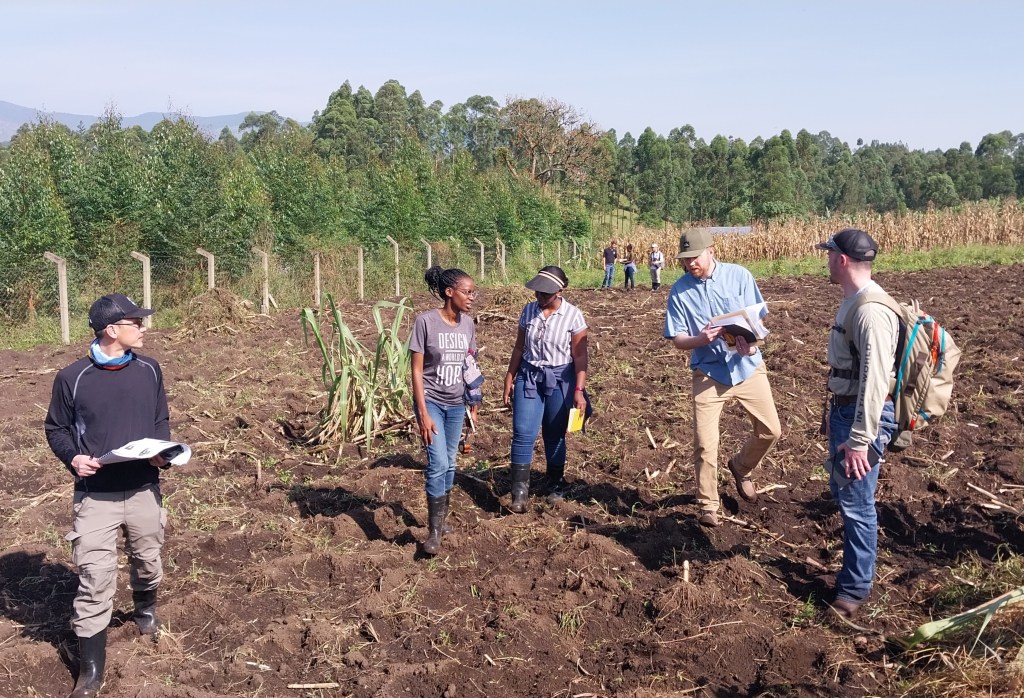
The women and youths need skills for self-reliance and sustainable livelihoods. They need training in the most valuable and marketable skills for employment in the market place and self-employment in their homes and business. Most volunteers like working in this area.
This Volunteer hosting program allows volunteers to discover the nature wonders of the region, while doing meaningful and rewarding community work. This is a great opportunity for them to explore life in rural Africa, live and work amongst the locals and realize one person can make a difference.
It is always important for potential volunteers to understand that the culture in Uganda is quite different from what they are accustomed to. Volunteers should bring with them an easy-going, open-minded and relaxed attitude.
Volunteer programs are designed in a way that allows volunteers to discover Uganda first-hand, since most times they are living with a Ugandan host while serving as the family’s and community’s teacher and learner at the same time.
Volunteering in Western Uganda can be a fantastic opportunity for students, high school graduates as well as professionals who want to reach for a world beyond their horizon. They therefore want to experience Uganda first hand and share the experiences life has taught them, while immersing into one of the world’s oldest and richest cultures. It is an adventure, a challenge, an investment in a volunteer’s future. Western Uganda Communities are focused on the future and volunteers are interested to be a part of it.

Therefore, Volunteers who come to Western Uganda communities need to experience a wonderful new perspective of this incredible part of the country. They need to be living with Ugandan hosts, an opportunity to learn while serving. They will make an important contribution, whatever their skills, by improving standards of living, offering skills and giving confidence to local people that comes from being able to communicate with an international native.
Most volunteers leave a mark and a name in Uganda when they reach out to the young people in schools or in community and provide their practical skills for their future carriers.
In Uganda most business entrepreneurs look for great numbers of extra staff, and they should be happy to accept volunteers from abroad. Work placement for volunteers can range from hotels and catering, agro-processing, to business management. There are also opportunities available in childcare, conservation work, schools and health care. Working with especially Women and Youths, volunteers can teach them handcraft, computer, carpentry, cooking, tailoring, fabrication, metal-works, mechanics and driving or gardening. These are the skills that Ugandan youths and women need most today.
Institutions hosting volunteers from abroad need to arrange suitable accommodation and food. Most volunteers from Abroad pay good money for the services and hospitality they get from the hosting institutions and communities.
This is a new form of revenue for host institutions and communities. However, most of the benefits for the communities come from services and skills offered by volunteers, and chances are high that a volunteer from abroad will continue to support their host institutions and communities with sustainable projects when they return to their country of origin. Most volunteers will always recommend their friends and families to come to a community where they were treated well.
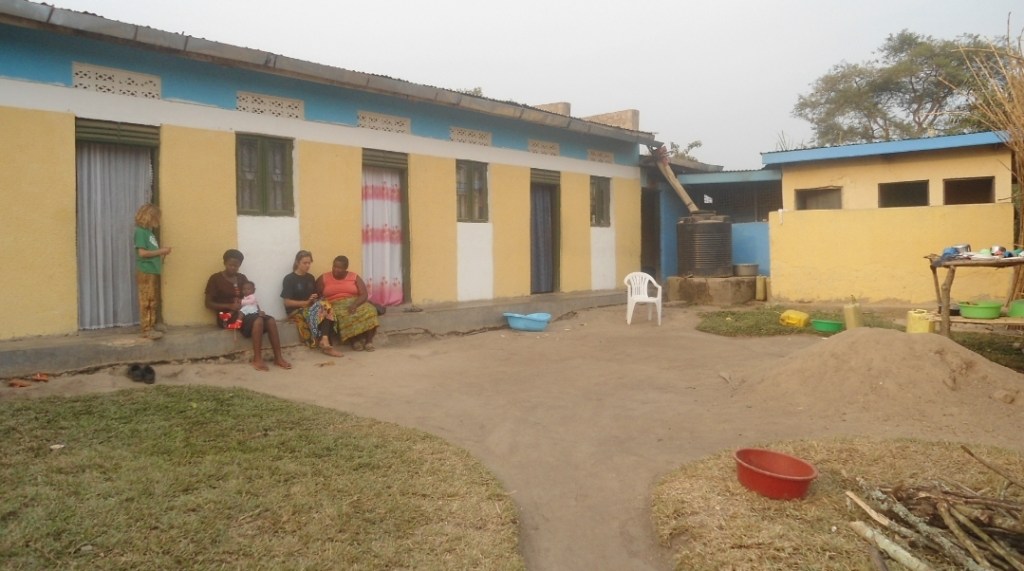
Key Features and Principles of the Community Tourism at Kitara Foundation:
The keys to a successful Community Based Tourism program are in the key principles outlined here;
1. Tourism that is collaborative; is run with the involvement and consent of local communities. (Local people participate in planning and managing the tours).
2. Tourism that gives a fair share of profits to the local community. (Ideally this includes community projects (health centers, schools, women groups, youth’s groups, etc).
3. Tourism that Involves communities rather than individuals. (Tourism through individuals can disrupt social structures)
4. Tourism that is environmentally sustainable. (Local people are involved if conservation projects)
5. Tourism that respects traditional culture and social structures. Locals brief guests before the trip on appropriate behavior.
6. Tourism that gives communities the right to accept or to reject tourism activities in their community.
7. Tourism that finds and defines the fit between the community and tourism activities,
10. Tourism that makes sites and activities come alive before the community and the visitors,
11. Tourism that focuses on quality, standard, authenticity and sustainability
12. Tourism that preserves and protects people and their resources.
13. Tourism that provides an alternative to unsustainable forms of income such as poaching or logging, commercial sex, thus helping safeguard the livelihoods and wellbeing of local people
14. Tourism that involves and encourages the participation of women and youths e.g. Women in tourism associations, Youths in tourism associations, Association of PWD in tourism etc.
15. Tourism that takes visitors beyond wildlife, meet people from different cultures and learn far more about them and their culture. (https://kitararcc.com/2023/03/21/uganda-a-life-changing-experience/)
16. Tourism that gives visitors a feeling that their visit is genuinely helping their hosts. A visitor knows exactly where their money will go and can feel good about it
17. Tourism that gives visitors an authentic first-hand experience about the tourism activities from the community based local guides
18. Tourism that gives visitors an opportunity to create a deeper connection to the community through interactions
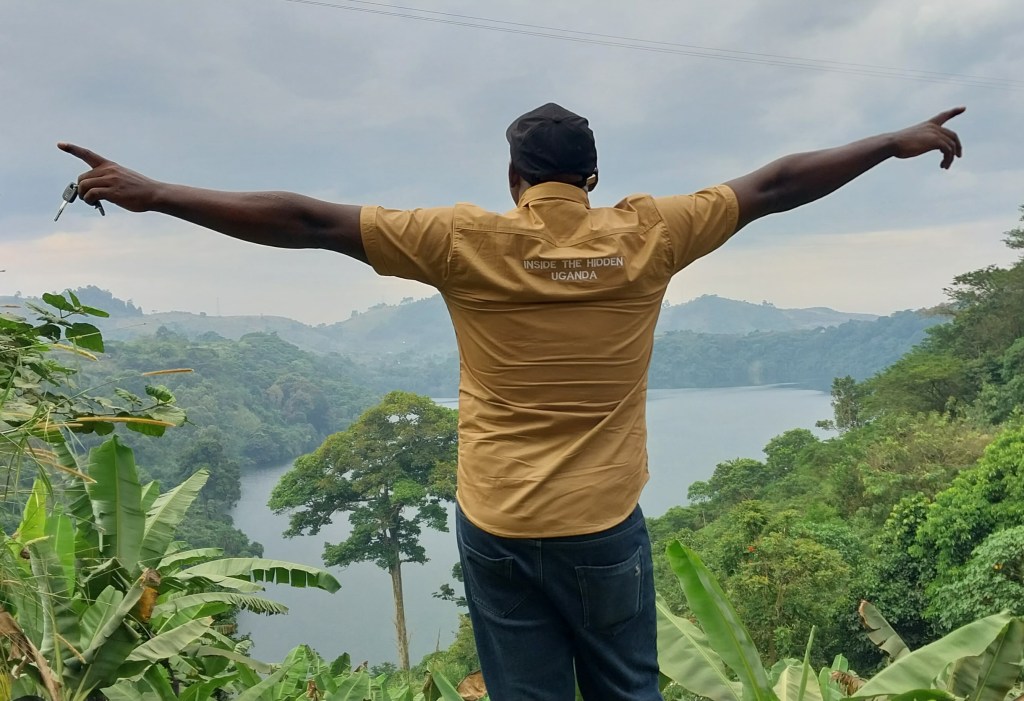
 COMMUNITY BASED TOURISM DEVELOPMENT AT KITARA FOUNDATION FOR SUSTAINABLE TOURISM: Transforming Communities through Travel Partnerships. Email: kitararcc@gmail.com;