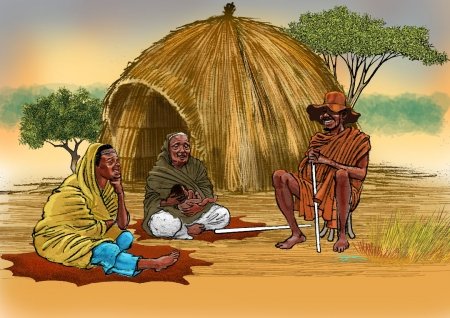
The Kitara Cultural tours, cultural villages and cultural festivals is a Cultural Tourism Signature in Uganda, with the theme. “Appreciating who we are; celebrating Cultural Diversity”
An Immersive Eco-Tourism Experience

Kitara Cultural Village will offer visitors a unique opportunity to immerse themselves in Kitara’s rich tapestry of cultures and traditions. The cultural villages provide a carefully curated day-long itinerary that engages and exposes tourists to a wide array of cultural experiences, including traditional dances, music, drama, and traditional games.

Traditional Lifestyle Experience in Kitara Cultural Villages
Visitors to Kitara Cultural Villages have the chance to partake in and witness various aspects of traditional Banyakitara life, including:
- Traditional Cooking: Engage in and observe the art of traditional Kitara cooking, experiencing the flavors and techniques passed down through generations.
- Farming and Fishing Expedition: Experience firsthand the traditional methods of farming and fishing, gaining insight into the integral roles these activities play in Ugandan culture.
- Dress Code: Learn about and even don traditional attire, gaining an appreciation for the significance and symbolism behind the clothing.
- Storytelling and Curations: Engage in captivating storytelling sessions that shed light on Kitara’s folklore and traditions.

Guided Trails and Indigenous Knowledge in Kitara
In addition to these immersive experiences, Kitara Cultural Villages offer guided trails that focus on indigenous foods, fruits, livelihood activities and herbs. Visitors have the opportunity to learn about the diverse array of flora that holds cultural and medicinal significance in Kitara.

Preserving Tradition Through Eco-Tourism
Kitara Cultural Villages serve as a vital platform for the preservation and celebration of Kitara’s cultural heritage. By offering visitors an authentic and educational experience, the cultural village plays a crucial role in safeguarding traditional knowledge and practices for future generations.
Kitara Cultural Villages stand as a testament to Kitara’s commitment to preserving and showcasing its rich cultural diversity. Through its immersive eco-tourism experiences, the cultural village offers visitors a window into the traditions, customs, and lifestyles that have long defined Kitara’s identity. For those seeking an authentic and enlightening cultural journey, Kitara Cultural Villages are undoubtedly a must-visit destination in Uganda.
Significance of the Kitara Cultural Villages in Uganda
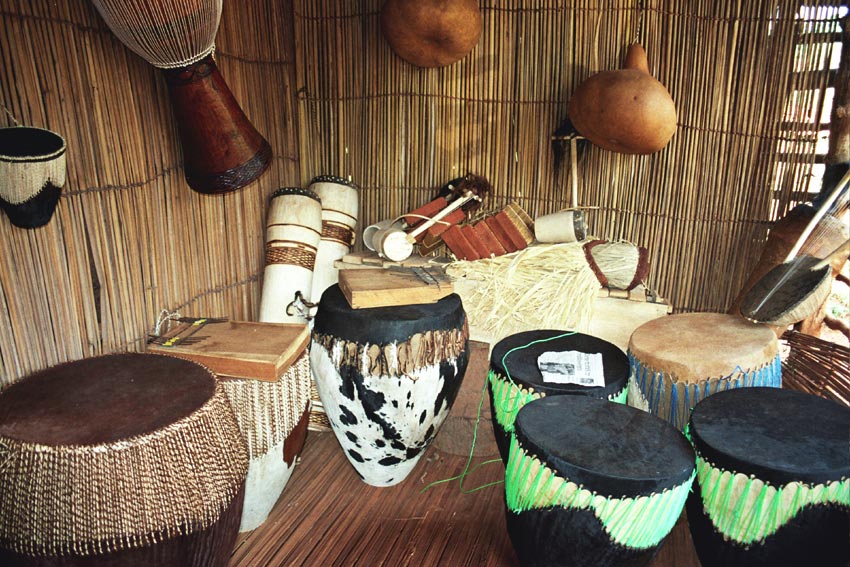
Traditional dances and music hold profound cultural significance in Uganda, serving as important conduits for storytelling, community bonding, and the preservation of heritage. These art forms are deeply rooted in the country’s diverse ethnic groups and play a pivotal role in various social and ceremonial contexts. Here are some key points highlighting the cultural significance of traditional dances and music in Uganda:
- Storytelling and Oral History: Traditional dances and music often convey stories of historical events, legends, and moral lessons. Through rhythmic movements and lyrics, these art forms serve as living archives of Uganda’s rich oral traditions, passing down knowledge from one generation to the next.
- Community Bonding: Traditional dances and music foster a sense of community and belonging. They are integral parts of social gatherings, celebrations, and rituals, bringing people together to share in the collective expression of cultural identity.
- Ceremonial Functions: Traditional dances and music are central to various ceremonial functions such as weddings, initiation rites, and harvest festivals. They lend a sense of solemnity and festivity to these occasions, reinforcing cultural values and traditions.
- Expression of Identity: Different ethnic groups in Uganda have their own distinct traditional dances and music, which serve as expressions of their unique cultural identities. These art forms showcase the diversity and vibrancy of Uganda’s cultural landscape.
- Preservation of Cultural Heritage: By showcasing traditional dances and music to visitors, cultural centers like Kitara Cultural Villages contribute to the preservation and promotion of these art forms. This helps safeguard Kitara’s cultural heritage and instills a sense of pride in the country’s traditions.
In summary, traditional dances and music in Kitara are not merely forms of entertainment; they are living expressions of the country’s history, values, and identity. Their cultural significance extends far beyond the realm of performance, touching the very essence of what it means to be Ugandan.
Kitara Annual Cultural Festival (KACF):
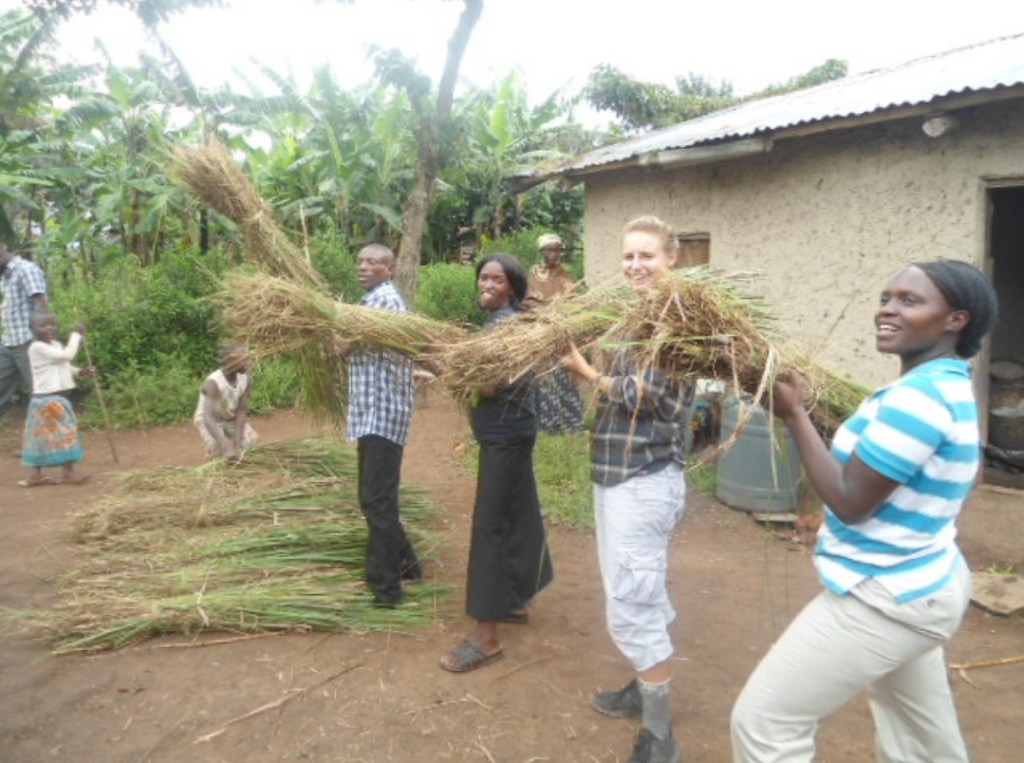
Several cultural fairs and festivals have been run on National, Regional and local levels, but none has been meant to recognize and appreciate the unique historical features of Kitara Region as a cultural section on the globe. The Kitara Cultural Festival will be running each year under the theme “Appreciating who we are; celebrating Cultural Diversity”; The festival is an opportunity to showcase the different cultures that make the Kitara region so diverse and unique on this continent and in Uganda in particular.
“The fair will establish a platform where the different groups of Banyakitara can celebrate, appreciate and explore a diversity of cultures alongside their own.”
The event is inspired by key roles culture plays in the development of nations that it cannot be ignored. “Culture is a strong part of people’s lives. It influences our values, hopes and world view.”
At the Kitara Cultural Festival, the young generation will be given special focus through the school cultural quiz competitions. Schools both Primary and Secondary are invited to offer an opportunity to the young generation to learn about different cultures and be inspired.
The events come a few years after the Ministry of Tourism signed a memorandum of understanding with the Province of Hainan from China. They (Province of Hainan) want to bring tourists to Uganda and to many of them culture is the key attraction.”
We recognize the relevance of art and culture in social and economic development as well as individual human development. We envision a vibrant art and culture sector that is professional, creative and viable and contributes to social and economic development in Kitara region. Fair Missions is therefore dedicated to contribute to making Kitara region a significant hub for art and culture in Uganda and led by its values of respect, shared leadership, transparency, accountability, learning, and collaboration.
Kitara has different cultures than the rest of the regions of Uganda. In the rest of the country we read information, we read stories, books, in Uganda there are books, there is written information but there is something else in Kitara, we sit under the ancient tree and around the ancient fire place as the story-teller uses words to weave a tapestry in one’s mind with his or her words, we have art and cultural dance and music.
Children love to hear the adults speak and sing, they relate to them, relate to the characters in their tales, and love the gentle rhythm of the songs and the words that allow children to see the possibilities in life.
Kitara Traditional Cultural Fair
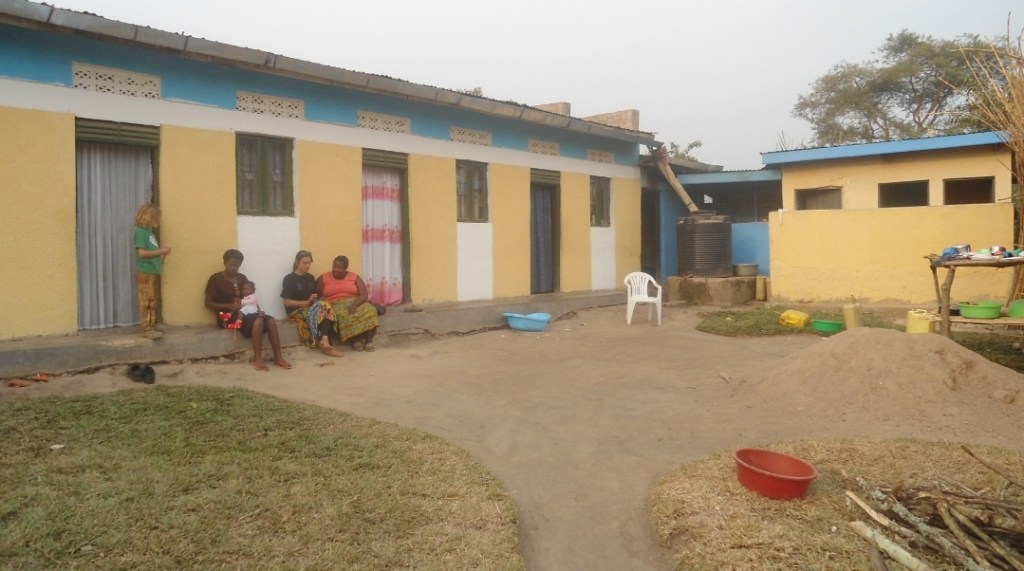
The fair will always be on a set of items to attract talented stewards of different cultural attributes in their original form. The Kitara Cultural Fair is in six folds as shown below: –
- Traditional dance. In troupe, presenters will stage a dance taking 5-8 minutes. This item will showcase original dance. Adjudicators will identify the best, based on originality, expression of purpose, clarity of the message, authenticity of props and costumes, artistry of instruments, vocal endowments, organized presentation and other quality issues. A dance that is so forgotten and well-presented will attract more marks.
- Folk song. The competition will accept songs presented as solo or in group (4-6 minutes). The solo accompanied with traditional musical instrument such as omukuri/umuduri, enanga, endingiri, akakyenkye, engoma will attract more marks; however unaccompanied solo (vocal) will be accepted. All group songs should be accompanied and dramatic. Adjudicators will observe vocal and instrumental originality and quality of symphony; the purpose and clarity of message, variations and pitch, stage use, props and costumes will be graded and rated. Folk solo can be ebizaano by’ente/amahamba y’inka, ebyeshongoro/ebizina byokuramya/indirimbo y’ogusenga, kusingiza/gusingiza, kutabaara/gutabaza, kutonganirira, kusharuura/gusaruura, other social activities will be accepted. No solo without clear meaning should pass stage 1.
- Rhetoric. For the purpose of the competition, rhetoric means and includes ebyevugo/ibyivugo or emigunju/imivugo (poems). Rhetoric expressing love (like imitooma in rufumbira), victory over enemy or challenge, supplications and others will be considered.
- Puzzles. Participants will compete in challenging puzzles in form of riddles (ebishakuzo/ibisakuzo) and structured challenging puzzles (amahurizo in rufumbira). Representatives of groups or individuals will come up to challenge each other at the stage. Candidates will be those trusted to pose or/and answer most challenging puzzles. Those who pose unfamiliar but original puzzles will earn more marks. Those whose puzzles are hard to pass will gain more marks.
- Modeling. Participants will showcase traditional dressing in form of attire and hair style according to their own traditions. Original beauty enhancement (neck, arms, legs, markings) will attract more marks. Clarity of models as children, adolescents, singles, married men/women and elderly will be sought.
- Exhibition. Participants will be requested to exhibit collections of traditional items used in warfare, worship, marriage, political set-up agriculture, household utensils and other areas. Originality, correct explanation about the purpose, the art of display, skills of communication of the exhibition narrator will attract more marks
Special consideration will always be given to participants with ability to trace back their genealogy for great grandfathers. The one with longest genealogy (subjective authentication) will be awarded.
For more about Kitara Cultures and Kitara Cultural sites visit our page https://kitararcc.com/kitara-cultural-sites/
Book your participation by feeling the form bellow


 COMMUNITY BASED TOURISM DEVELOPMENT AT KITARA FOUNDATION FOR SUSTAINABLE TOURISM: Transforming Communities through Travel Partnerships. Email: kitararcc@gmail.com;