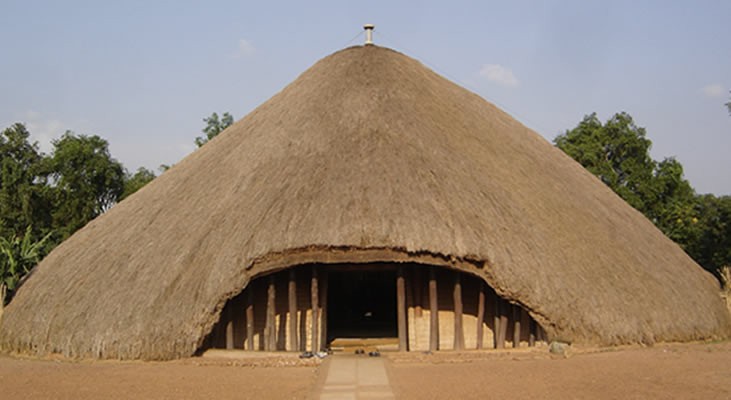
The Vibrant Tapestry of Kitara: A Land of Heritage and Potential
Step into the heart of Western Uganda, a realm known as Kitara, where the legacy of ancient empires intertwines with a vibrant present. Here, the Bantu people, a diverse group bound by related languages and shared social threads, form the dominant tapestry of life, representing over half of Uganda’s total population. Within this significant family reside the Banyoro, Banyankole, Bakiga, Bafumbira, Batooro, Bakonjo, Bamba, Batwa, and the unique Batagwenda – each a distinct thread enriching the cultural fabric of Kitara. While the earliest inhabitants, the Stone-Age people, have long since faded into the annals of history, absorbed or succeeded by waves of agriculturists and pastoralists in the first millennium A.D., their presence whispers beneath the soil.
From this rich historical soil has sprung Runyakitara, a linguistic bridge uniting four closely related dialects of western Uganda: Runyoro, Rutooro, Ruchiga (or Rukiga), and Runyankole. In a nation where linguistic diversity reigns, with no single language spoken by more than 20% of the population, Runyakitara has emerged as a powerful unifying force. While Ugandans across the nation speak a myriad of Sudanic, Nilotic, and Bantu tongues, the people of Bunyoro, Tooro, Ankole, and Kigezi find a unique resonance in Runyakitara, often understanding each other with ease. Yet, the nuances of written expression present a shared challenge, where subtle differences in pronunciation and spelling can lead to confusion – a testament to the rich, yet sometimes intricate, tapestry of their linguistic heritage.
The very name “Kitara” evokes the grandeur of the legendary Kitara Empire, a vast and influential ancient state that once stretched from its heartland in present-day Hoima to the distant reaches of Kagera in Northern Tanzania – the largest African ancient state south of the Sahara. In modern times, this powerful historical echo has been deliberately rekindled, serving as a unifying banner for the Batooro, Banyoro, Banyankole, and Bakiga – four ethnically and linguistically kindred groups inhabiting the resplendent landscapes of Western Uganda.
Unveiling the Boundless Potential of Banyakitara:
The land where the Banyakitara reside, affectionately known as the Kitara area, is not merely a geographical space; it is a treasure trove of natural and cultural riches, a testament to nature’s bounty and centuries of human experience.
1. A Symphony of Natural Heritage:
When Winston Churchill famously declared Uganda the “pearl of Africa,” he stood amidst the breathtaking beauty of the Kitara region. One could argue that Kitara itself is the “pearl of Uganda,” a land where shimmering lakes mirror majestic mountains, where verdant forests meet sprawling savanna plains, and where rolling hills embrace fertile valleys. The very soil and climate conspire to create an agricultural paradise, ideal for nurturing life and sustaining communities. Sparkling crater lakes dot the landscapes of Fort Portal and Kabale, while beneath the earth around Lake Albert lie significant oil deposits, a source of both potential and profound responsibility. Useful stones are found in Kyaka, while the vast grasslands of Butuku, Busongora, and Ankole support thriving cattle populations. The volcanic hills of Rusekere rise dramatically from the earth, and the hot springs of Bunyangabu and Semuliki offer a glimpse into the planet’s fiery heart. This rich natural endowment is not merely scenic; it is the foundation upon which prosperity and sustainable development can be built.
2. An Exquisite Tapestry of Cultural Heritage:
The region encompassing Tooro, Ankole, Kigezi, and Bunyoro stands as a vibrant testament to humanity’s cultural ingenuity. Within Kitara’s embrace lie unique cultural practices, such as the cherished tradition of pet names found in Bunyoro and Tooro, a custom that adds a layer of intimacy and belonging to social interactions.
Kitara’s cultural landscape is further enriched by the interplay of three distinct subcultures: the agriculturalist and hunter-gatherer traditions of the Abairu, the pastoralist heritage of the Abahuma, and the regal customs of the royal lineages – the Ababiito of Bunyoro and Tooro, and the Abahinda of Ankole. Each subgroup carries its own unique history, dialects, and material expressions, contributing to the rich and multifaceted Kitara cultural mix.
The royal cultures themselves are steeped in history, divided into four significant dynasties: the Abatembuzi, Abacwezi, Abahinda, and Ababiito. Each dynasty has left behind a legacy of relics, historical sites, and captivating narratives. A visit to the mystical Nyakasura Mabeere Ganyinamwiru, with its striking stalagmites and stalactites, whispers tales of the ancient Bacwezi. The sacred Karambi Royal Tombs offer insights into the traditions of the Babiito. Scattered across the region are clan ancestral sites, such as the Gweri cradle land for the Bagweri, the Abasiita ba Mbale, and the Abafumambogo ba Mweri, each a vital link to the past.
The Banyakitara possess a rich and diverse artistic heritage, expressed through captivating music, enchanting folklore, and a vibrant oral literature. A Mutooro storyteller, for instance, can weave tales and songs from dawn till dusk without repetition, showcasing the depth and breadth of their cultural repertoire. The rhythmic sounds of the Orunyege dance, the majestic melodies of the Amakondere trumpets, the soulful strings of the Enanga harp, the powerful resonance of the Kwebuga engoma Nyakahuma royal drum, and the celebratory dances like Ebizina by’ente (cattle dances) and Ebiziina byokuswera (marriage dances) paint a vivid picture of their cultural expressions. Journey to Ankole and Kigezi, and you will discover equally rich and distinct artistic traditions.
The culture of the Batooro and Banyoro alone holds the potential to create a magnificent museum and theatre, a living testament to their heritage. Yet, this invaluable stock of knowledge and cultural wealth is facing the risk of erosion, and its custodians are equally vulnerable. Recognizing that every element of creation holds potential value, the Banyakitara must embrace their cultural heritage as a vital resource for the present and the future. A discerning eye sees opportunity where others see only the past.
3. A Reservoir of Human Resource Potential:
The very name Abatooro carries a profound meaning: “people set for a ceremony.” This etymology speaks volumes about the qualities associated with this group – an inherent sense of elegance, neatness, and an appreciation for beauty. At the heart of the Banyakitara identity lies the deeply ingrained belief in Obuntu, or humanness, a philosophy that places paramount importance on the inherent worth and dignity of every individual. When the ancestors in Tooro were asked, “Omutooro Kintuki?” (Who is a Mutooro?), their simple yet profound answer was, “Omutooro muntu” (A Mutooro is a person). This is not merely a simplistic definition but a deeply philosophical understanding of what it means to be human.
Similarly, the Banyamwenge men were historically and metaphorically referred to as “enjoki” or bees, giving rise to the ancient saying, “Abanyamwenge njoki eziihwa no muuro” (The Banyamwenge are bees that emerge even from fire). This signifies qualities of bravery, assertiveness, and a strong capacity to defend the socio-economic interests of their community. The crucial question for the contemporary Munyakitara is how these inherent qualities of elegance, humanness, and bravery can be harnessed to foster competitiveness and progress in today’s world.
4. A Foundation of Historical Advantage:
Historically, the Banyakitara were organized societies governed by sophisticated monarchical systems. During the colonial era, the Banyakitara aristocracy readily engaged with the global stage, forging connections with British royalty, pursuing education at prestigious institutions like Oxford University, serving as ambassadors, and contributing to international organizations such as the United Nations.
The pertinent question that arises today is how this historical advantage has been translated into tangible strength and empowerment for the contemporary Munyakitara. If this transformation has not fully materialized, it is crucial to understand the underlying factors that may have hindered this progress. The Banyoro, for example, under the leadership of Kabalega, mounted a formidable resistance against colonialism through armed struggles, exemplified by the renowned ‘Nyangiire rebellion,’ demonstrating a spirit of resilience and self-determination.
Throughout history, the Kitara region has been a center of excellence in the provision of social services, including education, health, and administration. Galihuma in Mwenge served as the ancient “university” of the Bunyoro Kitara empire, where the children of royalty and chiefs were educated in the official language, societal norms, and the art of governance. In colonial times, Nyakasura School stood as one of the three most prestigious national educational centers, alongside Kings College Budo in Buganda and Mwiri in Busoga, highlighting Kitara’s historical commitment to education.
5. The Promise and Peril of Discovered Oil:
The discovery of oil in Lake Mwitazige (Lake Albert) presents both immense potential and significant challenges. This valuable natural resource has the capacity to attract considerable attention and the influence of powerful global actors. In a world often governed by the principle of “survival of the fittest,” a lack of organization and unity in the face of such powerful interests can be perilous. It is akin to a poor individual possessing a highly coveted treasure, requiring careful stewardship and collective strength to ensure its benefits are realized and its potential pitfalls are avoided.
The Socio-Cultural Resilience of Banyakitara in Contemporary Development:
To understand the resilience of the Banyakitara as a distinct cultural identity in the face of contemporary socio-evolution, we can use the metaphor of “Ekikoro” – the stork.
a) The Capacity to Preserve the “Ekikoro” Stork:
A stork represents the origin and the enduring essence of a system that grows, expands, spreads, and develops. The ability of a social group to maintain its identity is intrinsically linked to its capacity to preserve its “Ekikoro” – its cradle land or ancestral sites. In anthropological terms, this “Kikoro” signifies a place of origin, a tangible link to the past. When a family, clan, ethnic group, or race loses its “Kikoro”, it risks losing its very identity.
Kitara is the ancestral home, the “Kikoro”, of the social group who identify as Banyakitara. Maintaining these places, or at least a significant part of them, is crucial for preserving their collective identity.
In the context of contemporary social evolution, socio-cultural groups often navigate four potential pathways:
- A Strong Group: Its culture becomes dominant, assimilating weaker groups into its accepted norms and civilization.
- A Normal Group: It maintains its distinct identity while actively competing and interacting with other groups.
- A Conservative Group: It stubbornly resists change and assimilation, often leading to its marginalization within society.
- A Weak Group: It completely relinquishes its identity and becomes absorbed into other cultural groups.
The third category aligns with the United Nations’ definition of indigenous peoples, who are afforded legal instruments and programs to protect their right to maintain their identity and way of life. To qualify for such protections, these groups must demonstrate two key characteristics: a resolute determination to preserve their identity and a strong spirit to defend their ancestral territories.
In his seminal work, “Kigezi and its People”, the late Paul Ngologoza, a pivotal figure in the development of modern Kigezi, offered profound advice to his Bakiga kin: “I would, in writing this, like to remind the settlers that even if they become rich and change their mother tongue; they should remember the proverb ‘even hot water eventually cools (Gatagata munonga tigebwa wa beene mbeho). They must never forget the good customs and characteristics of the Bakiga, not forget their own language and they must feel in their bones that they are Bakiga remembering where they used to live.’” (Ngologoza, 1998:98).
As a result of this enduring wisdom, the Bakiga, even as they migrate and settle in new areas, often adhere to three key practices:
- Maintaining their ancestral land in Kigezi intact and under their control.
- Preserving strong socio-economic ties with their Kigezi origins.
- Establishing regular transport links, such as daily buses, connecting their settlements to Kigezi.
- Extending their cultural reach through media, such as establishing subsidiary mini-stations of Kigezi radio in their new settlements.
Within their diverse settlements, the Banyakitara exhibit certain internal dynamics that require attention and harmonization for the overall regional development of Kitara. Intrinsic factors, rather than external pressures, often determine the thriving or decline of a social group. For example, the Batooro tend to gravitate towards urban centers, engaging in petty trade and clerical work, while the Bakiga often seek land for cultivation. Consequently, those seeking undeveloped rural land are less likely to find it in Ankole, Kigezi, or Bukonjo, where indigenous communities have largely utilized the land and are instead migrating in search of new opportunities. Conversely, Tooro and Bunyoro often present areas of underutilized land as indigenous populations migrate towards urban centers. The prevalence of areas known as “Kitooro” in many emerging towns across Uganda, often characterized by concentrations of unskilled laborers, reflects this trend. Addressing these internal dynamics with a strong sense of shared cultural identity is crucial for the unified progress of the Kitara region.
The intermingling of Banyakitara across the region is a significant demographic trend. For instance, around 1995, as Tooro began experiencing substantial immigration from other Kitara areas, the indigenous Batooro population in the Tooro region was approximately 95 percent. Today, it is estimated to be around 55 percent and is projected to decrease by about 1 percent annually, highlighting the dynamic demographic shifts within the region.
What the Banyakitara in Diaspora Can Do:
Those Banyakitara who live and work outside the Kitara region hold a significant potential to contribute to its development by:
- Creating and Maintaining Connection and Developmental Linkages: Establishing strong ties between their current places of residence and work in the West and their ancestral roots in Kitara.
These linkages can take various forms:
- Programming Linkages: Initiating projects that facilitate the flow of resources and expertise between the West and Kitara, such as programs that mobilize resources in the diaspora to implement social development initiatives in Kitara.
- Business Linkages: Developing projects that promote and market the unique cultural products of Kitara in Western markets, including handicrafts, ornaments, folklore, music, and other artistic expressions. In an increasingly globalized world, culture is becoming a valuable commodity, and the unique traditions of pre-industrial societies hold a particular allure.
- Information Linkages: Recognizing that effective information and communication technologies (ICTs) are drivers of modern development, efforts should be made to bridge the digital divide. The disparity in the speed and efficiency of information transaction between Kitara and the West hinders progress. Initiatives aimed at improving access to and utilization of information technologies in Kitara are crucial.
- Institutional Linkages: Fostering collaborations and partnerships between cultural organizations based in Kitara, such as Engabu Za Tooro or Kitara Cultural Performers, and Banyakitara Associations established in Europe and other parts of the world.
- Social and Spiritual Linkages: Maintaining strong personal connections with families, clans, and participating in social and spiritual ceremonies back home in Kitara. These ties reinforce cultural identity and provide a sense of belonging.
By embracing their rich heritage, harnessing their inherent potential, and forging strong connections both within the region and with their diaspora, the Banyakitara can chart a course towards a vibrant and prosperous future, ensuring that the “pearl of Uganda” continues to shine brightly for generations to come.
 COMMUNITY BASED TOURISM DEVELOPMENT AT KITARA FOUNDATION FOR SUSTAINABLE TOURISM: Transforming Communities through Travel Partnerships. Email: kitararcc@gmail.com;