
In Most parts of Africa, religion is a cultural spiritual part of life. Africans were from the beginning a spiritual continent. Let us take lessons from Uganda.
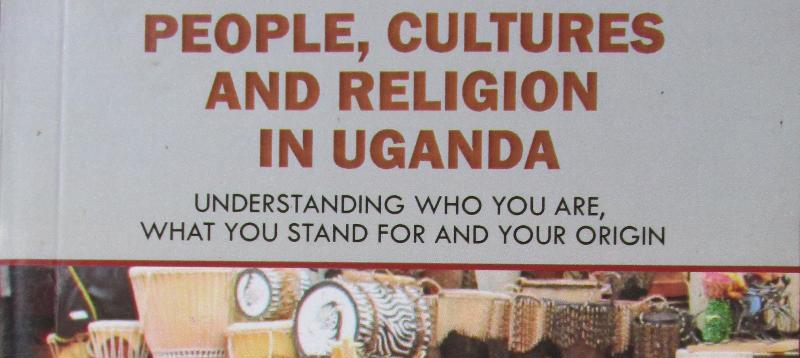
This book is a publication of Uganda Vision Resource Centre; in it you will read about different tribes and cultures in Uganda, their different cultures and information about the first religious steps in Uganda. You will read about various Nature destinations in Uganda. Download the book here; People, Cultures and Religion in Uganda
The Enduring Spiritual Tapestry: Religion and Culture in Uganda
Across the African continent, the threads of religion and culture are often so tightly interwoven as to be inseparable. Spirituality is not merely a compartmentalized aspect of life but rather a foundational lens through which Africans have traditionally understood and interacted with the world. From time immemorial, Africa has been a continent imbued with a profound sense of the spiritual, a heritage that continues to shape its people and their ways of life. To truly grasp this intricate relationship, let us turn our gaze to Uganda, a nation rich in cultural and religious diversity, offering valuable insights into this enduring connection.
A Historically Spiritual Land:
Uganda’s history, like that of many African nations, reveals a deep-seated spiritual consciousness that predates the arrival of Islam and Christianity. Indigenous beliefs and practices were intricately woven into the fabric of daily life, influencing social structures, governance, artistic expression, and the understanding of the cosmos. These traditional spiritual systems, while diverse across different ethnic groups, often shared common threads such as a belief in a Supreme Being (known by various names like Katonda among the Baganda and Ruhanga among the Banyankole), the veneration of ancestors as intermediaries between the living and the spirit world, and a deep respect for the spiritual significance of nature – from sacred groves and rivers to powerful mountains.
People, Culture, and Religion: An Inextricable Link:
In Uganda, as in much of Africa, one cannot speak of “culture” without acknowledging its inherent spiritual dimension. Consider the vibrant music and dance that accompany traditional ceremonies – they are not merely forms of entertainment but often serve as powerful means of connecting with the spiritual realm, invoking ancestral blessings, or marking significant life passages. The intricate artistry found in traditional crafts, from wood carvings to beadwork, often carries symbolic spiritual meanings, representing deities, ancestral spirits, or important cosmological concepts.
Furthermore, traditional Ugandan social structures were often underpinned by spiritual beliefs. Clan systems, for instance, frequently had associated ancestral spirits (Lubaale among the Baganda) who were believed to offer protection and guidance to their descendants. Leadership roles could also be intertwined with spiritual authority, with traditional rulers sometimes holding significant religious responsibilities.
Lessons from Uganda’s Religious Landscape:
Uganda’s contemporary religious landscape offers a compelling case study in the dynamic interplay between tradition and modernity, indigenous beliefs and introduced faiths. While Christianity (predominantly Anglican and Catholic, with a growing Pentecostal presence) and Islam are the dominant religions today, the influence of traditional African spirituality remains palpable.
- Syncretism and Coexistence: It is not uncommon to find Ugandans who identify with Christianity or Islam while still observing certain traditional customs or seeking the counsel of traditional healers. This phenomenon of syncretism highlights the enduring relevance of indigenous spiritual concepts and practices in navigating life’s challenges and maintaining a connection to cultural heritage. For example, one might attend church on Sunday and still participate in ancestral rituals to ensure familial well-being or seek traditional remedies alongside modern medical treatment.
- Cultural Expression within Faith: Both Christianity and Islam in Uganda have, to varying degrees, been Africanized, incorporating local languages, musical styles, and cultural expressions into their worship and practices. This indigenization reflects the deep cultural roots of the people and their desire to express their faith in ways that resonate with their cultural identity. The powerful hymns sung in local languages in Ugandan churches and the architectural adaptations of some mosques demonstrate this cultural integration.
- The Enduring Role of Traditional Specialists: Despite the presence of modern healthcare and religious institutions, traditional African specialists like diviners, herbalists, and spiritual healers continue to play a significant role in many Ugandan communities. They are often consulted for their understanding of spiritual causes of illness, their knowledge of traditional medicines derived from the local flora, and their ability to mediate between the living and the spiritual world. Their continued relevance underscores the enduring belief in the interconnectedness of the physical and spiritual realms, a cornerstone of traditional African thought.
- Religious Harmony and Dialogue: Uganda, despite its diverse religious landscape, has generally fostered a spirit of religious tolerance and dialogue. The Inter-Religious Council of Uganda, for instance, plays a crucial role in promoting understanding and cooperation between different faith communities. This commitment to peaceful coexistence is a testament to the deeply ingrained African values of community and respect.
Conclusion:
Uganda’s experience vividly illustrates that in many parts of Africa, religion is not a separate entity but an intrinsic dimension of culture and spiritual life. The continent’s historical spiritual consciousness continues to shape how people understand the world, interact with their communities, and express their faith, even in the face of new religious influences. The lessons from Uganda highlight the dynamic interplay between indigenous beliefs and introduced religions, the enduring relevance of traditional practices, and the ongoing quest to integrate faith and cultural identity in meaningful ways. By understanding this profound connection, we gain a deeper appreciation for the rich and multifaceted spiritual tapestry of Africa. Sources and related content
 COMMUNITY BASED TOURISM DEVELOPMENT AT KITARA FOUNDATION FOR SUSTAINABLE TOURISM: Transforming Communities through Travel Partnerships. Email: kitararcc@gmail.com;