Tourism is more than just a journey; it is a complex ecosystem that fuels economies and connects cultures. To truly understand how this industry operates—especially within the context of sustainable and community-driven initiatives—we can look at the “Big 5” across five critical dimensions: wildlife, structure, industry sectors, institutional pillars and community impact.
1. The Traditional “Big 5” Wildlife
The term “Big 5” originally referred to the five most difficult African animals to hunt on foot. Today, it has been reclaimed by the tourism industry as a symbol of conservation and the ultimate wildlife viewing experience.
- Lion: The king of the savannah, representing the raw power of the wilderness.
- Leopard: The elusive and solitary master of camouflage.
- African Elephant: The gentle giant and a vital engineer of the ecosystem.
- African Buffalo: Known for its unpredictable nature and formidable presence.
- Rhinoceros: A symbol of the urgent need for global conservation efforts.
2. The 5 As of Tourism (The Structural Framework)
For any destination to thrive, it must master the “5 As.” This framework determines whether a location is viable for visitors and sustainable for the long term.
- Attractions: The “why” of travel. These are the natural landscapes, cultural sites, or events that draw people to a place.
- Accessibility: The “how” of travel. This includes transport networks like roads, airports, and water transport that make a destination reachable.
- Accommodation: The “stay.” Ranging from luxury lodges to community homestays, tourists need a safe and comfortable place to rest.
- Amenities: The “comforts.” These are the essential services like clean water, electricity, telecommunications, and emergency services.
- Activities: The “experience.” This covers the things tourists do, from hiking and birding to cultural workshops and storytelling.
3. The 5 Industry Sectors of Tourism
The tourism industry is a massive machine with moving parts that must work in harmony. These five sectors form the backbone of the global travel economy.
- Transportation: The services that move people by air, land, and water.
- Travel Trade: The intermediaries, such as tour operators and travel agents, who package and sell the experiences.
- Food and Beverage: The culinary sector that introduces travelers to local flavors and sustains them during their journey.
- Events and Conferences: The MICE (Meetings, Incentives, Conferences, and Exhibitions) sector that drives business tourism.
- Attractions and Heritage: The management of parks, museums, and historical landmarks that preserve the soul of a destination.
4. The Big 5 Actors in Uganda’s Tourism Industry
To align with the “Big 5” framework, the tourism industry in Uganda can be categorized into five dominant “Actors” or institutional pillars. These entities represent the government’s mandate, the operational arm, the private sector, the community, and the international support network.
A. The Policy Pillar: Ministry of Tourism, Wildlife and Antiquities (MTWA)
The MTWA is the supreme government body responsible for the sector. Its role is “High-Level”—focusing on national policy, legislation, and strategic planning.
- Key Function: Setting the vision for Uganda’s tourism, coordinating with other ministries (like Finance or Works), and supervising the various statutory agencies.
- Impact: It ensures that tourism remains a priority in the National Development Plan (NDPIII/IV).
B. The Marketing & Regulatory Pillar: Uganda Tourism Board (UTB)
Often referred to as the “Face of the Industry,” UTB is a statutory body mandated to promote and market Uganda as a preferred destination.
- Key Function: Destination branding (the “Explore Uganda” brand), quality assurance through the grading and classification of hotels, and tourism investment promotion.
- Impact: It connects Uganda to global markets through expos like ITB Berlin and POATE.
C. The Conservation & Management Pillar: Uganda Wildlife Authority (UWA)
UWA is the custodian of Uganda’s most prized tourism assets—the 10 National Parks and 12 Wildlife Reserves.
- Key Function: Protecting wildlife, managing park infrastructure, and handling primate trekking permits (Gorillas and Chimpanzees).
- Impact: Through its “Community Conservation” department, UWA shares 20% of park entry fees with neighboring communities, making it a critical partner in local development.
D. The Private Sector Pillar: Uganda Tourism Association (UTA)
UTA is the “Apex Body” that brings together all private sector trade associations. Since the industry is “Public Sector Led, Private Sector Driven,” UTA represents the voice of the businesses that actually provide the services.
- Sub-Actors under UTA:
- AUTO: Association of Uganda Tour Operators.
- UHOA: Uganda Hotel Owners Association.
- USAGA: Uganda Safari Guides Association.
- UCOTA: Uganda Community Tourism Association.
E. The Development & Financing Partners
Tourism in Uganda is heavily supported by international and multilateral partners that provide technical expertise, funding for conservation, and capacity building for SMEs.
- Key Entities:
- World Bank: Funds large-scale infrastructure and competitiveness projects.
- European Union & Enabel: Actively involved in green tourism, vocational training, and the 2026–2030 Strategic Plans.
- UNDP & USAID: Focus on biodiversity, sustainability, and community-led initiatives.
5. The Big 5 in Community-Based Tourism (CBT)
At the Kitara Foundation, we believe that tourism is only successful if it benefits the people who live in the destination. The Big 5 of CBT represents our commitment to a sustainable and equitable model.
- Local Ownership: Ensuring that tourism assets and enterprises are owned and managed by the community members themselves.
- Cultural Preservation: Using tourism as a tool to document and celebrate indigenous knowledge, traditional crafts, and ancestral stories.
- Environmental Stewardship: Protecting the natural resources that the community depends on, ensuring they remain pristine for future generations.
- Economic Equity: Implementing frameworks like the 70/20 Accord, where the majority of revenue stays within the local practitioner circle and community funds.
- Social Empowerment: Providing training and professionalization opportunities for youth and women, turning local hospitality into a specialized career.
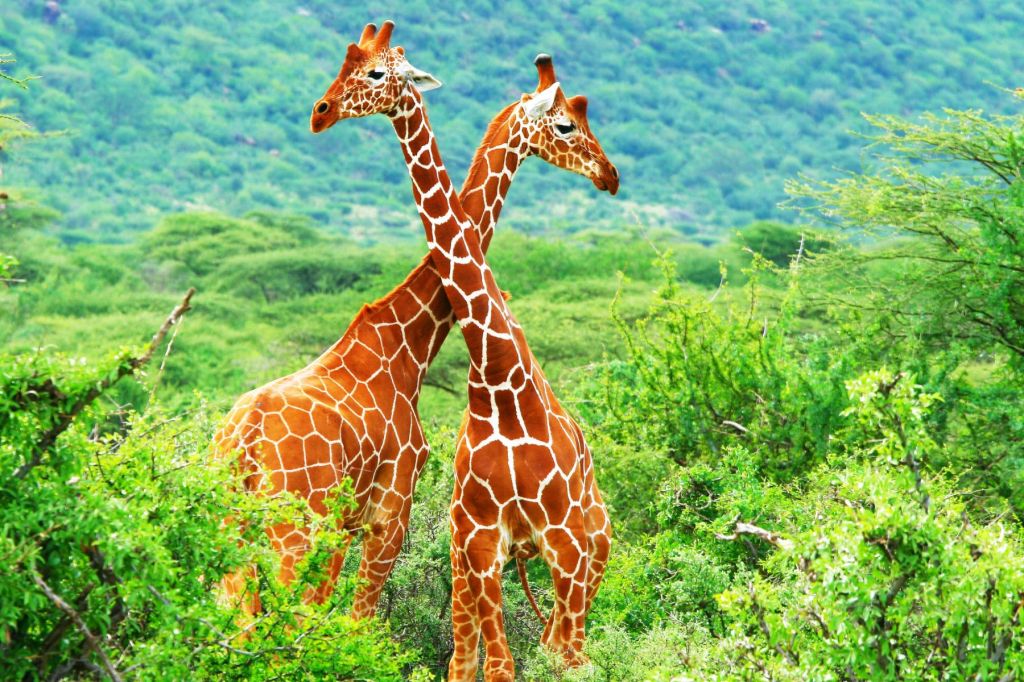
The Giraffe or the Hipo not Linsted among the Big 5: The exclusion of the giraffe from the “Big 5” is a classic example of how historical definitions can sometimes overshadow modern values. It also perfectly illustrates the point that in every framework, there are “Giraffes”—vital elements that are often overlooked because they don’t fit the traditional or “dangerous” criteria of the original model.
1. The Biological “Giraffe”: Why were they left out?
The term “Big 5” was not coined by biologists or conservationists, but by big-game hunters in the 19th century.
- The Danger Factor: The Big 5 were chosen because they were the five most dangerous animals to hunt on foot. If wounded or cornered, a Lion or Buffalo will charge; a Giraffe, despite its massive size and powerful kick, generally prefers to flee.
- The “Trophy” Bias: In the era of colonial hunting, the “challenge” of the kill defined the status of the animal. Because the giraffe was seen as “gentle” and less likely to hunt the hunter, it was excluded.
- Modern Rebranding: Today, conservationists often talk about the “Big 9” (adding the Giraffe, Cheetah, Hippo, and Zebra) to better reflect the ecological importance of these species.
2. The “Hidden Giraffes” in Tourism Frameworks
Just as the giraffe was ignored by hunters, certain critical elements are often “invisible” in the standard tourism models mentioned.
In the 5 As (The Structure)
- The “Giraffe”: Awareness & Digital Presence. The 5 As focus on the physical (Roads, Hotels, Sites). However, in 2026, a destination doesn’t “exist” for a tourist if it isn’t online. Digital Accessibility—having a website, GPS coordinates, and online booking—is the modern “Giraffe” that makes or breaks the other 5 As.
In the 5 Industry Sectors (The Business)
- The “Giraffe”: Technology & Information Services. Standard models list “Transport” and “Accommodation,” but they often forget the Digital Intermediaries (like the Equera platform or Google Maps). These platforms are the neck of the industry—they allow the “head” (the traveler) to see the “ground” (the local provider).
In the “Big 5” of Community-Based Tourism
- The “Giraffe”: Political Will & Policy Support. We often talk about “Community” and “Culture,” but without Institutional Protection, community projects are vulnerable to land-grabbing or exploitative external investors. Secure land rights and supportive government policy are the silent giants holding up the CBT house.
3. Why identifying the “Giraffes” matters
By looking for what is not in the “Big 5,” you find the Hidden Connectors.
- Visibility vs. Value: The Lion gets the fame (Marketing), but the Giraffe maintains the canopy (Ecosystem).
- Resilience: In tourism, your “Giraffe” might be Safety & Security. It’s not an “Attraction” that people buy a ticket for, but if it’s missing, the entire “Big 5” industry collapses.
Reflective Question: “In our quest to see the Big 5, are we overlooking the giants that sustain the very land we walk on?”
Conclusion
Understanding these “Big 5” categories allows us to see tourism not just as a holiday, but as a structured industry with the power to transform lives. Whether we are marveling at a lion in the wild or supporting a local homestay, we are part of a global movement that, when managed correctly, fosters deep respect for both people and the planet.


