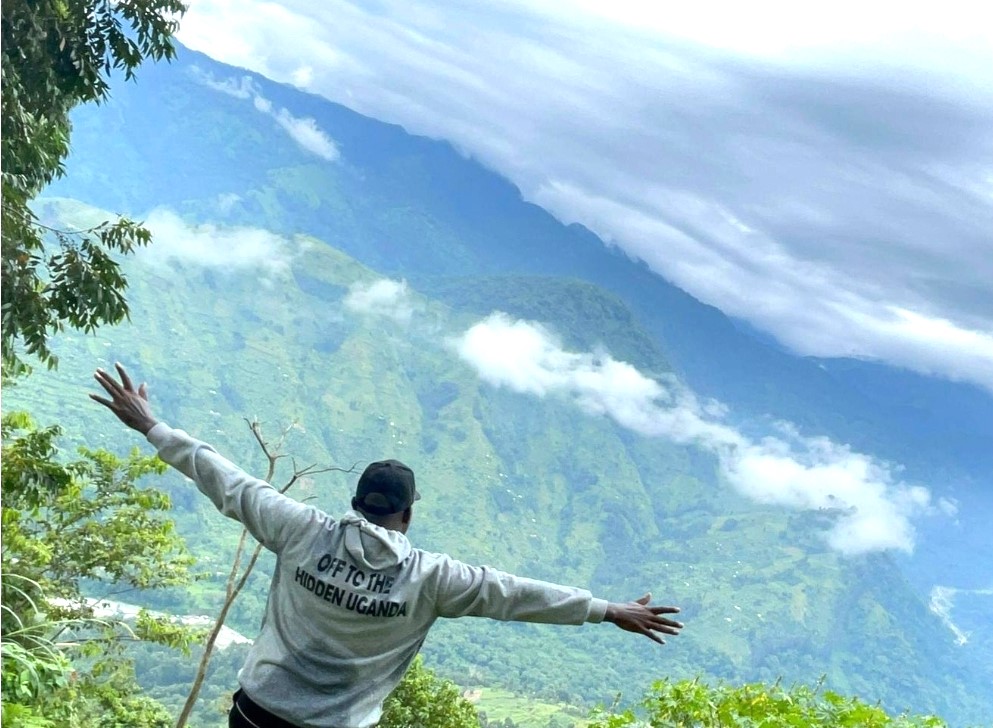
These training Resources by Kitara Foundation for Sustainable Tourism are intended to support implementation of sustainable tourism, defined by UNEP and UNWTO as tourism balancing current and future economic, social, and environmental impacts for the benefit of visitors, industry, environment, and host communities.
The Resources are designed for Tourism students, tourism entrepreneurs, stakeholders and partners and aims to upskill professionals in Tourism to meet global standards.
Skills for a Sustainable Future; Building Tourism Development Expertise
About the Author: Sabiiti Fenekansi Mbiire– The Planned Tourist
Sabiiti Fenekansi is a passionate Ugandan Tourism Management trainer and a seasoned tourist. His extensive travels across Uganda’s breathtaking natural and cultural destinations ignited a profound love for tourism. Through countless interactions with tourism entrepreneurs, managers, operators, and tour guides, he has gained invaluable insights into the industry’s inner workings.
Driven by this dedication, Sabiiti completed 18 specialized tourism and hospitality courses from the ATINGI Tourism Management program, a prestigious initiative commissioned by UNESCO and GIZ. These courses focused on sustainable development through tourism, culminating in him earning 18 certificates and badges, showcasing his comprehensive expertise in the field.
Beyond tourism, Sabiiti brings over 15 years of rich experience in research management and training, spanning diverse development sectors including education, health, culture, and community development. He is also a respected and published author of several books and papers.
Sabiiti Fenekansi is the visionary Founder of Kitara Foundation for Sustainable Tourism (www.kitararcc.com), a dedicated Tourism organization officially incorporated under the laws of Uganda.
Copyright & Disclaimer
Copyright Reserved: All publishing rights for this book belong exclusively to Kitara Foundation for Regional Tourism, P.Box 390234, Fort Portal, Uganda.
Copyright Information: This publication is copyrighted. While we have made every effort to trace and acknowledge all copyright holders, some oversights may have occurred. We sincerely apologize for any unintentional infringement and would appreciate any information to correct such instances promptly.
Copyright Notice: All content in this publication is copyrighted. We have diligently tried to credit all copyright holders, but if we have missed anyone, please inform us so we can rectify it.
Disclaimer: While we have meticulously reviewed this publication for accuracy and currency at the time of printing, readers are advised to verify any information, especially legal content, before use. This book is intended as general support and guidance and is not a substitute for existing professional or policy resources, nor does it replace the work of national or international tourism development partners. For applications beyond the general guidance provided here, we recommend seeking advice from qualified tourism development professionals. Neither the author, contributors, nor the publisher are liable for any errors or omissions in this publication.
Contact the Trainer and the Author


 COMMUNITY BASED TOURISM DEVELOPMENT AT KITARA FOUNDATION FOR SUSTAINABLE TOURISM: Transforming Communities through Travel Partnerships. Email: kitararcc@gmail.com;